You know that feeling when a movie character says absolutely nothing for three minutes, yet you feel like they just confessed their deepest secret? It’s not magic. It’s physical acting and nonverbal film communication. We often obsess over scripts, monologues, and witty one-liners. But the real heavy lifting in cinema happens before a single word is spoken. Think about Charlie Chaplin or Buster Keaton. They didn’t need subtitles to make you laugh until your sides hurt or cry into your popcorn. Their bodies were the script.
If you’re an actor, a director, or just someone who loves analyzing movies, understanding how movement replaces words is crucial. Dialogue tells you what a character thinks. Movement shows you who they are. When these two align, you get magic. When they clash, you get subtext-the most delicious part of any great performance. This guide breaks down why physicality matters more than lines, how to spot it, and how to use it if you’re behind the camera or in front of it.
The Science of Silent Storytelling
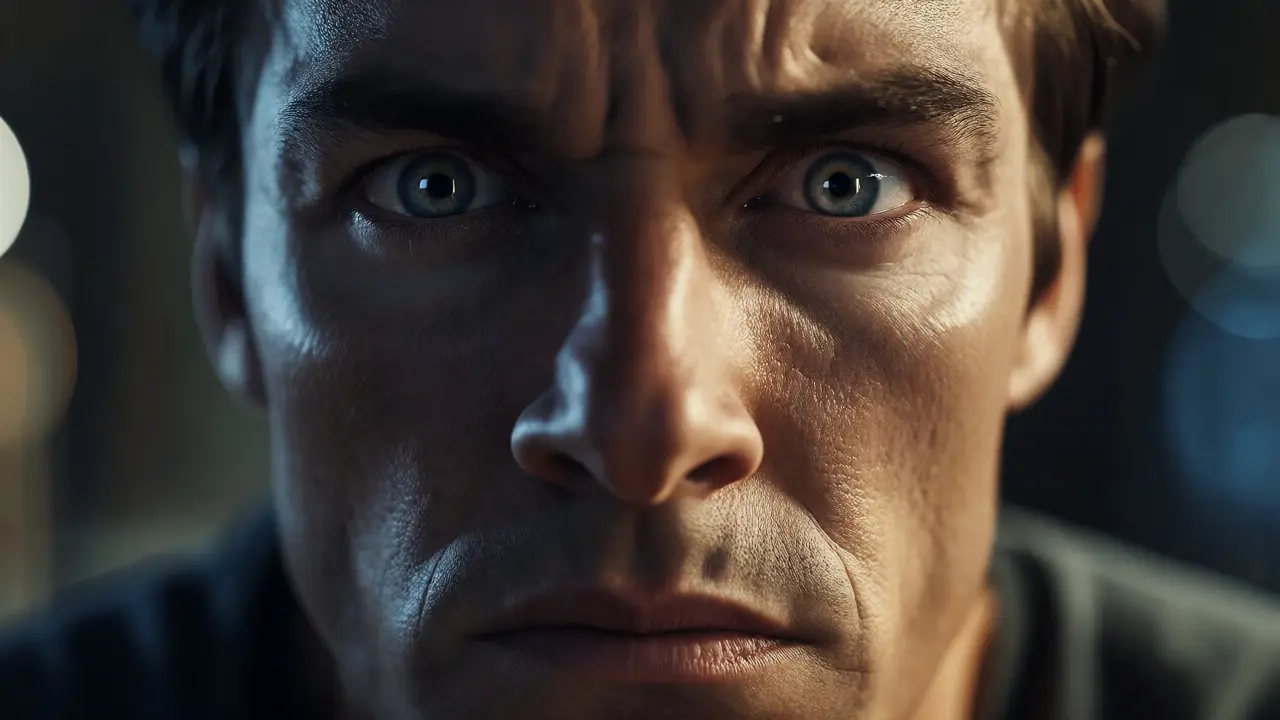
Why does this work? It’s not just artistic preference; it’s biology. Human beings are wired to read bodies first. Research from UCLA suggests that up to 93% of emotional communication is nonverbal. While that stat is often debated, the core truth remains: we trust eyes and posture more than words. In film, the camera amplifies this. A close-up can catch a micro-expression-a twitch of the jaw, a dilation of pupils-that would be invisible on stage. This intimacy allows actors to convey complex internal states without exposition dumps.
Consider the difference between reading a line like "I'm angry" and watching an actor clench their fists while smiling tightly. The latter creates tension. The former creates information. Great films prioritize tension. Directors like David Fincher or the Safdie Brothers rely heavily on this principle. In Uncut Gems, Adam Sandler’s frantic energy isn’t explained by dialogue; it’s felt through his erratic movements and sweat-drenched skin. You don’t need to hear him say he’s stressed. Your mirror neurons fire, and you feel the stress yourself.
Key Elements of Nonverbal Communication
To master this craft, you need to break down the components. It’s not just about waving arms around. It’s about specific, intentional choices. Here are the primary tools in an actor’s nonverbal toolkit:
- Eyes: The window to intent. Where an actor looks-and where they refuse to look-reveals desire, fear, or deception. Direct eye contact signals dominance or intimacy. Breaking gaze can signal shame or evasion.
- Posture: How a character holds their spine tells us about their history. A slumped shoulder might suggest defeat or exhaustion. An upright, rigid spine could indicate military discipline or anxiety. Watch how characters occupy space. Do they shrink away from others, or do they take up room?
- Gestures: These should be motivated, not decorative. A nervous habit, like picking at a cuticle, adds layers. If every gesture is precise and theatrical, it feels fake. Real life is messy. Actors should find gestures that feel involuntary.
- Pace and Rhythm: Speed indicates urgency. Slowness can imply confidence or lethargy. A sudden change in rhythm-like freezing mid-step-can signal shock or realization.
These elements don’t work in isolation. They form a system. If an actor says "I’m fine" but their hands are shaking, the audience believes the hands. That disconnect is subtext. And subtext is where the story lives.
Iconic Examples of Physical Performance
Let’s look at some concrete examples. Abstract theory is hard to grasp without seeing it in action. Here are three scenarios where physical acting did the heavy lifting.
| Film | Character/Actor | Nonverbal Technique | Emotional Impact |
|---|---|---|---|
| No Country for Old Men | Anton Chigurh / Javier Bardem | Unblinking stare, slow deliberate walk, mechanical coin flip | Creates existential dread and inevitability |
| A Quiet Place | Evelyn Abbott / Emily Blunt | Breath control, sign language precision, facial panic | Generates visceral tension through silence |
| The Artist | George Valentin / Jean Dujardin | Exaggerated mime-style gestures, expressive eyebrows | Nostalgic charm and comedic timing |
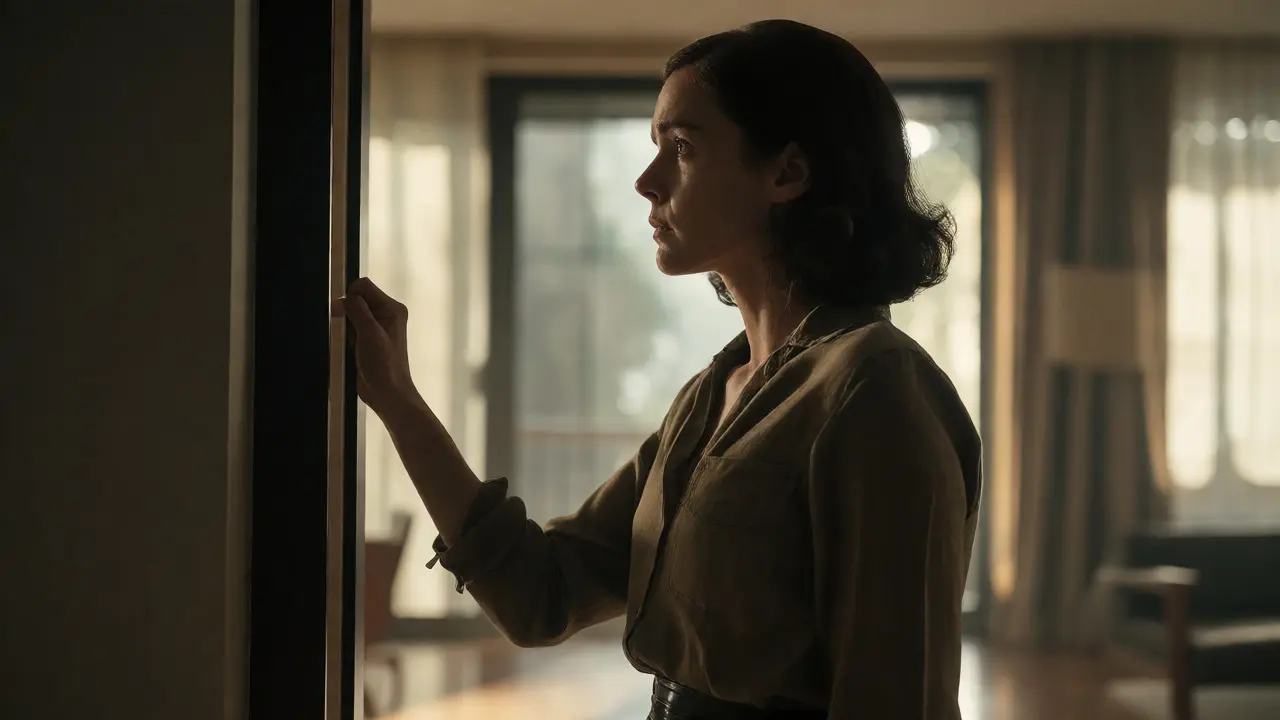
In No Country for Old Men, Javier Bardem barely blinks. His stillness is terrifying because it defies natural human behavior. We expect predators to move quickly. He moves with the patience of a force of nature. This choice makes him feel less like a man and more like death itself. Contrast this with Emily Blunt in A Quiet Place. Her performance is constrained by the premise-she can’t speak loudly. So, she uses her eyes and breath to communicate volume. The way she holds her breath during a scare tells you more about the danger than any scream could.
Common Pitfalls in Physical Acting
So, how do you mess this up? Ironically, trying too hard is the biggest enemy. New actors often fall into the trap of "indicating." This means making big, obvious gestures to show emotion instead of actually feeling it. For example, rubbing your temple to show a headache is indicating. Wincing slightly while squinting against the light is feeling. The camera sees the difference instantly.
Another pitfall is inconsistency. If a character is established as shy and withdrawn, they shouldn’t suddenly start using broad, confident gestures unless there’s a major plot shift. Body language must align with character history. If a tough bouncer starts fidgeting nervously without cause, the audience gets confused. Is he scared? Is he hiding something? Ambiguity is good; randomness is bad.
Also, beware of ignoring the environment. Physical acting doesn’t happen in a vacuum. How a character interacts with props, furniture, or weather matters. Sitting on a dirty bench versus standing politely next to it tells you about their comfort level and social status. Use the set. Let the world shape your movement.
How Directors Can Enhance Nonverbal Moments
It’s not just on the actor. Directors play a huge role. Framing dictates what we see. A wide shot might miss a subtle hand tremor. A tight close-up might make a blink seem dramatic. Directors need to collaborate with actors to ensure the camera captures the intended nuance.
Editing also shapes nonverbal communication. Cutting on movement can create energy. Holding a shot longer than comfortable can build tension. Consider the editing style of Edgar Wright. His cuts are rhythmic, matching the physical comedy and action beats perfectly. In contrast, long takes in a film like Roma allow the audience to observe subtle interactions between characters in the background, creating a rich tapestry of nonverbal context.
Sound design is another overlooked tool. Sometimes, removing dialogue entirely and focusing on ambient noise-footsteps, breathing, fabric rustling-heightens the visual impact. Silence forces the audience to look closer. When sound is sparse, every movement carries weight.
Practical Exercises for Actors
If you want to improve your physical presence, try these exercises. They help connect mind and body.
- The Neutral Mask: Stand in front of a mirror. Relax your face completely. No expression. Then, introduce one emotion (e.g., joy) only through your eyes. Keep the rest of your face neutral. This trains isolation and control.
- Status Walks: Walk across the room pretending to have high status (confident, taking up space). Then, walk with low status (shrinking, avoiding contact). Notice how your center of gravity shifts. Apply this to your character’s backstory.
- Prop Work: Pick up an object (a cup, a phone). Interact with it in three different emotional states: anger, sadness, indifference. Don’t talk. Just let the object reflect your mood. Does the angry person slam the cup down? Does the sad person hold it gently?
These drills build muscle memory. When you’re on set, under pressure, you won’t have time to think about every twitch. Your body needs to react instinctively based on preparation.
The Future of Nonverbal Performance
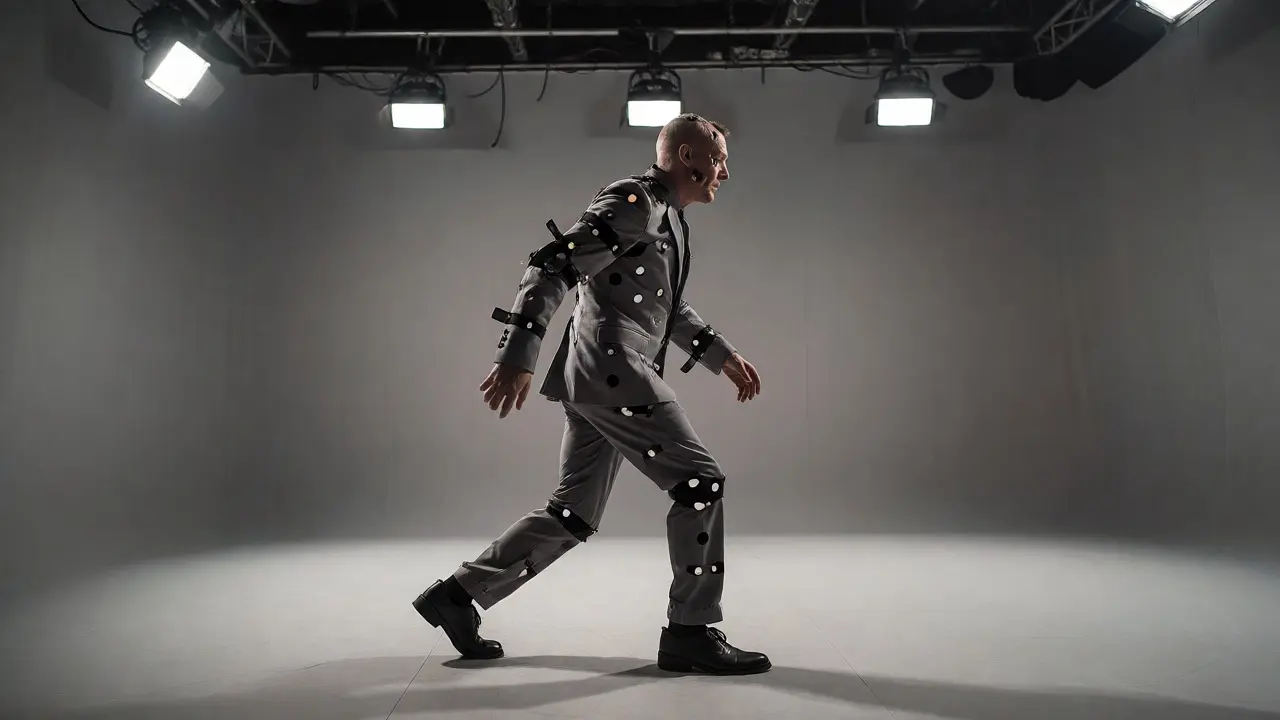
As technology evolves, so does physical acting. Motion capture in films like Avatar or The Lord of the Rings relies entirely on physical performance translated onto digital characters. Andy Serkis proved that voice and body are inseparable, even for CGI creatures. This opens new doors for actors who excel physically but may not fit traditional leading-man molds.
Virtual Reality (VR) filmmaking also demands heightened physical awareness. In VR, the audience is inside the scene. Bad blocking or unnatural movement breaks immersion immediately. Actors in VR projects must be aware of 360-degree visibility. There’s no hiding off-camera. Every angle matters. This pushes performers to maintain consistent physical truth throughout a scene, not just when the lens points at them.
Ultimately, whether it’s classic Hollywood, modern indie cinema, or futuristic VR, the rule stays the same: show, don’t tell. Words explain. Bodies reveal. Master the latter, and you’ll never run out of ways to captivate an audience.
What is the difference between pantomime and physical acting?
Pantomime is a stylized form of theater that uses exaggerated gestures to tell a story, often for comedy. Physical acting is a broader technique used in realistic film and theater where body language supports or replaces dialogue to convey authentic emotion and subtext. Pantomime is overt; physical acting is often subtle and integrated into naturalistic performance.
Can dialogue ever be harmful to a performance?
Yes, if it is expository or redundant. If a character explains what they are already showing through their actions, the dialogue becomes unnecessary clutter. This is often called "on-the-nose" writing. Strong performances rely on subtext, where what is said differs from what is meant, allowing the physical performance to carry the true meaning.
How do directors coach actors for nonverbal scenes?
Directors often focus on intention rather than instruction. Instead of saying "look sad," they might ask the actor to recall a specific memory or focus on a specific objective within the scene. They also adjust framing to highlight key physical details, ensuring the camera captures the subtleties the actor is providing.
Is physical acting important in comedy?
Absolutely. Comedy relies heavily on timing and visual gags. Slapstick, deadpan expressions, and awkward body positioning are foundational to humor. Actors like Rowan Atkinson (Mr. Bean) or Jim Carrey built careers largely on their ability to communicate comedic situations without extensive dialogue.
How does lighting affect nonverbal communication?
Lighting shapes perception. Harsh shadows can hide expressions, creating mystery or menace. Soft, even lighting reveals micro-expressions, fostering intimacy. Directors use lighting to direct the audience's eye to specific physical cues, such as highlighting trembling hands or shadowed eyes to emphasize vulnerability or deceit.