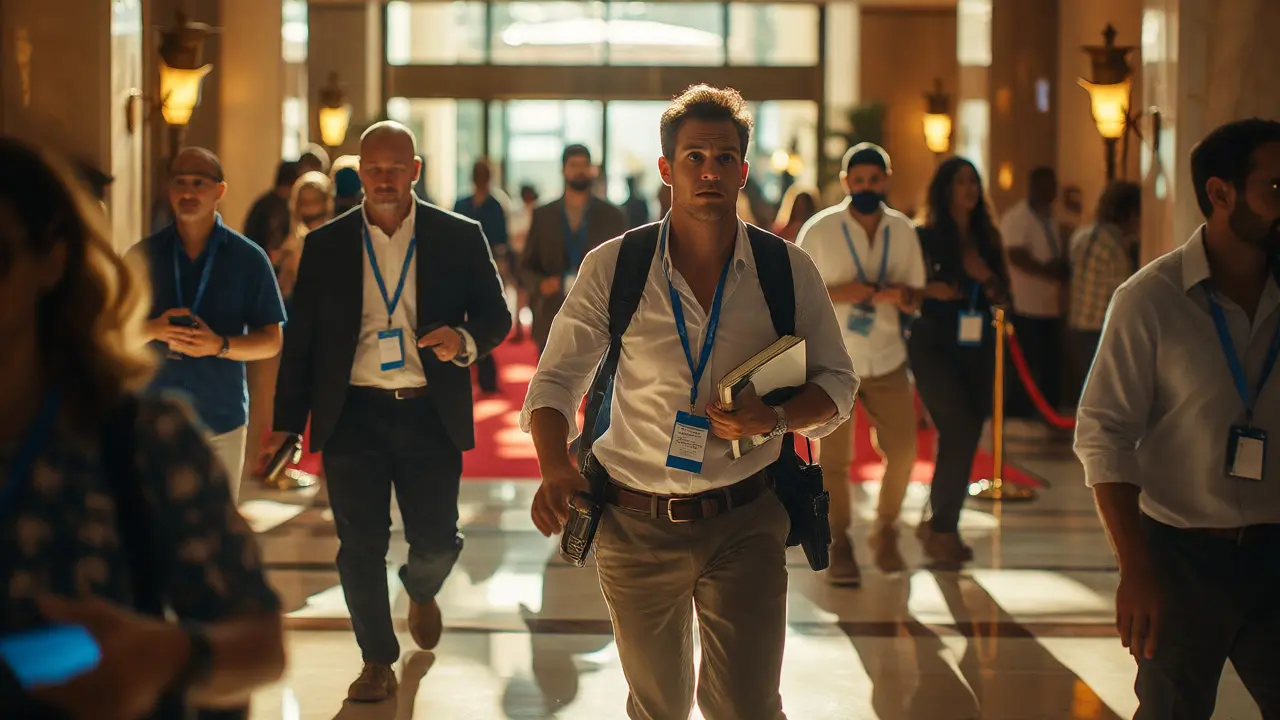
You’ve got your badge. You’ve got your notebook. But do you have a plan? Festival Press Days are less about the glamour of the red carpet and more about high-stakes logistical gymnastics. If you’re covering a major event like Cannes, Venice, or even a robust regional fest, you know the drill: sleep is optional, coffee is mandatory, and every minute counts.
The difference between a forgettable recap and a must-read feature often comes down to how well you managed those chaotic interview slots. It’s not just about asking good questions; it’s about securing access, managing time zones (yours and theirs), and delivering copy while everyone else is still processing what they just saw. Here’s how to navigate the madness without losing your mind-or your deadline.
Understanding the Rhythm of Press Days
Festival Press Days are structured blocks within a larger film festival where accredited journalists get exclusive access to screenings, press conferences, and one-on-one interviews. Unlike general public days, these are tightly controlled environments designed to maximize exposure for the films in competition. Think of them as a marathon sprint: you might see three films before noon, attend two roundtables by 2 PM, and conduct four interviews by 6 PM.
The core challenge here isn’t technical-it’s human. Directors and actors are exhausted. They’ve been smiling for cameras since breakfast. Your job is to extract something genuine from someone who has answered the same question about "inspiration" fifty times that week. To do this, you need to understand the ecosystem. The Media Accreditation process dictates your level of access. Tier 1 badges usually get priority seating and earlier interview slots, while Tier 2 might mean waiting in longer lines. Knowing your tier helps you set realistic expectations for what you can actually cover.
Don’t try to be everywhere. Pick your battles. Are you there for the auteur directors? The emerging indie darlings? Or the big-budget blockbusters? Choosing a niche allows you to go deeper rather than wider. If you try to cover everything, you’ll end up with shallow notes and a headache.
Securing Access and Managing Schedules
Access is currency at festivals. Before you even arrive, you need to lock in your Interview Slots. These are typically arranged through publicists or festival press offices weeks in advance. Once you’re on-site, things change fast. Flights get delayed, stars get sick, and schedules shift hourly.
Here’s a pro tip: Always build in buffer time. If an interview is scheduled for 10:00 AM at the Hotel Martinez, don’t show up at 9:55 AM. Show up at 9:30 AM. Why? Because security checks, elevator queues, and last-minute rescheduling will eat your time. If you’re late, you lose the slot. Period. No exceptions.
Use digital tools wisely. While paper schedules are charming, they’re outdated. Use apps provided by the festival for real-time updates, but keep a backup spreadsheet synced across devices. Syncing your calendar with your editor’s deadlines is also crucial. If you’re working across time zones, clarify whether your deadline is local festival time or your home office’s time zone. This simple miscommunication can ruin a story.
The Art of the Short-Form Interview
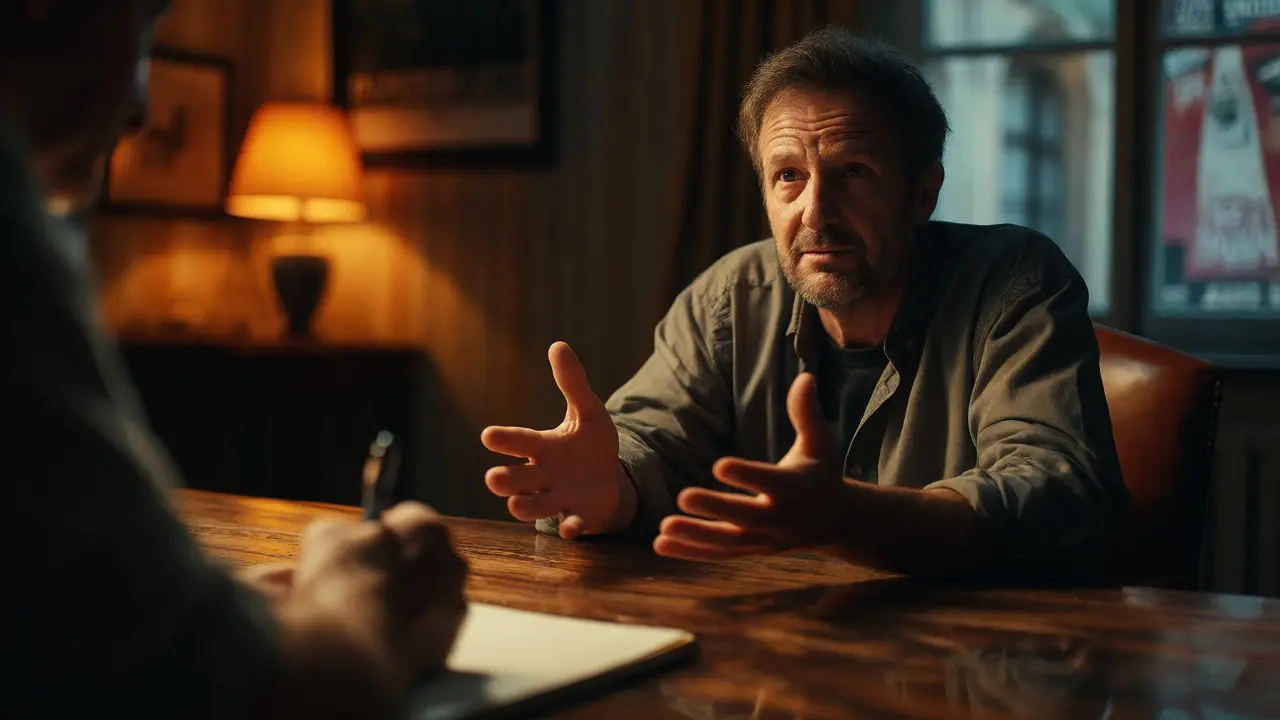
Most festival interviews are short-often five to ten minutes. You don’t have time for deep dives into childhood trauma unless the director brings it up. You need to hit hard and fast. Prepare three key angles, not twenty questions. Let the conversation breathe, but steer it back if it wanders into PR boilerplate.
Ask open-ended questions that require more than a yes/no answer. Instead of "Did you enjoy making this film?", try "What was the most challenging scene to shoot, and why?" Specificity triggers memory. When you ask about a specific scene, color palette, or actor interaction, the subject stops reciting their bio and starts talking about the work.
| Question Type | Example | Why It Works/Fails |
|---|---|---|
| Vague | "Tell us about the movie." | Too broad. Invites rehearsed answers. |
| Specific | "How did you decide on the color grading for the final act?" | Shows you watched closely. Triggers technical discussion. |
| Closed | "Was it hard to work with [Actor]?" | Yes/No. Dead end. |
| Open | "Describe the dynamic on set during the improvisation scenes." | Narrative-driven. Allows for storytelling. |
Record everything, but take notes too. Technology fails. Batteries die. Apps crash. Having handwritten keywords ensures you never miss a quote. Also, watch the body language. If the interviewer looks at their watch twice, wrap it up. Respect for their time earns you goodwill for future interactions.
Writing Coverage Under Pressure
After the screening, you have maybe thirty minutes before the next event. This is when you write. Not later. Later means you forget the nuance. Draft a quick skeleton immediately after leaving the theater. Note the emotional impact, the standout performance, and one controversial or unique element. Don’t worry about perfect prose yet. Just capture the essence.
For reviews, avoid plot summary. Everyone knows the plot by now. Focus on interpretation. What does the film say about its culture? How does it fit into the director’s previous work? Contextualize it. If you’re writing for a trade publication like Variety or Deadline, speed matters. For consumer outlets, depth matters. Adjust your tone accordingly.
Fact-check aggressively. Mispronouncing a name or attributing a quote to the wrong person can damage your credibility instantly. Double-check spelling of foreign names and titles. Use official press kits for accurate bios, but verify against recent news. Publicists sometimes send outdated info.

Navigating Social Dynamics and Etiquette
Festivals are social hubs. You’ll bump into other journalists, producers, and filmmakers in hallways and coffee shops. These informal moments often yield better quotes than formal interviews. Be approachable. Share tips. Help out if someone is struggling with a recorder or finding a room.
Respect boundaries. Just because you’re on a festival badge doesn’t mean you own someone’s time. If a director is rushing to a premiere, don’t corner them for a five-minute chat. Ask if they have thirty seconds. If they say no, move on. Burning bridges over small inconveniences is easy to do and hard to fix.
Dress appropriately. Most festivals enforce a dress code for premieres and certain venues. Sneakers might be fine for morning screenings, but heels or polished shoes are expected for evening events. Check the invitation details carefully. Being turned away at the door because of footwear is a rookie mistake.
Post-Festival Follow-Up
The festival ends, but the work continues. Organize your files immediately. Label audio recordings clearly with date, time, and subject. Back up your notes to the cloud. Write your long-form pieces while the memories are fresh. Send thank-you emails to publicists who helped you secure access. It’s a small gesture, but it pays dividends next year.
Review your coverage strategy. Did you meet your goals? Did you miss any key films? What went wrong? Use this reflection to improve your planning for the next event. Festivals repeat annually. Learning from each cycle makes you sharper and more efficient.
How early should I apply for media accreditation?
Apply as soon as registration opens, often 3-6 months in advance. Major festivals like Cannes and Venice have limited spots for international press, and approval can take weeks. Early application increases your chances of getting preferred interview slots.
What equipment is essential for festival coverage?
A reliable voice recorder with extra batteries, a laptop or tablet for writing, portable power banks, noise-canceling headphones for editing on the go, and comfortable walking shoes. Don’t forget adapters for different outlet types if traveling internationally.
Can I use clips from the film in my online review?
It depends on the festival’s rules and copyright agreements. Many festivals restrict clip usage until the film’s theatrical release. Always check the press kit guidelines or ask the distributor. Unauthorized clip usage can lead to takedowns or legal issues.
How do I handle a difficult interviewee?
Stay calm and professional. If they give short answers, ask follow-up questions based on their previous response. If they dominate the conversation, politely interject with "That’s interesting, could you elaborate on..." Never argue. Your goal is to get usable content, not to win a debate.
What if I miss a scheduled interview?
Apologize immediately via text or email. Ask if there’s a chance to reschedule, perhaps for a shorter duration. Sometimes you can catch them at a subsequent event or premiere. However, accept that some opportunities are lost. Learn from the delay and adjust your schedule buffer for next time.


Comments(8)