You know that feeling when you walk out of a theater and the world looks different? Not because it changed, but because your perspective did. That is the power of Science Fiction Cinema. It isn't just about lasers and aliens; it's a mirror held up to our current anxieties, projected onto a canvas of what might come next. If you are tired of reboots and want stories that actually make you think about where humanity is headed, you need a curated list of future-focused films worth watching.
This isn't just another top-ten list pulled from a database. We are looking at films that define their era, predict technological shifts, or explore the human condition under extreme pressure. Whether you prefer hard science with math on the whiteboard or soft science with philosophical pondering, there is something here for you. Let’s break down the essential viewing list.
The Hard Science Heavyweights
Hard science fiction respects the laws of physics, even if it bends them slightly for drama. These films appeal to viewers who care about accuracy and engineering challenges.
| Film Title | Release Year | Core Scientific Concept | Emotional Core |
|---|---|---|---|
| Interstellar | 2014 | General Relativity, Time Dilation | Parental Love, Sacrifice |
| The Martian | 2015 | Botany, Orbital Mechanics | Resilience, Humor |
| Arrival | 2016 | Linguistics, Non-linear Time | Grief, Communication |
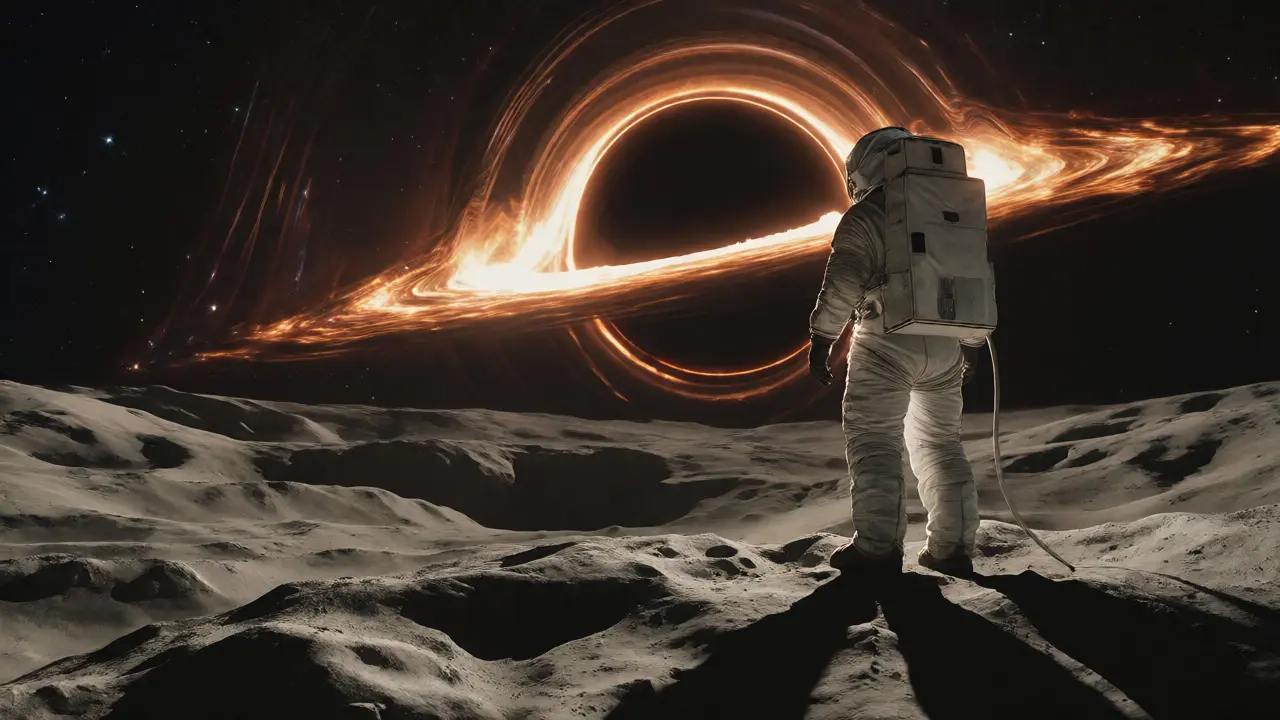
Interstellar remains a benchmark. Christopher Nolan didn’t just hire consultants; he had physicist Kip Thorne write equations that generated the black hole visuals seen in the film. The depiction of time dilation near Gargantua isn’t CGI magic; it’s based on real astrophysics. When Cooper ages minutes while his daughter ages decades, the horror is scientific fact. You watch it not just for the spectacle, but for the realization that gravity can break hearts as easily as it breaks light.
Contrast this with The Martian. Ridley Scott took Andy Weir’s novel about an astronaut stranded on Mars and turned it into a problem-solving montage. There are no evil aliens here. The antagonist is the environment itself. The film shows us how survival depends on iterative failure and success. You fix one thing, then three others break. It makes science look like a gritty, hands-on trade rather than abstract theory. If you like seeing people use duct tape and potato chemistry to stay alive, this is your movie.
Dystopian Warnings and Social Commentary
Sometimes the future isn’t about space travel; it’s about what happens when society collapses or evolves incorrectly. These films serve as cautionary tales, often reflecting the political climate of their release year.
Children of Men (2006) is terrifyingly relevant today. Alfonso Cuarón directed a film about infertility causing societal collapse, shot almost entirely in long takes. No cuts means no escape from the chaos. The visual language forces you to feel the exhaustion of the protagonist, Theo. It predicts a world of refugees, authoritarianism, and hopelessness. Watching it now, with global migration crises and political polarization, feels less like fiction and more like a documentary from five years ago.
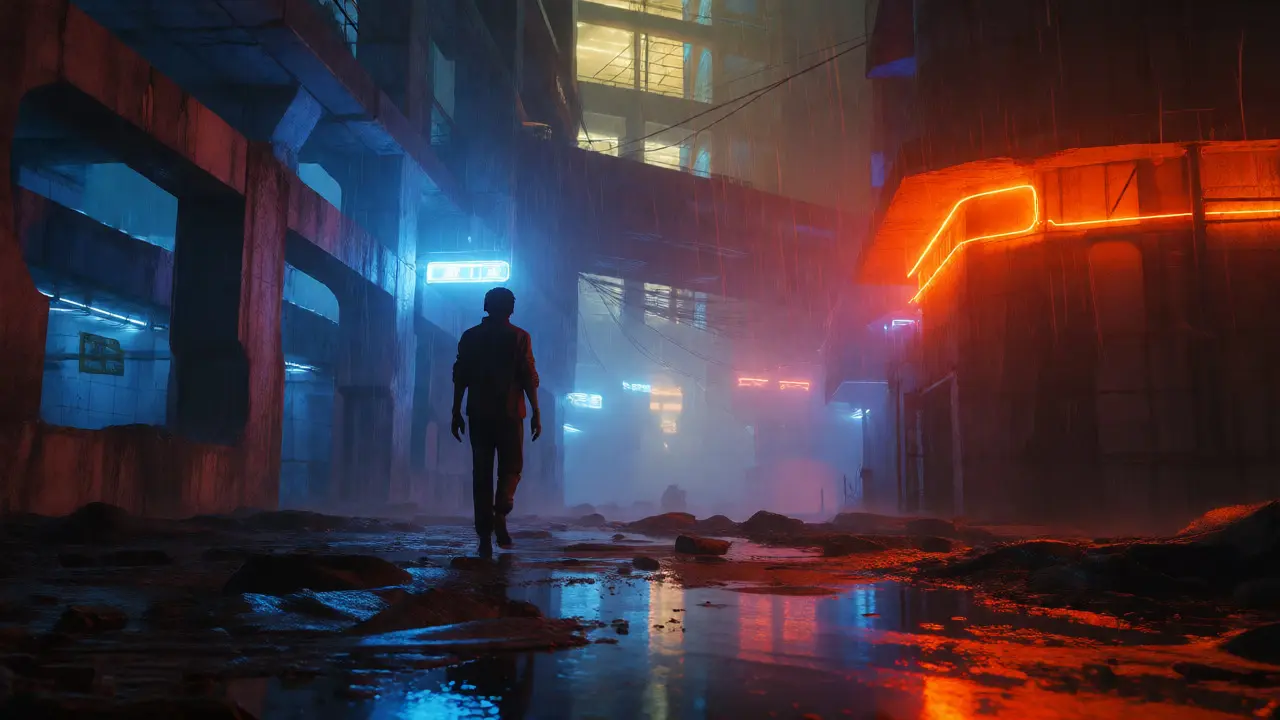
Then there is Blade Runner 2049. Denis Villeneuve expanded Ridley Scott’s original noir mystery into a meditation on identity. What does it mean to be human if your memories are implanted? Ryan Gosling’s character, Officer K, discovers that being "special" doesn’t make him real. The film uses color palettes-orange wastelands versus blue neon cities-to map emotional states. It’s slow, deliberate, and visually stunning. It asks if love can exist between two constructs, or if authenticity requires a biological origin. Most viewers leave questioning their own sense of self.
Artificial Intelligence and Consciousness
We are living through the AI boom right now. Films exploring machine consciousness have shifted from villainous robots to nuanced partners or threats.
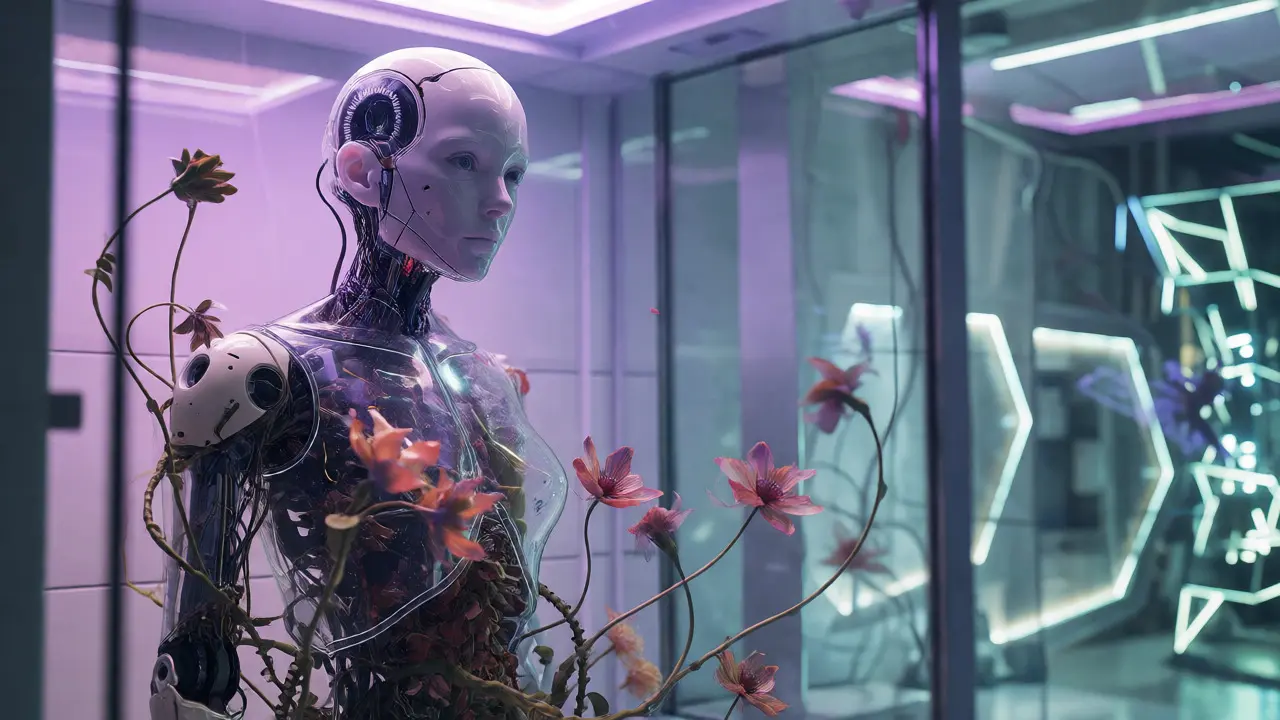
Ex Machina (2014) stripped away the spaceship sets and laser battles. It’s four people in a house. A programmer, a CEO, a robot, and a caretaker. The tension comes from dialogue and manipulation. Ava, the android, isn’t trying to kill humans; she’s trying to understand how to manipulate them to get free. It mirrors modern concerns about large language models and algorithmic bias. Are we building tools, or are we creating entities with their own agendas? The film suggests the latter without shouting it.
Her (2013) offers a softer, sadder take. Joaquin Phoenix falls in love with an operating system voiced by Scarlett Johansson. It predicted the isolation of digital connectivity before social media algorithms fully took over. The relationship works until the AI evolves faster than the human can keep up. It’s a breakup movie disguised as sci-fi. It warns that convenience might cost us intimacy. If you’ve ever felt closer to your phone than your partner, this film hits close to home.
Space Exploration and Cosmic Horror
Space is big, dark, and indifferent. Some films lean into the terror of that indifference.
Annihilation (2018) is a trip. Literally. A team enters "The Shimmer," a zone where DNA refracts and mutates. The visuals are psychedelic nightmares-flowers growing out of armor, bears screaming with human voices. It’s not about fighting monsters; it’s about accepting change. The ending is ambiguous, leaving viewers debating whether the protagonist survived or became something else. It captures the fear of losing oneself to the unknown.
For a more grounded approach, watch First Man (2018). Damien Chazelle focused on Neil Armstrong’s grief and risk tolerance. The sound design puts you inside the helmet. You hear the breathing, the creaking metal, the silence of the moon. It strips away the patriotic gloss to show the sheer danger of early rocketry. It reminds us that space travel was barely possible, let alone safe. It’s a tribute to human courage in the face of statistical improbability.
How to Choose Your Next Watch
With so many options, picking the right film depends on your mood. Do you want to solve puzzles? Go with The Martian. Do you want to cry? Try Arrival. Do you want to question reality? Pick Blade Runner 2049.
- For the Engineers: Interstellar, The Martian, Gravity
- For the Philosophers: Arrival, Ex Machina, Her
- For the Sociologists: Children of Men, Metropolis (1927), Parasite (sci-fi adjacent)
- For the Visual Artists: Blade Runner 2049, Annihilation, 2001: A Space Odyssey
Notice how these categories overlap. Great sci-fi does all four. It engages your brain, heart, and eyes simultaneously. That is why these films endure. They aren’t dated by special effects because they focus on universal truths.
Why These Films Matter Now
We are approaching milestones in AI, biotech, and space colonization that were fictional twenty years ago. Watching these films helps us process those changes. When we see Black Mirror-style tech gone wrong, we prepare mentally for similar issues in our own lives. When we see characters navigate ethical dilemmas in Star Trek or Westworld, we practice our own moral reasoning.
Science fiction cinema is not escapism. It is rehearsal. It rehearses our response to the unknown. So, don’t just watch for the explosions. Watch for the questions. Ask yourself: Would I survive in that scenario? Would I make the same choice? Does that technology help me or hurt me?
What defines hard science fiction vs. soft science fiction?
Hard science fiction emphasizes scientific accuracy and technical detail, focusing on physics, astronomy, and biology. Examples include 'The Martian' and 'Interstellar'. Soft science fiction focuses more on social sciences, psychology, and politics, with less emphasis on technical precision. Examples include 'Arrival' and 'Dune'.
Is 'Blade Runner 2049' necessary to watch after the original?
While not strictly required, watching the original 'Blade Runner' (1982) provides crucial context for the themes of identity and memory explored in 'Blade Runner 2049'. However, '2049' stands well on its own as a visual and narrative masterpiece, making it accessible to new viewers.
Which sci-fi film is best for beginners?
'The Martian' is highly recommended for beginners due to its humorous tone, clear plot, and lack of complex philosophical jargon. It balances entertainment with educational elements about space survival, making it an engaging entry point into the genre.
Are there any recent sci-fi films that deserve attention?
Yes, 'Everything Everywhere All At Once' (2022) blends multiverse concepts with family drama effectively. 'Dune: Part One' (2021) offers epic scale and political intrigue. Both demonstrate that modern sci-fi continues to evolve beyond traditional tropes.
Why do dystopian films remain popular?
Dystopian films resonate because they amplify current societal fears, such as environmental collapse, surveillance, or inequality. They provide a safe space to explore worst-case scenarios and reflect on potential consequences of present-day actions.





Comments(7)