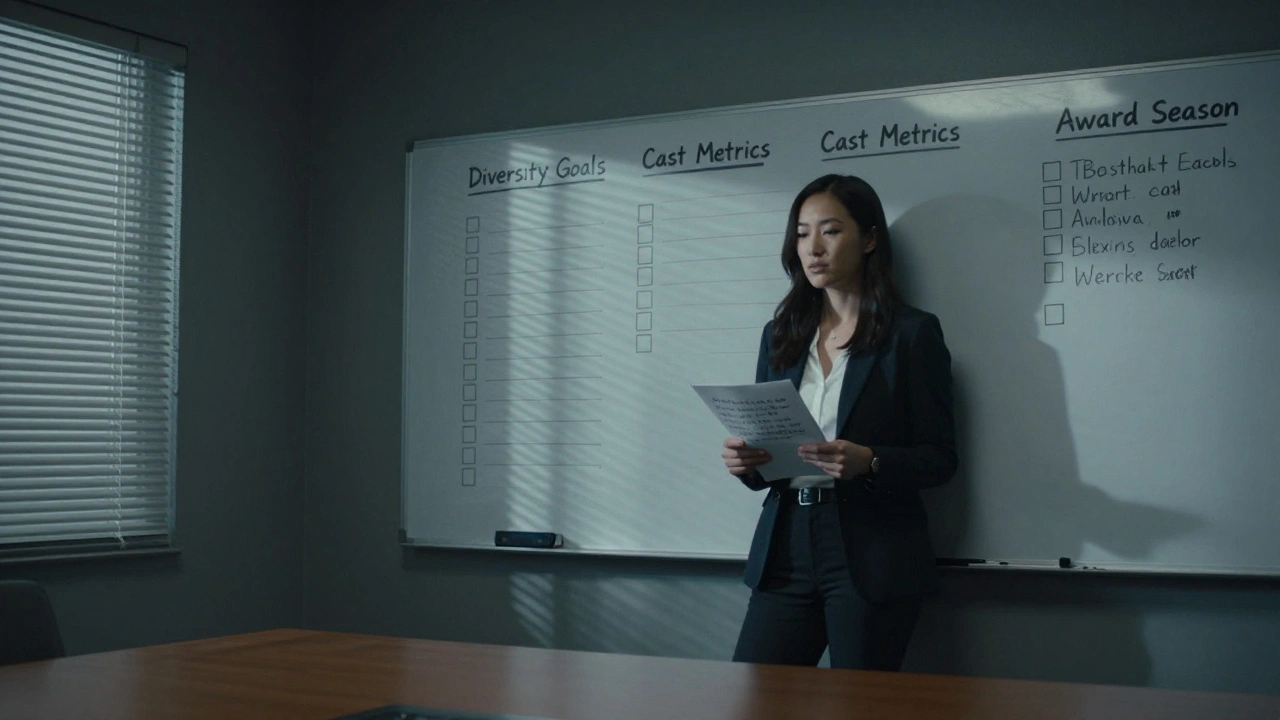
It’s 2025, and the conversation around diversity in film has hit a wall. Not because progress stopped - but because people are tired. Not of inclusion. Of the noise. Of the performative gestures. Of the same talking points recycled in press releases, award shows, and social media threads. This isn’t resistance to change. It’s diversity fatigue.
What Diversity Fatigue Actually Means
Diversity fatigue isn’t about rejecting marginalized voices. It’s about rejecting empty symbolism. It’s when studios cast one Black lead in a blockbuster, then spend the next two years making superhero sequels with all-white casts. It’s when a film festival touts its "inclusive slate," but 90% of the funding still goes to directors from the same five film schools in LA and New York. It’s when a studio releases a queer rom-com in November to qualify for awards, then quietly shelved the next five scripts with LGBTQ+ leads.
People aren’t tired of seeing different faces on screen. They’re tired of seeing the same old system put on a new mask. Audiences can tell the difference between a story that grew from lived experience and one that was greenlit because a boardroom needed a diversity checkbox.
A 2024 study from the University of Southern California’s Annenberg Inclusion Initiative found that while representation of women and people of color in leading roles increased by 18% between 2019 and 2023, the number of films actually written or directed by those same groups rose by less than 3%. That gap is the real problem.
The Backlash Isn’t About Race or Gender - It’s About Trust
When a studio announces a "bold new initiative" to hire more female directors, and then hires the same three white women who’ve already done three studio films in the last two years, it doesn’t feel like progress. It feels like a PR stunt.
That’s why the backlash isn’t coming from people who oppose diversity. It’s coming from people who believed in it - and got let down. Film students of color who saw their dreams deferred because "the market isn’t ready." Actors from underrepresented backgrounds who were cast as the "token friend" and never got a real lead. Crew members who worked on a diverse indie film that got zero distribution.
The backlash isn’t about the idea of inclusion. It’s about broken promises.
How Hollywood Keeps Getting It Wrong
Hollywood’s approach to diversity has been transactional, not transformational. It treats inclusion like a tax - something you pay to avoid criticism, not something you build into your DNA.
Here’s how it usually plays out:
- A film underperforms at the box office. Critics blame "lack of diversity." Studio executives panic.
- Next project: they cast a non-white lead, hire a woman director, and slap on a "Diversity Forward" tagline.
- Marketing focuses on the "historic" nature of the cast, not the story.
- Movie flops anyway. Everyone shrugs. "Guess audiences aren’t ready."
The cycle repeats. The same mistakes. The same excuses. The same lack of accountability.
Meanwhile, independent films - the ones that actually grow diversity from the ground up - get ignored. A film like Minari (2020) didn’t get made because a studio needed a diversity metric. It got made because a Korean-American filmmaker told a personal story, got funding from a small nonprofit, and found an audience through word of mouth. That’s the model. Not the checklist.
Real Change Happens Behind the Scenes
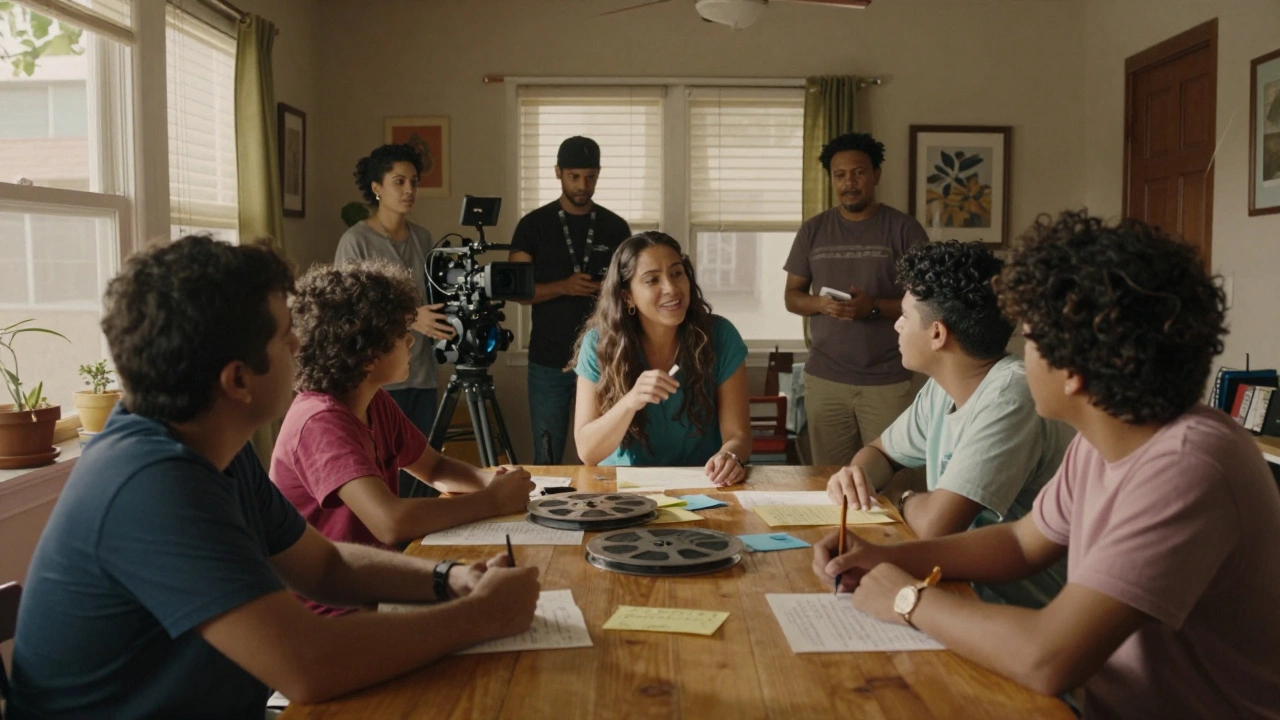
The most powerful form of diversity isn’t what’s on screen. It’s who’s in the room when the decisions are made.
Look at Netflix’s approach to international content. They didn’t just cast more non-American actors. They hired local showrunners, funded regional production companies, and let cultural experts shape the stories. The result? Money Heist, Dark, Squid Game - global hits that didn’t feel like "diverse" versions of Western shows. They felt authentic.
That’s the difference between tokenism and transformation. Tokenism says: "Let’s put a Black person in the lead." Transformation says: "Let’s hire a Black showrunner, give them creative control, and trust them to tell the story they know best."
Companies like A24 and Neon don’t have diversity quotas. They have relationships. They work with filmmakers over years. They take risks on first-time directors from communities that have been locked out. That’s why their films feel different - because they’re made by people who weren’t invited to the table. They built their own.
What Audiences Really Want
People aren’t asking for "more diversity." They’re asking for better stories. Stories that don’t feel like they were written by committee. Stories that don’t rely on stereotypes to signal "representation."
Look at the success of Everything Everywhere All At Once (2022). It didn’t win Oscars because it was "diverse." It won because it was wild, emotional, original, and deeply human. The cast was Asian-American, yes - but the story was about family, grief, and identity. Those are universal themes. The diversity wasn’t the selling point. It was the lens.
That’s what audiences are craving: stories that feel true, not stories that feel like compliance.
How to Move Forward - Without the Noise
So what does real progress look like in 2025? It’s not about slogans. It’s about systems.
- Fund the pipeline, not just the product. Invest in film schools, apprenticeships, and mentorship programs in underrepresented communities. Not as charity. As talent acquisition.
- Give creative control, not just credits. If you hire a director from a marginalized background, don’t micromanage their vision. Trust them.
- Measure outcomes, not appearances. Track how many films get made by women of color over five years - not how many got cast in one movie.
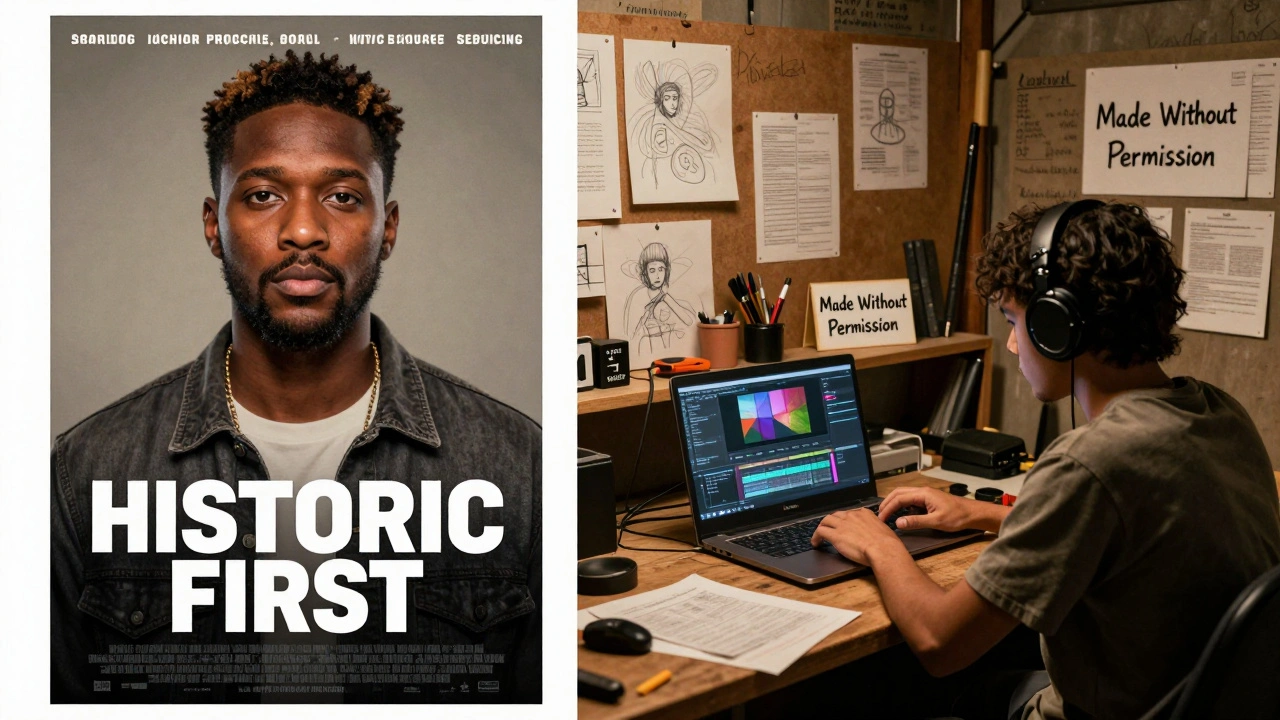
- Stop using diversity as a marketing tool. If your film’s trailer says "A Historic First," you’re already failing.
- Listen to the backlash. It’s not an attack. It’s feedback. People who are tired of empty gestures are the ones who still believe in the cause.
The goal isn’t to silence critics. It’s to earn their trust again.
It’s Not About Being Perfect - It’s About Being Honest
Diversity fatigue isn’t a reason to stop. It’s a sign that we need to do better.
There’s no shortage of talent. There’s a shortage of systems that let that talent thrive. The next great film won’t come from a diversity initiative. It’ll come from a filmmaker who was given the space, the money, and the freedom to tell their story - no matter how different it is from the last one.
The industry doesn’t need more checklists. It needs more courage.
Is diversity fatigue just a cover for racism or sexism?
No. Diversity fatigue isn’t about opposing inclusion - it’s about rejecting empty performance. Many people who feel this way are allies who’ve seen the same promises broken over and over. The real danger is when studios mistake fatigue for resistance and retreat. The solution isn’t to silence critics, but to fix the broken systems that caused the fatigue in the first place.
Does diversity hurt box office returns?
Data says no. Films with diverse casts and creators consistently outperform industry averages. Black Panther grossed over $1.3 billion. Minari made back 100 times its budget. Even Barbie, which featured a female lead and a feminist narrative, became the highest-grossing film of 2023. The myth that diverse films don’t sell is just that - a myth.
Why do some people say "diversity is forced"?
Because they’ve seen forced diversity. Casting someone because they check a box, not because they’re the best fit. That’s not inclusion - it’s optics. Real diversity doesn’t feel forced. It feels natural, because it’s rooted in authentic storytelling and long-term investment in talent - not last-minute PR.
Can independent films fix this?
They already are. Indie studios like A24, Neon, and Film4 have built their reputations by backing unconventional voices. They don’t wait for permission. They find filmmakers with unique perspectives and give them the tools to succeed. The problem isn’t lack of talent - it’s lack of access to mainstream funding and distribution. The solution is to expand those opportunities beyond the usual circles.
What’s the biggest mistake studios make?
Treating diversity as a campaign, not a culture. You can’t fix 100 years of exclusion with a single press release. Real change requires rewriting hiring practices, rethinking funding models, and letting people from marginalized backgrounds lead - not just appear.






Comments(5)