You watch a movie. The protagonist is broke, stressed, and desperate. You feel it in your gut. That feeling isn't accidental. It’s engineered through Class and Economics narratives that turn money from a plot device into the main character. We don’t just watch stories about rich people buying things or poor people suffering. We watch films that dissect how wealth shapes identity, morality, and survival. Whether you’re analyzing a gritty indie drama or a blockbuster satire, understanding the economic undercurrents changes everything. It moves you from passive viewer to active critic.
Why Money Matters More Than Plot
Think about Parasite. Bong Joon-ho didn’t just make a thriller; he made a diagram of late-stage capitalism. The vertical structure of the house-the semi-basement versus the hilltop mansion-isn’t just set design. It’s a visual map of socioeconomic mobility (or the lack thereof). When we talk about Socioeconomic Themes in Cinema, we’re looking at how filmmakers use resources, labor, and consumption to define who has power and who doesn’t.
This isn’t new. From the dust bowls of The Grapes of Wrath to the neon-lit excesses of The Wolf of Wall Street, cinema has always been obsessed with the gap between those who own capital and those who sell their time. But why does this resonate so deeply today? Because the gap is wider than ever. Films act as mirrors, reflecting our anxieties about rent, debt, and the shrinking middle class. They ask the uncomfortable question: Is poverty a moral failing, or a systemic trap?
The Language of Visual Inequality
Directors speak in visuals. In films focused on Economic Inequality, the camera often highlights disparity without saying a word. Look at the lighting. Wealthy characters are often bathed in soft, natural light or expensive architectural glow. Poor characters might be lit by harsh fluorescents, dim bulbs, or the blue glow of a smartphone screen-the only window to a world they can’t afford.
Then there’s space. Affluence buys room. Poverty compresses it. In Splendor in the Grass or modern equivalents like Cold War, physical distance between characters often mirrors emotional or class distance. A cramped apartment forces intimacy but also tension. A sprawling estate allows isolation. If you’re writing an essay or just trying to understand a scene better, pause and look at the background. What’s cluttered? What’s empty? These details are the silent narrators of class status.
Labor, Dignity, and the Working Class Hero
Hollywood loves a hero, but working-class heroes face different stakes. Their battles aren’t usually against supervillains; they’re against eviction notices, medical bills, and bosses who treat them like cogs. Films like I, Daniel Blake or Kes strip away glamour. There’s no swelling orchestral score saving the day. Just the grinding reality of needing to work to eat.
These narratives challenge the "pull yourself up by your bootstraps" myth. They show that effort doesn’t always equal success. In Nomadland, Chloé Zhao follows real-life nomads living out of vans. It’s not romanticized poverty; it’s a critique of a system that discarded older workers after the 2008 recession. The dignity here comes from resilience, not accumulation. Watching these characters navigate bureaucratic mazes or gig-economy precarity makes you rethink what "making it" actually looks like.

Wealth as Moral Corruption
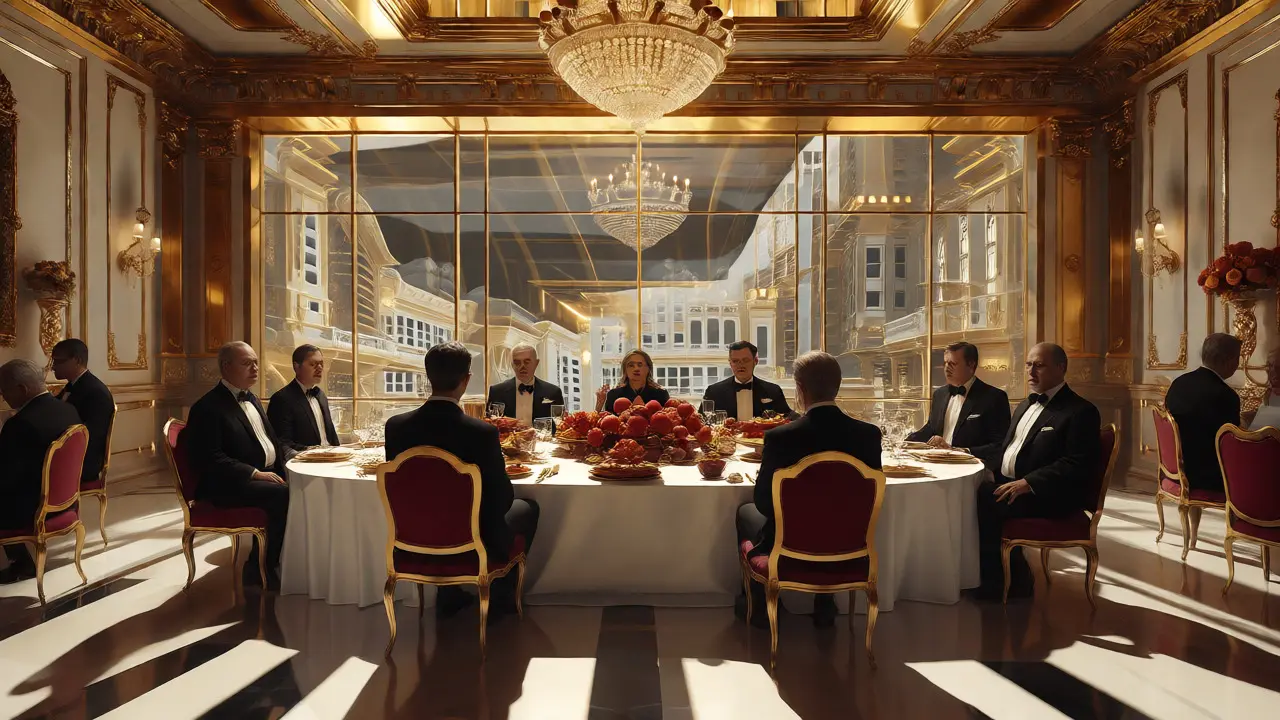
Flip the script. What happens when the focus shifts to the ultra-rich? Often, wealth is portrayed as a corrosive force. Think of Succession (TV, yes, but cinematic in scope) or Triangle of Sadness. Money doesn’t buy happiness; it buys insulation from consequences. Characters become detached from reality, treating human interactions as transactions.
This trope serves a specific psychological function for the audience. It validates the idea that money can’t solve everything. It suggests that while the rich have comfort, they lack authenticity. However, this view can be simplistic. Some films, like The Great Gatsby adaptations, explore the tragedy of the nouveau riche-those who bought their way in but never truly belonged. The nuance lies in whether the film critiques the individual or the system that created them.
Genre as Economic Commentary
You’d think genre wouldn’t matter, but it does. Horror, sci-fi, and comedy all tackle economics differently.
- Horror: Often uses economic anxiety as a monster. In Get Out, the horror isn’t just aliens; it’s the commodification of Black bodies by liberal elites. The threat is being consumed literally and figuratively.
- Sci-Fi: Projects current trends into extremes. Elysium shows a literal separation of classes into orbit vs. Earth. Blade Runner 2049 explores labor exploitation in a post-scarcity illusion.
- Comedy: Uses absurdity to highlight ridiculous disparities. Knives Out satirizes inherited wealth and the entitlement that comes with it, making the audience laugh at the very structures that oppress us.
Each genre offers a different lens. Horror makes you fear economic collapse. Sci-fi warns you of its future trajectory. Comedy helps you cope with its present absurdity.
How to Analyze Class in Any Film
Want to spot these themes instantly? Use this quick checklist next time you watch something.
- Who owns the space? Does the character pay rent, or do they own the home? Who controls the environment?
- What is the relationship to time? Do characters worry about deadlines (labor) or leisure (capital)? Time is money, literally.
- How is food depicted? Is it a source of stress (budgeting) or pleasure (dining out)? Food scarcity is a classic marker of class.
- What is the cost of failure? If the protagonist fails, do they lose a job, or do they starve? The stakes reveal the safety net-or lack thereof.
Applying these questions transforms a casual viewing into a deep dive. You start seeing the invisible lines drawn across the screen.
The Shift in Modern Storytelling
A decade ago, mainstream blockbusters rarely centered on genuine financial struggle. Now, it’s everywhere. Joker wasn’t just about Batman; it was about a man crushed by cuts to social services and the indifference of the wealthy elite. Everything Everywhere All At Once used multiverse chaos to explore generational trauma tied to immigrant economic struggles.
This shift reflects a broader cultural awareness. Audiences are tired of aspirational fantasies where everyone magically solves problems with a checkbook. We want stories that acknowledge the grind. Streaming platforms have fueled this by allowing niche, economically grounded stories to find global audiences. Algorithms might push content, but viewers are choosing empathy over escapism.
| Approach | Film Example | Primary Focus | Audience Takeaway |
|---|---|---|---|
| Social Realism | I, Daniel Blake | Bureaucratic barriers to welfare | Systemic failure causes individual suffering |
| Satirical Absurdism | Triangle of Sadness | Performative wealth and hierarchy | Class roles are arbitrary and fragile |
| Allegorical Horror | Get Out | Exploitation and commodification | Racism and class intersect in bodily autonomy |
| Dystopian Speculation | Elysium | Resource hoarding and segregation | Extreme inequality leads to revolution |
Frequently Asked Questions
Does every movie need a clear class conflict?
No, but most contain implicit economic contexts. Even a romantic comedy relies on characters having the leisure time and disposable income to date. Recognizing these underlying assumptions enriches the viewing experience, even if class isn't the central theme.
How does streaming affect the portrayal of poverty?
Streaming algorithms tend to favor either high-gloss prestige dramas or low-budget indies. This creates a polarization: poverty is either aestheticized (the 'poverty porn' trend) or ignored in favor of aspirational content. However, platforms like Netflix and MUBI have allowed more nuanced, international films focusing on economic hardship to reach wider audiences.
Is 'rich people problems' a valid cinematic genre?
Yes, when handled critically. Films like The White Lotus or Succession use wealth not to celebrate luxury, but to expose the emptiness and moral decay that can accompany unchecked privilege. The genre works best when it contrasts external abundance with internal scarcity.
Why do villains in superhero movies often represent economic systems?
Superhero narratives often simplify complex societal issues into single antagonists. Villains like Thanos (Avengers: Infinity War) or Killmonger (Black Panther) embody resource scarcity and imperialist extraction. They serve as metaphors for the destructive nature of unequal distribution, making abstract economic concepts tangible for a mass audience.
Can comedy effectively address serious economic issues?
Absolutely. Humor lowers defenses, allowing audiences to engage with difficult topics like debt, unemployment, or wage stagnation without feeling overwhelmed. Satire, in particular, uses exaggeration to highlight the absurdity of economic policies, making the critique more memorable and shareable.