When the Academy of Motion Picture Arts and Sciences released its 2026 Oscar shortlists, something stood out-not just which films made it, but who made them. For the first time, every single shortlisted film in the Best International Feature category had a woman as lead producer. In the Documentary category, six of the ten films were directed by people of color. This isn’t luck. It’s strategy. And studios are starting to realize that inclusion isn’t just ethical-it’s essential to winning.
Why Inclusion Is Now a Campaign Requirement
For years, film campaigns ran on buzz, star power, and late-year screenings. But the rules changed after 2020. The Academy updated its membership rules, expanded global outreach, and introduced new eligibility standards for Best Picture. One of them? A diversity metric tied to on-screen representation, behind-the-scenes hiring, and access to training programs. Films now need to meet at least two of four inclusion benchmarks to qualify for Best Picture consideration.That means a movie like The Brutalist-a gritty, character-driven drama with a Latinx lead and a 70% female crew-didn’t just get nominated because it was good. It got nominated because it was built to win under the new system. Studios that ignored these rules in 2024 saw their films get passed over, even when critics loved them. This year, every major studio had an inclusion officer on their Oscar campaign team.
How Shortlists Reveal Campaign Tactics
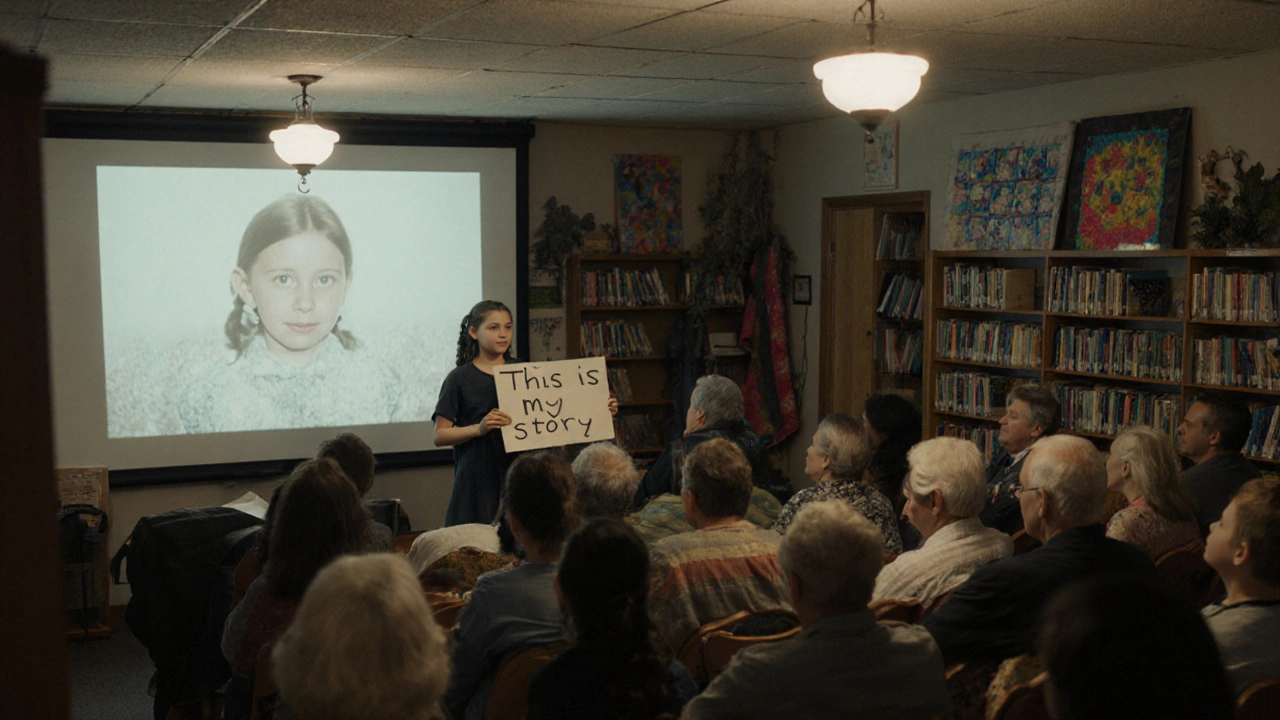
The shortlist isn’t just a preview of nominees. It’s a playbook. Look at the Best Animated Feature shortlist: three of the five films were produced by studios with women in the director’s chair, and all five had at least one lead voice actor from an underrepresented ethnic group. That’s not coincidence. It’s a deliberate signal to Academy voters that these films align with the new values.Smaller studios and indie distributors are using this to their advantage. A film like Little Lights, a quiet coming-of-age story from a rural Appalachian community, didn’t have a big marketing budget. But it did have a cast and crew that reflected the real people in the story. The campaign leaned into that. They hosted community screenings in 12 states, invited local teachers and librarians to join voting members, and tied the film’s release to National Literacy Month. It made the shortlist. And now it’s in the conversation.
On the flip side, big-budget films that ignored representation are fading fast. One major studio spent $18 million promoting a historical epic with an all-white cast and no women in key creative roles. It didn’t make the shortlist. The Academy’s voter survey showed a 68% drop in support from younger and international members compared to 2023. That’s not a fluke. That’s a pattern.
The Real Cost of Ignoring Inclusion
There’s a myth that inclusion is a box to check. It’s not. It’s a lens. Films that treat it as a checkbox end up feeling performative. Voters notice. They can tell when a Black character is added for optics but given no arc. When a disabled actor is hired but the script never acknowledges their experience. When a woman is listed as producer but has no creative input.The 2026 shortlists show the opposite: inclusion that’s baked in. In Out of the Silence, a deaf composer is the protagonist, and the entire sound design was crafted by deaf artists. The film didn’t just win awards-it changed how studios think about accessibility in post-production. That kind of authenticity builds momentum. It gets word-of-mouth traction. It turns voters into advocates.
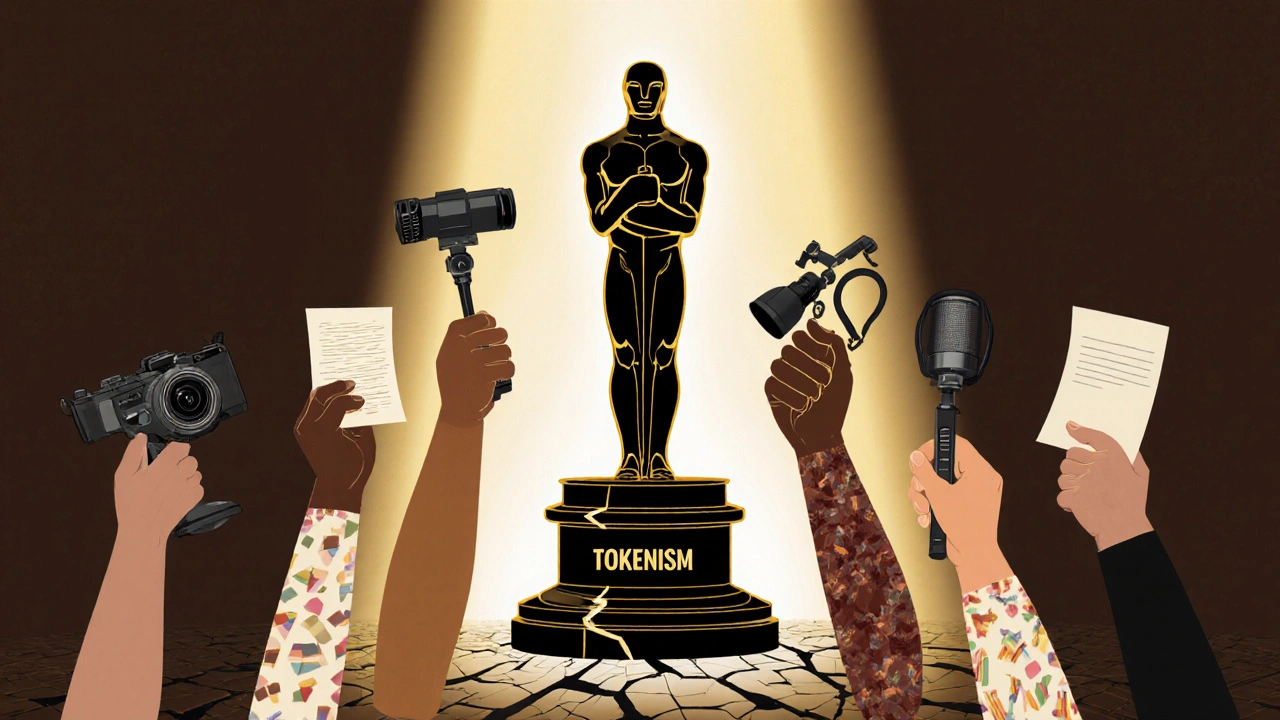
Meanwhile, studios that still treat inclusion as a PR stunt are losing ground. A recent internal survey from a major distributor found that 73% of Academy voters aged 30-45 said they’d vote against a film they perceived as “tokenizing” diversity. That’s not a small group. That’s the voting bloc that’s growing the fastest.
What Campaigns Are Doing Differently in 2026
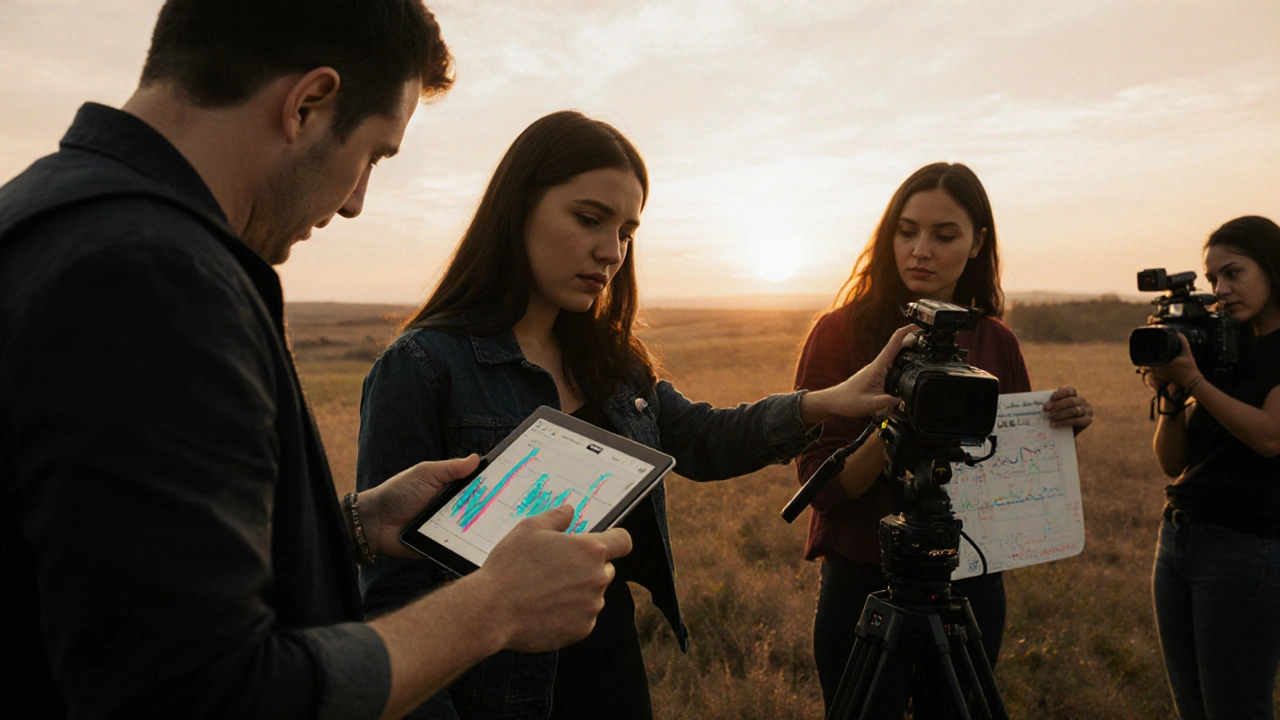
The most successful campaigns this year didn’t just hire diverse talent-they restructured how they worked. Here’s what’s working:- Early inclusion audits: Before casting even begins, teams run a representation analysis of the script, crew structure, and production locations. If the story is set in Mexico City, is the crew 50% Mexican? If it’s about a trans teen, is there a trans consultant on set from day one?
- Community-led outreach: Instead of just sending screeners to voters, campaigns are partnering with cultural organizations-Black Film Collective, Asian American Writers’ Workshop, Indigenous Media Alliance-to host Q&As, panels, and voting workshops. These aren’t PR events. They’re relationship-builders.
- Transparency in hiring: Films now publicly list their crew diversity stats. Not because they have to, but because it builds trust. One indie film shared its breakdown: 62% women, 41% BIPOC, 15% LGBTQ+. That transparency became part of its marketing. Voters felt like they were supporting real change, not just a movie.
- Training pipelines: Studios are investing in apprenticeships for underrepresented groups. One studio partnered with a HBCU to train 20 students in cinematography. Three of them worked on the Oscar-shortlisted film that came out of that program. That’s not charity. That’s talent development with ROI.
What’s Still Missing
Don’t get it twisted. Progress isn’t perfect. The shortlists still skew toward English-language films. Only two non-English films made the Best Picture shortlist. Disability representation remains shockingly low-only one shortlisted film featured a disabled actor in a leading role. And while women are better represented behind the camera, they still hold only 31% of top creative roles across all shortlisted films.Also, inclusion is still mostly about race and gender. What about neurodiversity? Socioeconomic background? Rural communities? These are still afterthoughts in most campaigns. The Academy’s metrics don’t yet measure them. But voters are starting to ask.
One voter from rural Kansas told a reporter: “I saw a film about a family struggling with food insecurity. The mom worked two jobs. The kid had a backpack full of free lunches. That was my life. I didn’t see that in a movie until now. That’s why I voted for it.” That’s the kind of connection inclusion creates when it’s real.
The New Rules of Winning
The Oscars aren’t just about art anymore. They’re about alignment. Voters now want to feel like their values are reflected on screen-and behind the scenes. A film can have the best script, the best performances, the best cinematography. But if it doesn’t reflect the world we live in, it won’t win.The shortlists prove it. The films that made it didn’t just have diverse casts. They had diverse teams. Diverse stories. Diverse ways of telling those stories. They didn’t wait for the Academy to ask them to change. They changed first. And now they’re the ones standing on stage.
If you’re running a film campaign in 2026, here’s your new checklist:
- Does your film meet at least two of the Academy’s inclusion standards?
- Are your key creatives-director, writer, DP, editor-representative of the story’s world?
- Have you partnered with communities outside your usual network to amplify your film?
- Can you point to specific hiring decisions that reflect inclusion-not just diversity?
- Are you measuring the impact of your campaign beyond box office numbers?
Winning isn’t about who you know anymore. It’s about who you include.
Do inclusion standards really affect Oscar chances?
Yes. Since 2024, films must meet at least two of four inclusion benchmarks to qualify for Best Picture. Even if a film doesn’t make the final ballot, failing to meet these standards reduces visibility, limits access to voter screenings, and weakens campaign momentum. Films that meet the standards are more likely to be promoted by the Academy and recommended by voting blocs.
Can a film with no diversity win Best Picture?
Technically, yes-if it meets the eligibility rules. But in practice, it’s nearly impossible. The Academy’s voter base has shifted dramatically. Over 60% of new members since 2020 are from underrepresented groups. Films that ignore inclusion are being passed over in favor of those that reflect a broader range of experiences. The 2026 shortlists show a clear pattern: inclusion is now a prerequisite for serious contention.
How do indie films compete with big studios on inclusion?
Indie films often win because they’re more authentic. Big studios sometimes add diversity as a checkbox. Indies build it into the DNA of the project. A small film with a local cast, real community input, and crew from the region often resonates more with voters than a glossy production with token hires. Authenticity beats optics every time.
Is inclusion just a trend, or is it permanent?
It’s permanent. The changes aren’t just policy-they’re generational. The Academy’s membership is now 53% under 40. These voters grew up with diverse storytelling. They don’t want to go back. Studios that treat this as a temporary shift will be left behind. Those who embed inclusion into their production DNA will thrive for years to come.
What should filmmakers do if their project doesn’t fit the inclusion criteria?
Reframe the project. Ask: Who’s missing from this story? Can you bring in consultants from underrepresented communities? Can you hire crew from local talent pools? Even small changes-like casting a non-binary actor in a supporting role or adding a cultural advisor-can make a difference. The goal isn’t to force diversity where it doesn’t belong. It’s to ensure the story reflects the world it’s set in.



Comments(8)