Watching a documentary about someone’s life isn’t just about learning facts-it’s about feeling what they felt. For LGBTQ+ people, many of these stories were buried, ignored, or twisted by mainstream media. The best LGBTQ+ documentaries don’t just show us what happened-they make us understand why it mattered.
Stonewall Uprising (2021)
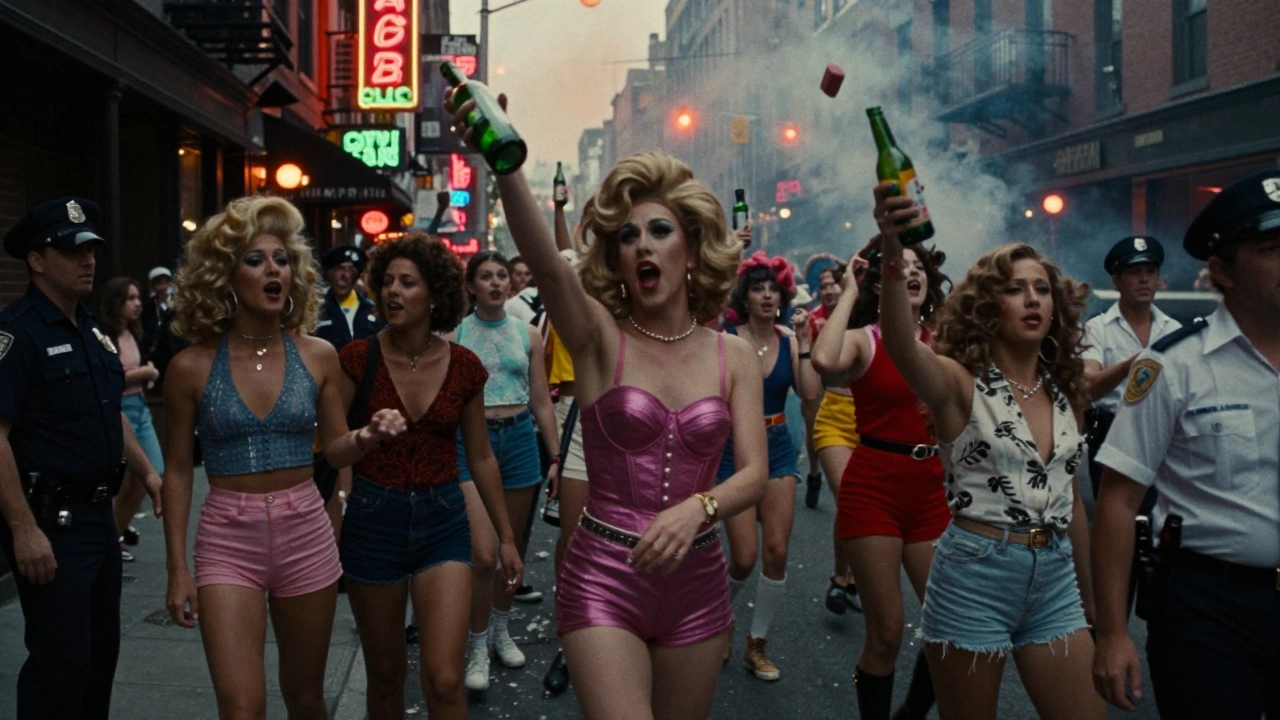
This film doesn’t just retell the 1969 Stonewall riots. It lets the people who were there speak. Former police officers, activists, drag queens, and street youth describe the nights when they fought back against raids that targeted queer bars. One woman, now in her 70s, recalls how she threw a bottle at a cop and felt free for the first time. The footage is grainy, the audio crackles, but the anger, joy, and exhaustion are raw. Unlike dramatized versions of Stonewall, this documentary avoids heroes and villains. It shows a community that had nothing to lose-and chose to stand up anyway.
Paris Is Burning (1990)
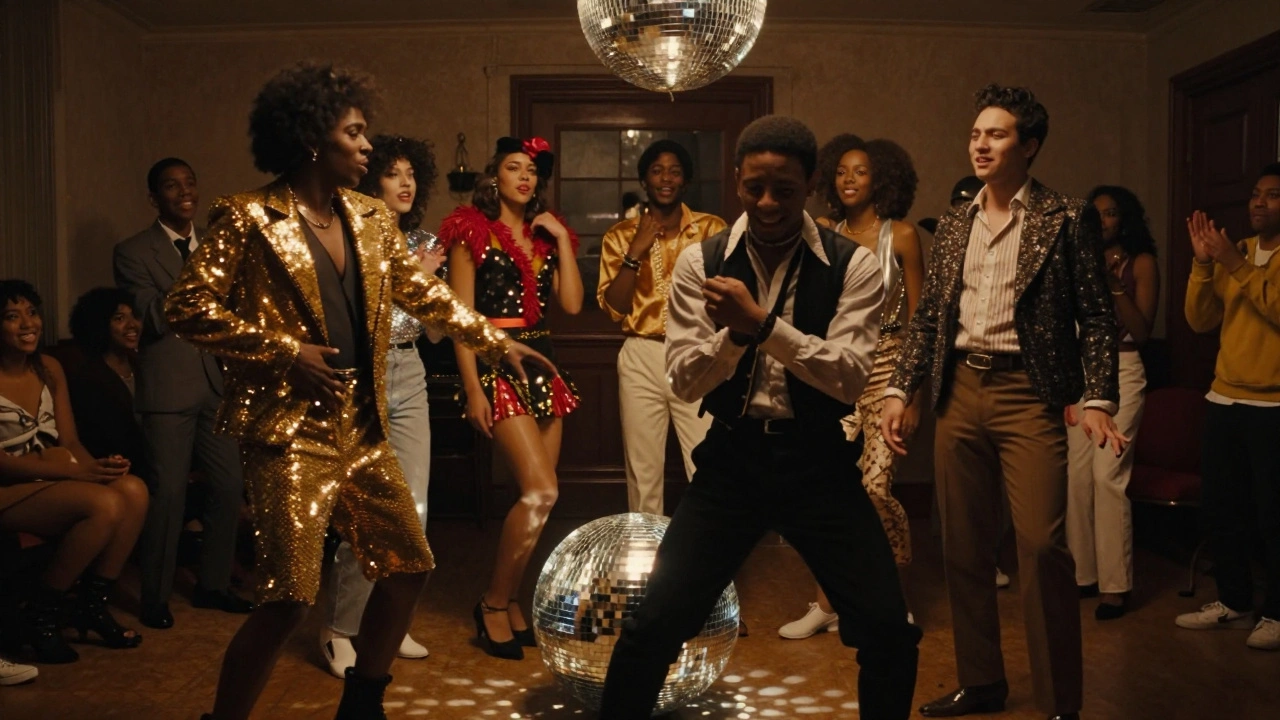
Before ball culture went viral on Instagram or inspired TV shows, Jennie Livingston filmed it in the late 1980s. This isn’t just about fashion or dancing. It’s about survival. Black and Latino queer youth, many of them homeless, created families called "houses"-chosen kinship networks where they could earn respect, love, and sometimes money through dance competitions. The film captures voguing as an art form born from exclusion. One participant says, "I want to be real. But the world won’t let me be real. So I create a version of real that I can live in." The film’s impact is still felt today in fashion, music, and dance. It’s not nostalgia-it’s a blueprint for resilience.
The Death and Life of Marsha P. Johnson (2017)
Marsha P. Johnson was a Black transgender activist and a key figure at Stonewall. She was found dead in the Hudson River in 1992. Police called it a suicide. Her friends knew better. This documentary follows activist David France as he digs into her death, uncovering a cover-up that mirrors how often trans lives are dismissed. Interviews with people who knew Marsha show her as a fierce protector of homeless queer youth. The film doesn’t just ask who killed her-it asks why no one cared enough to find out. It’s a haunting reminder that trans lives, especially Black trans lives, are still treated as disposable.
Disclosure (2020)
How many times have you seen a trans person on screen-only to realize they were played by a cis actor, portrayed as a villain, or reduced to a punchline? Disclosure breaks that cycle. It features trans actors, writers, and directors-Laverne Cox, Chloë Grace Moretz, and Janet Mock among them-talking about how Hollywood shaped public perception of trans people. One scene shows a clip from the 1991 film The Crying Game, where the reveal of a trans character is treated as a shocking twist. A participant says, "That moment taught a generation that being trans is something to be afraid of." The film doesn’t just criticize-it shows how trans creators are rewriting those stories today.
Boyhood (2014) - Wait, That’s Not a Documentary
No, it’s not. But you’ve probably heard it mentioned alongside LGBTQ+ docs. Let’s be clear: Boyhood is fiction. Real LGBTQ+ documentaries don’t rely on actors. They rely on truth. And truth is messy. It’s not always polished. It’s not always comfortable. That’s why these next films matter even more.
The Aggressives (2005)
In New York City in the early 2000s, a group of young Black and Latino queer people identified as "aggressives"-a term for butch, masculine-presenting women who often dated femmes. This film follows five of them as they navigate love, violence, poverty, and identity. One subject, Kisha, says, "I don’t care if people think I’m a man. I care if they think I’m a person." The film doesn’t romanticize their lives. It shows them dealing with police harassment, family rejection, and the emotional toll of living outside gender norms. It’s rare to see this side of queer life-where survival isn’t about pride parades, but about waking up every day and choosing to keep going.
Gay Chorus Deep South (2019)
When the San Francisco Gay Men’s Chorus planned a tour through the American South in 2017, they knew it wouldn’t be easy. Some towns had passed laws banning LGBTQ+ content in schools. Some churches preached hate. But the chorus went anyway. The film follows them as they perform in churches, schools, and community centers. One moment stands out: a teenage girl in Mississippi, who had never met an openly gay person before, tells the choir she’s starting a Gay-Straight Alliance. The conductor says, "We’re not here to convert anyone. We’re here to remind them they’re not alone." It’s not flashy. No explosions. No dramatic reveals. Just voices singing in a place where silence was the norm.
How to Survive a Plague (2012)
In the 1980s and early 90s, AIDS killed tens of thousands of gay men. The government ignored them. The media called it "the gay plague." But a group of activists-many of them dying-fought back. They stormed FDA offices. They hacked drug trials. They forced drug companies to lower prices. This film uses home video, news clips, and personal letters to show how ordinary people became extraordinary leaders. One activist, Peter Staley, says, "We didn’t wait for permission. We took what we needed." The result? Life-saving treatments. The lesson? Change doesn’t come from waiting. It comes from refusing to be silent.
Trans in America: Texas (2022)
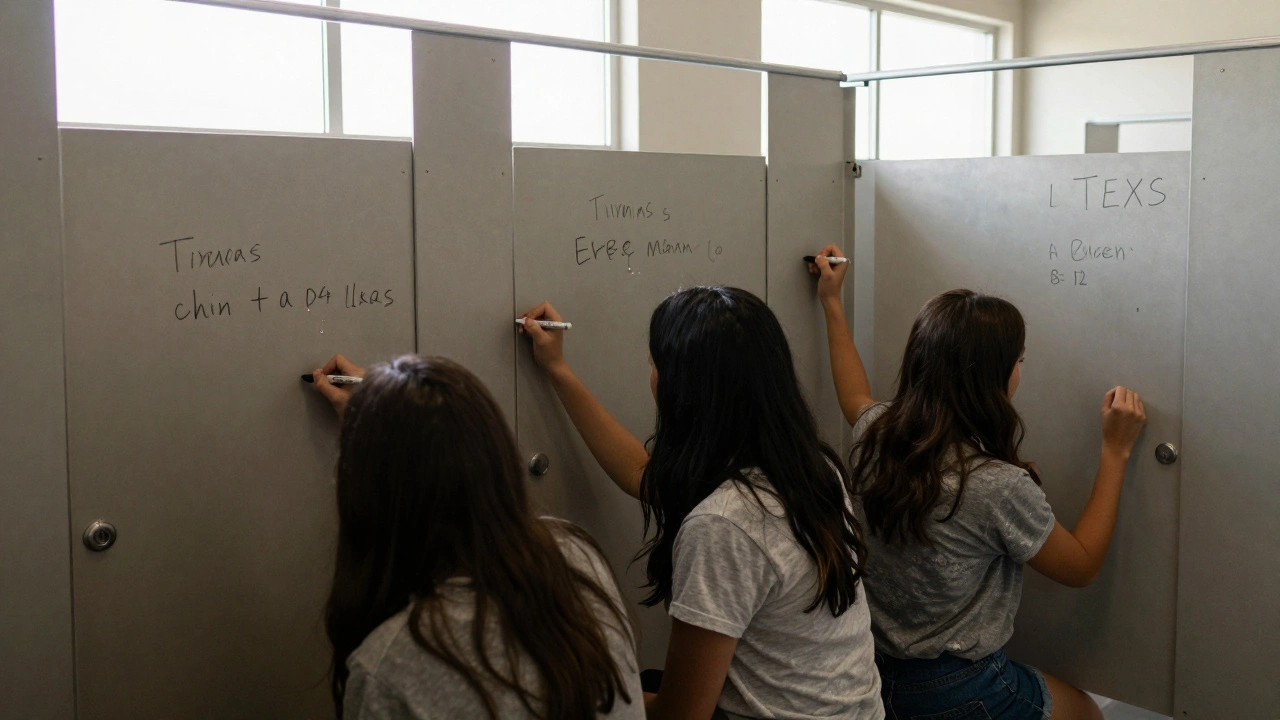
As anti-trans bills flooded state legislatures in 2021 and 2022, this short but powerful film follows three trans youth in Texas. One is a 15-year-old who can’t use the bathroom at school without permission. Another is a 17-year-old whose parents cut off their support after they came out. The third is a 19-year-old who moved to Austin to escape harassment. The film doesn’t use voiceovers or experts. Just their words. One says, "They say I’m a threat to children. But I’m just trying to live." The camera lingers on their hands as they write their names on bathroom stalls-something they do to leave a mark, to say, "I was here."
Why These Films Matter Now
These aren’t just movies. They’re archives. They’re proof. They’re the stories that didn’t make it into textbooks. In 2026, with LGBTQ+ rights under renewed legal pressure in many states, these films are more than entertainment-they’re tools. They show us how communities built safety when the world refused to offer it. They show us that visibility isn’t enough. It’s action, resistance, and love that change things.
What to Watch Next
If these films moved you, here are a few more to explore:
- The Celluloid Closet (1995) - How Hollywood coded queer characters for decades
- My Name Is Andrea (2022) - The life of feminist activist Andrea Dworkin
- Out of the Past (2023) - Black lesbian elders in rural Alabama
- Queer Japan (2020) - LGBTQ+ lives across Japan’s cities and towns
- Transgender Kids: Who Decides? (2021) - The real stories behind the headlines
Don’t watch these films once and move on. Watch them with someone. Talk about them. Share them. The stories in these films didn’t happen in the past-they’re still happening now, in towns you drive through, in schools your nieces and nephews attend, in hospitals where trans people still wait for care.
Are these documentaries available on streaming platforms?
Yes. Most are on major platforms like Hulu, Amazon Prime Video, Apple TV+, and Kanopy (free with a library card). Stonewall Uprising and Paris Is Burning are on Hulu. Disclosure and How to Survive a Plague are on HBO Max. The Aggressives and Gay Chorus Deep South are on Amazon Prime. Some are harder to find-check your local library’s digital collection. Many libraries offer free access to independent films.
Are these films appropriate for teens?
Most are, but with context. Paris Is Burning and Stonewall Uprising are suitable for teens 14 and up. The Death and Life of Marsha P. Johnson and Trans in America: Texas include discussions of violence and suicide. Watch them together. Use them as a starting point for conversation. Teens need to see real stories-not just sanitized versions. These films help them understand that being LGBTQ+ isn’t a trend-it’s a lived reality for millions.
Why are there so few documentaries about LGBTQ+ people of color?
Because funding, distribution, and access have always favored white voices. For decades, film grants went to cis white directors. Queer people of color had to fund their own projects, often with no support. That’s changing. Films like The Aggressives, Trans in America: Texas, and Out of the Past are proof. But there’s still a gap. Seek out filmmakers of color. Support their work. Demand more.
Can these documentaries change someone’s mind about LGBTQ+ people?
They can. Not by arguing. But by showing. A 2021 study from the University of California found that people who watched personal stories of trans individuals were 37% more likely to support trans rights afterward. The key? The stories had to feel real-not like a PSA. These films work because they show people as whole humans, not as issues. You can’t hate someone when you’ve seen their laughter, their fears, their dreams.
Where can I find more LGBTQ+ documentaries?
Start with the LGBTQ+ Film Festival Circuit. Events like Frameline (San Francisco), Outfest (Los Angeles), and the New York Lesbian, Gay, Bisexual, & Transgender Film Festival showcase new work. Many stream online. Also check out the Queer Screen archive, the Criterion Channel’s LGBTQ+ section, and the website Documentary.org, which curates a list of LGBTQ+ docs each year. Libraries often host free screenings too.



Comments(7)