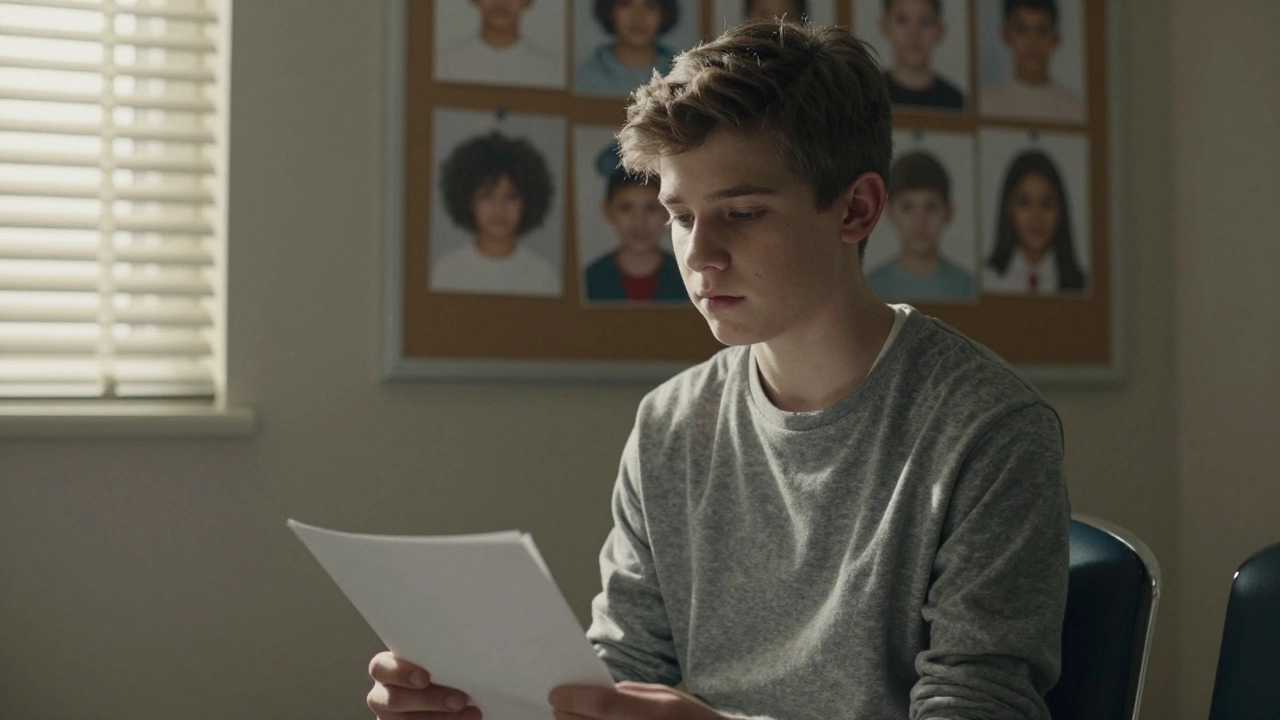
When a child actor hits their mid-teens, something shifts. The roles dry up. The people who cast them stop seeing them as the sweet kid from last year’s hit movie. Suddenly, they’re too old for the part they just played-and too young for the parts they’re being asked to audition for. This is the gap no one talks about until it’s too late. Hundreds of child stars face this every year. Most don’t make it through. But some do. And the ones who do? They didn’t just get lucky. They had support.
The Breakdown: Why Child Actors Struggle to Transition
It’s not about talent. It’s about perception. Casting directors don’t suddenly stop believing in a 14-year-old because they’re bad actors. They stop seeing them as viable because their face no longer fits the mold. A child who played a 10-year-old in a family comedy at age 8 becomes a 13-year-old who looks 16. But studios still want the same look. The same voice. The same innocence. And when that’s gone, the roles vanish.
Look at the data. According to the Screen Actors Guild’s 2023 report, 72% of child actors who landed major roles before age 12 never booked another film role after turning 18. That’s not because they quit. It’s because they weren’t given the tools to evolve.
Many of these teens are trapped in a cycle. They’ve spent years being told they’re ‘the next big thing.’ Now, they’re told they’re ‘too young’ for adult roles and ‘too old’ for child roles. No one tells them how to build a new identity on screen. No one teaches them how to audition differently. No one prepares them for the fact that their voice will drop, their body will change, and their emotional range needs to expand.
What Actually Works: Real Strategies That Help
There are no magic formulas. But there are proven steps. Families, agents, and coaches who help teens make this shift don’t just push them into drama classes. They build a roadmap.
- Start early: Between ages 14 and 15-not 17-is when the real prep needs to begin. That’s when puberty hits hardest and casting windows start closing. Teens who start working on adult-style auditions by 15 have a 3x higher chance of booking roles after 18.
- Shift from ‘cute’ to ‘complex’. A child actor might have been praised for being ‘sweet’ or ‘quirky.’ That won’t work for a role in a psychological thriller or a coming-of-age drama. They need to learn how to convey inner conflict, not just smile on cue. Acting coaches who specialize in teen transitions focus on subtext, stillness, and emotional restraint-not big gestures.
- Build a new reel. The reel that got them the role at age 10 is useless now. A 16-year-old needs a reel that shows range: quiet intensity, vulnerability under pressure, authority in a room. One coach in Los Angeles told me she’s seen 12 teens in the past year who booked roles after scrapping their old reels and shooting three new scenes that showed them as adults-in-waiting.
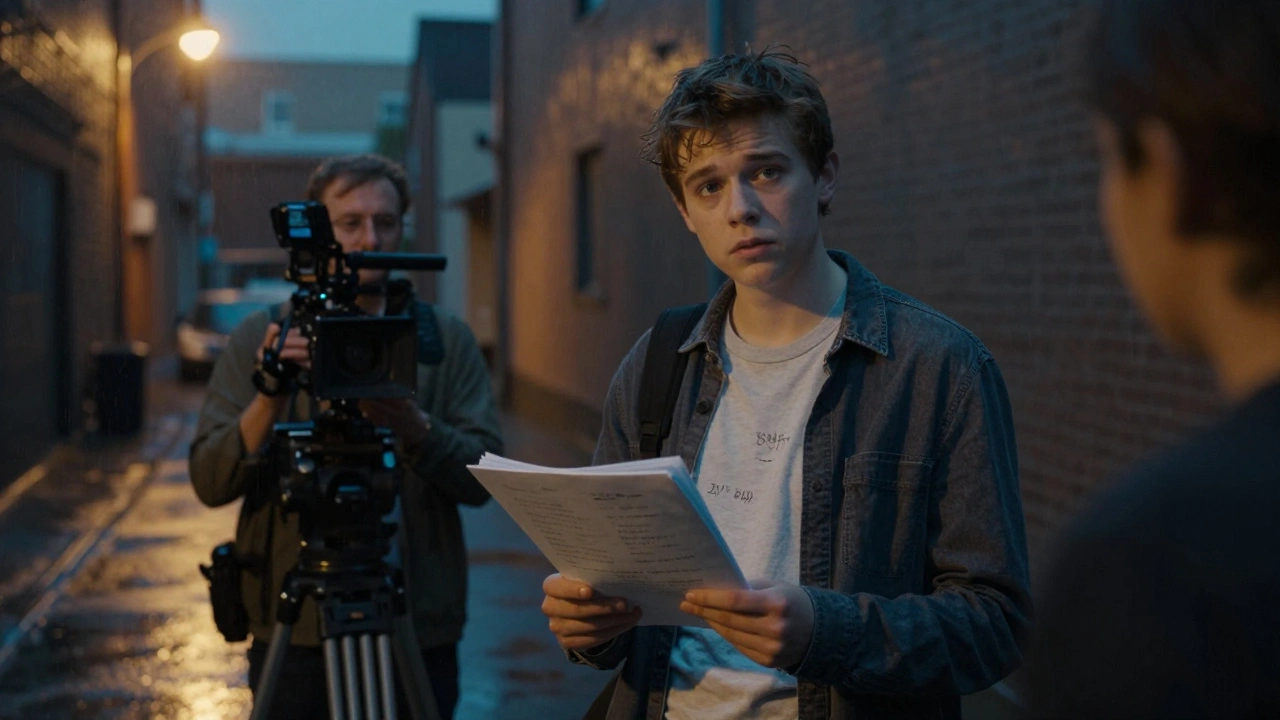
- Work with writers. Some teens start writing their own short films. Others collaborate with indie filmmakers on micro-budget projects. These aren’t just credits-they’re proof they can carry a film. One actor, now 20, booked a lead in a Sundance-winning film after starring in a 12-minute indie he wrote with his drama teacher.
Family Support: The Hidden Key
Parents aren’t just chauffeurs anymore. They’re career strategists. The families who get this right don’t panic when roles disappear. They reframe the situation.
One mother I spoke with-her daughter starred in a Netflix series at age 11-started taking her to theater workshops in New York every summer. She didn’t push for auditions. She pushed for growth. They visited off-Broadway plays. They met stage actors who’d made the transition. They talked about how actors like Saoirse Ronan and Timothée Chalamet shifted their careers. The daughter didn’t get her next film role until she was 17. But when it came, it was a lead in a critically acclaimed drama. Not because she looked like a teenager. Because she acted like one.
What separates these families? They stop measuring success by how many roles their child books. They measure it by how much their child understands about storytelling, character, and emotional truth.
Industry Changes Are Helping-But Slowly
The industry is waking up. Streaming platforms don’t need child actors to carry a whole season anymore. They need actors who can play teens with depth. Shows like Stranger Things and My So-Called Life rebooted the idea that teenage characters can be complex, flawed, and compelling.
Some agencies now have ‘teen transition teams.’ They don’t just send out headshots. They offer voice coaching, movement training, and script analysis sessions designed for teens whose bodies and voices are changing. One agency in Atlanta started a mentorship program pairing former child stars with current teens. The results? A 40% increase in booking rates among participants over two years.
But the biggest change? More directors are casting real teens-not adults pretending to be teens. That’s huge. A 17-year-old who’s lived through high school drama can portray it better than a 25-year-old trying to remember what it felt like. Studios are finally realizing authenticity beats polish.
What to Avoid: Common Mistakes
Not all advice is good advice.
- Don’t force them into dramatic roles. Pushing a quiet, introspective teen into explosive, angry characters just because it’s ‘adult’ doesn’t work. It feels fake. The best roles come from who they are-not who someone thinks they should be.
- Don’t rush the transition. Some parents panic and pull their kids out of school to chase auditions. That’s a mistake. Education isn’t a distraction-it’s fuel. Teens who stay in school have more emotional grounding. They read more. They talk to more people. That shows up on screen.
- Don’t ignore mental health. The pressure to ‘make it’ as a teen actor is crushing. Depression, anxiety, and identity loss are common. Therapy isn’t optional. It’s part of the career plan.

Success Stories: Who Made It-and How
Emma Watson didn’t become Hermione because she looked like a child. She became Hermione because she learned how to carry weight. By 15, she was reading philosophy, studying Shakespeare, and working with dialect coaches. She didn’t wait for the next Harry Potter movie. She built a foundation.
Zendaya didn’t wait for Disney to give her adult roles. She started doing indie films and theater while still on Shake It Up. She took roles that challenged her-like playing a teen in foster care in Euphoria. That role didn’t come because she was young. It came because she was ready.
These aren’t outliers. They’re examples of what happens when preparation meets opportunity.
Where to Start: A Simple 6-Month Plan
If you’re a teen actor or a parent of one, here’s a realistic path:
- Month 1-2: Audit your reel. Remove anything that shows you as a child. Shoot three new scenes-one quiet, one intense, one with dialogue that reveals inner conflict.
- Month 3: Find an acting coach who specializes in teen transitions. Not just any coach. One who’s worked with actors who’ve made this jump.
- Month 4: Enroll in a writing or theater class. Learn how stories are built. You don’t need to be a writer-but you need to understand structure.
- Month 5: Attend one indie film festival. Watch how real teens act on screen. Talk to the actors afterward. Ask how they got their first adult role.
- Month 6: Submit to one youth-focused film contest or short film project. Don’t wait for Hollywood. Build your credibility where you can.
This isn’t about becoming famous. It’s about becoming an actor who can survive.
Final Thought: It’s Not About Being a Star-It’s About Being an Artist
The goal isn’t to be the next big child star. The goal is to be an actor who can keep working. That means learning to adapt. To grow. To be uncomfortable. To be real.
Child actors aren’t broken when they turn 16. They’re evolving. And with the right support, they don’t fade out. They step into roles that matter-roles that reflect who they’ve become, not who they used to be.
At what age should a child actor start preparing for adult roles?
The best time to start is between 14 and 15. That’s when physical changes from puberty begin to affect casting possibilities. Starting early gives teens time to develop new skills, rebuild their reel, and learn how to audition for adult characters without rushing or forcing it.
Do child actors need to go to college to transition successfully?
No, college isn’t required, but staying in school during the transition helps. Teens who continue their education tend to have better emotional resilience, broader perspectives, and stronger communication skills-all of which improve their acting. Many successful actors who transitioned well, like Emma Watson and Timothée Chalamet, balanced school with their careers.
Can a teen actor still get child roles after turning 16?
Sometimes, but rarely. Most casting calls for teens aged 13-16 are for characters who look and act like they’re 13-15. By 16, most actors are considered too old for those roles unless they have a very youthful appearance. The focus should shift to teen and adult roles, not holding onto child parts.
What kind of roles should teen actors aim for?
Aim for roles that reflect real teenage experiences: coming-of-age stories, high school dramas, social issue films, or complex family narratives. Avoid roles that feel forced or overly dramatic. The most compelling teen characters are those with quiet depth, not loud outbursts. Look for scripts where the character’s internal world matters more than the plot.
Is it too late for a 17-year-old to transition?
No, but it’s urgent. At 17, the window is narrowing, but not closed. Many actors have landed their first adult roles at 18 or 19. The key is to act fast: update your reel, find a specialized coach, and start applying to youth-focused indie projects. A strong performance in a short film can open doors faster than years of waiting.







Comments(9)