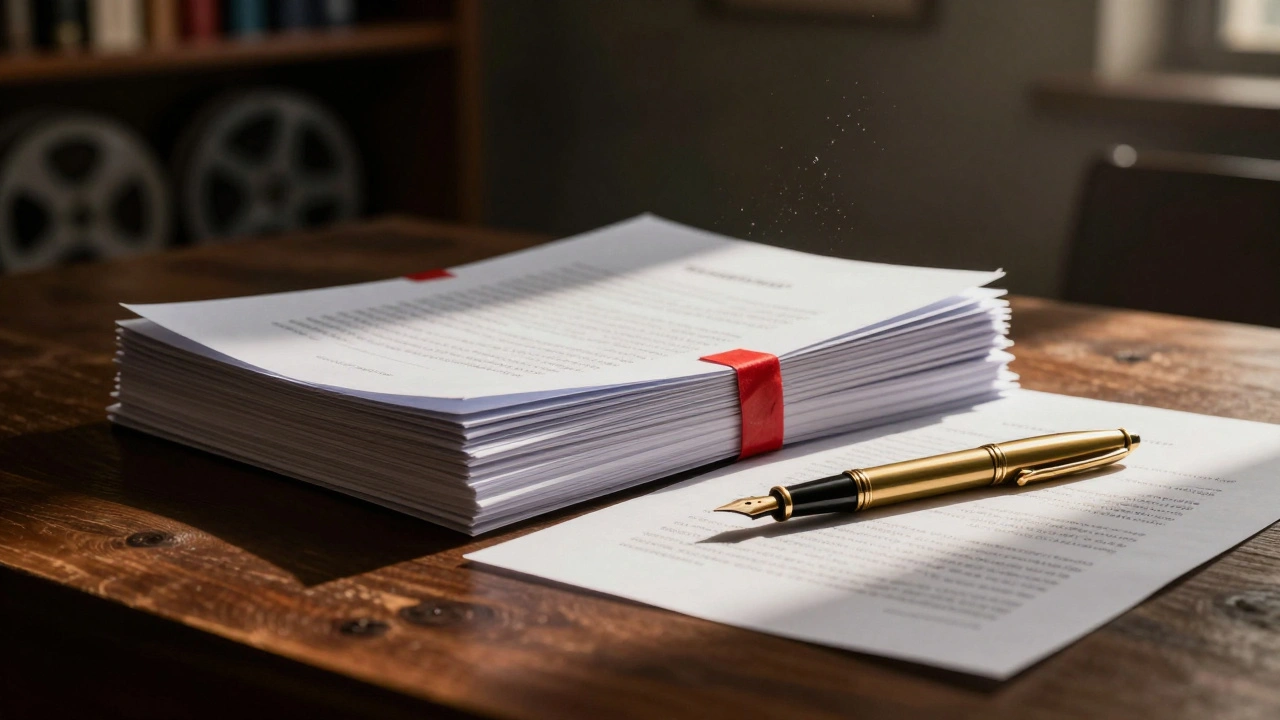
Imagine you’ve found the perfect screenplay. It’s got everything: a killer hook, memorable characters, and a budget-friendly setting. But you can’t just pick up the phone and greenlight production. Until you own the rights, that script isn’t yours to build. This is where the tension begins between A producer who needs security and The creative owner of the work. Without a formal contract, your millions could be spent on a project that suddenly becomes legally impossible to shoot.
This is the job of an Option Agreement. A legal instrument that gives a producer exclusive rights to develop a script for a set time, usually in exchange for a small payment. Think of it as leasing a house. You don’t own it yet, but you have the exclusive right to live there and decide whether to buy it later. In Hollywood, this mechanism protects both parties from wasting time and money.
The Anatomy of an Option Deal
When you sit down at a table to discuss purchasing rights, the conversation inevitably centers on specific terms. While every deal feels unique because art is subjective, the mechanics remain standardized across the industry. Let’s break down what actually makes up this contract so you know what you’re signing.
At its core, an agreement has three distinct pillars. First, there is the Option Fee. An upfront payment to secure the rights temporarily. Second, there is the Purchase Price. The total cost to buy the script outright. Third, the Option Period. The timeframe during which the producer can prepare the movie. If you ignore any of these, the deal falls apart.
Say a producer wants your spec script. They might offer $1,000 for a twelve-month option. That fee is non-refundable and stays with the writer even if the producer never buys the script. However, if they want to move forward within that year, the price is locked in. This prevents inflation from skyrocketing the cost later on. It creates certainty.
Navigating Financial Terms and Percentages
Money talks, and in the world of development, the math needs to be precise. Writers often ask how much their work is worth. There is no fixed price list because scripts are unique assets. However, industry veterans look at ratios to determine fairness. A common rule of thumb for independent films suggests the option fee should be around 5% to 10% of the total purchase price.
| Term | Typical Range (Indie) | Typical Range (Major Studio) | Purpose |
|---|---|---|---|
| Option Fee | $1,000 - $10,000 | $10,000 - $50,000+ | Compensation for time exclusivity |
| Purchase Price | $25,000 - $100,000 | $200,000 - $500,000+ | Outright transfer of rights |
| Reversion Period | 90 days post-option expiry | Often negotiable | Window before rights return to writer |
You might notice that major studios operate on a different scale than indie filmmakers. Why? Because their overhead for development teams and legal review is significantly higher. When dealing with a studio, the fee reflects the risk of their resources being dedicated to you rather than another project. For a smaller producer, cash flow is king. They often push for lower fees because every dollar saved keeps the project alive longer.
It is crucial to distinguish between compensation and guarantees. An option fee guarantees nothing about production starting. If you sign away your rights for six months, the producer could simply let the clock run out. They lose nothing except the fee. You lose the opportunity to sell elsewhere. This is why negotiation tactics matter.
Why Writers Need Exclusivity Clauses
There is a specific danger writers face when agreeing to an option. It’s called the "black hole." The producer takes your script, shoves it in a drawer, and uses the agreement to stop you from shopping it around. Six months pass. The producer hasn’t raised money. Then another buyer wants to talk. Too late. Your script was effectively off the market for nothing.
To fight this, authors insist on strict deadlines and notification requirements. If the producer is selling the script to other financiers during the option period, they must inform you. Some agreements even allow for the option to lapse immediately if the producer attempts to assign the agreement to a third party without your consent. This clause is vital.
Copyright Law. Protects original works of authorship including literary scripts.Remember, you do not lose ownership of the script until the option is exercised. That is the point of the deal. Until then, you hold the copyright. If the producer doesn't exercise the option within the timeline, those rights automatically revert to you. It is essential to check the language surrounding reversion. Does it happen instantly on day one after the period ends? Or does the producer get a "tailgate" period where they still control sales?

Extensions: When Time Runs Out
Development takes time. Often, more time than anticipated. Funding falls through, casting changes, or locations become unavailable. This leads to extension clauses. These are essentially renewals of the option period. If the producer wants more time, they have to pay an additional extension fee.
This tiered payment structure incentivizes movement. Instead of locking a script up forever for pennies, the producer pays more for extra months. This ensures the writer continues getting paid for the loss of freedom. Typically, extension fees increase with each renewal-perhaps doubling after the first expiration.
Producers love extensions because they provide leverage. If a project is nearing completion but the budget isn't fully secured, an extension keeps them safe from losing their asset. However, writers must cap these. Unchecked extension rights mean a script could be trapped indefinitely. Always negotiate a "hard end date" where rights return regardless of further payment.
Territory and Rights Considerations
A script is not a single product. It is a bundle of potential rights. World-wide feature film distribution is the primary goal, but what about television rights? Stage rights? Merchandising? The option agreement must clearly define the scope. You cannot sell the same rights twice.
Territory Restrictions. Geographic limitations on distribution rights.For example, maybe you grant North American rights but retain international rights. Or perhaps the producer gets the film version, but the underlying book remains separate. Specificity prevents lawsuits. Ambiguous contracts lead to expensive litigation later. It is better to be boringly precise now than embroiled in court years later.
The Exercise of the Option
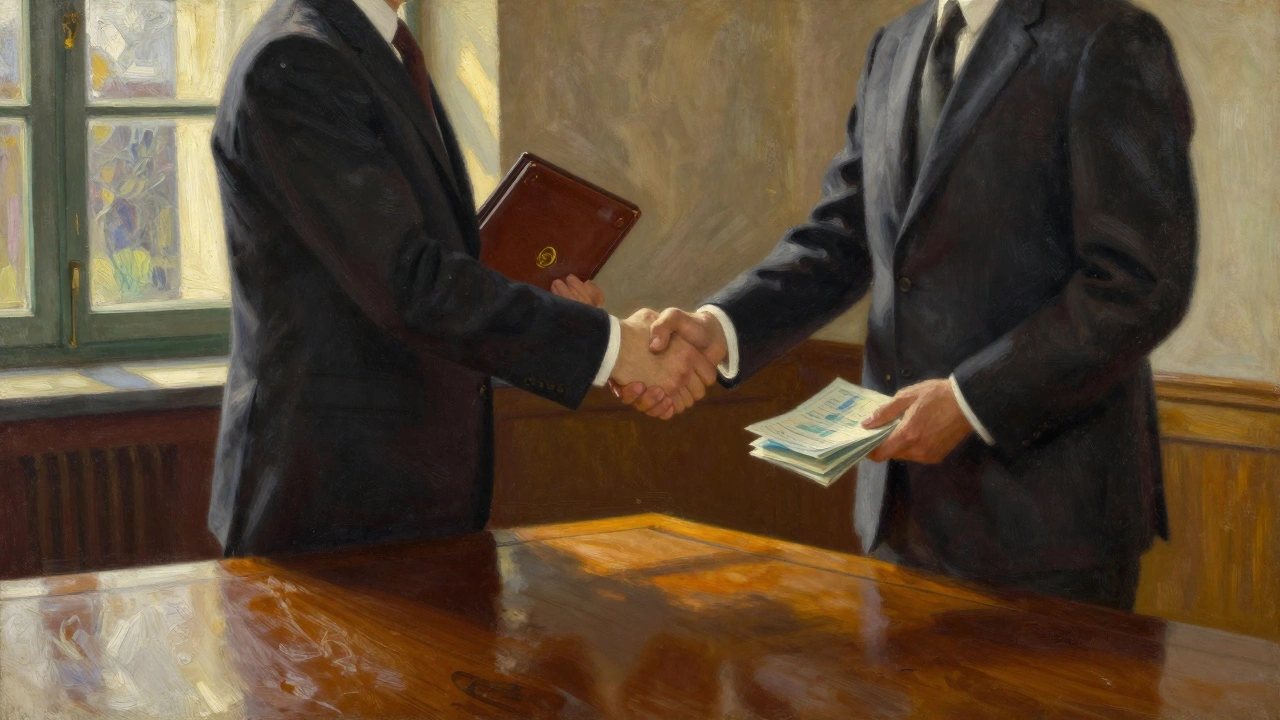
So, what happens when the clock ticks down and the producer decides to go ahead? They must notify you in writing that they are exercising the option. This trigger starts the countdown for the Purchase Price payment. Most standard contracts require payment within seven to thirty days of notice.
If they fail to pay within that window, the option lapses back to you. This puts pressure on the producer to have financing lined up before they commit. It prevents scenarios where a producer says "yes," signs the deal, and then drags out payment negotiations for months. Cash transfers ownership. The moment that check clears, you receive the credit, and the chain of title becomes clean for production.
Common Pitfalls to Avoid
Newcomers often misunderstand the gravity of these contracts. One mistake is treating an option like a free consultation. Sometimes producers ask for "shopping periods" or "development drafts" included in the initial fee. If you are asked to rewrite the script during the option period without additional pay, read the fine print.
You are selling the right to buy, not necessarily the labor to improve it. However, collaboration is part of filmmaking. If the deal includes a "revision fee" or an obligation to consult, it should be compensated separately. The last thing you want is to hand over your life's work for a thousand dollars, spend six months rewriting based on notes, and then watch them walk away.
Frequently Asked Questions
Is an option agreement the same as selling the rights?
No, an option agreement is a promise to sell later. Selling the rights means the purchase price is paid immediately, and ownership transfers instantly. An option gives the buyer a conditional right to purchase within a specific timeframe.
Who keeps the copyright during the option period?
You, the writer, retain full copyright ownership until the option is exercised (bought). The producer only owns the temporary right to negotiate an exclusive purchase.
What happens if the producer never buys the script?
If the option expires and is not renewed, all rights revert to the writer. The writer can then sell the script to someone else or option it again.
Can I submit my optioned script elsewhere?
Generally, no. During the option period, the producer has exclusivity. You cannot shop the script to other buyers unless the agreement specifically allows for shared development or simultaneous submissions, which is rare.
Do I have to work for free during the option?
Unless the contract states otherwise, you do not have to provide free revisions. Any significant changes requested during the option period should trigger additional payment clauses.



Comments(10)