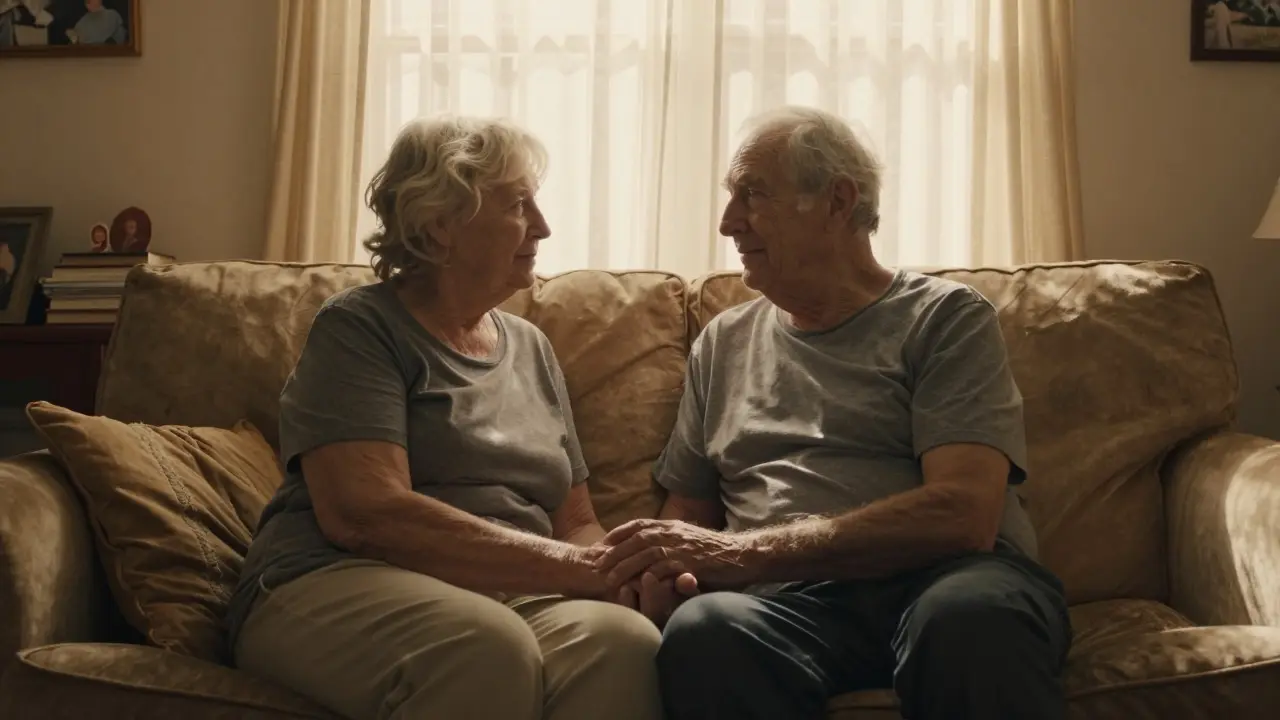
For decades, the silver screen treated queer love as a fleeting spark that inevitably fizzled out before retirement age. If you were over 50 and part of the LGBTQ+ community is a diverse group of individuals who identify as lesbian, gay, bisexual, transgender, or queer, often facing unique social and cultural challenges regarding visibility and acceptance., your story on film usually ended with tragedy, silence, or invisibility. But something shifted. Recent years have seen a quiet but powerful wave of cinema that refuses to let age be the period at the end of a queer sentence. These films don't just show older characters; they center their interior lives, their complex relationships, and their specific struggles with aging in a world that still demands youth for validity.
The Shift from Tragedy to Nuance
Gone are the days when an older queer character's primary function was to die young or serve as a cautionary tale for younger protagonists. The narrative landscape has expanded to include what critics call "mature queer realism." This isn't about fixing everything or presenting a utopia. It’s about showing the mundane and the profound side by side. We see characters dealing with arthritis, memory loss, and financial insecurity alongside deep emotional intimacy. This shift reflects a broader societal change where the LGBTQ+ population is aging, bringing with it distinct needs for healthcare, legal protection, and social connection that differ significantly from those of younger generations.
- Visibility: Older characters are no longer background extras but lead actors driving the plot.
- Complexity: Stories explore grief, friendship, and second acts rather than just coming-out crises.
- Diversity: Intersections of race, class, and disability within the older queer experience are increasingly represented.
Key Films Defining the Genre
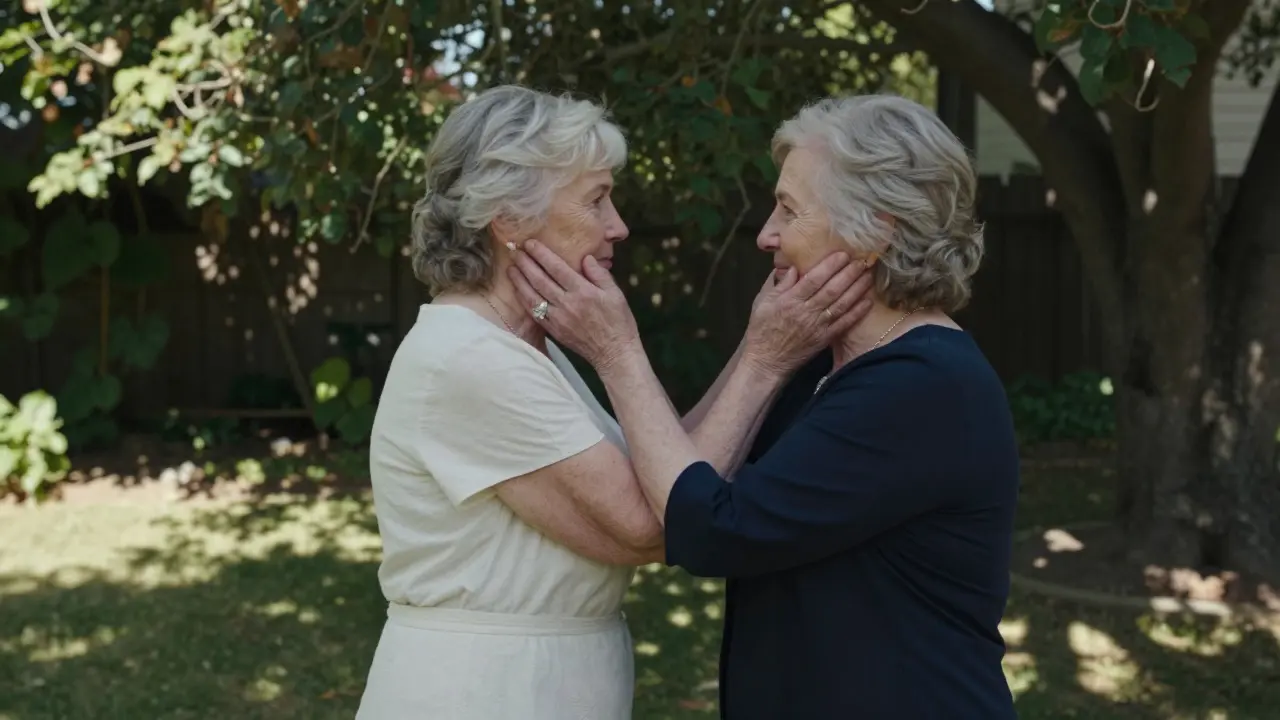
To understand this movement, we have to look at specific works that broke the mold. The Farewell Wedding (2024) captured attention not because it was a grand romantic gesture, but because it focused on two women in their 70s navigating the logistics of a small, intimate ceremony after a long separation. The tension wasn't sexual; it was about legacy and forgiveness. Similarly, Golden Hour (2023) followed a retired teacher and his partner as they dealt with the sale of their home, using the process to unpack fifty years of shared history. These films prove that audiences crave stories where the stakes are emotional rather than physical.
| Theme Category | Traditional Queer Cinema (Pre-2015) | Modern Older LGBTQ+ Cinema (Post-2015) |
|---|---|---|
| Primary Conflict | Coming out, AIDS crisis, social rejection | Aging, caregiving, legacy, late-life romance |
| Character Arc | Youthful discovery or tragic loss | Reflection, reconciliation, new beginnings |
| Romantic Focus | Passionate, intense, often short-lived | Companionable, deep, enduring |
| Social Context | Underground spaces, bars | Home life, healthcare settings, community centers |
Challenges in Production and Casting
Getting these stories made is harder than it looks. Studios often assume that stories about people over 60 don't sell tickets, especially if the leads aren't A-list stars. This creates a bottleneck where scripts get shelved because producers fear the market is too narrow. However, independent distributors have stepped in, recognizing that there is a massive, underserved demographic of older viewers who feel ignored by mainstream media. Casting directors also face hurdles; finding actors who can portray authentic age without caricature requires patience and trust. The result is a growing pool of veteran performers who bring gravitas and authenticity to roles that would have been nonexistent twenty years ago.
The Impact on Audience Perception
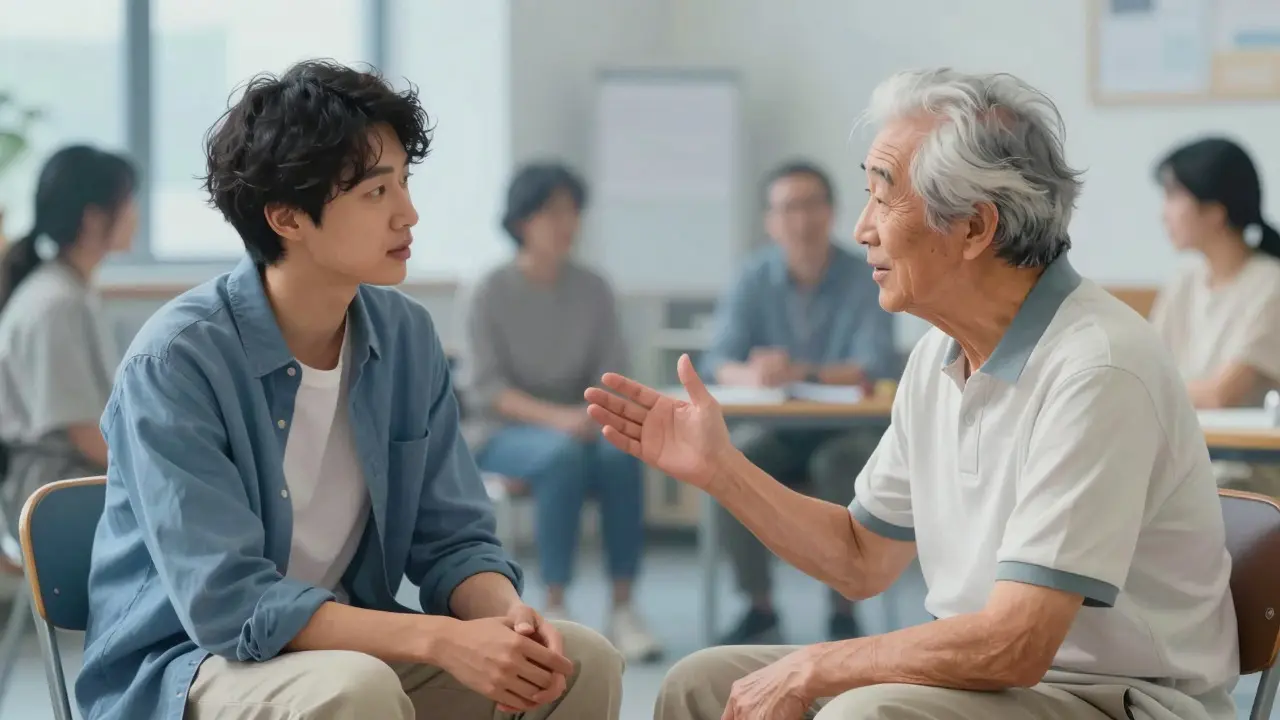
When you see yourself reflected in art, it changes how you view your own future. For many older LGBTQ+ individuals, seeing films like Second Spring (2025) validated their right to happiness in later life. It combats the "ageism" that permeates society-the idea that once you're past a certain age, your life loses value. These narratives foster intergenerational dialogue. Younger family members watch these films and begin to understand the unique historical burdens their elders carried, while older viewers feel less isolated. It’s a subtle but powerful form of advocacy that happens through empathy rather than argument.
Finding Your Next Watch
If you’re looking to explore this genre, start with films that focus on daily life rather than dramatic events. Look for titles that emphasize dialogue and setting over action. Streaming platforms have begun creating dedicated collections for "Mature Romance" and "LGBTQ+ Classics," which makes discovery easier. Pay attention to festival awards; independent film festivals frequently highlight these nuanced dramas before they hit wider release. By supporting these films, you help signal to the industry that older queer stories are not niche-they are essential parts of the human experience.
Are older LGBTQ+ films only for older audiences?
No. While they resonate deeply with seniors, younger viewers often find them refreshing because they offer a slower, more thoughtful pace compared to fast-paced youth dramas. They provide a window into the long-term effects of social change.
What are some common themes in these movies?
Common themes include caregiving for a partner, dealing with chronic illness, finding new friends in retirement communities, and reconciling with family members who may not fully accept one's identity.
How does this genre differ from general senior films?
General senior films often ignore sexuality or treat it as a joke. Older LGBTQ+ cinema treats queer identity as a central, ongoing part of the character's life, integrating it naturally with the realities of aging.
Where can I find recommendations for these films?
Check out LGBTQ+ film festivals, specialized streaming curators, and book clubs focused on queer literature. Many local libraries also have curated DVD collections for mature audiences.
Is this a growing trend in Hollywood?
Yes, though it remains largely in the independent sector. Major studios are beginning to greenlight projects with older casts due to proven box office success of ensemble dramas featuring veteran actors.