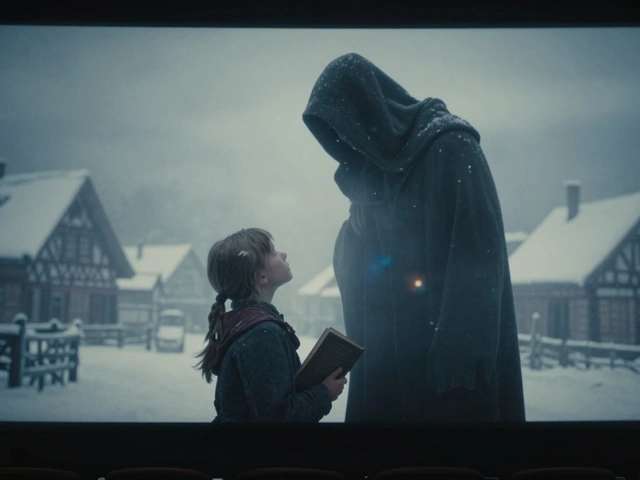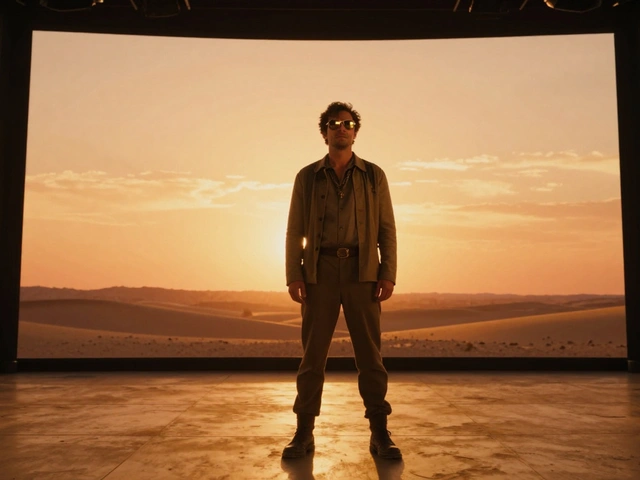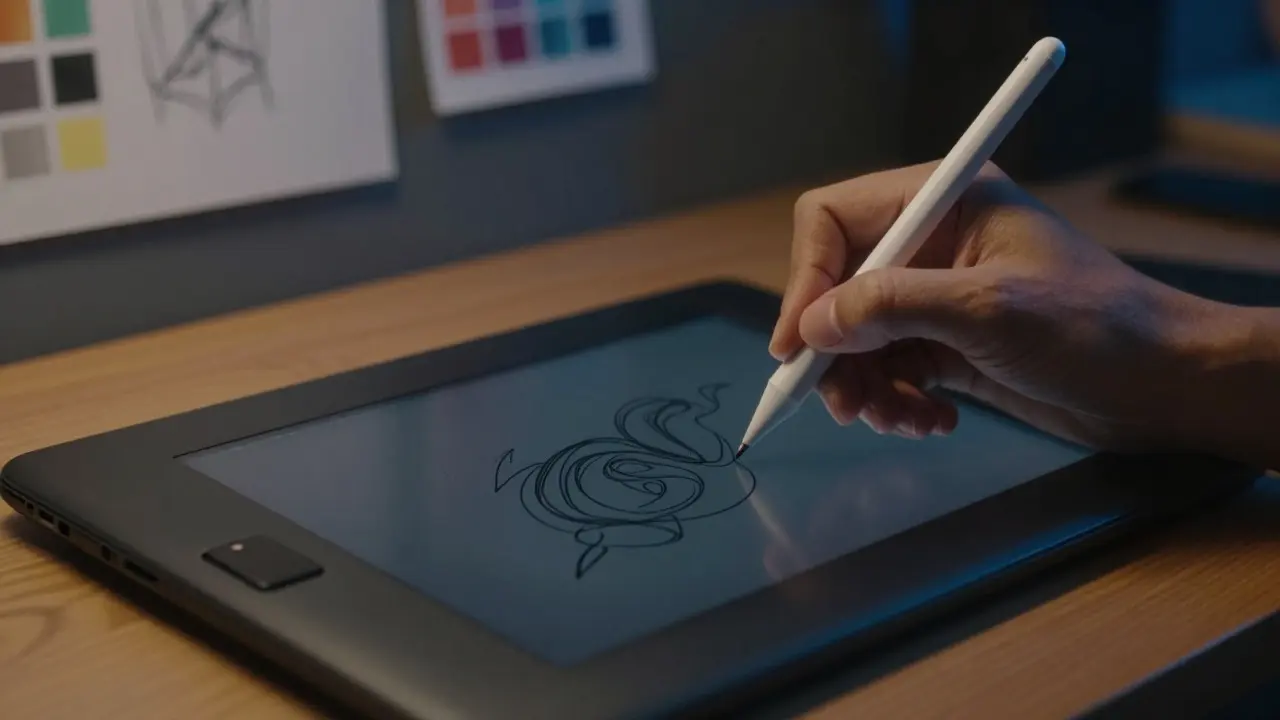
Imagine trying to explain the feeling of grief to someone who has never lost a parent. You can describe the pain, the silence, the weight in the chest, but words often fall short. This is exactly where animated sequences are a filmmaking technique that uses moving drawings or digital graphics to illustrate facts, memories, or abstract concepts within a non-fiction narrative. In recent years, these visuals have moved from being a novelty to a essential tool for directors who need to show what the camera cannot capture.
You might think animation belongs only in cartoons. But when you look at films like Waltz with Bashir or Fantastic Mr. Fox, you see that movement and style carry meaning just as powerfully as live-action footage. For documentary makers, this method opens a door to the internal lives of subjects, historical events that happened before cameras existed, and scientific processes that are too small or too fast to film directly.
Why We Need Animation in Non-Fiction
The core problem with traditional documentary cinema is its reliance on observable reality. If an event didn't leave a video trace, it becomes difficult to depict. Think about the Holocaust. While we have photographs and survivor testimonies, we lack continuous visual records of daily life in concentration camps. Live-action re-enactments often feel awkward or overly dramatic. They risk turning tragedy into theater.
Animation solves this by stepping away from photorealism. When a director chooses a stylized approach, they signal to the audience: "This is not raw footage; this is an interpretation based on truth." This distinction allows viewers to engage emotionally without the distraction of debating whether the actor looks like the real person. It creates a space for empathy rather than judgment.
- Abstract Concepts: Showing how a virus spreads or how memory works requires visualization beyond physical objects.
- Historical Gaps: Filling in missing moments from wars, revolutions, or personal histories.
- Psychological States: Depicting anxiety, trauma, or joy through color, shape, and motion.
How Directors Choose Their Style
Not all animated documentaries look the same. The choice of visual style depends heavily on the story's tone. A piece about corporate fraud might use sharp, geometric lines and cold colors to reflect rigidity and deception. A story about childhood wonder might use soft, watercolor textures and bright hues. The style isn't just decoration; it's part of the argument.
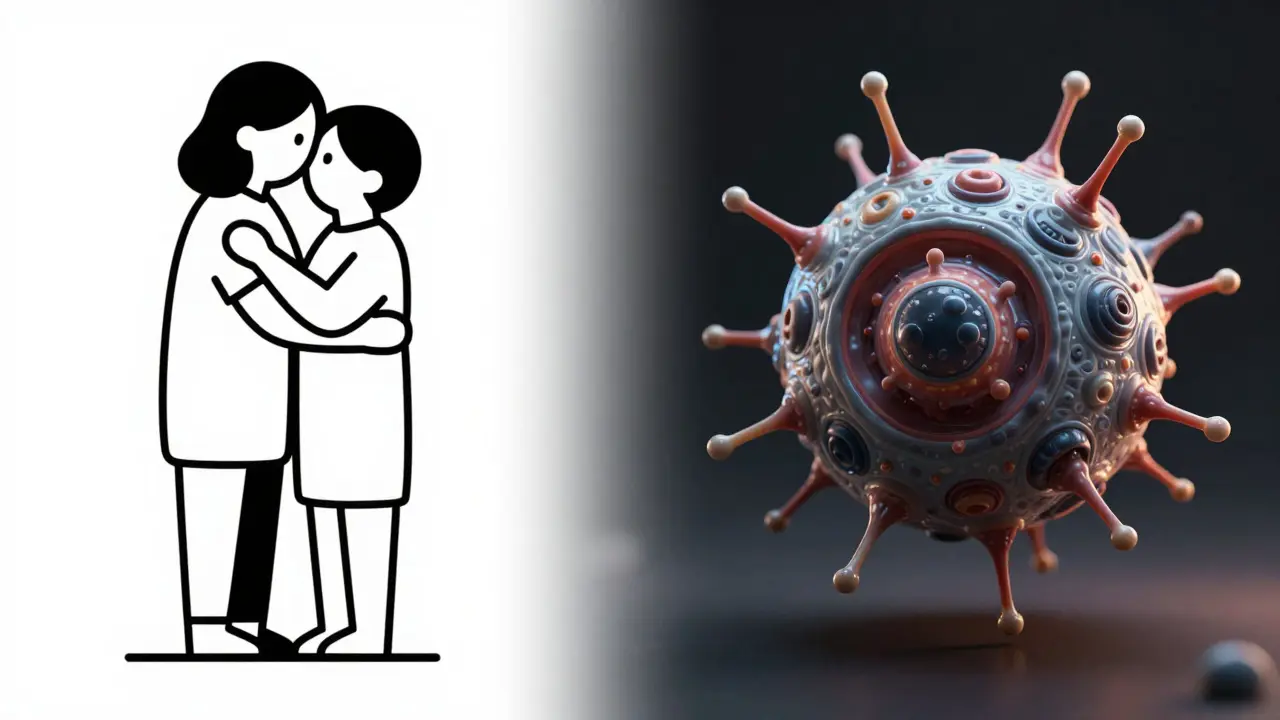
For example, in Persepolis, Marjane Satrapi used black-and-white line art to tell her coming-of-age story in Iran. The simplicity forced the audience to focus on the characters' expressions and the stark contrast between their private lives and the public political chaos. If she had used realistic 3D animation, the film might have felt heavier and less intimate. The flatness of the drawing mirrored the flattening of individual identity under strict social rules.
Directors often collaborate closely with animators early in the process. Unlike live-action, where you shoot first and edit later, animation requires planning every frame. This means the script must be precise. Every gesture, every shift in lighting, and every change in background detail must serve the narrative. There is no room for accidental beauty; everything is intentional.
Technical Approaches: 2D vs. 3D
Most documentary animations fall into two main categories: 2D (two-dimensional) and 3D (three-dimensional). Each has distinct strengths and costs.
| Feature | 2D Animation | 3D Animation |
|---|---|---|
| Visual Feel | Flat, illustrative, painterly | Volumetric, realistic depth |
| Production Cost | Lower for simple styles | Higher due to rendering complexity |
| Best For | Emotional intimacy, historical abstraction | Scientific visualization, spatial accuracy |
| Example Films | Persepolis, Waltz with Bashir | The Lost King, Planet Earth segments |
2D animation remains popular because it feels more human. Hand-drawn lines have imperfections that connect with our own sketches and doodles. It’s easier to animate a face in 2D to show subtle emotional shifts because you aren't bound by muscle simulation. On the other hand, 3D animation shines when you need to show scale or complex mechanics. If you’re documenting the inside of a jet engine or the migration patterns of whales across oceans, 3D provides a sense of physical presence that 2D struggles to match.
There is also a hybrid approach. Many modern films mix live-action interviews with animated overlays. This technique, often called "motion graphics," allows the director to keep the authenticity of the real people while using graphics to explain context. For instance, a scientist might talk about climate change, and behind them, animated charts rise up to show temperature spikes over decades. It keeps the viewer grounded in reality while enhancing understanding.
The Role of Color and Motion
In live-action, color grading happens after filming. In animation, color is decided before a single line is drawn. This gives directors immense control over mood. Warm oranges can evoke nostalgia or danger, depending on context. Cool blues can suggest isolation or clarity. The motion itself matters too. Fast, jagged movements can create tension, while slow, flowing lines can induce calm.
Consider a scene depicting a panic attack. Instead of showing a sweating, trembling body, an animator might use swirling lines that close in around the character, distorting the background until it blurs. The viewer doesn’t just see the symptom; they feel the disorientation. This is the power of visual metaphor in animation. It bypasses logical analysis and speaks directly to emotion.
However, there is a risk. If the animation becomes too flashy, it can distract from the facts. The goal is always service to the story. If the animation doesn’t help the audience understand or feel something new, it should be cut. Simplicity is often more effective than complexity. A single, well-placed animated symbol can say more than ten pages of text.
Challenges in Production
Producing animated documentaries is expensive and time-consuming. A single minute of high-quality 2D animation can take weeks to complete. For a 90-minute film, that’s thousands of hours of work. Budgets are tight, so teams often rely on grants, crowdfunding, or partnerships with educational institutions.
Another challenge is finding the right talent. You need artists who are skilled in both technical execution and artistic expression. A pure technician might produce clean but soulless frames. A pure artist might create beautiful images that don’t align with the factual requirements. The ideal collaborator sits in the middle, understanding that every visual choice must support the documentary’s thesis.
Sound design also plays a crucial role. Since animation lacks natural ambient noise, sound designers must build entire soundscapes from scratch. Footsteps, wind, rain, and even the rustle of clothes are created artificially. Getting this wrong can make the animation feel hollow. When done right, the sound anchors the imaginary visuals in a believable world.
Future Trends in Documentary Animation
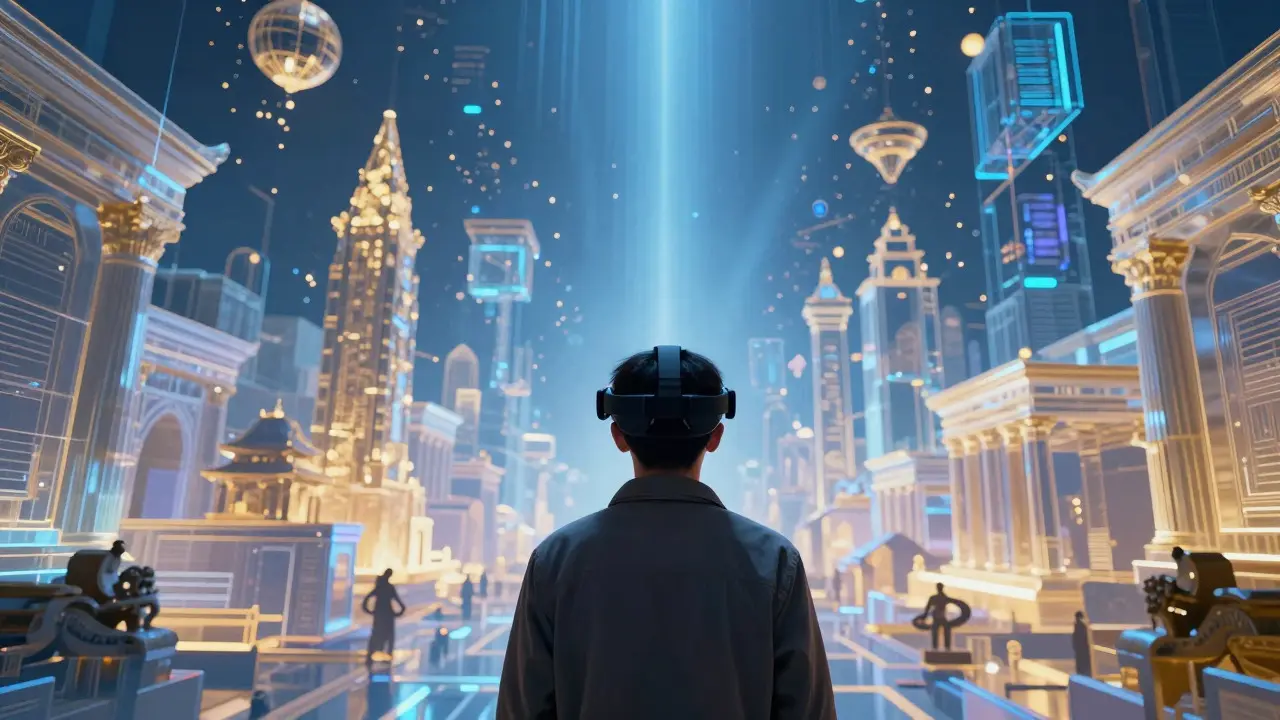
As technology evolves, so do the possibilities. Virtual Reality (VR) is opening new doors. Imagine standing inside an animated reconstruction of a ancient city or walking through a virtual forest that illustrates deforestation. VR allows immersion in ways that flat screens cannot achieve. It turns the viewer from a passive observer into an active participant.
Artificial Intelligence (AI) is also entering the mix. AI tools can help generate background elements or assist with rotoscoping (the process of tracing over live-action footage to create animation). This doesn’t replace human creativity, but it speeds up production. It allows smaller teams to achieve higher quality outputs with fewer resources.
Ultimately, the trend is toward greater integration. We will likely see more seamless blends of live-action and animation, where the boundary between the two disappears. The goal remains the same: to visualize the invisible, making the intangible tangible and the unknown known.
Practical Tips for Aspiring Creators
If you are considering incorporating animation into your next documentary project, start small. Don’t try to animate the entire film. Identify one specific moment that needs visual clarification. Create a storyboard for that sequence. Test it with a small audience. Does it enhance understanding? Does it evoke the intended emotion?
Budget realistically. Hire animators who specialize in non-narrative work if possible. Communicate clearly about the factual constraints. Remember that animation is a translation, not a transcription. It interprets data and memory into visual language. Stay true to the facts, but allow the style to breathe.
Finally, watch critically. Look at films like Mole Song: The Legend of Frosty the Snowman or Human Flow. Notice how they use motion graphics to map global trends. Study the pacing. See how the animation enters and exits the scene. These examples provide a roadmap for balancing art and information.
Is animation considered cheating in documentaries?
No, animation is not cheating. It is a valid form of visual evidence when direct footage is unavailable. As long as the animation is based on verified facts, testimonies, or data, it serves the purpose of illustrating truth. The key is transparency; audiences accept stylized visuals when they know the intent is explanatory rather than deceptive.
What is the most common software used for documentary animation?
Adobe After Effects is widely used for motion graphics and 2D compositing. For more complex 2D character animation, Toon Boom Harmony is a standard. For 3D work, Blender (free) and Autodesk Maya (paid) are popular choices. The choice depends on the specific visual style required by the project.
How much does it cost to animate a documentary segment?
Costs vary significantly. Simple 2D motion graphics might cost $500-$1,500 per minute. High-end 2D character animation can range from $5,000 to $15,000 per minute. 3D animation is typically more expensive, starting at $10,000+ per minute for basic scenes. Crowdfunding and grants are common funding sources for independent projects.
Can animation be used to show scientific processes?
Yes, science is one of the best uses for documentary animation. Processes like DNA replication, stellar formation, or cellular division are invisible to the naked eye. Animation makes these concepts accessible by scaling them up and adding color coding to highlight different components. This helps general audiences grasp complex scientific ideas quickly.
What is the difference between an animated documentary and a docudrama?
A docudrama uses live actors to re-enact events, aiming for realism. An animated documentary uses non-photorealistic visuals. Docudramas risk blurring the line between fact and fiction through performance. Animated documentaries explicitly signal interpretation through style, allowing for more freedom in expressing subjective experiences or historical gaps.