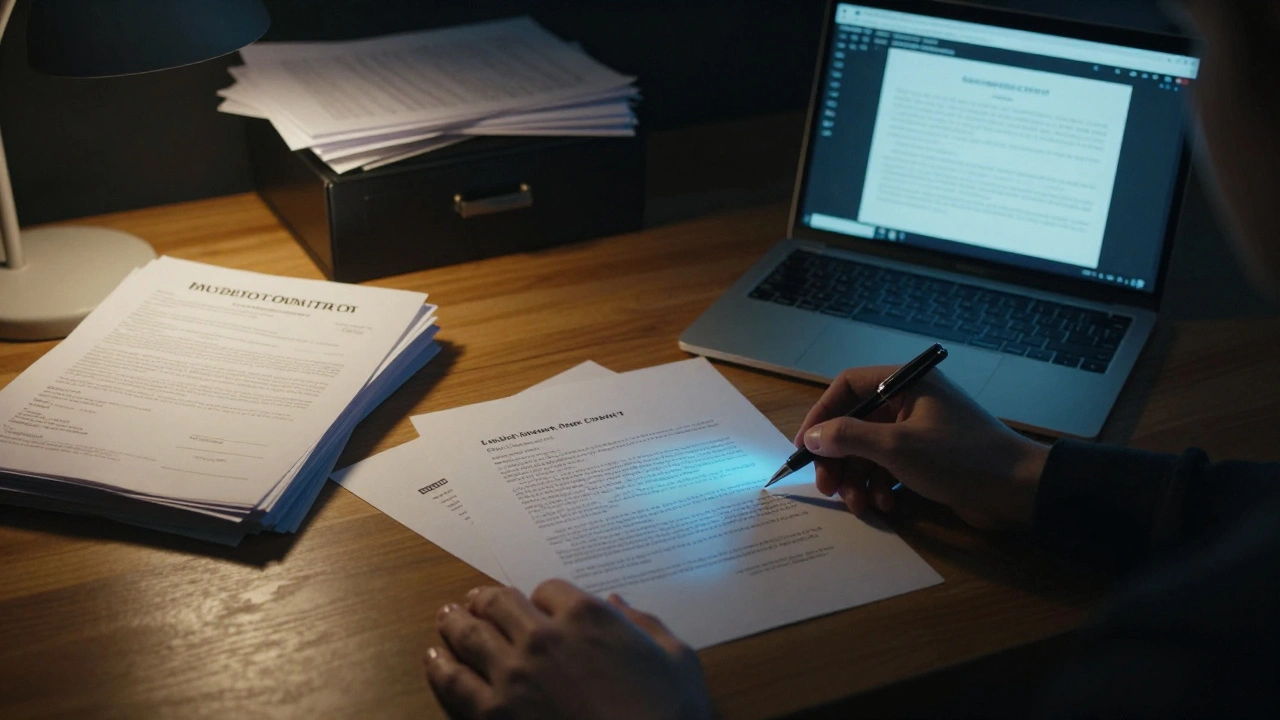
Most independent filmmakers don’t have millions sitting in a bank account. They have scripts, crew, equipment, and a few signed contracts - and that’s exactly what lenders are willing to bet on. Cash flow loans for films let producers borrow money against future income from distribution deals, tax credits, or pre-sales. It’s not a traditional loan. It’s a bet on what’s coming next.
How Cash Flow Loans Work in Film Financing
Unlike bank loans that look at your credit score or personal assets, cash flow loans for films are based on one thing: confirmed revenue. If you’ve signed a deal with a distributor to release your movie in Canada for $200,000, or you’ve locked in a $150,000 tax credit from the state of Georgia, that money becomes collateral. Lenders don’t care if you’ve never made a feature before. They care if the money is coming in - and if it’s legally guaranteed.
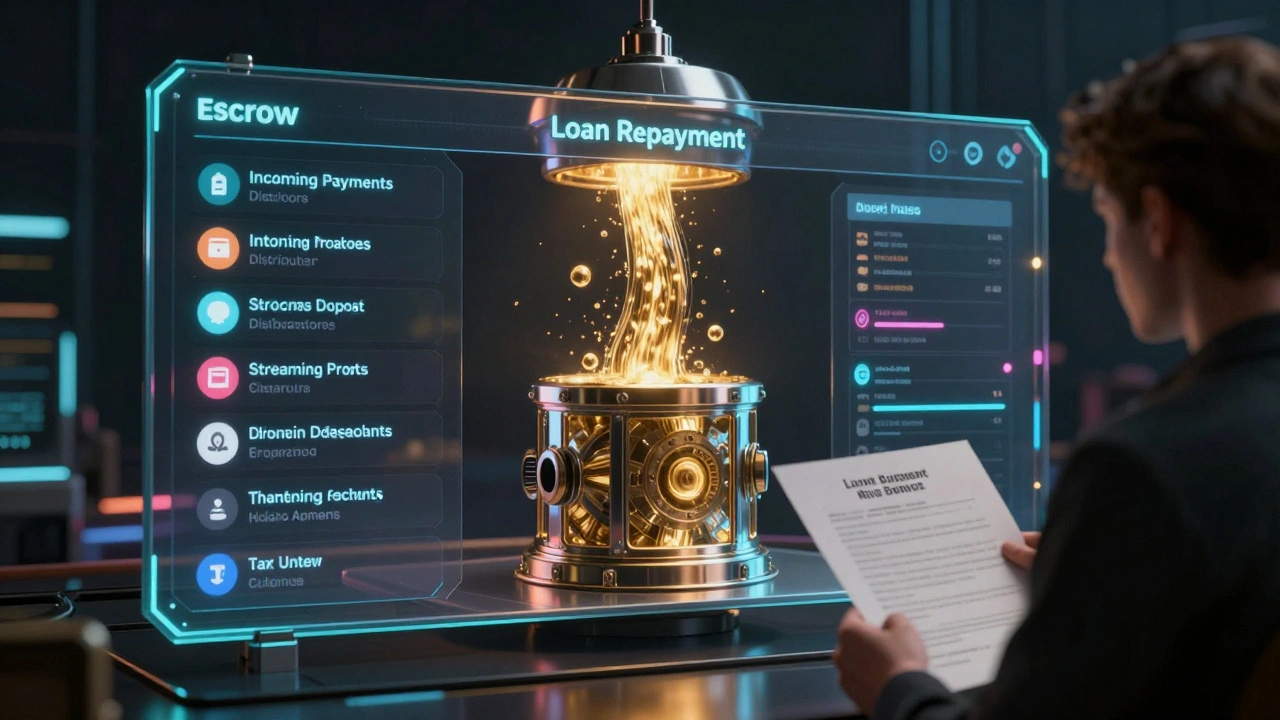
Here’s how it usually goes: You submit your signed contracts, distribution agreements, and financing commitments. The lender verifies them with the other parties. Once confirmed, they advance you 70% to 90% of the total value of those contracts. The rest is held back as a reserve. As payments come in from distributors or tax agencies, they go straight into an escrow account controlled by the lender. You get paid only after they’ve recovered their loan plus fees.
This model works because the risk is low for the lender. The money is already owed - it’s just not in your hands yet. For filmmakers, it’s the difference between shutting down production because you’re $50,000 short, and wrapping principal photography on schedule.
What Contracts Qualify for a Cash Flow Loan
Not every piece of paper counts. Lenders only accept contracts that are:
- Legally binding - signed by both parties with clear terms
- Non-contingent - not dependent on box office results or festival acceptance
- From reputable parties - established distributors, government agencies, or major broadcasters
- With clear payment schedules - dates and amounts must be specified
Common qualifying contracts include:
- Pre-sale agreements with international distributors (e.g., a deal with a German TV network for broadcast rights)
- Completion bonds with guarantors like The Completion Bond Company
- State or provincial tax credit certificates (e.g., Georgia’s 30% transferable credit, New York’s 30% credit)
- Streaming platform licensing deals (Netflix, Amazon, Hulu - if the contract is signed and not conditional)
- Foreign sales agreements with verified buyers
Don’t waste time with letters of intent, verbal agreements, or festival acceptance letters. Those won’t move the needle. Lenders need hard signatures and clear payment terms.
Typical Loan Terms and Costs
Cash flow loans aren’t cheap, but they’re cheaper than giving up equity or begging investors for more money. Most lenders charge:
- Interest rates: 12% to 20% per year, depending on contract reliability
- Origination fees: 2% to 5% of the loan amount
- Loan term: 6 to 18 months - usually tied to when the next payment is due
- Loan-to-value ratio: 70% to 90% of the contract value
For example: You have a $300,000 pre-sale contract with a UK distributor. The lender advances you $255,000 (85% of $300,000). You pay a 3% origination fee ($7,650) and 15% annual interest. If the payment comes in six months later, your total cost is roughly $19,000 - not including escrow fees.
Compare that to giving up 15% of your film’s profits to an investor - which could cost you $45,000 or more if the film earns $300,000. Cash flow loans let you keep your ownership while getting working capital.
Who Offers These Loans?
There are no big banks doing this. It’s a niche market. You’ll work with specialized film finance companies:
- Entertainment Finance Corporation (EFC) - one of the oldest, handles pre-sales and tax credit loans
- Media Finance Group - focuses on U.S. state tax credit financing
- Financier Partners - works with international distributors and streaming deals
- Global Film Finance - specializes in foreign sales agreements
Some production service companies also offer cash flow loans as part of their full-service packages. If you’re shooting in Canada or the UK, your local production office might connect you with a lender who understands the regional tax systems.
Always check if a lender is registered with the Motion Picture Association or has a track record with completed films. Ask for references - not just testimonials, but real names of filmmakers they’ve funded.
When Not to Use a Cash Flow Loan
These loans aren’t magic. They won’t save you if your film has no clear path to revenue. Avoid them if:
- You’re relying on festival sales to pay back the loan - those are too uncertain
- Your only contract is with a first-time distributor with no track record
- You’re using it to cover overspending on your shoot - lenders won’t fund poor budgeting
- You haven’t secured a completion bond - most lenders require one
Also, don’t use cash flow loans to pay for post-production unless you already have a distribution deal lined up. Editing, sound design, and color grading are costs, not revenue. Lenders fund revenue, not expenses.
What Happens If the Contract Payout Is Delayed?
Delays happen. A distributor might get bought out. A tax agency might take longer to process. That’s why lenders build in buffers.
If the payment is late, the lender will usually extend the loan term for free - as long as the contract hasn’t been canceled. But if the deal falls apart, you’re on the hook. That’s why most lenders require a completion bond. If the contract fails, the bond company steps in to cover the loss.
Some lenders also require a personal guarantee from the producer - but only if the loan is under $100,000. For larger amounts, they rely on the contract itself, not your credit.
Real Example: A $400,000 Loan That Saved a Film
A documentary filmmaker in North Carolina had a $400,000 pre-sale with a streaming platform. The payment was scheduled for 90 days after delivery. But their editing studio had a $75,000 invoice due in 30 days. They couldn’t pay without the streaming payment.
They applied for a cash flow loan, submitted the signed contract, and got approved in 11 days. The lender advanced $340,000 (85% of $400,000). They paid the editor, finished the film, and delivered on time. The streaming platform paid in full. The lender took their $340,000 plus $18,000 in fees and interest. The filmmaker kept 100% of the profits.
Without the loan, the film would’ve been delayed - and the streaming deal might’ve been canceled.
Next Steps: How to Get Started
If you’re thinking about a cash flow loan, here’s what to do:
- Get your contracts signed and notarized - no exceptions
- Organize them by payment date and amount
- Calculate your total eligible revenue - don’t include speculative deals
- Reach out to 3 film finance lenders - ask for their application checklist
- Prepare your budget and completion bond details
- Apply only when you have at least $100,000 in confirmed contracts
Don’t rush. Lenders want to see that you’ve done your homework. A clean, organized submission can get you approved in under two weeks.
FAQ
Can I get a cash flow loan if I haven’t finished filming yet?
Yes, but only if you have signed distribution or pre-sale contracts. Many lenders will fund production if you’ve already locked in revenue. For example, if you’ve signed a deal with a broadcaster for $500,000, you can use that to finance the rest of your shoot. The key is having confirmed contracts - not just ideas or pitches.
Do I need a completion bond to get a cash flow loan?
Most lenders require one, especially for loans over $100,000. A completion bond guarantees the film will be finished and delivered on time. If you don’t have one, lenders will either deny your application or demand a higher personal guarantee. Companies like The Completion Bond Company or Film Finances can help you get bonded.
How long does it take to get approved for a cash flow loan?
If your documents are complete and your contracts are verified, approval can take as little as 7 to 14 days. The biggest delay is usually verifying the contracts - lenders contact distributors and tax agencies directly. If you’re missing signatures or unclear payment terms, it can take weeks. Prepare everything ahead of time.
What happens if my distributor goes bankrupt?
If the distributor defaults, the lender may still be able to recover through the completion bond or by selling the rights to another buyer. But if the contract is voided and no backup exists, you may be responsible for repaying the loan. That’s why lenders only accept contracts from well-established buyers. Avoid unknown or small distributors.
Can I use multiple contracts for one loan?
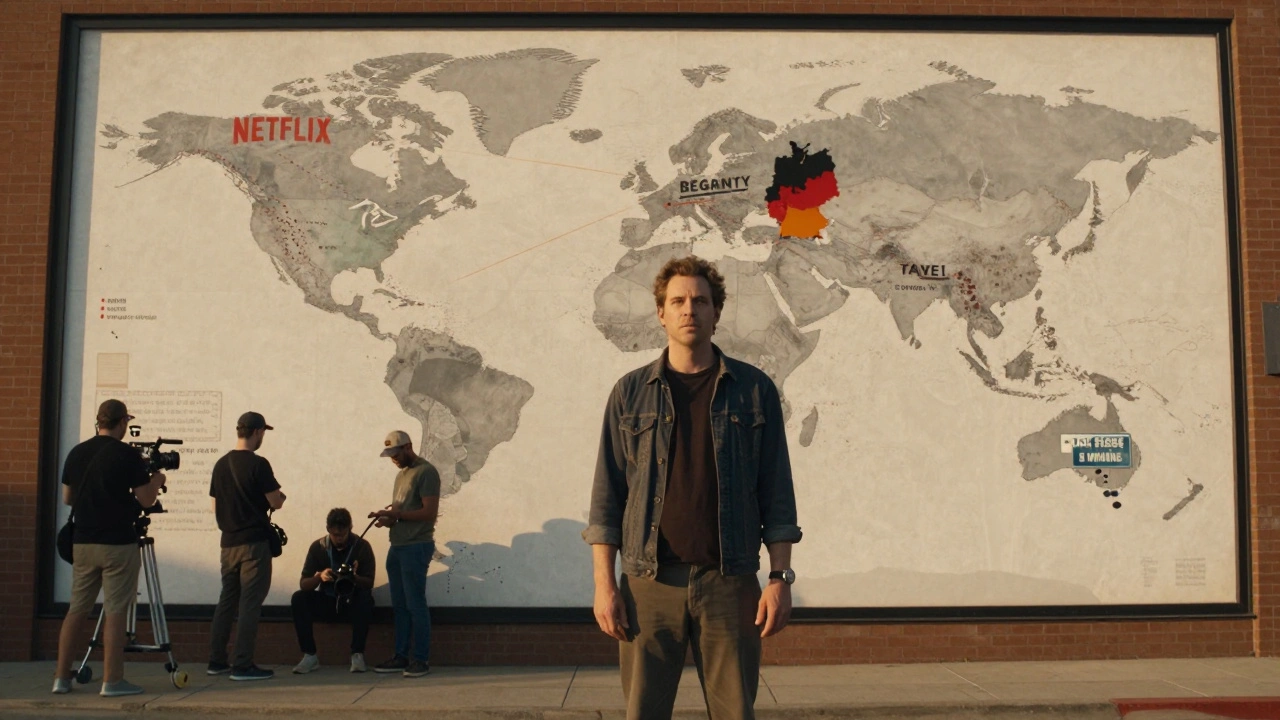
Absolutely. Most filmmakers bundle several contracts - a pre-sale in Germany, a tax credit from Texas, and a streaming deal from Canada - to reach the loan amount they need. Lenders will total up all eligible contracts, as long as each one meets their criteria. This is the most common way to secure a $500,000+ loan.
Final Thoughts
Cash flow loans turn future income into immediate fuel. They’re not for everyone - but for filmmakers with signed deals and a clear path to revenue, they’re one of the smartest tools in film financing. You’re not borrowing money you don’t have. You’re borrowing money that’s already yours - just not yet in your account. That’s the power of contracts.





Comments(10)