There is a specific kind of silence that falls over a room when a producer hands you your own script back with red ink all over it. Your heart drops. You feel exposed. But here is the hard truth about screenwriting, which is the craft of writing scripts for film, television, and other media: the first draft is never the final product. It is raw material. The real work begins when someone else reads it.
Handling script feedback, which refers to comments and suggestions provided by producers, directors, or readers on a screenplay is not just about fixing plot holes. It is an emotional skill set. If you cannot separate your ego from your pages, you will burn bridges before you even get your first credit. This guide breaks down how to take notes without losing your mind, your voice, or your job.
The Psychology of Receiving Notes
Before you look at a single note, you need to manage your internal reaction. Most writers treat their script like a child. When someone criticizes the script, they feel personally attacked. This is a cognitive distortion. Your script is a product, not a part of your soul.
When you receive development notes, which are structured critiques aimed at improving a script's structure, character, or marketability, pause. Do not reply immediately. Do not defend yourself in the email chain. Take twenty-four hours. Let the initial sting fade. During this time, ask yourself one question: "Is the person giving me these notes trying to help the movie, or are they trying to hurt me?" In ninety-nine percent of professional cases, they want the movie to be better. Even if their tone is harsh, their goal is usually alignment with the studio’s vision.
Understanding this shift in perspective changes everything. You are no longer defending art; you are solving a problem. The note is a symptom of a disconnect between what you wrote and what the reader experienced. Your job is to bridge that gap.
Categorizing the Feedback
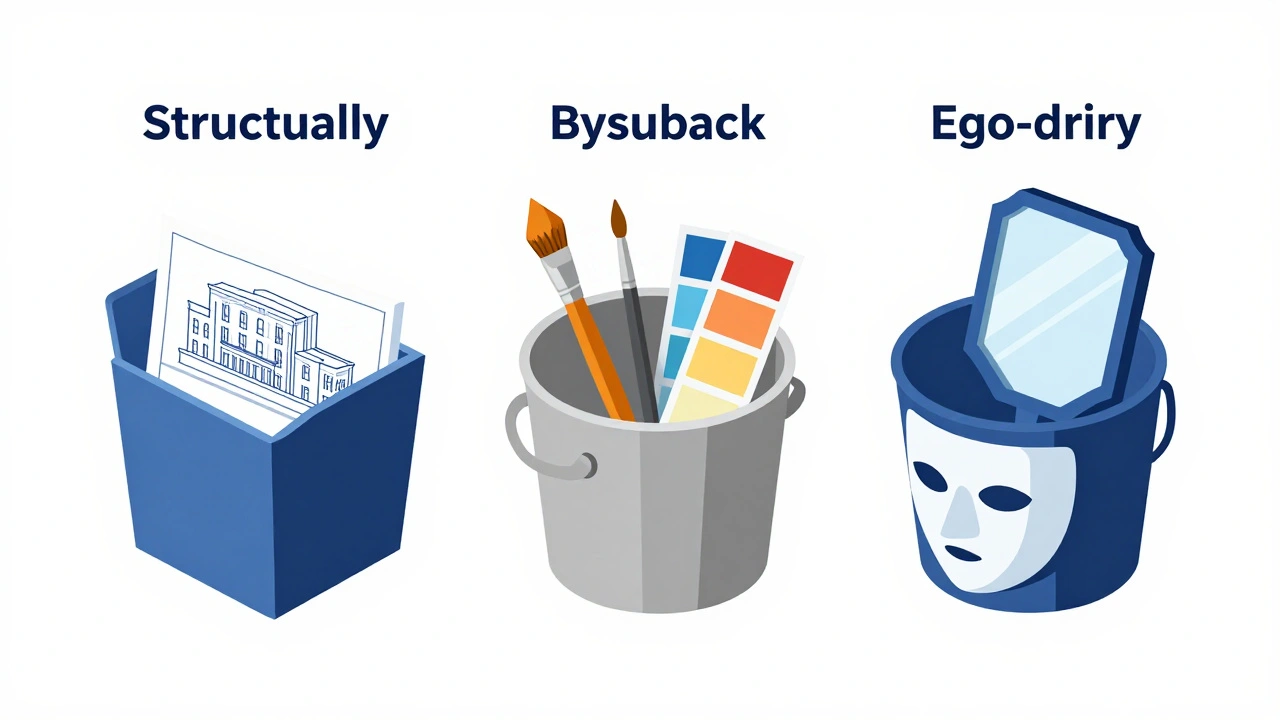
Not all notes are created equal. Some are gold; some are noise. To handle them professionally, you must triage them. I recommend sorting every comment into three buckets: Structural, Stylistic, and Ego.
- Structural Notes: These address the backbone of the story. Examples include "The second act sags," "The protagonist lacks agency," or "The ending feels unearned." These are non-negotiable. If multiple people mention the same structural flaw, it exists. You must fix it, even if it means rewriting entire scenes.
- Stylistic Notes: These relate to dialogue, pacing, or description. Examples include "This line feels too modern" or "The action lines are too dense." These are subjective. You have more room to negotiate here. You can choose to adopt the suggestion or explain why your style serves the scene.
- Ego Notes: These are personal preferences disguised as critique. Examples include "I don't like this character" or "Make him funnier." Unless the character is objectively failing their arc, these are often reflections of the reader’s taste, not the script’s quality. Acknowledge them, but do not let them dictate your creative choices unless directed by the showrunner or producer.
This categorization helps you prioritize. Always fix structural issues first. They break the story. Stylistic tweaks polish it. Ego notes are distractions.
The Art of the Response Document
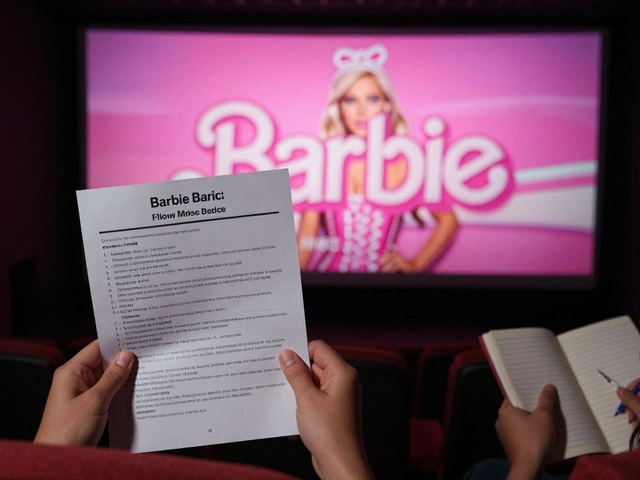
In the industry, we rarely write directly on the script during early revisions. Instead, we create a response document, also known as a note response sheet, which is a formal document where writers list each piece of feedback and their proposed solution. This is your shield and your sword. It shows professionalism and gives you control over the narrative.
Here is how to structure it effectively:
- List the Note: Quote the feedback exactly. Do not paraphrase. This ensures you are addressing the actual concern.
- State Your Action: Use clear language. "Changed," "Added," "Deleted," or "Kept."
- Provide Rationale (If Disagreeing): If you are ignoring a note, you must explain why. Never say "I didn't like it." Say, "I retained this beat because it establishes the character's motivation for the climax. However, I tightened the dialogue to address the pacing concern."
This format forces you to think logically rather than emotionally. It also creates a paper trail. If a producer later claims you ignored their note, you can point to your rationale. More importantly, it demonstrates that you are a collaborative partner, not a stubborn artist.
Navigating Conflict with Producers and Showrunners
Sometimes, the notes will clash with your vision. Maybe the producer wants a romantic subplot that undermines the thriller tone. Maybe the director wants to cut the inciting incident. How do you push back without being fired?
The key is to speak the language of story logic, which refers to the internal consistency and causal relationships within a narrative, not personal preference. Avoid saying "I think" or "I feel." Instead, use objective terms.
For example, instead of saying, "I don't want to add a love interest," try this: "Adding a romance here might dilute the stakes of the survival mission. If we keep the focus on the team dynamic, the tension remains higher. Can we explore a mentorship bond instead to satisfy the need for emotional connection?"
This approach offers a solution while respecting the underlying intent of the note. The producer wanted emotional depth; you offered a different path to achieve it. This is called "yes, and" thinking, borrowed from improv comedy. You accept the premise (we need emotion) and build upon it (but through mentorship, not romance).
If the hierarchy demands a change you believe will kill the script, you must decide whether to comply or walk away. In most cases, compliance is the smarter career move. You can always find ways to make a bad idea work, or at least mitigate its damage. Burning the bridge rarely pays off.

Common Pitfalls to Avoid
Even experienced writers stumble here. Here are the most common mistakes when handling revision notes, which are specific instructions for altering a screenplay based on feedback:
- Defensiveness: Arguing that the reader "didn't get it" is a quick way to lose trust. Assume the reader is right about their experience, even if wrong about the cause.
- Over-Correction: Trying to please everyone by implementing contradictory notes. If Reader A says "make the hero nicer" and Reader B says "make the hero darker," you must consult the producer for direction. Do not guess.
- Ignoring the Subtext: Sometimes a note about "too much dialogue" is actually a note about "lack of visual storytelling." Look deeper. What is the real problem beneath the surface complaint?
- Delaying Responses: Silence breeds anxiety. If you need time to think, say so. "I am reviewing these notes and will send a response doc by Friday." Set expectations early.
Remember, the goal is not to win an argument. The goal is to make the best possible film. Every note is data. Treat it as such.
Building Long-Term Professional Relationships
Your reputation as a writer is built not just on how good your pages are, but on how easy you are to work with. Directors and producers hire writers they enjoy collaborating with. If you are known for taking notes gracefully, you will get rehired. If you are known for fighting every comma, you will be remembered as difficult.
After the revision process is complete, follow up. Thank the team for their insights. Ask if there are any lingering concerns. This closes the loop and reinforces your professionalism. It also keeps the door open for future projects.
Finally, remember that collaborative writing, which involves multiple contributors working together to develop a script is the norm in Hollywood, not the exception. Even legendary writers like Aaron Sorkin or Quentin Tarantino work with editors, producers, and actors who shape the final product. Embracing this reality doesn't diminish your talent; it enhances your utility. You become a problem-solver, not just a dreamer.
How do I respond to vague script notes?
Vague notes like "It felt slow" are common but frustrating. Instead of guessing, ask clarifying questions. Reply with: "Could you pinpoint which scenes felt slow? Was it the pacing of the dialogue, the length of the action sequences, or the lack of conflict?" This forces the reader to provide specific data, making it easier for you to diagnose the issue.
What if the producer wants to change the ending?
Endings are critical for audience satisfaction and marketing. If the producer wants a change, listen carefully to their reasoning. Often, they are reacting to test screenings or market trends. Discuss the implications of the new ending on character arcs. If you disagree, propose a compromise that honors their desire for a different tone while maintaining narrative integrity. Remember, the producer has the final say in commercial projects.
Should I implement all feedback from script coverage?
No. Script coverage is an opinion, not a mandate. Look for patterns. If three different readers mention the same problem, it is likely a genuine issue. If only one reader dislikes a character, it may be a personal preference. Prioritize consensus notes and structural flaws over individual stylistic opinions. Always filter feedback through the lens of your original vision and the project's goals.
How long should I wait before responding to notes?
Acknowledge receipt within 24 hours. For a full response document, give yourself 3-5 days depending on the volume of notes. Rushed responses lead to defensiveness and errors. Taking time shows you are thoughtful and thorough. Communicate your timeline upfront so stakeholders know when to expect your input.
Can I refuse to make a requested change?
You can respectfully decline, but you must provide a strong rationale based on story logic or character consistency. Avoid emotional arguments. If the request comes from the final decision-maker (producer or studio), refusal may risk your position on the project. In such cases, consider implementing the change reluctantly or finding a creative workaround that satisfies both parties.



Comments(6)