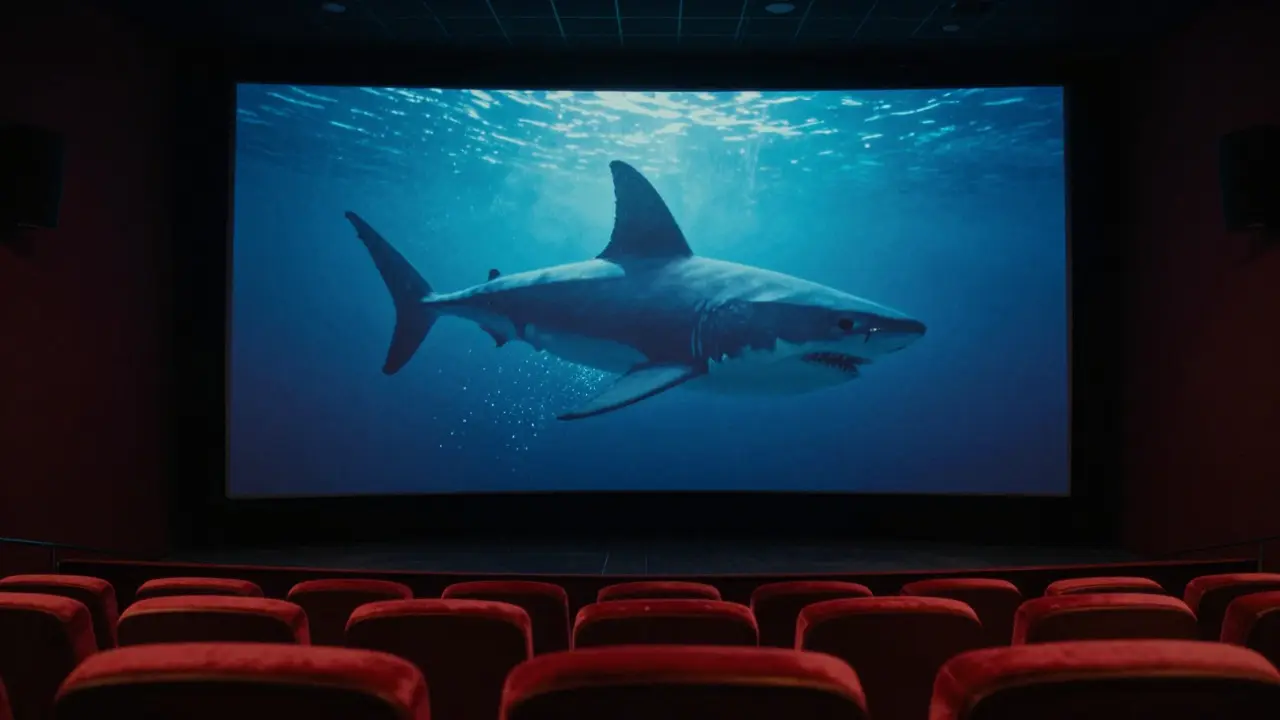
There is a specific feeling you get when the opening credits of Jaws roll across the screen. It isn't just about the shark; it's about the summer of 1975, the smell of sunscreen, and the first time you were scared by something in the water. That emotional anchor is what keeps audiences glued to their seats decades later. When we talk about nostalgic franchises, we aren't just discussing movies. We are talking about cultural touchstones that have outlived their original release dates by decades.
The modern box office relies heavily on these legacy properties. Studios know that a new name takes years to build trust, but a familiar logo builds it instantly. This creates a cycle where classic film series are revisited not because they need saving, but because they are safe bets. But why do we keep coming back? Is it the quality of the films, or the memory of watching them for the first time?
The Psychology of Revisiting Old Favorites
Nostalgia is a powerful psychological tool. It acts as a comfort blanket for adults navigating a complex world. When you watch a sequel to a movie you loved as a child, you are engaging in a form of temporal travel. You are stepping back into a simpler time. This phenomenon is known as "nostalgic consumption." It suggests that people buy tickets to see old franchises because the movie itself is less important than the emotional state it triggers.
Consider the difference between a standalone blockbuster and a franchise entry. A standalone film demands your attention from scratch. A franchise entry allows you to relax because you already know the rules. You know who the hero is. You know what the villain looks like. You know how the third act will likely resolve. This predictability is not a flaw; it is a feature. It lowers the cognitive load, allowing you to enjoy the spectacle without worrying about understanding the plot mechanics.
- Familiarity breeds safety: Known characters reduce anxiety about wasting money on a bad movie.
- Shared cultural language: Quoting lines from a classic series connects you to friends and family.
- Escapism with structure: The narrative arc is predictable, providing a sense of control.
Defining What Makes a Franchise "Classic"
Not every series becomes a classic. To be considered a nostalgic franchise, a film series usually needs to meet three criteria. First, it must have been released at least ten to fifteen years ago. Second, it must have established a distinct visual or tonal identity. Third, it must have spawned multiple entries that solidified its place in pop culture.
Star Wars is the prime example. Released in 1977, it didn't just create a movie; it created a mythology. The original trilogy defined the space opera genre for generations. Even today, forty-eight years later, the imagery of the Death Star or the sound of a lightsaber carries immediate weight. Compare this to a recent sci-fi hit that might have great reviews but lacks that deep-rooted cultural integration. The latter is a movie; the former is a franchise with a soul.
Another key attribute of a classic franchise is its ability to evolve. James Bond has been around since 1962. It has survived changes in technology, politics, and acting styles. The character remains relevant because the core concept-competence, style, and high stakes-is timeless. However, evolution comes with risk. If a franchise evolves too fast, it loses its roots. If it stays too static, it feels stale. Finding that balance is the hardest part of revisiting these series.
The Economics of Legacy Properties
Studios love classic film series because the marketing costs are lower. You don't have to explain who the protagonist is if you use the tagline "The return of the one who..." Merchandising also benefits enormously. Parents who grew up with Toy Story now buy toys for their children, creating a dual-income stream. This intergenerational appeal is rare. Most entertainment products target a single demographic age group. Classic franchises span two or even three generations simultaneously.
| Factor | New Original IP | Legacy Nostalgic Franchise |
|---|---|---|
| Audience Awareness | Low; requires extensive education | High; built-in fanbase |
| Marketing Cost | High; broad advertising needed | Moderate; targeted re-engagement |
| Risk Tolerance | Lower; unknown reception | Higher; proven track record |
| Merchandise Potential | Uncertain until release | Immediate and sustained |
This economic reality drives the decision-making process in Hollywood. If a director wants to make a risky, artistic statement, they often struggle to get funding. But if they pitch a prequel to a beloved 1980s action movie, the greenlight comes faster. This dynamic shapes what gets made. We see more sequels, remakes, and reboots because they are financially safer. For the viewer, this means the theatrical landscape is increasingly dominated by familiar faces.
How Sequels Change the Original Experience
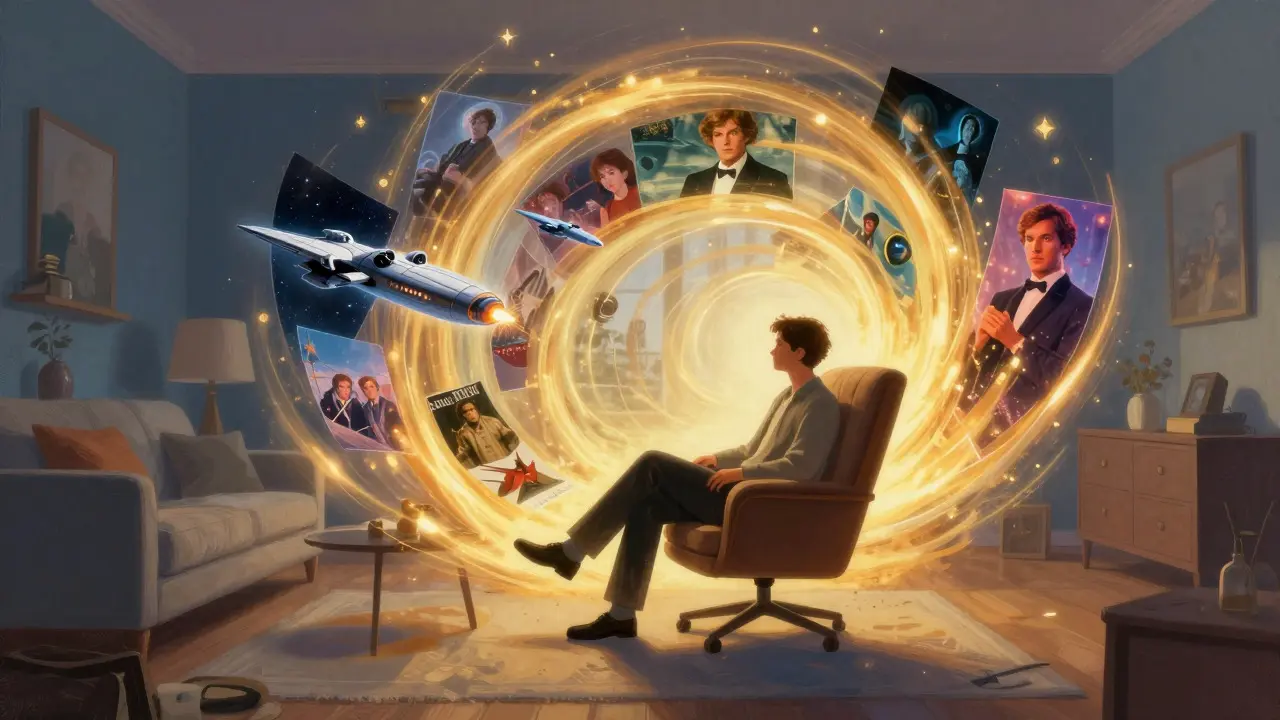
When you revisit a classic film series, you rarely watch the original movie again before seeing the sequel. Instead, you rely on memory. And memory is selective. You remember the best moments, the iconic lines, and the emotional highs. You forget the slow pacing or the logical holes. This curated memory makes the sequel feel like a continuation of a perfect story, even if the original had flaws.
This leads to a common pitfall: disappointment. If the sequel doesn't match the heightened version in your head, it feels worse than it actually is. For example, many fans felt let down by certain Harry Potter spin-offs because they expected the magic of the books to translate directly to the screen. The gap between expectation and reality is the biggest challenge for filmmakers working with nostalgic material. They have to honor the source while making something new. If they lean too hard on nostalgia, the film feels like a parody. If they ignore it, the audience feels alienated.
The Role of Technology in Reshaping Classics
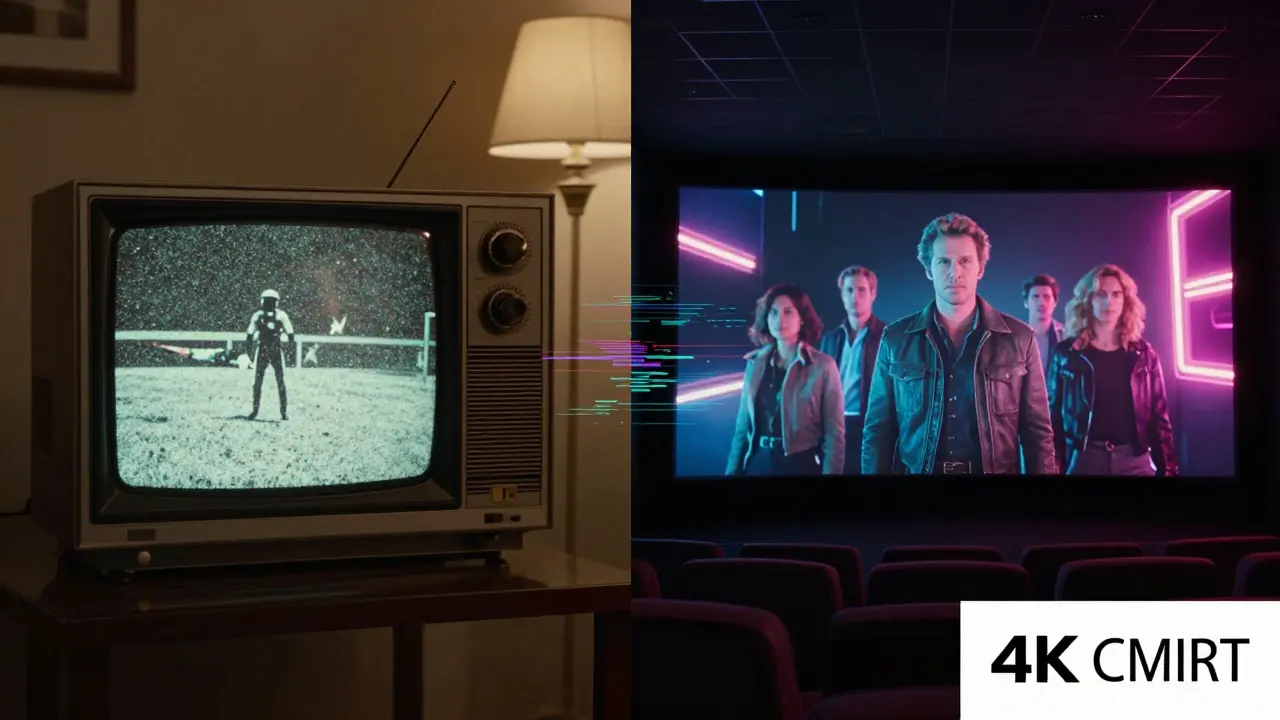
Technology plays a massive role in how we perceive these franchises today. Digital restoration allows us to see old films in 4K resolution. Sound systems in modern theaters are far superior to those in the 1990s. This technical upgrade can change the experience entirely. A horror movie from 1980 might feel dated in terms of special effects, but the atmosphere remains intact thanks to better audio-visual fidelity.
However, technology also enables controversial changes. CGI (Computer-Generated Imagery) allows studios to de-age actors or bring back deceased stars. While this offers a chance to reunite cast members, it can also feel uncanny. Viewers are sensitive to authenticity. If a digital reconstruction doesn't look right, it breaks the spell of nostalgia. The line between honoring the past and manipulating it is thin. Successful franchises manage this by using technology to enhance the story, not to replace the human element.
Choosing Which Franchises to Revisit
With so many options, how do you decide which classic series to dive back into? It depends on what you want from the experience. Do you want pure fun, or do you want intellectual engagement? Different franchises offer different values.
- For pure escapism: Action series like Die Hard or Mad Max provide straightforward thrills without heavy moral ambiguity.
- For emotional depth: Dramatic series like The Godfather offer rich character studies that reward re-watching.
- For family bonding: Animated franchises like Shrek or Despicable Me work well for multi-generational viewing.
Also, consider the current cultural moment. Sometimes a franchise resonates more during certain times. A war movie might feel heavier after a major global event. A comedy might feel more necessary during a stressful period. Aligning your choice with your current mood can enhance the enjoyment.
Common Pitfalls to Avoid
One major mistake is expecting a sequel to be identical to the original. Styles change. Acting techniques evolve. What felt fresh in 1990 might feel stiff in 2026. Embrace the differences. Another pitfall is ignoring the context. Watching a 1970s film without understanding the social climate of the time can lead to misinterpretation. Finally, don't let online discourse dictate your opinion. Social media debates can poison the well before you even press play. Watch the film with an open mind, then form your own judgment.
FAQ
Why do studios keep making sequels to old movies?
Studios favor sequels to classic franchises because they carry lower financial risk. The audience is already established, marketing costs are reduced, and merchandise sales are predictable. These factors make legacy properties more attractive to investors than unproven original ideas.
Is it better to rewatch the original before seeing a new sequel?
It depends on the type of film. For plot-heavy series, rewatching helps refresh details. For action or comedy franchises, relying on memory is often sufficient and preserves the surprise factor. If the original was very long, a summary might be enough.
What makes a film franchise become a "classic"?
A franchise becomes a classic when it achieves cultural saturation over time. This involves consistent quality, distinctive characters, and the ability to influence other works in the same genre. It typically takes at least a decade for a series to cement its status as a nostalgic touchstone.
How does technology affect the viewing experience of old movies?
Modern technology enhances clarity and sound, making old films more immersive. However, it can also highlight dated special effects. High-definition restorations allow viewers to appreciate the cinematography and acting in ways that weren't possible during the original release.
Are reboots better than direct sequels for old franchises?
Reboots allow for creative freedom and introduce the story to new audiences without continuity constraints. Direct sequels satisfy existing fans but face higher expectations. The choice depends on whether the goal is expansion or preservation of the original lore.



Comments(9)