You know that feeling when you’re watching a movie and the monster looks like a smudge of gray pixels? It pulls you out of the story faster than a plot hole. But recently, something shifted. The creature feature, a subgenre of horror and science fiction centered on the threat posed by one or more monstrous creatures, is back with a vengeance. And this time, they look terrifyingly real.
We aren’t just talking about big explosions. We’re seeing a return to tactile fear. Think about Godzilla Minus One. That wasn’t just CGI; it was a masterclass in blending digital art with physical presence. Audiences are tired of weightless, ghost-like monsters. They want to feel the ground shake. They want to see slime drip. This resurgence isn’t an accident. It’s a reaction to a decade of over-reliance on computer graphics that often lacked soul.
The Death of the Uncanny Valley
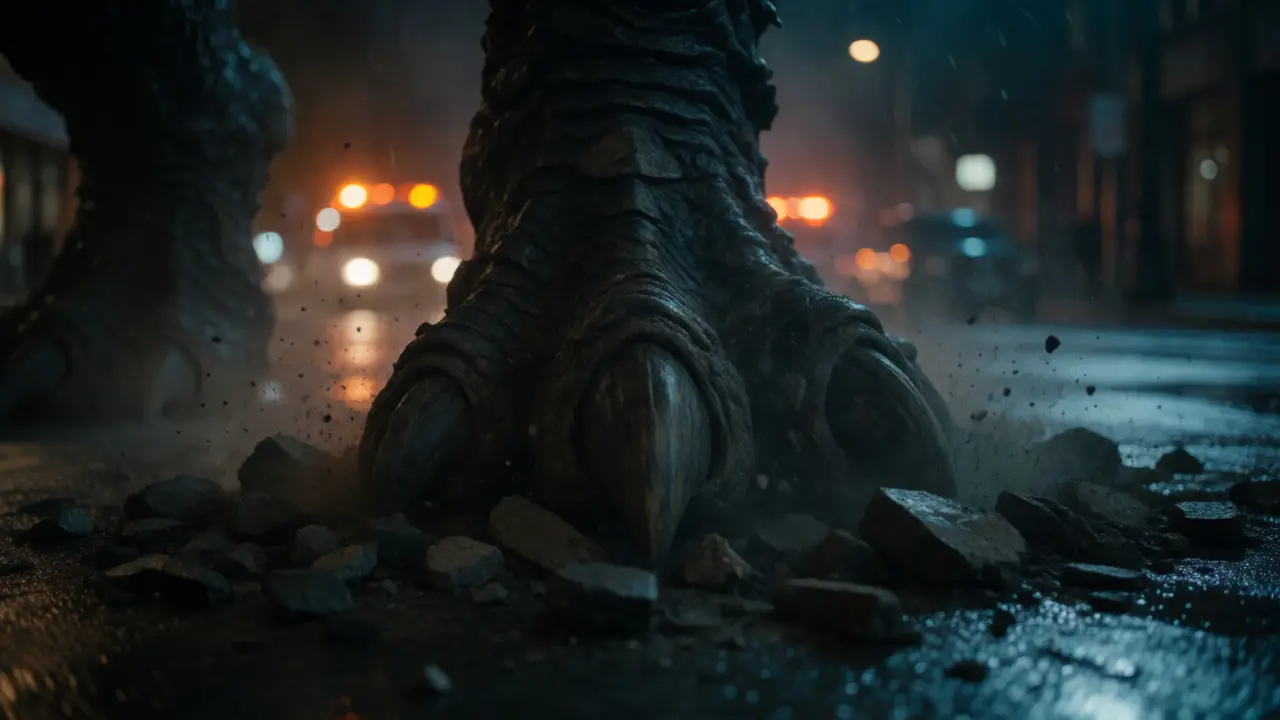
For years, Hollywood chased photorealism through pure computation. The result? Monsters that moved like water but had no mass. Directors realized that audiences have a sixth sense for fake physics. When a giant lizard stomps through a city, you need to see debris react correctly. You need to hear the specific crunch of concrete, not a generic explosion sound effect.
This is where practical effects physical special effects created on set using mechanical devices, prosthetics, and miniatures are making their comeback. Studios like Weta Workshop and Legacy Effects are getting busy again. Why? Because a puppet with animatronic eyes has a presence that software struggles to replicate. When you shoot a real object, light interacts with it naturally. Shadows fall where they should. Dust settles on its skin. These micro-details convince your brain that the thing is there.
Take The Thing (1982) as the gold standard. Rob Bottin’s transformations still hold up because they were built, not rendered. Modern hits like A Quiet Place used a mix of suits and subtle CGI enhancements. The creature felt heavy. It felt dangerous. That visceral reaction is what streaming platforms are now betting on.
Kaiju and the Global Blockbuster
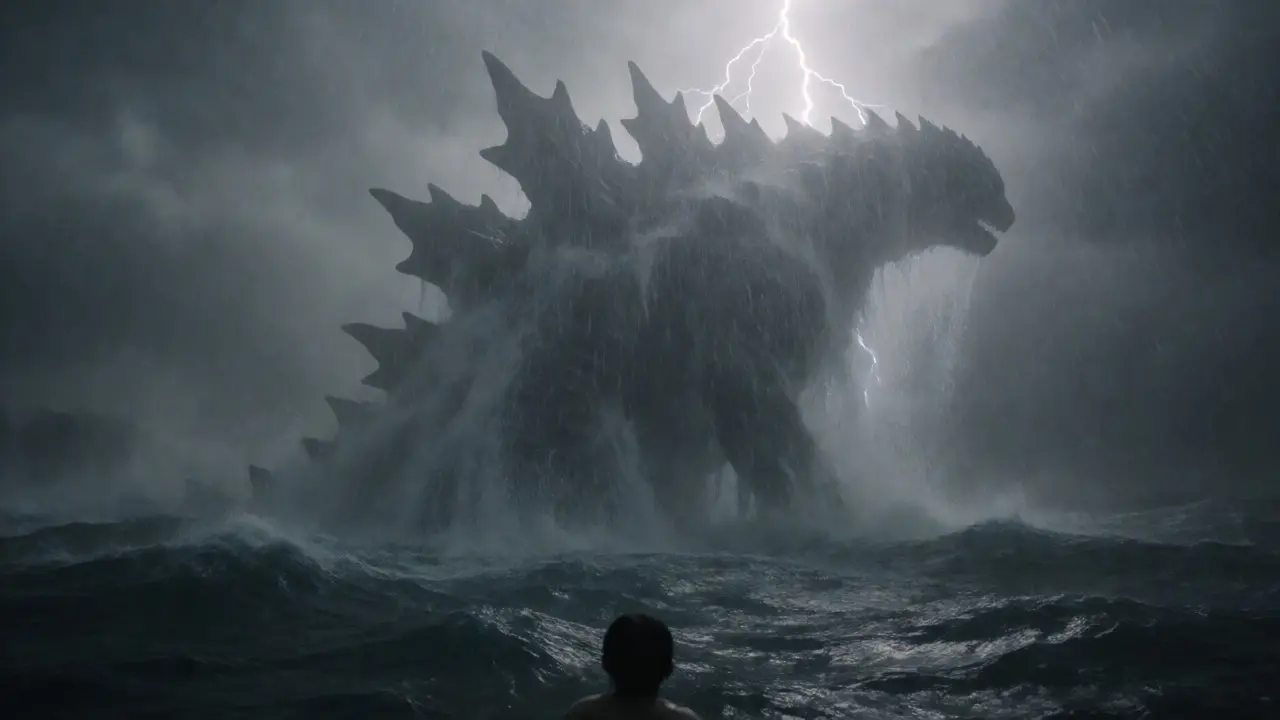
If you think monster movies are just American slashers, you’re missing half the picture. Kaiju a Japanese term for large sea monsters, typically found in tokusatsu media such as Godzilla and Ultraman has gone global. Japan pioneered this genre in the 1950s with Gojira, born from post-war atomic anxiety. Today, it’s a universal language.
Shin Godzilla (2016) revitalized the franchise by focusing on bureaucratic failure rather than just military might. Then came Godzilla Minus One (2023), which stripped the mythos down to human grief and survival. It won an Oscar for Visual Effects, proving that emotional stakes matter more than spectacle size. In 2026, we’re seeing more cross-cultural collaborations. Korean films like The Host paved the way, showing that local folklore could create globally resonant threats.
| Feature | Classic Era (1950s-1980s) | Modern Era (2020s-Present) |
|---|---|---|
| Primary Effect Method | Suitmation, Miniatures, Stop-Motion | Hybrid (Practical + CGI Enhancement) |
| Narrative Focus | External Threat / Cold War Allegory | Psychological Trauma / Climate Anxiety |
| Audience Reaction | Joyful Suspicion of Artifice | Immersion and Visceral Fear |
| Key Examples | King Kong (1933), Jaws (1975) | Godzilla Minus One, A Quiet Place |
Why Horror Is Eating Hollywood
Let’s talk money. Big-budget superhero movies are struggling. Ticket sales for $200 million action flicks are dipping. Meanwhile, mid-budget horror films are printing cash. Smile cost roughly $17 million and grossed over $140 million worldwide. M3GAN did similar numbers. Studios noticed. They realized you don’t need a universe-spanning lore bible to get people into theaters. You need a scary idea executed well.
Monster movies fit this model perfectly. They are contained. They are visual. They sell tickets based on the poster alone. If the creature design is striking-like the shark in The Meg or the alien in Alien: Romulus-you don’t need star power. The monster is the star. This economic reality is driving greenlights for projects that would have been rejected ten years ago as "too niche."
Streaming services are also hungry for this content. Netflix and Amazon Prime Video invest heavily in IP that can spawn sequels. A good monster movie creates immediate brand recognition. Look at Stranger Things. The Demogorgon became a cultural icon almost overnight. It wasn’t just a plot device; it was merchandise, memes, and Halloween costumes all rolled into one.
The Psychology of the Beast
Why do we love these movies? It’s not just blood and guts. Monsters are metaphors. For decades, the giant lizard represented nuclear fear. The zombie represented consumerism or pandemic dread. What does the modern monster represent?
In 2026, it’s likely climate change and isolation. Creatures emerging from melting ice caps or rising waters tap into our deep-seated anxiety about environmental collapse. Films like Underwater or Sea Fever play on the fear of the unknown depths. We’ve mapped Mars better than our own oceans. That mystery is potent.
There’s also the appeal of simplicity. Life is complicated. Political discourse is exhausting. In a monster movie, the problem is clear: There is a big thing trying to eat you. Kill it or run. There’s a cathartic release in that clarity. You don’t have to debate the moral ambiguity of the villain. The shark doesn’t care about your feelings. It just wants lunch. That straightforwardness is comforting in a chaotic world.
Practical Tips for Spotting Quality Creature Features
Not every monster movie is worth your time. How do you tell if it’s going to be a masterpiece or a mess? Here’s a quick checklist before you buy that ticket:
- Check the Director’s Pedigree: Did they come from a background in practical effects or cinematography? Directors like Jordan Peele or Gareth Edwards understand pacing and tension better than those who treat sets like video game levels.
- Look for "Less is More": Does the trailer show the whole monster immediately? If yes, be wary. The best scare happens when you only see a shadow, a tail, or a splash. Mystery fuels imagination.
- Sound Design Matters: Listen for distinct audio cues. A high-pitched screech is cliché. Deep, rumbling bass that you feel in your chest is more effective. Good sound sells the weight of the creature.
- Human Stakes: Is there a compelling human story? If the characters are disposable cardboard cutouts, the monster’s death won’t matter. Invest in the survivors, not just the victim count.
The Future of Flesh and Steel
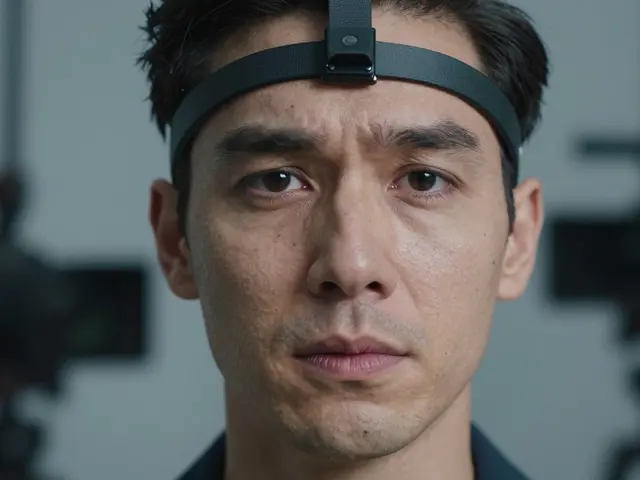
We are entering a golden age for fans of the bizarre. Technology hasn’t replaced craft; it has augmented it. Motion capture allows actors to perform inside digital bodies, giving monsters human nuance. Virtual production tools like LED volumes allow directors to light scenes realistically without waiting for post-production fixes.
But the core remains unchanged. We need to believe the beast is real. As long as filmmakers respect the audience’s intelligence and prioritize tangible terror over empty spectacle, the creature feature will continue to thrive. So next time you sit down for a movie night, skip the third sequel to a comedy you forgot existed. Pick something with teeth. Something with scales. Something that reminds you that nature is wild, unpredictable, and occasionally very hungry.
What defines a creature feature?
A creature feature is a film genre where the primary antagonist is a non-human entity, such as an animal, mutant, alien, or mythical beast. Unlike traditional horror which may rely on ghosts or psychological elements, creature features focus on the physical threat and survival against a tangible monster.
Are monster movies still profitable?
Yes, highly. Recent data shows that mid-budget horror and sci-fi films with strong monster concepts yield higher ROI than many blockbuster franchises. Their marketing costs are lower because the visual concept sells itself, and they have strong international appeal due to minimal dialogue dependency.
Why are practical effects coming back?
Audiences have developed fatigue with weightless CGI. Practical effects provide realistic lighting interactions, physical presence, and authentic textures that resonate with viewers' subconscious understanding of physics. Hybrid approaches combining practical suits with digital enhancements offer the best balance of realism and flexibility.
What is Kaiju?
Kaiju is a Japanese word meaning "strange beast." In cinema, it refers to giant monsters, most famously Godzilla and King Ghidorah. The genre originated in Japan in the 1950s as a metaphor for nuclear destruction but has evolved into a global phenomenon focused on scale and spectacle.
How do I choose a good monster movie?
Look for films that hide the monster until necessary, prioritize sound design, and have strong character development. Avoid trailers that reveal every detail of the creature early on, as mystery is key to effective horror. Check reviews for mentions of "tactile" or "visceral" effects.