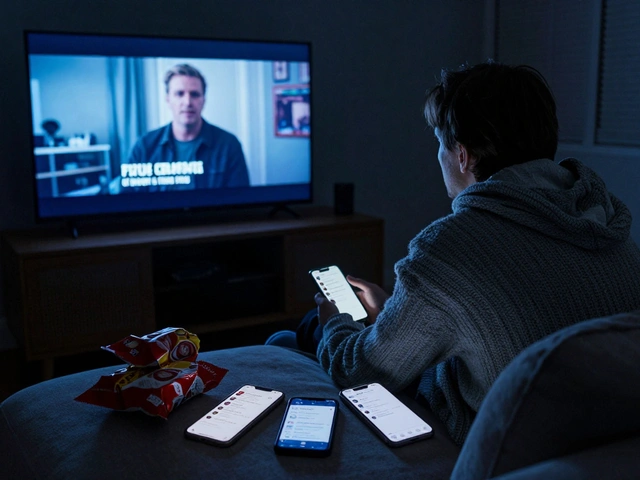
Imagine sitting in a dark theater. The lights dim, and the screen flickers to life. You are watching a movie that wasn't picked by a human editor at a studio lot. It was chosen because your cousin in Ohio watched three episodes of a similar show last Tuesday. This is the reality of modern cinema. Streaming platforms have fundamentally changed how feature films get made. They no longer rely on gut feelings or box office predictions from decades ago. Instead, they use vast amounts of user behavior data to decide which scripts become movies.
This shift has created a new kind of risk management for Hollywood. For years, studios lost billions on flops because executives guessed wrong about what audiences wanted. Now, companies like Netflix, Amazon Prime Video, and Disney+ look at millions of data points before spending a single dollar on production. But does this actually lead to better movies? Or just safer ones?
No, human judgment is still critical. Data identifies potential audiences and reduces risk, but editors and producers ultimately make the final call. The best results come when data informs the decision rather than replacing it entirely. Human insight catches cultural nuances that algorithms might miss. Completion rate is widely considered the most important metric. It indicates whether the story holds attention from start to finish. High engagement scores, such as likes and shares, also play a significant role in determining if a film resonates with its target audience. Yes, absolutely. Many successful indie films on platforms like Amazon Prime Video and Hulu have minimal star power but strong genre appeal or unique storytelling. Data allows these films to be targeted to specific niches where they are likely to perform well, bypassing the need for mainstream celebrity draws. It can, if misused. Over-reliance on data can lead to safe, formulaic choices that lack innovation. However, when used as a tool to understand audience preferences rather than dictate them, data can help filmmakers find wider audiences for their creative visions without compromising the core artistic intent. For established franchises, the decision can be almost immediate based on existing series performance. For original scripts, it may take weeks or months of internal testing, including surveys and comparative analysis against similar titles. The timeline depends on how clearly the data supports the project's potential ROI.The Anatomy of a Streaming Decision
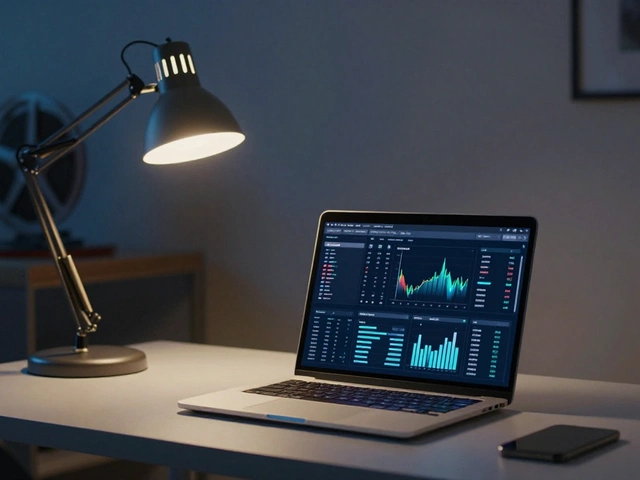
When a script lands on a streaming executive's desk, it doesn't start with a creative pitch meeting. It starts with a dashboard. These dashboards display metrics that traditional studios never had access to. We are talking about completion rates, drop-off points, and re-watch frequencies.
The core metric here is the "completion rate." If 80% of people who start a movie finish it, that is a strong signal. If only 40% finish it, the algorithm flags it as risky. But it goes deeper than just finishing. Platforms track where you pause, where you rewind, and even if you skip the credits. Skipping credits might seem minor, but for data scientists, it suggests the story didn't resonate enough to warrant the extra ten minutes of viewing time.
Audience segmentation is the process of dividing viewers into groups based on shared behaviors, demographics, and viewing habits. A thriller aimed at men aged 25-34 will be compared against other thrillers in that specific bucket. If a new script fits perfectly into a high-performing cluster, it gets a higher chance of being greenlit. This isn't mind control; it's pattern recognition at scale.
From Series to Film: The Franchise Pipeline
One of the most obvious ways streamers use data is through existing franchises. If a TV series performs well, the platform knows exactly who is watching it. They can then test a film adaptation with that same audience.
Take Stranger Things as an example. When the series ended its main run, the data showed a massive, engaged global audience. The decision to make a special holiday episode or spin-off content wasn't a guess. It was a calculation. The same logic applies to feature films based on popular shows. The risk is lower because the audience is already acquired. You don't need to convince strangers to watch; you just need to keep current fans engaged.
However, this creates a feedback loop. Because these projects are safe bets, they dominate the front page of apps. New, original ideas struggle to get seen because they lack the initial data trail. This makes it harder for first-time directors to break in, unless their script aligns perfectly with a trending genre identified by the algorithm.
Genre Trends and Temporal Relevance
Data also tells streamers what is "hot" right now. Genres rise and fall in popularity cycles. In 2019, horror was peaking. By 2022, romantic comedies saw a resurgence due to changing social moods. Algorithms track these shifts in real-time.
If a platform notices that viewers are consuming more sci-fi content, they will actively seek out sci-fi scripts. This leads to a saturation effect. Suddenly, every app is full of space operas. Why? Because the data said so six months ago. By the time the content is released, the trend might have already shifted, leading to a glut of similar titles.
This temporal aspect is crucial. A movie released today must match the mood of today's viewer. If the world is stressed, anxiety-driven dramas perform well. If the world is celebrating, feel-good comedies win. Data analysts monitor news cycles and social media sentiment to adjust these predictions. It’s a dynamic, ever-moving target.

The Role of Personalization in Greenlighting
You might think personalization only affects what you see on your home screen. It actually influences what gets made. When a platform sees that a specific demographic is under-served, they create content to fill that gap.
For instance, if data shows that women over 50 are leaving the platform because there isn't enough content tailored to them, the studio will greenlight films targeting that group. This isn't just about age; it's about taste profiles. A viewer who watches independent documentaries might be shown a biopic about a historical figure. If that biopic performs well, the platform knows there is a market for non-fiction narrative features.
Recommendation engines do more than suggest; they validate. If a low-budget indie film gets pushed to 10,000 users and 60% of them finish it, that is a greenlight signal for a bigger budget project in the same style. The algorithm acts as a focus group that never sleeps.
Risks of Data-Driven Creativity
So, is this all good news? Not necessarily. There is a phenomenon known as "algorithmic homogenization." When everyone follows the same data signals, the output becomes similar. We see more mid-budget action movies, more sequel-heavy slates, and fewer wild risks.
True artistic breakthroughs often come from ignoring the data. Think of Parasite. Before it won the Oscar, it was a Korean-language thriller that didn't fit neatly into Western genre buckets. Traditional data models would have flagged it as niche. Yet, it became a global phenomenon. This highlights the limitation of data: it predicts what people *will* watch based on what they *have* watched, not what they *could* love if given the chance.
Streamers know this. That’s why they still hire veteran producers and directors. Humans provide the creative spark; data provides the safety net. The ideal balance is using data to reduce financial risk while leaving room for creative experimentation.

Comparison: Traditional Studios vs. Streaming Platforms
To understand the magnitude of this shift, let's compare the two approaches side-by-side.
Factor
Traditional Studio
Streaming Platform
Primary Decision Metric
Box Office Projections & Star Power
User Engagement & Completion Rates
Risk Assessment
High (Single Release Window)
Moderate (Long-Tail Value)
Audience Insight
Focus Groups & Pre-Sales
Real-Time Behavioral Data
Content Strategy
Event-Driven (Blockbusters)
Library-Driven (Volume & Variety)
Creative Freedom
Limited by Investor Pressure
Variable (Depends on Data Confidence)
What This Means for Filmmakers
If you are a writer or director trying to sell a script, you need to speak the language of data. Don't just say, "It's a great story." Say, "It appeals to the 18-34 female demographic who are currently underserved in the mystery genre." Show that you understand the ecosystem.
However, don't lose your voice. The best films on streaming platforms today are those that used data to find their audience, not to define their soul. Use the data to open doors, but walk through them with your own vision. The goal isn't to make a product; it's to make a connection. Data helps you find the bridge between your story and the viewer's heart.
Frequently Asked Questions
Do streamers really ignore human judgment when picking films?
What is the most important metric for greenlighting a film?
Can small indie films succeed on streaming platforms without big stars?
Does data analysis limit creativity in filmmaking?
How long does it take for data to influence a greenlight decision?

popular post