
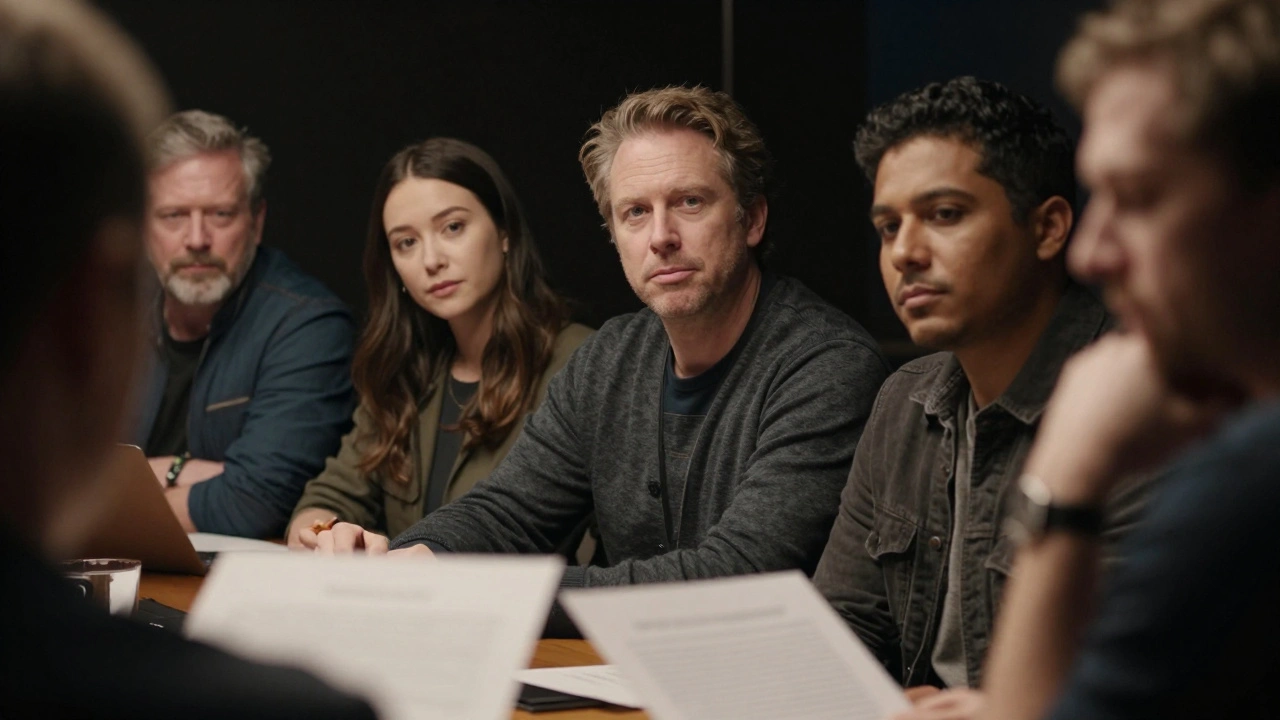
Walk into a writers’ room in 2026, and you won’t just see a group of people staring at a whiteboard. You’ll hear a dozen different accents, perspectives, and life experiences colliding to build a narrative. This isn’t just a trend; it’s the new standard for creating compelling film stories that resonate with global audiences. For decades, the industry relied on a narrow slice of society to tell universal tales. That model is broken. Today, the most successful projects are those built by teams that reflect the world they’re describing.
The Shift from Tokenism to Authentic Representation
Gone are the days when diversity was treated as a checkbox exercise. Early attempts at inclusion often resulted in token characters-someone added to a cast simply to meet a quota, without any real depth or agency. Audiences saw through it. Critics tore it apart. The stories felt hollow because the voices behind them were filtered through a single lens.
Now, the focus is on authentic representation. This means hiring writers who actually live the experiences they’re writing about. It’s not about adding a character of color to a script written by someone who has never faced systemic bias. It’s about giving that person the pen. When authentic representation takes root, dialogue becomes sharper. Cultural nuances are accurate. Stereotypes are dismantled before they’re even drafted. The result is a story that feels lived-in, not manufactured.
This shift requires producers and studio heads to change their hiring practices. It’s no longer enough to look at a writer’s previous credits. Teams need to look at background, community ties, and unique viewpoints. The goal is to create an environment where every voice in the room feels safe enough to challenge the status quo.
Why Homogeneous Rooms Create Flat Characters
Think about your favorite movie villain. Chances are, they had a complex motivation, a tragic backstory, or a twisted logic that made sense within their world. Now think about a villain created by a team that shares the same socioeconomic background, education, and cultural references as the protagonist. Often, that villain ends up being one-dimensional-a caricature of evil rather than a nuanced human being.
Homogeneous writers’ rooms suffer from echo chambers. When everyone thinks alike, conflicts in the plot feel predictable. Twists become obvious. Emotional beats land flat because the team hasn’t experienced the raw vulnerability or specific joy that comes from marginalized identities. Diversity forces friction. And in creative work, friction is gold. It sparks debate, which leads to better problem-solving, which results in richer character arcs.
Consider the difference between a romance written by someone who has never been in love versus someone who has navigated cross-cultural relationships. The details matter. The small gestures, the unspoken tensions, the specific fears-these come from experience. An inclusive room ensures these details aren’t guessed at; they’re remembered.
The Business Case for Inclusion
Let’s talk numbers. Studios are businesses, and they care about box office returns. Data consistently shows that films with diverse casts and creative teams perform better financially. A study by Annapurna Analytics found that movies with significant female representation in front-of-camera roles earned more money globally than those without. Similar trends apply to racial and ethnic diversity.
Why? Because the audience has changed. The global market is vast. Relying solely on domestic US demographics is a risky strategy. International viewers want to see themselves reflected on screen. They connect with stories that acknowledge their realities. By building inclusive writers’ rooms, studios unlock access to billions of dollars in international revenue. It’s not just charity; it’s smart economics.
Moreover, streaming platforms have amplified this effect. With algorithms serving content based on user preferences, niche stories can find massive audiences. A show about a specific immigrant experience might seem narrow to a traditional executive, but to millions of viewers worldwide, it’s relatable. Inclusivity broadens the net.
| Aspect | Traditional (Homogeneous) | Inclusive (Diverse) |
|---|---|---|
| Creative Perspective | Limited, repetitive tropes | Fresh angles, unexpected twists |
| Character Depth | Often stereotypical or flat | Nuanced, culturally accurate |
| Audience Reach | Primarily domestic/mainstream | Global, cross-demographic appeal |
| Financial Risk | Higher (predictable fatigue) | Lower (broader market appeal) |
| Industry Reputation | Outdated, criticized | Innovative, respected |

Challenges in Building Truly Inclusive Teams
It sounds simple: hire diverse people. But execution is messy. One major hurdle is the "pipeline" argument. Executives often claim there aren’t enough qualified diverse writers. This is a myth, but it persists because networks remain insular. Most jobs are filled through referrals. If your network looks like you, your hires will too.
To break this cycle, studios must actively recruit outside their usual circles. Organizations like The Black List and Writers Guild of America initiatives help surface talent that might otherwise be overlooked. Mentorship programs also play a crucial role. Pairing emerging writers with established professionals provides the connections needed to enter high-level rooms.
Another challenge is retention. Bringing someone into a room isn’t enough if the culture is toxic. Diverse writers often face microaggressions, exclusion from key meetings, or having their ideas stolen and credited to others. Creating psychological safety is essential. Leaders must enforce codes of conduct and ensure credit is given fairly. Without trust, talent leaves, and the cycle restarts.
Best Practices for Showrunners and Producers
If you’re leading a project, how do you ensure your room is truly inclusive? Start with intent. Make diversity a core value, not an afterthought. Here are actionable steps:
- Expand Your Search Radius: Don’t just look at agents in Los Angeles. Look at regional theaters, indie film festivals, and online writing communities.
- Blind Readings: Consider anonymized script submissions to reduce unconscious bias in the initial selection process.
- Diverse Leadership: Ensure the showrunner or head writer supports inclusion. If the leader isn’t committed, the rest of the room won’t follow.
- Pay Fairly: Freelance writers from underrepresented groups are often paid less. Standardize rates to prevent exploitation.
- Encourage Conflict: Foster an environment where disagreement is seen as creative fuel, not personal attack.
Also, consider the structure of the room itself. Are decisions made democratically, or does one voice dominate? Use round-table discussions where everyone speaks. Rotate note-taking duties so power dynamics don’t always favor the same person. Small structural changes can lead to big creative shifts.
The Impact on Storytelling Quality
Ultimately, the goal of inclusive storytelling is better art. When writers draw from their own lives, stories gain specificity. Specificity is what makes fiction feel real. A generic hero is forgettable. A hero who struggles with code-switching between home and work environments is memorable.
Look at recent successes in television and film. Shows that tackle complex social issues with nuance-like Ramy, Reservation Dogs, or Never Have I Ever-succeed because they are rooted in authentic voices. These creators didn’t just write *about* their cultures; they wrote *from* within them. The humor, pain, and triumphs ring true because they’re real.
This authenticity resonates with all audiences, not just those from the represented group. Humans are wired for empathy. When we see someone else’s struggle portrayed honestly, we connect. We learn. We grow. Inclusive writers’ rooms don’t just serve marginalized communities; they elevate the entire medium of filmmaking.
Future Trends in Industry Inclusion
As we move further into 2026, technology is playing a new role. AI tools are beginning to assist in script analysis, identifying potential biases or clichés before they hit production. While controversial, these tools can act as early warning systems, prompting writers to rethink lazy tropes.
Additionally, guilds and unions are tightening rules around credit and compensation. The Screen Actors Guild and writers’ unions are pushing for stricter enforcement of diversity mandates in funding deals. Public broadcasters and streamers are tying grants to measurable inclusion metrics. This regulatory pressure is forcing hands open.
We’re also seeing more intersectional approaches. It’s not just about race or gender anymore. It’s about disability, neurodiversity, LGBTQ+ identities, and class. The most forward-thinking rooms are considering multiple layers of identity simultaneously. This complexity mirrors real life, making stories richer and more layered.
What is an inclusive writers’ room?
An inclusive writers’ room is a collaborative team of screenwriters that intentionally includes individuals from diverse backgrounds, including race, gender, sexual orientation, disability, and socioeconomic status. The goal is to leverage varied life experiences to create more authentic, nuanced, and engaging stories.
Why do diverse writers’ rooms produce better stories?
Diverse teams bring different perspectives, challenging assumptions and avoiding stereotypes. This leads to more complex characters, unexpected plot twists, and cultural accuracy. It also helps stories resonate with broader global audiences, increasing emotional impact and financial success.
How can studios overcome the "pipeline" argument for diversity?
How can studios overcome the "pipeline" argument for diversity?
Studios can expand recruitment beyond traditional networks by tapping into regional theaters, indie festivals, and online communities. Implementing blind readings, mentorship programs, and partnering with organizations like The Black List helps surface hidden talent. Active outreach breaks the cycle of insular hiring.
What role does psychological safety play in inclusive rooms?
Psychological safety ensures that all writers feel comfortable sharing unique ideas without fear of ridicule or exclusion. It prevents tokenism and encourages genuine collaboration. Leaders must foster respect, enforce fair credit practices, and welcome constructive conflict to maintain a healthy creative environment.
Is there financial evidence supporting inclusive hiring?
Yes. Studies by firms like Annapurna Analytics show that films with diverse casts and creative teams often outperform homogeneous ones at the box office. Global audiences connect with authentic representation, driving higher revenue. Inclusivity reduces financial risk by appealing to wider demographics.





Comments(10)