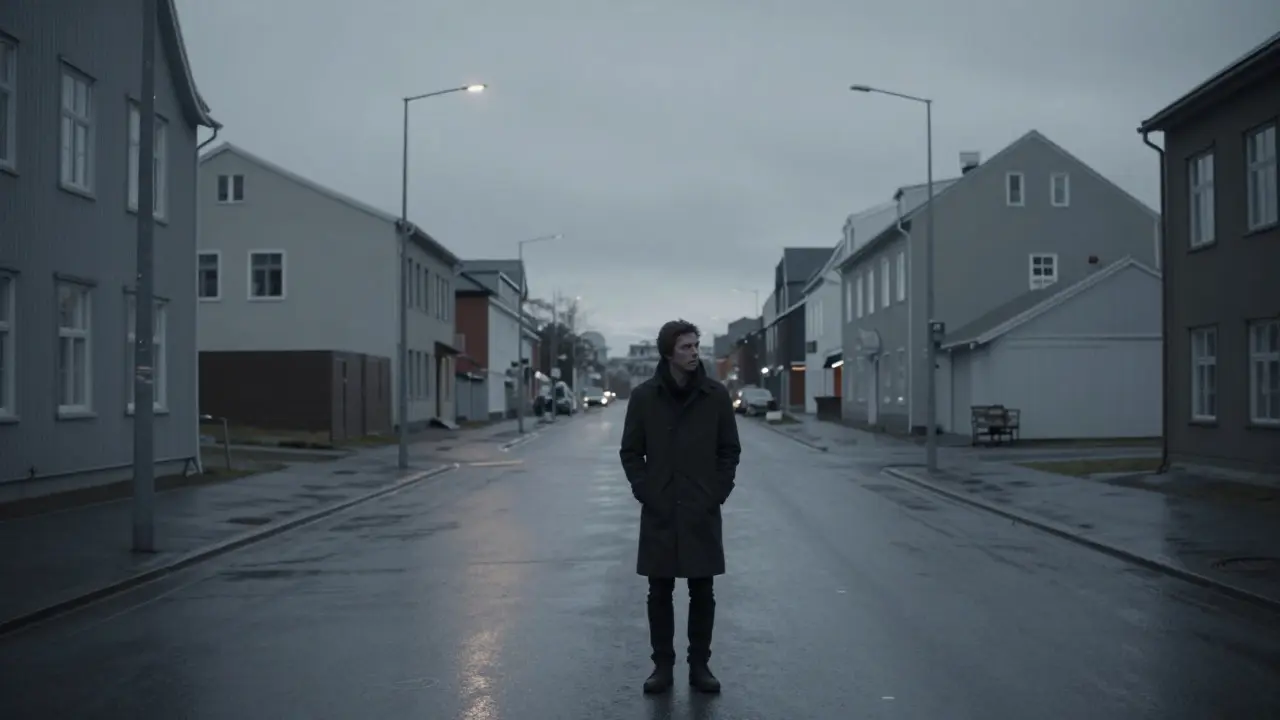
There is a specific kind of cold that seeps into your bones in a Nordic noir film. It’s not just the temperature outside; it’s the atmosphere on screen. Grey skies, wet pavement, and characters who seem to carry more secrets than they have words for. This subgenre of crime fiction has exploded from local television sets in Copenhagen and Stockholm to dominate streaming platforms worldwide. But how did a niche regional style become a global cinematic powerhouse? The answer lies in a unique blend of social realism, visual minimalism, and a storytelling approach that prioritizes mood over action.
The DNA of the Genre: What Makes It Different?
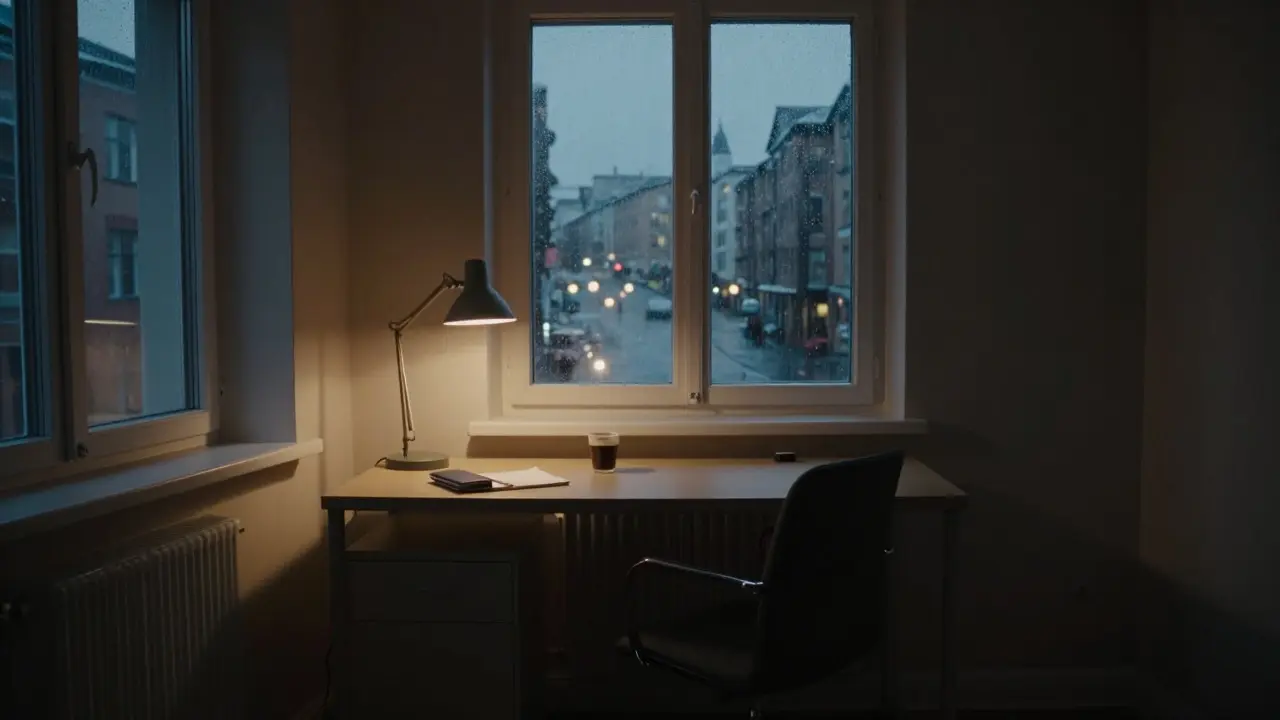
To understand the reach of this movement, you first need to define what actually constitutes the genre. Unlike American thrillers that rely on fast cuts, high-stakes chases, and explosive finales, Nordic noir thrives on stillness. It is a type of crime drama that belongs to the broader category of Scandinavian crime fiction, which itself is rooted in the literary tradition of authors like Henning Mankell and Stieg Larsson. The films are characterized by low saturation colors, long takes, and an emphasis on the societal context of the crime rather than just the criminal act itself.
The core attributes of these productions include:
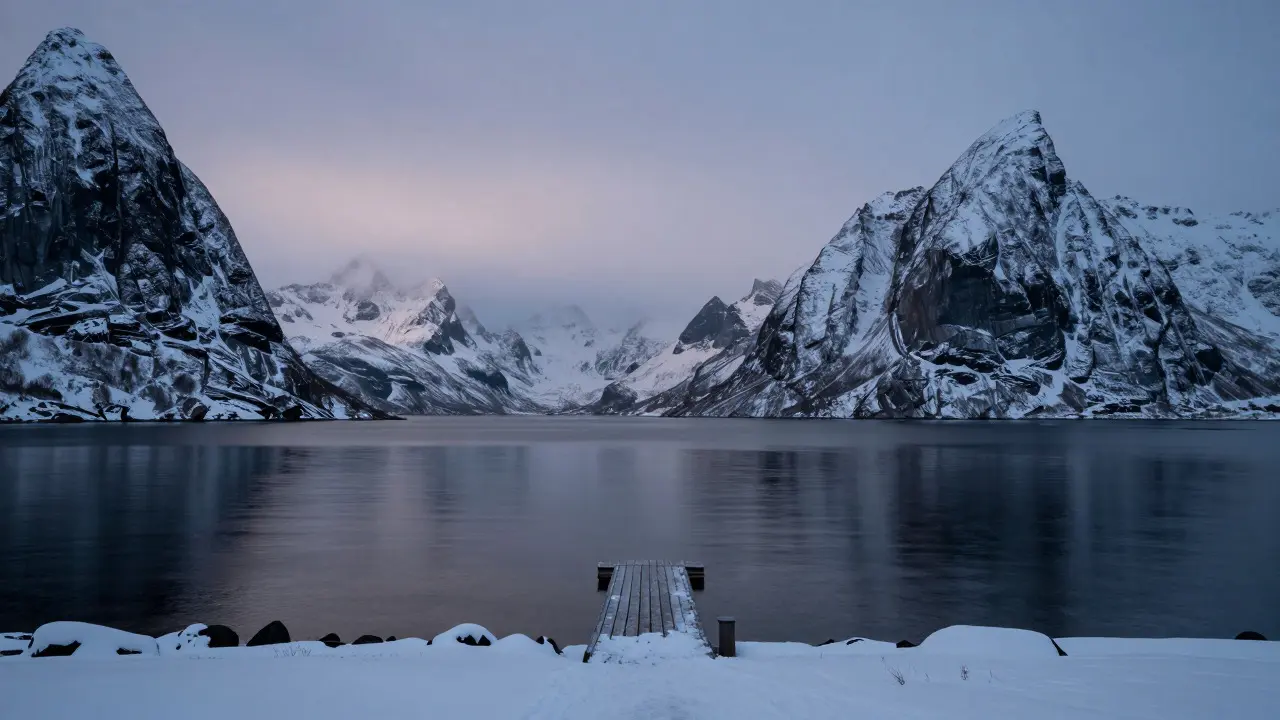
- Visual Aesthetics: Desaturated color palettes, natural lighting, and extensive use of landscapes (fjords, forests, snow) to reflect internal emotional states.
- Narrative Pacing: Slow-burn structures that allow tension to build through silence and observation rather than dialogue or action.
- Social Commentary: Stories often explore themes of immigration, class divide, and institutional failure, reflecting real-world issues in Scandinavia.
- Protagonist Archetypes: Flawed, often isolated detectives who struggle with personal demons alongside their professional cases.
This distinct identity separates it from other crime genres. While Hollywood offers escapism, Nordic noir offers reflection. It asks the audience to sit with discomfort, making the eventual resolution feel earned rather than convenient.
From Page to Screen: The Literary Foundation
You cannot talk about the films without acknowledging the books. The surge in popularity began largely in the early 2000s with the translation of Swedish author Stieg Larsson’s Millennium trilogy. However, the visual language was already being refined by directors who adapted works from Norwegian and Danish writers. The relationship between literature and cinema here is symbiotic. The books provided complex, morally ambiguous plots, while the filmmakers provided a visual grammar that made those plots feel grounded and authentic.
A key figure in bridging this gap is the concept of "co-production." Many major hits were not solely Swedish or Norwegian but involved collaborations across borders. For example, the production of The Bridge involved both Sweden and Denmark, mirroring the physical bridge connecting the two countries. This cross-border collaboration allowed for shared resources and a unified aesthetic that strengthened the brand identity of "Scandinavian" as a quality marker in global markets.
The Streaming Revolution: Why Netflix Changed Everything
Before the digital age, distributing a film from Oslo to Los Angeles was a logistical nightmare. Broadcast deals were limited, and cultural barriers kept audiences away. That changed when streaming giants entered the game. Platforms like Netflix recognized that the moody, high-quality visuals of Nordic productions translated well to screens of all sizes. They didn't just buy the rights; they invested in original content specifically designed for this demographic.
The strategy was simple: localize the marketing, keep the production authentic. By investing in series like Luther (which, while British, adopted similar tropes) and later directly commissioning Nordic originals, streamers created a feedback loop. Audiences discovered one show, binge-watched it, and then sought out others based on similar recommendations. This algorithmic discovery turned regional hits into global phenomena almost overnight. The data showed that viewers who watched one title had a high retention rate for subsequent titles in the same genre, proving the viability of the niche.
Key Players and Landmark Productions
Several titles stand out as pivotal moments in the genre's global ascent. Understanding these specific examples helps illustrate how the style evolved and spread.
| Title | Country | Year | Primary Influence |
|---|---|---|---|
| The Killing (Forbrydelsen) | Denmark | 2007 | Pioneered the slow-burn police procedural format internationally. |
| Bridge to the Other Side | Sweden/Denmark | 2011 | Demonstrated the power of cross-border co-productions and dual protagonists. |
| Trapped (Locke & Key / Trapped) | Sweden | 2014 | Showcased psychological depth and family dynamics within the crime framework. |
| White Queen | Sweden | 2018 | Brought a female-led perspective to the genre, expanding its appeal. |
Each of these productions contributed a different layer to the genre's identity. The Killing taught the world that a murder mystery could be compelling even if the killer isn't revealed until hour ten. Bridge to the Other Side proved that the setting itself could be a character. These films didn't just entertain; they educated global audiences on how to watch crime dramas differently.
How the Style Influenced Hollywood and Beyond
The impact wasn't limited to watching Scandinavian shows. It changed how other countries made their own crime stories. Directors in the UK, Germany, and even the US began adopting the desaturated color grading and slower pacing. You can see this shift in recent American series that prioritize atmospheric dread over jump scares or quick resolutions. The "Scandi-look" became a shorthand for prestige television.
Furthermore, the success of these films boosted tourism in the regions where they were shot. Locations in Norway and Sweden saw spikes in visitor numbers, creating a secondary economic benefit known as "set-jetting." This cycle reinforced the value of the genre: it wasn't just profitable at the box office or on streaming metrics; it was a cultural export that enhanced the soft power of the Nordic nations.
Challenges and Future Directions
Despite its success, the genre faces challenges. Critics sometimes argue that the formula has become too predictable, leading to a flood of imitations that lack the original depth. There is also a risk of homogenization, where producers chase the "safe