
Five years ago, a TikTok dancer with 200,000 followers got cast in a major Netflix movie. No agent. No drama school. No audition room. Just a viral video and a casting director who saw something real. That’s not an outlier anymore-it’s a pattern.
How Casting Changed Overnight
For decades, casting worked like a funnel: auditions → agents → screen tests → roles. The path was narrow, controlled, and expensive. You needed connections, training, and patience. Today, that funnel is broken. Platforms like TikTok, Instagram, and YouTube don’t just show off dances or makeup-they show personality, emotion, and raw presence. And studios are noticing.
Netflix’s Sex Education cast a TikTok creator as a lead after she posted a 15-second skit about anxiety in high school. Amazon hired a Twitch streamer for a sci-fi series because his improvisational humor matched the character’s chaotic energy. Disney even ran a public casting call on Instagram for a teen movie, asking followers to submit 60-second monologues. The winner? A 17-year-old from Ohio who had never acted before.
This isn’t random. It’s strategy. Studios want authenticity. They want audiences to believe the person on screen isn’t performing-they’re living. Influencers already do that every day. Their content isn’t scripted. It’s reactive. It’s emotional. It’s human.
What Studios Look For in Influencers
Not every influencer gets cast. There’s a filter. Casting teams aren’t just counting followers. They’re watching for specific traits:
- Emotional range - Can they shift from laughter to tears in under 10 seconds? Look at how influencers react to surprise videos or emotional messages from fans.
- Consistency - Do they show up every day? Do they have a rhythm? That’s discipline. Film sets demand it.
- Camera comfort - They’re used to being watched. They know how to hold a look, adjust lighting with their phone, and speak directly to the lens. That’s natural screen presence.
- Audience trust - Their followers believe them. That’s the same trust studios need for a lead actor.
A casting director from A24 told Variety in early 2024 that they now review influencer reels before traditional headshots. “If someone’s been posting daily for two years and their audience grows because they’re relatable, that’s more valuable than a 20-year-old actor who went to Juilliard but can’t make you feel anything,” she said.
The Pipeline: No Agent, No Audition, No Problem
Here’s how it actually works now:
- Content goes viral - An influencer posts a personal story, a comedic bit, or a dramatic monologue. It gets picked up by fans, then by editors, then by casting scouts.
- Scouts find them - Talent agencies and casting houses use AI tools to scan platforms for emotional authenticity, engagement spikes, and narrative arcs in content.
- Direct outreach - No cold email. No LinkedIn message. They DM the influencer. Sometimes with a script. Sometimes just: “We think you’re right for this.”
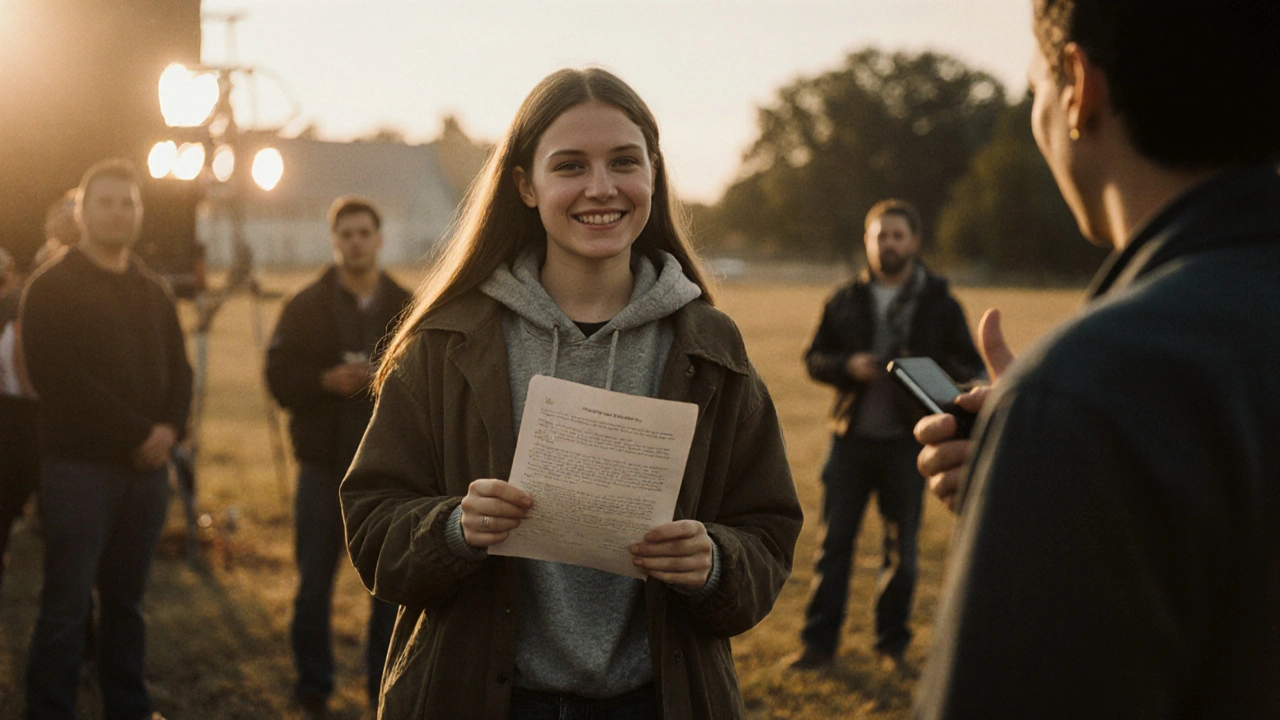
- Low-pressure tryout - Instead of a 30-minute audition with 15 other actors, they’re asked to film a 2-minute scene at home. No lights. No wardrobe. Just them.
- Cast - If it clicks, they’re hired. Often without a screen test.
One example: A YouTube vlogger named Lila Cruz had a series called “My First Therapy Session.” She filmed herself talking about her panic attacks. The video got 12 million views. A producer saw it and flew her to Atlanta. Two weeks later, she was shooting a lead role in a Sundance-bound film about mental health.
Why This Works Better Than Traditional Auditions
Traditional auditions are performative. You’re asked to cry on cue. To scream with joy. To fake grief. It’s exhausting. And often, it’s fake.
Influencers don’t fake it. They’ve been doing real emotion for years. They’ve cried on camera after getting bad news. They’ve laughed until they cried during a failed cooking attempt. They’ve shared their worst days and their best moments-all in front of a phone.
That’s why directors say influencers often deliver more natural performances in fewer takes. One indie filmmaker told me he cut a scene from 12 takes to 3 when he cast a TikTok poet. “She didn’t need direction. She just needed the context,” he said.
The Flip Side: Risks and Criticisms
This shift isn’t without pushback.
Some actors argue it devalues training. “Acting is a craft,” says veteran stage actor Marcus Reed. “You don’t become a surgeon by posting YouTube videos about cuts and bandages.”
And yes, there are bad hires. Not every influencer can carry a movie. Some struggle with long takes, script memorization, or working with a crew. Studios have learned to pair them with strong co-stars or directors who guide them.
There’s also the issue of diversity. While influencers bring fresh voices, they’re still often from similar backgrounds-urban, young, digitally fluent. Casting teams are now actively seeking influencers from rural areas, older demographics, and non-English-speaking communities to balance the pipeline.
What This Means for Aspiring Actors
If you’re not an influencer but want to break into film, here’s what you need to know:
- Start posting - Even if you’re not “good.” Show your range. Do monologues. React to news. Tell your story. Consistency beats polish.
- Focus on authenticity - Don’t try to be someone else. People connect with real emotion, not perfect technique.
- Learn the language of film - Watch how scenes are shot. Study pacing. Understand lighting. Influencers who understand framing have a huge edge.
- Don’t wait for a call - If you think you’re right for a role, reach out. Send a link to your best video with a short note: “I’d love to be considered for [role].”
The old system isn’t gone. It still exists. But it’s no longer the only way in. The new gatekeepers aren’t casting directors in Manhattan-they’re algorithms that track engagement, and real people who care about truth over polish.
What’s Next?
By 2026, major studios will have dedicated teams scanning social platforms for talent. Some are already testing AI tools that analyze facial expressions, vocal tone, and emotional arc in influencer content to predict screen potential.
Meanwhile, acting schools are adding “digital presence” to their curriculums. UCLA’s film program now offers a class called “Casting in the Age of Virality.”
The line between influencer and actor is fading. The future belongs to those who can be real on camera-whether they’re holding a phone or a script.
Can anyone become a film actor through social media?
Yes, but not just anyone. You need consistent, emotionally authentic content that shows range, not just popularity. Studios look for people who can convey complex feelings without training. If your content makes people feel something, you’re already halfway there.
Do influencers need acting experience to get cast?
No. Many have none. What matters is how naturally they express emotion on camera. A 17-year-old who posts daily vlogs about her anxiety might be more convincing as a troubled teen than a trained actor who can’t access vulnerability.
Are influencers paid the same as traditional actors?
It depends. For indie films, influencers often get similar rates to new actors. For bigger projects, they may get a lower upfront fee but higher backend deals tied to social media buzz. Some studios even pay based on how much their casting drives streaming views.
How do casting directors find influencers?
They use a mix of manual scouting and AI tools that scan platforms for high-engagement videos with emotional depth. They also work with talent agencies that specialize in digital creators. Many now have teams dedicated to monitoring TikTok and Instagram trends.
Is this trend just a fad?
No. Audiences are tired of polished, artificial performances. They crave realness. Social media has trained people to recognize authenticity-and studios are responding. This isn’t a trend. It’s the evolution of storytelling.


Comments(9)