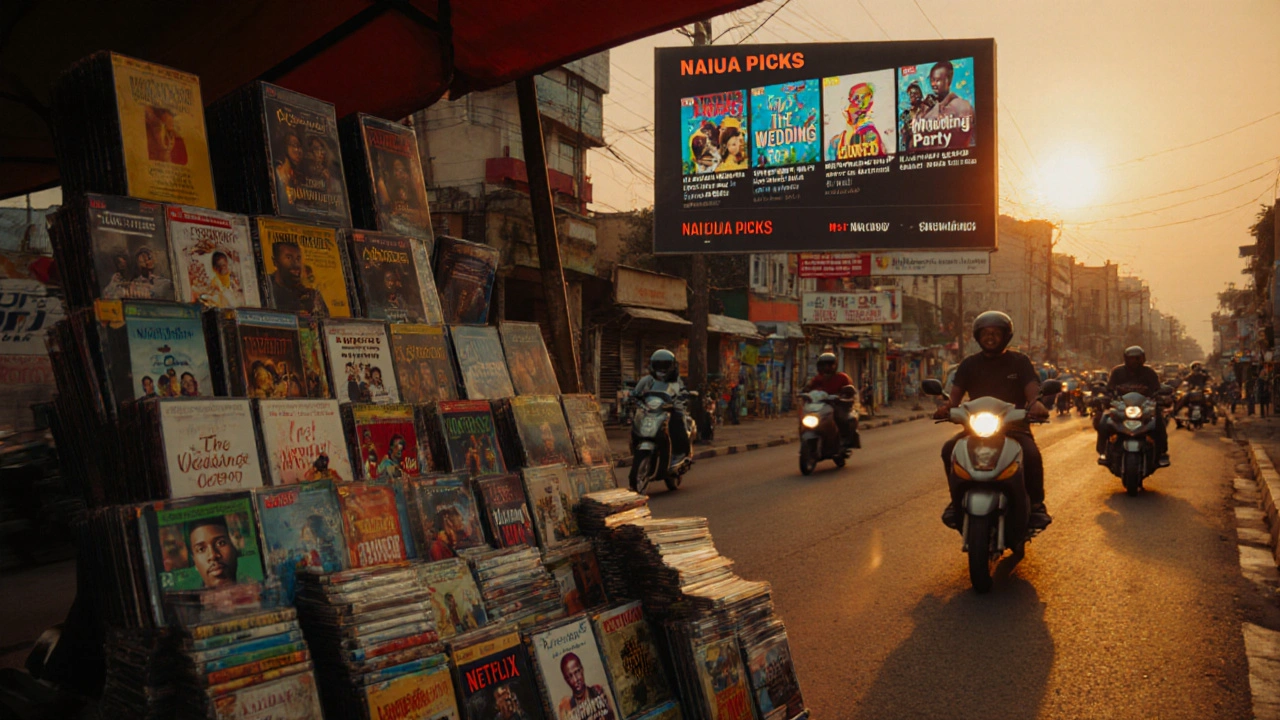
Nollywood isn’t just growing-it’s breaking out. Once seen as a local phenomenon fueled by low-budget DVDs sold at street corners, Nigerian cinema now streams in over 190 countries. In 2024, Nollywood produced over 2,500 films, making it the second-largest film industry in the world by volume, behind only India’s Bollywood. But numbers don’t tell the whole story. What’s truly changing is how these stories find audiences far beyond Lagos, Abuja, or Port Harcourt.
From DVDs to Netflix: The Distribution Revolution
Ten years ago, if you wanted to watch a Nigerian movie outside Nigeria, you’d need a friend to mail you a DVD or hunt down a dusty shelf in a West African grocery store. Today, it’s a click away. Platforms like Netflix, Amazon Prime Video, and Showmax have signed exclusive deals with Nigerian producers. In 2023, Netflix alone added over 120 Nollywood titles to its catalog, including hits like The Wedding Party, King of Boys, and Living in Bondage: Breaking Free.
The shift wasn’t accidental. Nigerian filmmakers started making content with global appeal-not by copying Hollywood, but by doubling down on what made their stories unique: family drama rooted in Yoruba traditions, urban crime tales with Afrobeat soundtracks, and romantic comedies set in Lagos traffic jams. These aren’t niche stories. They’re universal ones, told with a rhythm and flavor audiences hadn’t seen before.
Why Global Audiences Are Hooked
People aren’t just watching Nollywood because it’s cheap or convenient. They’re watching because it feels real. A study by the University of Lagos in 2023 found that 68% of international viewers said they connected with Nollywood films because of their emotional honesty. Unlike polished Western dramas, Nollywood movies often shoot on location with non-professional actors, use natural lighting, and embrace improvisation. That rawness translates.
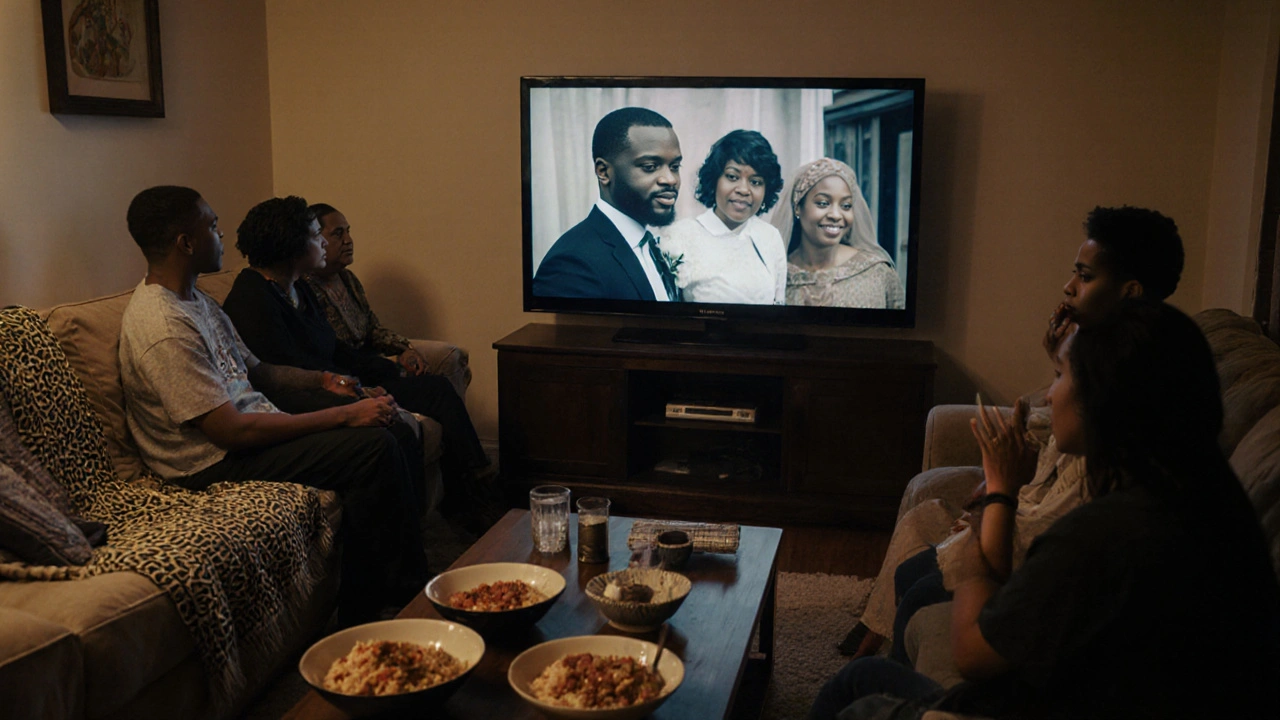
Take The Wedding Party. It’s a romantic comedy about a wealthy Nigerian family planning a wedding. But beneath the glitter, it’s about class, tradition, and generational conflict-themes that resonate from London to Los Angeles. A viewer in Toronto told a film blog, “I’ve never been to Nigeria, but I knew these people. My auntie is exactly like that.”
Music plays a huge role too. Afrobeat isn’t just background noise-it’s storytelling. Songs by Burna Boy, Wizkid, and Tems aren’t just licensed; they’re woven into the plot. When a character dances in a scene, it’s not just for fun-it’s cultural context. Global audiences don’t just hear the beat; they feel the pulse.
How Nigerian Producers Are Building Global Teams
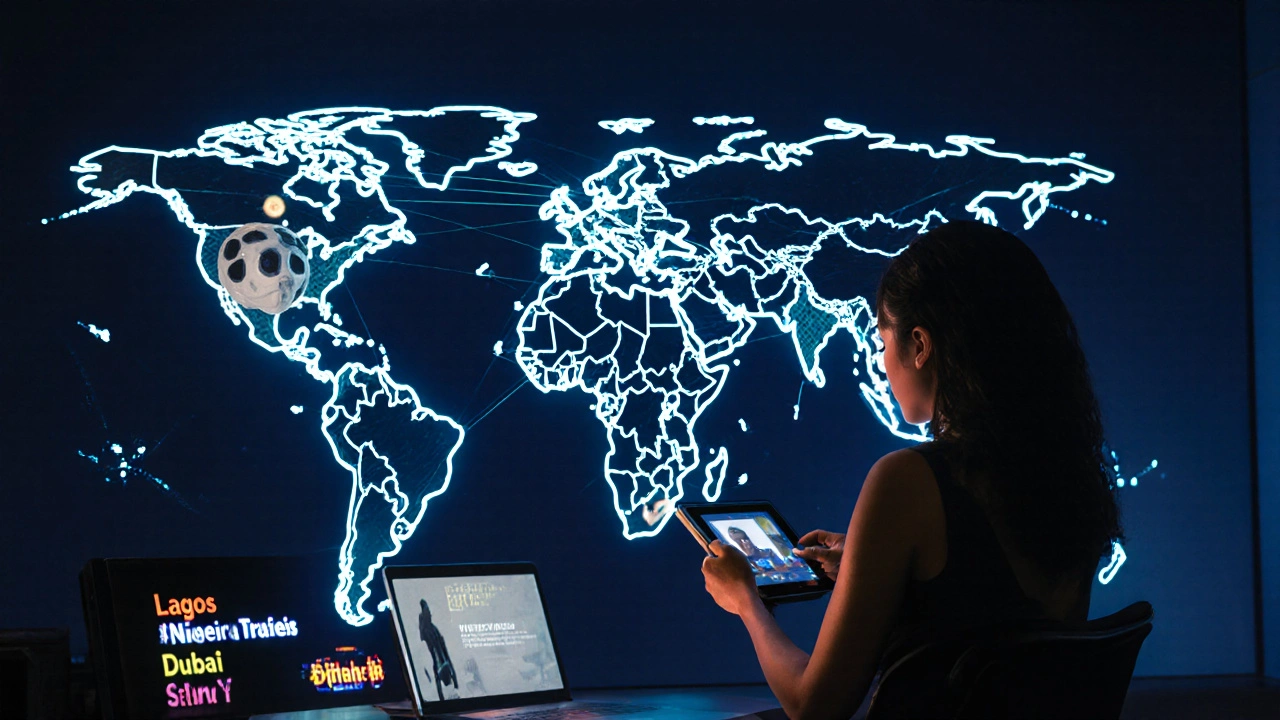
Going global isn’t just about uploading to Netflix. It’s about building systems. Top Nollywood studios now have international distribution teams based in London, Atlanta, and Dubai. They hire translators for subtitles in Spanish, French, and Mandarin. They partner with diaspora film festivals in Toronto, London, and Johannesburg to build buzz before a film even drops online.
Some producers even co-produce with foreign studios. Òlòtūré, a 2019 film about human trafficking, was co-funded by a German production house and later won awards at the Africa Movie Academy Awards and the Pan African Film Festival in Los Angeles. That kind of collaboration gives Nollywood films access to international press, better marketing budgets, and credibility with global streaming algorithms.
And it’s working. In 2024, Nollywood generated over $1.2 billion in global revenue, with 42% coming from outside Africa. That’s more than the entire film industries of Kenya, Ghana, and South Africa combined.
Streaming Algorithms Are Favoring Nollywood
It’s not just about content-it’s about data. Streaming platforms use algorithms that recommend films based on what similar viewers watch. When a viewer in Chicago watches a Nigerian drama, the algorithm starts suggesting other Nollywood titles. Then another viewer in Sydney sees it. Then one in Berlin. It snowballs.
Nollywood films often have high retention rates. A 2024 report from Parrot Analytics found that Nollywood titles on Netflix had a 78% completion rate-higher than the platform average of 71%. Why? Because they’re bingeable. Most Nollywood films are under two hours, packed with twists, and end with emotional payoffs. No slow build-ups. No filler. Just story.
Platforms noticed. Now, Netflix’s “African Stories” and Amazon’s “Naija Picks” sections are curated by local editors, not algorithms alone. That human touch matters. It means Nigerian films aren’t just shoved into a “World Cinema” bucket-they’re given their own spotlight.
Challenges Still Remain
But it’s not all smooth sailing. Piracy still eats up an estimated 30% of potential revenue. Many filmmakers still lack proper contracts with international distributors. And while global platforms pay upfront licensing fees, those payments rarely trickle down to actors, editors, or location scouts.
There’s also a language barrier. While English is the main language of Nollywood, many films include Pidgin, Yoruba, Igbo, or Hausa. Subtitling isn’t always accurate or culturally nuanced. A joke in Pidgin doesn’t always land in French. Some distributors now hire native translators who grew up in both Nigeria and the target country to make sure the tone stays right.
And then there’s the perception problem. Some global audiences still think Nollywood = low quality. But that’s changing fast. Films like The Milkmaid, Nigeria’s first Oscar submission in over a decade, proved that Nollywood can compete on technical and artistic levels with European and American indie films.
What’s Next? The Road to 2030
The next wave isn’t just about more films. It’s about better infrastructure. Nigeria’s government launched the Nollywood Creative Industry Fund in 2023, allocating $50 million to support international co-productions, digital archiving, and training for filmmakers in AI editing and virtual production.
Meanwhile, young Nigerian directors are moving beyond Lagos. Filmmakers from Kano, Enugu, and Calabar are telling stories about rural life, religious tension, and climate change-all with global relevance. One 24-year-old from Benue State just finished her debut film, When the River Cried, about a village displaced by a dam. It’s already picked up by Sundance’s global short film program.
By 2030, experts predict Nollywood will be the most-watched film industry in Africa, with over 50% of its revenue coming from outside the continent. More importantly, it won’t be seen as “African cinema.” It’ll just be cinema-period.
What started with VHS tapes and street hawkers is now a global storytelling force. And it’s only getting started.
Are Nollywood films only in English?
No. While English is the most common language in Nollywood films due to Nigeria’s colonial history and nationwide reach, many films include Pidgin English, Yoruba, Igbo, Hausa, and other local languages. International releases usually include subtitles, and some studios now hire bilingual translators to ensure cultural context isn’t lost in translation.
Where can I watch Nollywood movies outside Nigeria?
You can watch Nollywood films on major streaming platforms like Netflix, Amazon Prime Video, Showmax, and iROKOtv. Many titles are also available on YouTube through official channels like FilmOne and Ovation. Some are free with ads, while others require a subscription. Regional platforms like Zee5 and MyCujoo also carry select Nollywood content in Europe and Asia.
Do Nollywood films win international awards?
Yes. In recent years, Nollywood films have won awards at the Toronto International Film Festival, Pan African Film Festival, Africa Movie Academy Awards, and the Venice Film Festival. The Milkmaid was Nigeria’s official submission for the 2021 Oscars, and King of Boys was selected for the Berlin International Film Festival. These aren’t niche recognitions-they’re mainstream validations.
How do Nollywood films compare to Hollywood in production quality?
Production quality varies widely. Early Nollywood films were known for low budgets and shaky camerawork. But today’s top-tier productions rival Hollywood in lighting, sound design, editing, and visual effects. Films like The Wedding Party 2 and Living in Bondage: Breaking Free use professional-grade equipment, color grading, and CGI. The difference isn’t budget-it’s intent. Nollywood filmmakers focus on storytelling over spectacle, which often makes their films feel more authentic.
Why are Nigerian films so popular in the diaspora?
The Nigerian diaspora-over 2 million people in the U.S., UK, and Canada-uses Nollywood films to stay connected to home. But it’s more than nostalgia. These films reflect their dual identities: Nigerian roots and global lives. They see themselves in the characters-parents who sacrifice, children who rebel, communities that hold on. For many, watching a Nollywood film is like hearing their mother’s voice or smelling jollof rice cooking.





Comments(8)