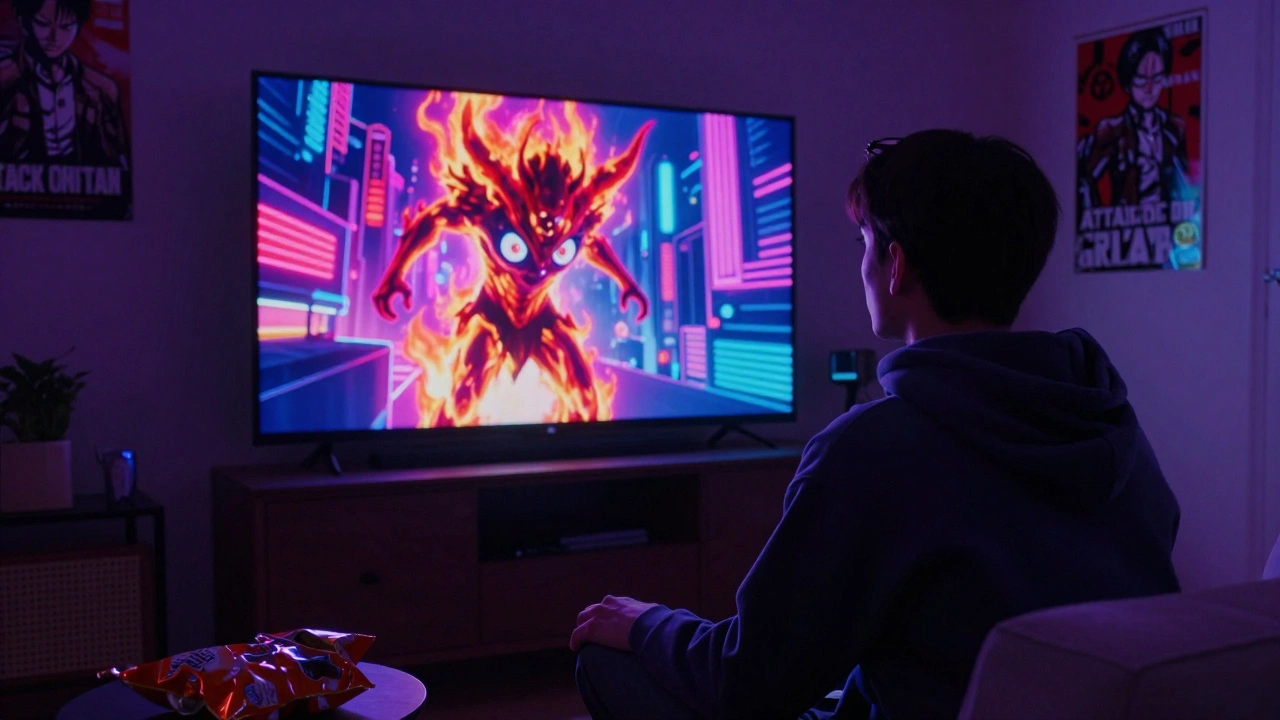
Streaming services used to chase big numbers-blockbusters, franchises, celebrity-driven shows. But now, the real growth isn’t in the most-watched titles. It’s in the ones that barely make the top 10 but keep people coming back month after month. Anime, LGBTQ+ stories, and arthouse films aren’t just side dishes anymore. They’re the core of what keeps audiences loyal. And if you’re not watching these, you’re missing the most interesting part of streaming right now.
Anime Isn’t Just for Kids Anymore
When Netflix released Attack on Titan in 2013, most Western viewers thought it was a cartoon for teens. Ten years later, it’s one of the most-discussed shows on Reddit, Twitter, and TikTok. Why? Because modern anime doesn’t just entertain-it explores trauma, identity, and societal collapse with a depth most live-action shows avoid.
Prime Video’s Blue Exorcist: Kyoto Saga and Apple TV+’s Parasyte: The Grey aren’t just adaptations. They’re full-blown cinematic experiences. Studio Trigger’s Great Teacher Onizuka remake on Crunchyroll uses bold color palettes and surreal editing that feel more like a David Lynch film than a school drama. And it’s not just action. Slice-of-life anime like Shikimori’s Not Just a Cutie and My Dress-Up Darling have higher viewer retention than most rom-coms on Hulu.
Streaming platforms now commission anime directly from Japanese studios instead of licensing finished products. Netflix’s Devilman Crybaby was made with Gainax’s original team, and Amazon’s Blade Runner: Black Lotus was co-produced with Studio Madhouse. These aren’t cheap filler-they’re high-budget, visually ambitious projects with budgets that rival Hollywood films.
What’s surprising? Anime viewers are older. A 2025 Crunchyroll survey found 68% of U.S. anime fans are between 25 and 44. They’re not bingeing for nostalgia. They’re watching because these stories feel more honest than anything on network TV.
LGBTQ+ Stories Are No Longer Tokenized
A decade ago, LGBTQ+ characters were either sidekicks, tragic figures, or punchlines. Now, they’re the center of the story-and the reason people subscribe.
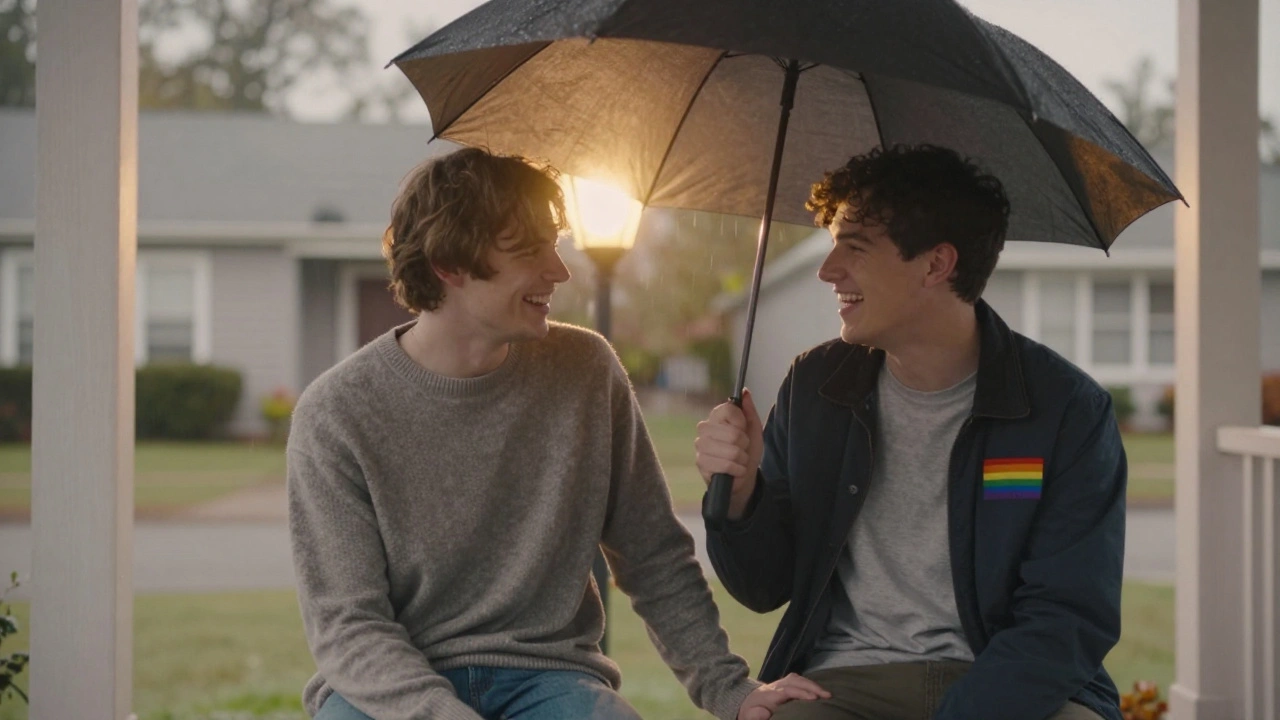
Apple TV+’s Heartstopper didn’t just get good reviews. It became a cultural reset. The show’s third season, released in late 2025, had a 92% viewer retention rate across all episodes. Why? Because it shows queer joy without trauma as the default. No coming-out scenes as the climax. No suicide attempts as plot devices. Just two boys holding hands in the rain, laughing.
HBO Max’s Sort Of-a Canadian series about a non-binary person navigating family, work, and identity-won two Emmys in 2024. It’s shot like a documentary, with handheld cameras and real locations in Calgary. The lead actor, Bilal Baig, co-wrote the series. The script was developed over three years with input from 47 LGBTQ+ community members.
Even Netflix, once criticized for pushing “rainbow-washing,” now has a slate of original LGBTQ+ films that don’t fit the mold. My Name Is David (2025) follows a gay Black man in rural Georgia who runs a small-town bookstore. There’s no big reveal, no villain, no redemption arc. Just quiet moments: him reading to a customer, fixing a leaky roof, dancing alone in his kitchen.
These aren’t niche because they’re small. They’re niche because mainstream media still refuses to make them. Streaming platforms filled that gap-and now, they’re the most reliable source for authentic queer storytelling.
Arthouse Films Are Streaming’s Best-Kept Secret
Remember when arthouse films meant black-and-white French dramas with subtitles you had to squint at? That’s not what’s happening now.
Amazon’s The Quiet Girl (2023), an Irish-language film about a withdrawn girl placed with foster parents, won the Grand Jury Prize at Sundance. It later became the most-watched foreign-language film on Prime Video in 2024. No stars. No explosions. Just 97 minutes of silence, glances, and the sound of rain on a tin roof.
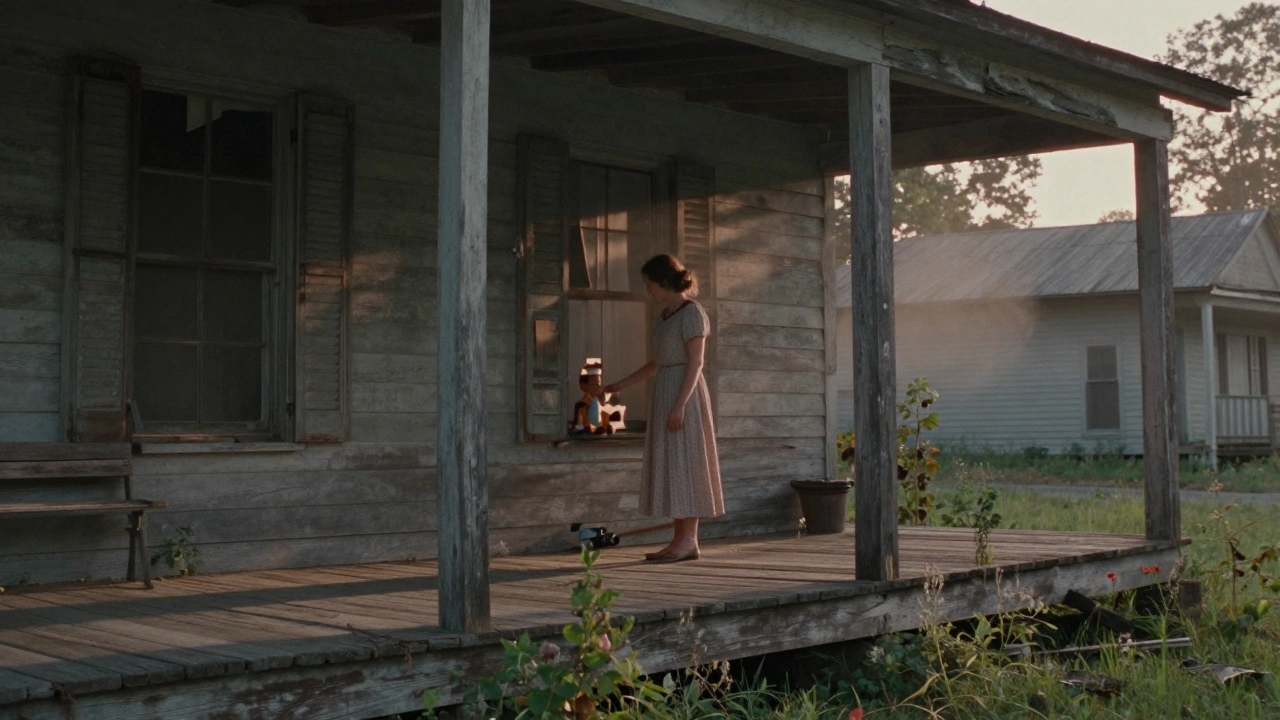
Disney+’s Star Originals quietly launched a series called Midnight in the Garden of Good and Evil-not the book adaptation, but a 10-episode experimental film series shot entirely on 16mm film. Each episode is 20 minutes, no dialogue, only ambient sound. It’s based on the real-life quiet moments of people living in abandoned towns across the American South. Viewership? Low. Engagement? Off the charts. People rewatch it. They post screenshots. They write essays.
And then there’s Still Life (2025), a Chinese arthouse film about a man who collects discarded objects from a flooded village. It was made for $80,000. It has no actors. The “cast” are real locals. It premiered at Cannes and is now available on Hulu. Critics called it “a poem you can feel.”
These films don’t need trailers. They spread through word of mouth. They’re the kind of movies you send to a friend with the message: “Watch this. Don’t tell me what you think. Just tell me how it made you feel.”
Why These Genres Thrive on Streaming
Traditional TV had to appeal to the broadest possible audience. Streaming doesn’t. It can afford to serve the specific.
Netflix’s algorithm doesn’t push My Dress-Up Darling to everyone. It pushes it to people who watched Chainsaw Man and rated Blue Period highly. That’s how niche content survives. It finds its people.
And those people? They’re not passive viewers. They’re community builders. They make fan art. They start podcasts. They organize watch parties. They translate subtitles. They petition for physical releases. They’re the reason these films keep getting made.
Streaming services know this. That’s why they’re spending more on these genres. In 2025, anime originals increased by 42% year-over-year. LGBTQ+ films grew by 37%. Arthouse titles jumped 51%-mostly because platforms realized these films have higher lifetime value. A viewer who watches one arthouse film is 3x more likely to stay subscribed for a year.
Where to Start
If you’re new to these genres, here’s where to begin:
- Anime: Start with Monster (2004, Crunchyroll) for psychological depth, or Yokohama Kaidashi Kikou (2024, Netflix) for quiet, poetic storytelling.
- LGBTQ+: Try Heartstopper (Apple TV+) for warmth, or Sort Of (HBO Max) for raw realism.
- Arthouse: Begin with The Quiet Girl (Disney+), then move to Still Life (Hulu) and Memories of My Father (Amazon Prime).
Don’t feel like you have to watch them all at once. These films aren’t meant to be consumed fast. They’re meant to sit with you.
What’s Next
By 2027, we’ll see more hybrid formats: anime-inspired live-action films, LGBTQ+ documentaries that feel like fiction, arthouse shorts released as TikTok series. The lines are blurring. And that’s the point.
Streaming didn’t just change how we watch. It changed what we’re willing to watch. The future of film isn’t in the biggest budget. It’s in the most honest story-and the people who refuse to look away.
Are anime films only for teenagers?
No. While some anime targets younger audiences, the most popular streaming titles like Monster, Parasyte: The Grey, and Attack on Titan are watched primarily by adults aged 25-44. These stories tackle complex themes like trauma, identity, and societal collapse-topics rarely explored with this depth in Western live-action series.
Why are LGBTQ+ films on streaming better than on traditional TV?
Traditional TV often reduced LGBTQ+ characters to stereotypes or side plots. Streaming platforms, free from ad-driven ratings pressure, now fund stories written by LGBTQ+ creators themselves. Shows like Sort Of and Heartstopper focus on everyday joy, not trauma as a plot device-something network TV rarely does.
What makes a film "arthouse"?
Arthouse films prioritize mood, visual storytelling, and emotional resonance over plot or star power. They often use long takes, natural lighting, minimal dialogue, and real locations. Films like The Quiet Girl and Still Life aren’t made to entertain quickly-they’re made to linger in your mind long after the credits roll.
Can I find these films on free streaming services?
Rarely. Most of these films are exclusive to paid platforms like Netflix, Apple TV+, and Amazon Prime. Free services like Tubi or Pluto TV rarely have the licensing rights for recent, high-quality niche titles. The quality and depth of these stories require investment-and that means subscription access.
Why should I care about niche genres if I like mainstream movies?
Because the best storytelling today is happening outside the mainstream. These films are pushing boundaries in visuals, structure, and emotion that big-budget movies can’t afford to try. Watching them doesn’t mean giving up on blockbusters-it means expanding what you consider great cinema.
If you’ve ever felt like mainstream films don’t speak to you anymore, you’re not alone. The real revolution isn’t in the biggest hits. It’s in the quiet ones-the ones that don’t need a trailer, a celebrity, or a franchise. Just a story worth telling.




Comments(8)