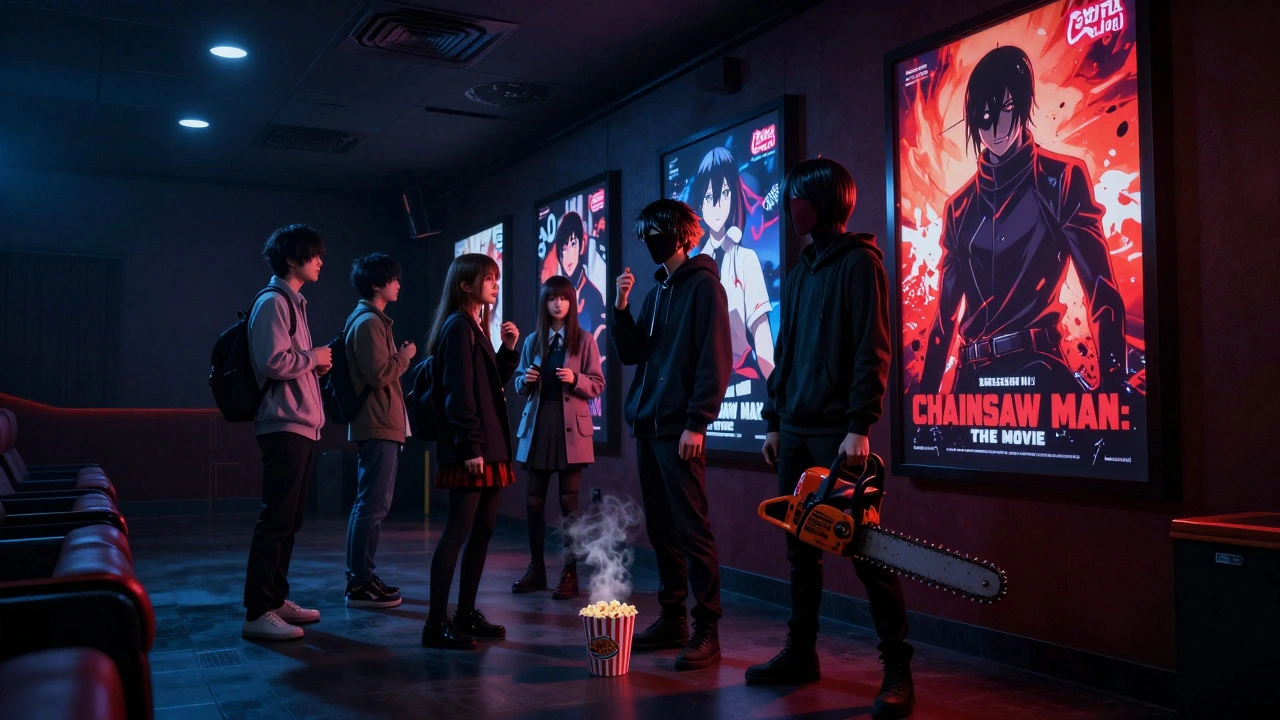
When Chainsaw Man hit theaters in late 2025, no one expected it to break records. Not because it wasn’t good - it was brutal, funny, and emotionally raw - but because anime films, especially those based on ongoing manga series, rarely dominate the box office outside Japan. Yet, Chainsaw Man: The Movie opened to $87 million globally in its first three weeks. It wasn’t just a hit. It was a turning point.
Why Chainsaw Man Worked When Other Anime Films Didn’t
Most anime films try to be self-contained. They wrap up arcs, tie up loose ends, or serve as side stories. Think of My Hero Academia: Heroes Rising or Demon Slayer: Mugen Train - both were huge, but they were designed as standalone events. Chainsaw Man did something different. It didn’t try to finish the story. It didn’t even try to summarize it. Instead, it took the first 12 episodes of the anime and turned them into a cinematic experience that felt like the first chapter of a much larger saga.
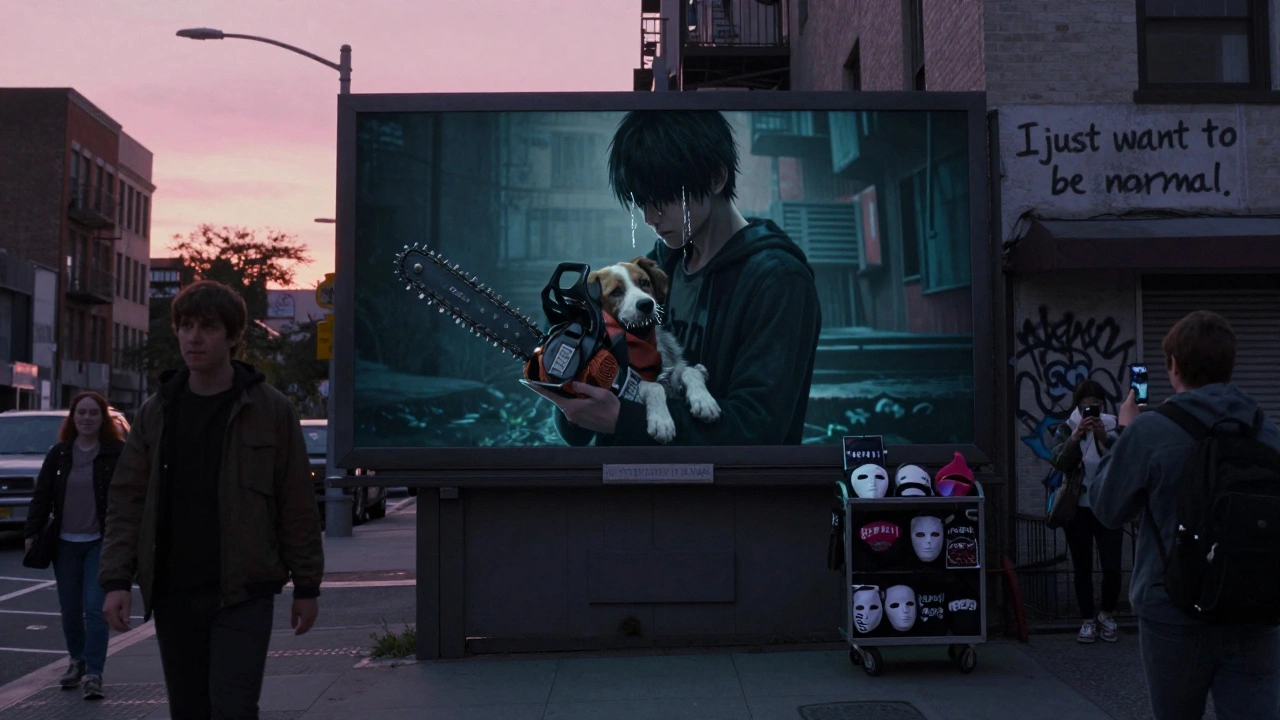
That’s the key. It treated the audience like fans who already knew the world. No exposition dumps. No recap scenes. Just chaos, blood, and Denji holding a chainsaw while crying over his dead dog. It trusted viewers to remember what happened in the anime. And they did. Because they cared.
That’s the first sign of a new kind of anime IP strategy: serialized storytelling in theaters. Not as a movie. Not as a finale. But as a live-action-style season premiere.
The Rise of the Serialized Film
Before Chainsaw Man, the only anime films that made serious money were either:
- Franchises with built-in global recognition (like Dragon Ball Super: Broly)
- Studio Ghibli films with timeless appeal
- Events tied to major holidays or limited-time releases
Chainsaw Man had none of that. It had no prior movie. No legacy brand. Just a manga that ended in 2020 and an anime that aired in late 2022. Yet, it opened bigger than My Hero Academia: You’re Next - which had a 7-year head start.
Why? Because it wasn’t trying to attract casual viewers. It was built for the fans. And those fans brought their friends. And their friends’ friends. Social media exploded with clips of the opening scene - Denji’s first transformation - and the moment he says, “I just want to be normal.” That line went viral. Not because it was poetic. Because it was real.
Studio MAPPA didn’t make a movie. They made a theatrical event. And it worked because it didn’t feel like a movie. It felt like Episode 13 of the anime… but with better lighting and a bigger screen.
What This Means for Other Franchises
Now, studios are looking at their own back catalogs and asking: What if we did this?
Take Jujutsu Kaisen. It’s already a global phenomenon. Its anime aired in 2020. The manga is still ongoing. The next arc - the Culling Game - is one of the most intense in modern shonen. Instead of waiting for a full season, what if they released the first 10 episodes as a theatrical film in 2026? No recap. No softening. Just pure, uncut horror and blood.
Or My Hero Academia? The manga ended in 2024. The anime’s final season is still airing. Why not release the first half of Season 8 as a two-part movie? One in late 2026. One in early 2027. Each 90 minutes. No filler. Just story.
This model works because:
- It keeps the story moving without waiting for 12-13 weeks between episodes
- It creates urgency - fans don’t want to wait a year for the next part
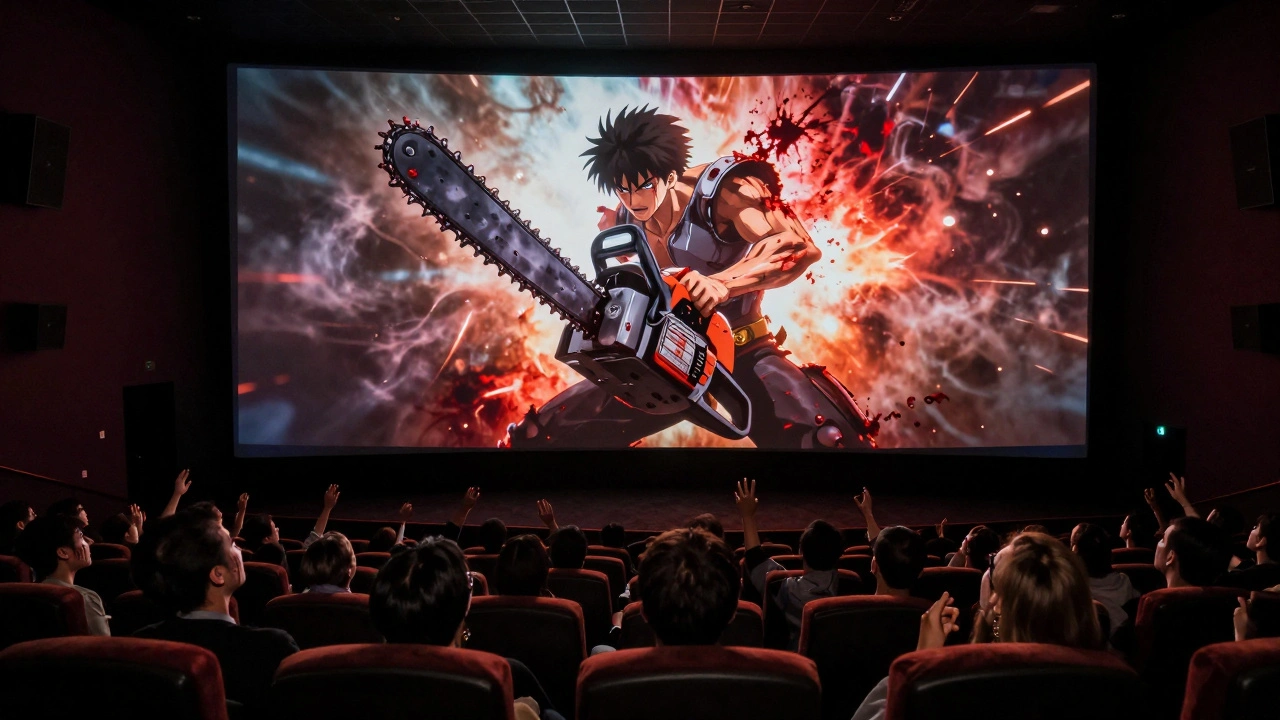
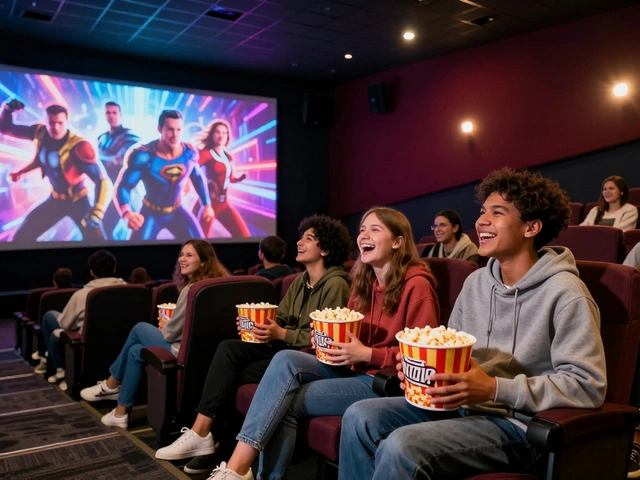
- It turns theaters into event spaces again, not just places to watch movies
Netflix tried this with Attack on Titan: The Last Attack in 2024. It was a 3-hour recap of the final arc. It bombed. Why? Because it was a summary. Chainsaw Man didn’t summarize. It expanded.
The Business Shift
There’s a quiet revolution happening behind the scenes. Studios used to see anime films as side projects - ways to make money between seasons. Now, they’re seeing them as primary release windows.
Here’s what changed:
- Streaming saturation: Over 150 anime titles dropped in 2025. Fans are overwhelmed. They crave events, not endless scrolling.
- Theater revival: In 2025, global theater attendance for anime films jumped 42% year-over-year. That’s more than double the growth of Hollywood blockbusters.
- Merchandising synergy: Chainsaw Man sold over $200 million in merch in 2025. That’s not from the anime. That’s from the movie. Fans bought Denji’s hoodie, Reze’s mask, and Power’s chainsaw toy - all because they saw it on the big screen.
For the first time, theaters aren’t just showing anime. They’re launching it.
What’s Next? The Domino Effect
By 2027, we’ll see:
- Two-part films for major arcs - like One Piece’s Whole Cake Island arc
- Prequel films that dive into backstories (think: Attack on Titan’s Marley arc as a standalone movie)
- Simultaneous global releases - no more waiting months for subtitles
- Live events - midnight premieres with voice actor Q&As, exclusive merch, and cosplay contests
Imagine Demon Slayer releasing the Entertainment District Arc as a two-part film in 2027. Each part drops 6 months apart. Fans line up. They buy tickets for Part 2 before Part 1 even ends. That’s not fantasy. That’s the new normal.
And it’s not just Japan. Studios in South Korea, France, and even the U.S. are already developing similar models. Chainsaw Man didn’t just make money. It proved that serialized anime doesn’t need TV. It just needs a screen - and a story that refuses to be rushed.
The Bigger Picture
This isn’t about anime becoming movies. It’s about anime becoming event media.
Think about how we consume music. We don’t just listen to albums anymore. We go to concerts. We buy merch. We livestream. We post clips. We treat each release like a cultural moment.
That’s what Chainsaw Man did. It didn’t just tell a story. It created a moment. And that’s what every serialized IP should aim for now.
The future of anime isn’t in streaming queues. It’s in theaters. In lineups. In midnight premieres. In fans screaming as Denji’s chainsaw roars to life for the first time - on the big screen.
Why did Chainsaw Man make more money than other anime films?
Chainsaw Man made more because it didn’t try to be a standalone movie. It treated the theatrical release like the first episode of a new season - assuming viewers already knew the characters and world. It trusted its audience, avoided recap scenes, and leaned into raw emotion and action. That emotional connection, paired with strong social media buzz and merchandising, turned it into a cultural event, not just a film.
Is this model only for violent or edgy anime?
No. The success of Chainsaw Man had nothing to do with its violence - it had everything to do with its emotional core. A gentle, slice-of-life series like Yuru Camp or My Dress-Up Darling could use this model too. Imagine a 90-minute film that covers the first 12 episodes of a new season, ending on a quiet, heartfelt moment. Fans would show up not for action, but for comfort. The format works for any story that has deep character development and ongoing arcs.
Will theaters become the new home for anime premieres?
Yes - for major arcs. Streaming will still handle weekly episodes, but theaters will become the launchpad for big story beats. Think of it like Marvel: you watch the Disney+ shows, but you go to theaters for the big events. Anime is following the same path. Theaters offer immersion, community, and spectacle that home screens can’t match. For franchises with loyal fanbases, this is now the preferred first release window.
How does this affect manga sales?
Manga sales spike dramatically after a theatrical release. After Chainsaw Man’s movie came out, the manga sold 2.3 million copies in three weeks - more than it had in the previous 18 months combined. The movie didn’t replace the manga; it reignited interest. Fans who watched the film went back to read the source material. This creates a feedback loop: movie → manga → anime → movie. It’s a cycle that keeps the IP alive for years.
Can this work for older anime franchises?
Absolutely. Franchises like Neon Genesis Evangelion, Fullmetal Alchemist, or Death Note have deep fanbases and unresolved storylines. Releasing a new theatrical chapter - even if it’s an alternate take or a sequel - can breathe new life into them. Studios don’t need to stick to canon. They just need to honor the emotional core. A new Evangelion film in 2027, for example, could explore the aftermath of the original ending - not as a reboot, but as a continuation. Fans would show up for that.
Chainsaw Man didn’t just break records. It changed the rules. The next chapter of anime isn’t on your screen. It’s in a theater near you - waiting for the lights to go down.



Comments(8)