Most people assume that if a movie doesn't open with $20 million on its first weekend, it has failed. But look closer at the numbers from 2025 and you see a different reality. A quiet drama about two brothers in rural Ohio made more money per screen than a blockbuster superhero sequel. This is the world of Arthouse Cinema is a segment of the film industry focused on artistic, experimental, or international films that often challenge mainstream conventions. It operates on a completely different logic than the Hollywood machine. Success here isn't measured by total gross alone, but by efficiency, cultural impact, and long-tail revenue.
You might be wondering how these films actually make money. The answer lies in understanding the unique economics of the specialty market. It's not about opening wide; it's about opening smart. If you are an indie producer, a festival programmer, or just a curious cinephile, understanding these strategies reveals why the most profitable movies aren't always the loudest ones.
The Economics of the Niche Market
To grasp why arthouse films thrive, you have to understand the term Specialty Box Office is the financial performance of films released through specialized distributors, typically focusing on limited releases in major metropolitan areas. Unlike general release films that hit thousands of screens simultaneously, specialty films often start in just five to twenty theaters. This limited approach reduces risk. If the film flops, the loss is contained. If it works, the distributor expands slowly, keeping the average ticket price high because the audience is self-selected and passionate.
Consider the concept of "per-screen average." This metric tells you how much money each theater made during a specific period. For a mainstream blockbuster, this number might drop as the film spreads to smaller towns where interest wanes. For an arthouse film, the per-screen average often stays stable or even increases as word-of-mouth spreads within tight-knit communities. In 2024, several international dramas achieved per-screen averages exceeding $15,000 in their second week, a figure that would be unheard of for a standard commercial release after its opening weekend.
Distribution Models That Work
How does a film get into those specific theaters? The distribution model is critical. Traditional studios use a "wide release" strategy, aiming for maximum visibility immediately. Arthouse distributors use a "limited release" or "platform release" strategy. They start in key cities like New York, Los Angeles, and Chicago. These cities have dense populations of art-house patrons, critics, and festival attendees who drive initial buzz.
There are three main types of distributors in this space:
- Prestige Independent Distributors: Companies like A24 or Neon. They have strong brand recognition among cinephiles. Their logo on a poster acts as a quality seal. They spend heavily on targeted digital marketing rather than broad TV ads.
- Micro-Indies: Smaller companies that specialize in very specific genres, such as documentary or foreign language films. They rely heavily on festival circuits and academic partnerships.
- Festival-to-Theater Pipelines: Many arthouse films debut at festivals like Sundance or Cannes. The distributor buys rights based on the festival reception. This reduces pre-release uncertainty significantly.
A key strategy here is the "festival premiere." By debuting at a high-profile event, the film generates press coverage and awards buzz before it even hits theaters. This creates a sense of urgency. Audiences feel they need to see the film while it's still in the conversation.
Marketing Without Mega-Budgets
If you don't have $50 million for advertising, how do you get people to buy tickets? You target them precisely. Arthouse marketing relies on data-driven segmentation. Instead of buying billboards in random locations, distributors analyze streaming data and social media engagement to find where their core audience lives. For example, if a film features a prominent musician, the marketing team will target fans of that artist on Spotify and Instagram. If it’s a historical drama, they’ll target history buffs on YouTube and podcasts.
Word-of-mouth remains the most powerful tool. In the specialty market, reviews from trusted sources matter more than any ad campaign. A positive review in Variety or The New York Times can double ticket sales in the following week. Distributors cultivate relationships with critics and influencers who specialize in non-mainstream content. They send screening copies early and host exclusive Q&A sessions with directors. These events create community, which drives repeat attendance and social sharing.
Digital marketing also plays a huge role. Short clips, director commentary tracks, and behind-the-scenes footage are shared on platforms like TikTok and Instagram Reels. The goal isn't to show the whole plot, but to convey the mood and aesthetic. A visually striking ten-second clip can be more effective than a traditional trailer for this demographic.

Case Studies in Success
Let’s look at real examples to see these strategies in action. Take the 2023 film Anatomy of a Fall, a French courtroom drama. It didn’t have a big-name Hollywood star. Yet, it became one of the highest-grossing foreign-language films in U.S. history. Why? It premiered at Venice, won the Golden Lion, and then received widespread critical acclaim. The distributor, Searchlight Pictures, used a platform release, starting in New York and expanding gradually. They leveraged the Oscar buzz heavily, creating a narrative around the film’s potential for Best Picture. The result was a sustained run in theaters that lasted over six months, far outperforming typical commercial releases.
Another example is Everything Everywhere All at Once. While it had some mainstream appeal due to its cast, its success was driven by a cult following built through viral moments on social media. The film’s multiverse concept was highly shareable. The distributor, A24, understood that their audience wanted to discuss the film online. They encouraged fan theories and memes, turning the movie into a cultural event rather than just a product. This strategy maximized the "long tail" of the box office, where the film kept making money weeks after its opening.
| Strategy Element | Mainstream Blockbuster | Arthouse/Specialty Film |
|---|---|---|
| Initial Release Scope | Wide (3,000+ screens) | Limited (5-20 screens) |
| Primary Marketing Channel | TV Commercials, Billboards | Social Media, Critic Reviews, Festivals |
| Key Performance Metric | Total Opening Weekend Gross | Per-Screen Average, Long-Tail Duration |
| Risk Profile | High (Large upfront costs) | Low (Modest upfront costs) |
| Audience Targeting | Broad Demographic | Niche Segments (Cinephiles, Academics) |
The Role of Festivals and Awards
Festivals are not just premieres; they are marketing engines. Winning an award at Sundance, Berlin, or Cannes adds credibility that no amount of advertising can buy. For arthouse films, the "Oscar Bounce" is a real phenomenon. When a film is nominated for an Academy Award, its box office returns can increase by 30% to 50% in the following month. Distributors time their releases to coincide with awards season when possible. This means holding back a film until late in the year to maximize its chances of being seen by voters and generating buzz during the voting period.
However, relying solely on awards is risky. Not every good film wins. Therefore, successful distributors build multiple pillars of support: critical acclaim, festival presence, and strong digital community engagement. If one pillar fails, the others can sustain the film. For instance, a film might not win awards but could go viral on social media, driving ticket sales through sheer curiosity.

Challenges and Future Trends
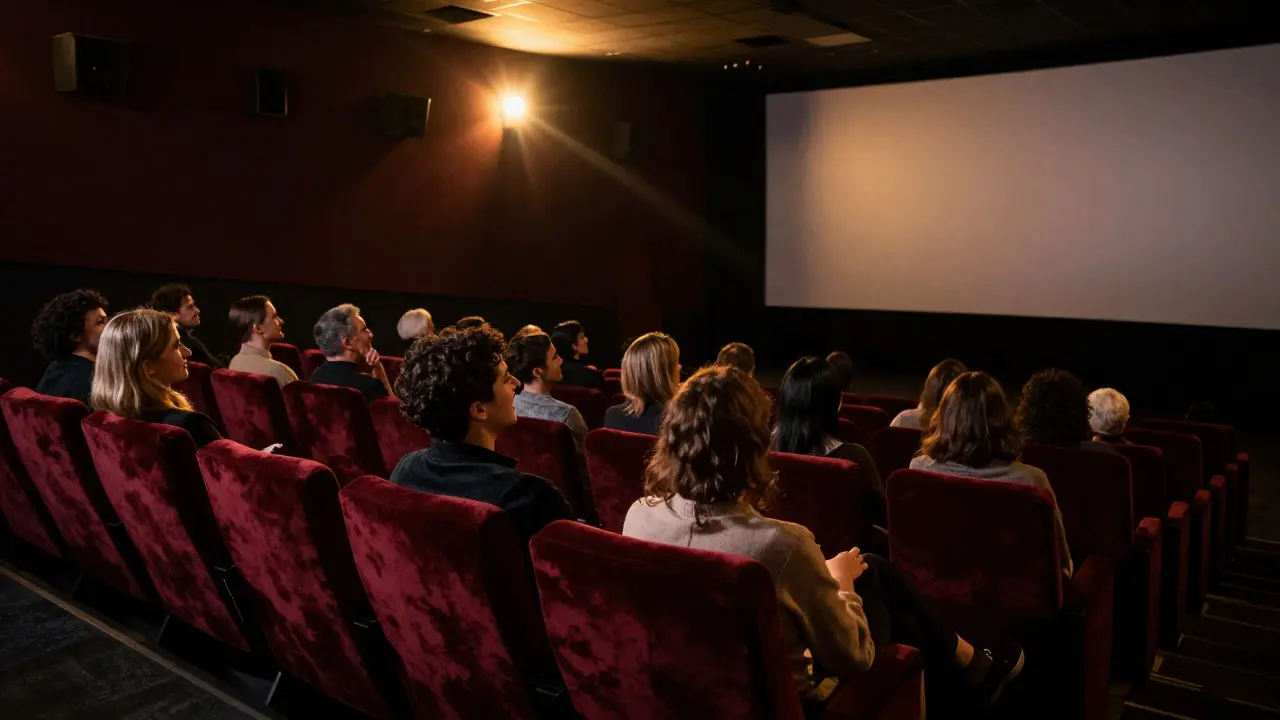
The landscape is changing. Streaming services now compete directly for attention. Viewers ask, "Why should I pay $15 to see this in a theater when I can watch it on my phone later?" The answer lies in the communal experience and the visual spectacle. Arthouse cinemas often offer premium seating, curated programming, and post-screening discussions. These added values justify the higher ticket price. Additionally, the rise of "event cinema" means that special screenings with live scores or director introductions become destinations in themselves.
Another trend is the globalization of arthouse audiences. Films from South Korea, Japan, and Latin America are finding larger U.S. audiences than ever before. This is due to better subtitling technology and increased cultural exchange. Distributors are now looking beyond Europe for source material. This diversification helps mitigate risk and keeps the catalog fresh for audiences who are tired of the same Hollywood formulas.
Finally, data analytics are becoming more sophisticated. Distributors use AI to predict which cities will respond best to specific genres. They can optimize their release schedule down to the neighborhood level. This precision allows them to minimize waste and maximize efficiency, making the business model more sustainable in a competitive market.
Practical Tips for Indie Filmmakers
If you are working on an arthouse project, here are actionable steps to improve your chances of success:
- Target Your Festival Strategy: Don't submit everywhere. Pick two or three festivals that align with your film's tone and audience. Quality over quantity matters.
- Build a Digital Presence Early: Start building a social media following before the film is finished. Share behind-the-scenes content to engage potential viewers.
- Craft a Compelling Logline: Your logline must communicate the unique hook of your film. Avoid generic descriptions. Focus on what makes your story distinct.
- Engage Critics Proactively: Send screening links to niche critics who cover your genre. Personalize your outreach. Show that you know their work.
- Plan for the Long Tail: Design your marketing campaign to last longer than four weeks. Use social media to keep the conversation alive after the initial release.
Success in the specialty box office is not about luck. It is about understanding the specific behaviors of your audience and delivering value through strategic distribution and targeted marketing. The arthouse sector proves that there is a hungry audience for diverse, challenging, and beautifully crafted films. You just have to know how to reach them.
What is the difference between a wide release and a limited release?
A wide release opens a film in many theaters across the country simultaneously, usually hundreds or thousands. A limited release starts in a small number of theaters, often in major cities, and expands only if the film performs well. Limited releases are common for arthouse films to reduce financial risk.
Why do arthouse films often perform better in their second week than their first?
Arthouse films rely heavily on word-of-mouth and critical reviews. Since the initial audience is small and self-selected, positive reviews and social media buzz take time to spread. As this buzz grows, more people discover the film, leading to increased ticket sales in subsequent weeks.
How important are film festivals for arthouse distribution?
Festivals are crucial. They provide a platform for premieres, generate press coverage, and help secure distribution deals. Winning awards at major festivals like Sundance or Cannes can significantly boost a film's profile and box office potential.
What is a per-screen average and why does it matter?
Per-screen average is the total box office revenue divided by the number of screens showing the film. It measures the efficiency of a release. High per-screen averages indicate strong demand relative to supply, which encourages distributors to expand the release to more theaters.
Can arthouse films compete with streaming services?
Yes, by offering a unique theatrical experience. Arthouse cinemas often provide premium seating, curated programs, and community events. Additionally, the exclusivity of seeing a film in theaters before it streams adds value for cinephiles who want to participate in the cultural moment.