You watch a film. You feel a pang of guilt or awe. Then you turn off the TV and go back to your normal life. Did anything actually change? For decades, that was the standard critique of environmental documentaries. Critics argued they were just "feel-good" content that didn't move the needle on policy or consumer behavior. But the landscape has shifted dramatically by 2026. Today, these films are not just passive observations; they are active tools for advocacy, litigation, and corporate accountability.
We need to look at how specific titles have translated screen time into street time. It is no longer enough to simply show a melting glacier. The most effective modern documentaries pair visceral imagery with actionable data and clear calls to action. They bridge the gap between scientific reports, which often sit on shelves, and public consciousness, which drives voting patterns and market trends.
The Power of Visual Evidence in Climate Advocacy
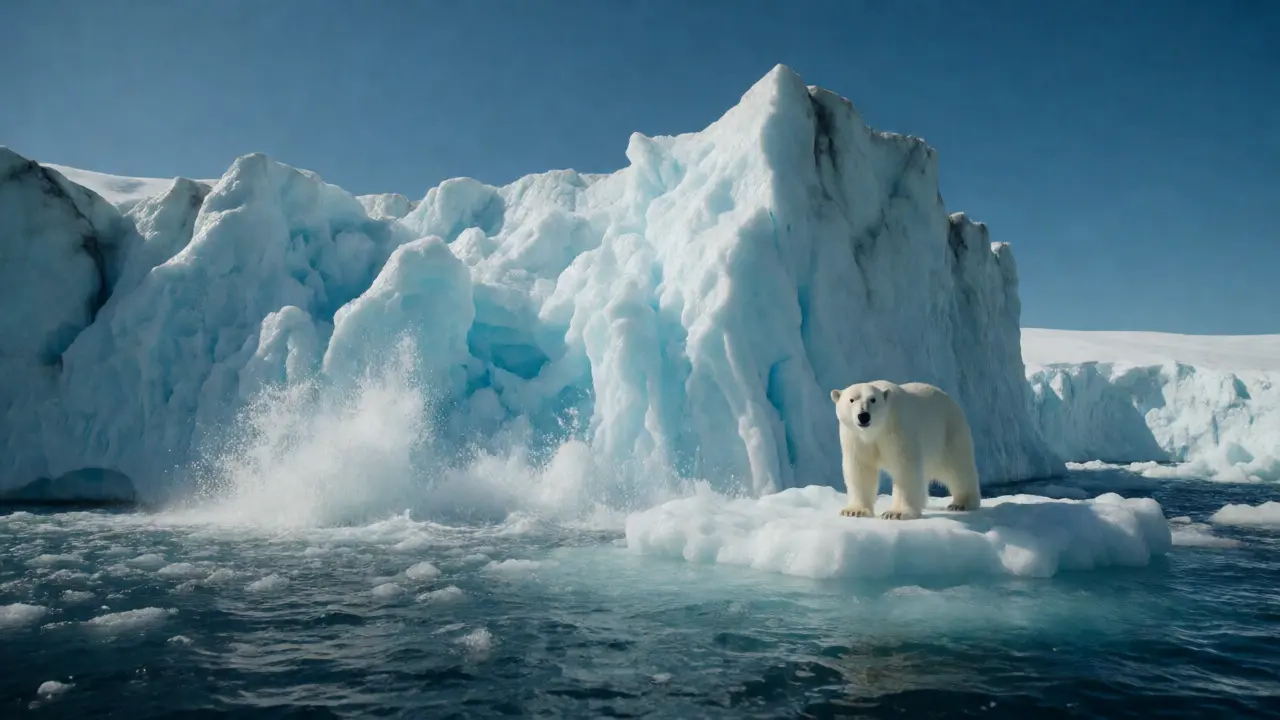
Science can be abstract. A graph showing parts per million of CO2 doesn't hit you in the gut like seeing a polar bear struggle on a shrinking ice floe does. This is where visual storytelling becomes a strategic asset. Films like An Inconvenient Truth proved early on that celebrity endorsement combined with hard data could shift public opinion. But recent entries have refined this approach.
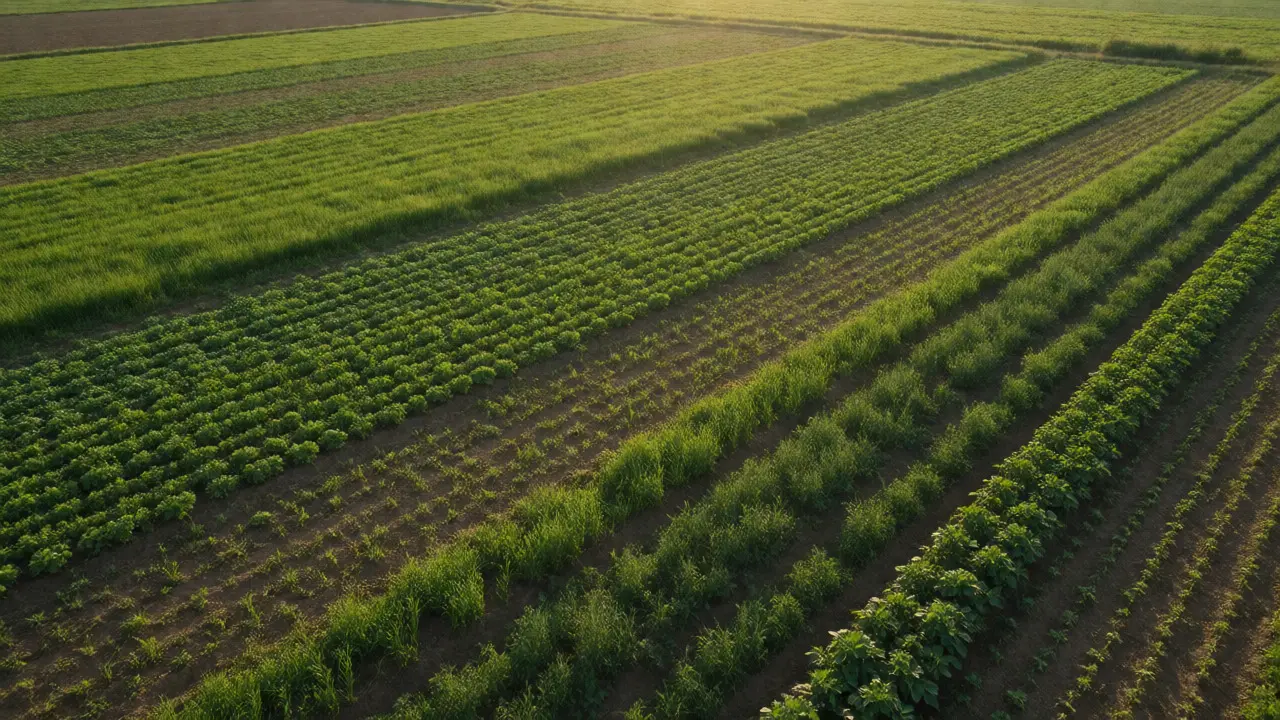
Consider the impact of Kiss the Ground. Released a few years ago, it focused heavily on regenerative agriculture. Unlike broader climate films, it offered a specific solution: soil health. Viewers didn't just learn about the problem; they learned about cover crops and no-till farming. This specificity matters. When audiences understand the mechanism, they are more likely to support policies that subsidize those practices. The film helped normalize terms like "carbon sequestration" in mainstream conversations, moving them from academic journals to dinner table debates.
This shift represents a move from awareness to agency. Early documentaries told us we were doomed. Newer ones tell us what we can do. That psychological shift is crucial for maintaining engagement. If people feel helpless, they tune out. If they feel empowered, they act.
From Screen to Policy: Case Studies in Legislative Impact
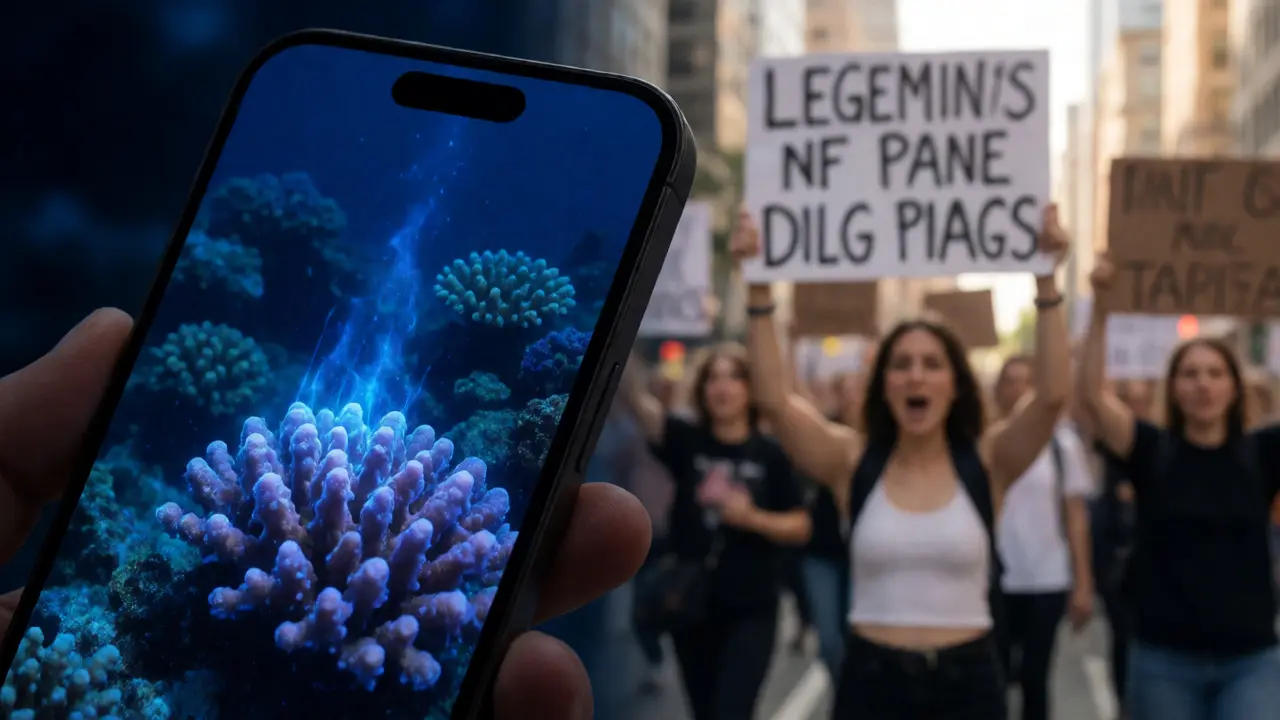
Does a movie actually change laws? Sometimes, yes. The relationship between documentary releases and legislative timelines is complex, but correlations exist. Take Chasing Coral. It documented the rapid bleaching of coral reefs due to warming oceans. While it didn't pass a law overnight, it provided undeniable visual evidence used by scientists and lobbyists during international climate negotiations.
Here is how the process typically works:
- Data Visualization: Filmmakers translate raw scientific data into compelling narratives.
- Media Amplification: News outlets pick up the story, expanding reach beyond niche environmentalists.
- Public Pressure: Increased public concern leads to constituent pressure on elected officials.
- Policy Action: Legislators introduce bills or regulations aligned with the documentary's findings.
A concrete example is the ban on single-use plastics in various jurisdictions. Documentaries highlighting ocean pollution, such as A Plastic Ocean, played a role in shifting public sentiment against plastic straws and bags. Within five years of its release, several countries and states implemented bans. Was the film the sole cause? No. But it acted as a catalyst, accelerating the timeline for acceptance of unpopular restrictions.
| Documentary Title | Primary Focus | Key Outcome/Impact |
|---|---|---|
| An Inconvenient Truth | Global Warming Basics | Popularized climate science; raised global awareness significantly. |
| Cowspiracy | Livestock Emissions | Spurred interest in plant-based diets; influenced food industry marketing. |
| My Octopus Teacher | Marine Biodiversity | Increased empathy for marine life; boosted conservation funding in South Africa. |
| Kiss the Ground | Regenerative Agriculture | Mainstreamed soil carbon concepts; supported agricultural subsidies. |
The Rise of Corporate Accountability Cinema
Not all environmental issues are about nature in the wild. Many are about business practices. Documentaries targeting corporate negligence have become powerful weapons for shareholders and consumers. Cowspiracy is a prime example. It challenged the narrative that individual actions like recycling were sufficient, pointing instead to industrial livestock farming as a major driver of emissions.
The reaction from the meat industry was fierce, which tells you something about its effectiveness. Companies don't spend millions on counter-campaigns unless they feel threatened. Following the release of films critiquing fast fashion and textile waste, brands began launching "sustainable lines." Were these purely greenwashing? Often, yes. But the pressure forced transparency. Consumers started asking harder questions about supply chains, forcing companies to publish sustainability reports that previously would have gathered dust.
This dynamic creates a feedback loop. A documentary exposes a practice. Public backlash ensues. Companies adjust branding or operations to mitigate damage. This isn't perfect justice, but it is measurable economic change. It shifts the cost-benefit analysis for executives. Suddenly, ignoring environmental concerns looks bad on the quarterly report.
Digital Distribution and the Viral Effect
Gone are the days when you had to wait for a theatrical release or hope your local library carried a VHS tape. Streaming platforms like Netflix and Amazon Prime have democratized access. A documentary released today can be watched by millions within hours. This speed allows for rapid mobilization.
Social media plays a critical role here. Clips from documentaries go viral on TikTok and Instagram Reels. A thirty-second clip of a deforestation scene can generate more engagement than a full-length feature. This fragmentation means filmmakers must design their content for shareability. Key moments are edited to stand alone, ensuring the message survives the cut.
However, this comes with risks. Short attention spans can lead to superficial understanding. People might share a graphic without reading the article behind it. To combat this, successful modern documentaries include companion websites with resources, petitions, and donation links directly accessible via QR codes on screen. The goal is to convert passive viewers into active participants immediately.
Measuring Success Beyond Box Office Numbers
How do we know if a documentary worked? Traditional metrics like box office revenue are poor indicators of social impact. A low-budget indie film about water rights in Appalachia might have made zero dollars but secured a federal grant for clean water infrastructure. We need better metrics.
Evaluators now look at:
- Policy Mentions: How often are the film's key statistics cited in legislative hearings?
- Search Trends: Did searches for related terms (e.g., "microplastics") spike after release?
- Funding Shifts: Did donations to relevant NGOs increase in the months following the premiere?
- Consumer Behavior: Did sales of sustainable products rise in markets where the film was heavily promoted?
These data points provide a clearer picture. They show that influence is often indirect and delayed. A film planted in 2024 might bear fruit in 2026. Patience is required. The cultural shift is slow, but the trajectory is upward.
Future Outlook: Immersive Tech and Local Stories
Looking ahead, technology will change how we experience these stories. Virtual Reality (VR) documentaries allow viewers to stand inside a burning forest or swim alongside endangered species. This immersion increases empathy scores significantly compared to flat screens. Early pilots suggest VR experiences lead to higher retention rates and stronger emotional connections.
Also, there is a growing trend toward hyper-local stories. Instead of one global epic, we see more films focusing on specific communities fighting for their land. These stories resonate because they feel personal. They remind viewers that environmental issues aren't distant abstractions; they happen in our own backyards. Whether it's air quality in a specific city or water levels in a regional lake, local relevance drives local action.
The next wave of impactful documentaries will likely combine high-tech visuals with grassroots narratives. They will be shorter, sharper, and more integrated with digital activism tools. The barrier between watching and doing continues to erode.
Do environmental documentaries really change public opinion?
Yes, research indicates they raise awareness and can shift attitudes, especially when paired with clear calls to action. However, changing deep-seated beliefs takes time and repeated exposure through multiple media channels.
Which environmental documentary had the biggest political impact?
An Inconvenient Truth is widely credited with bringing climate change into mainstream political discourse in the mid-2000s, influencing election platforms and international agreements.
Are streaming services helping or hurting environmental documentaries?
They help by providing massive global reach and immediate access. The downside is potential oversaturation and shorter attention spans, requiring filmmakers to adapt their editing styles for digital consumption.
How can I support an environmental documentary?
Beyond watching, you can donate to the associated non-profits, sign linked petitions, share clips on social media, and discuss the topics locally. Active engagement amplifies the film's impact far beyond passive viewing.
What makes a documentary "impactful" rather than just popular?
An impactful documentary provides actionable solutions, credible scientific backing, and emotional resonance. Popularity measures views; impact measures changes in policy, behavior, or funding resulting from those views.