
Independent films live on a razor’s edge. Budgets are tight, schedules are tight, and one missing actor can collapse the whole shoot. You’ve spent months finding the perfect lead-someone who nails the chemistry, shows up early, and brings something raw to the role. Then, out of nowhere, they quit. No warning. No explanation. Just silence. This isn’t rare. It happens more often than you think.
Why Actors Drop Out of Indie Films
It’s not always about money. Sure, some actors get a bigger offer from a TV pilot or a commercial gig that pays more than your entire production budget. But more often, it’s about logistics. A parent gets sick. A visa gets denied. A scheduling conflict slips through the cracks because no one double-checked the calendar. One filmmaker in Asheville told me his lead actor dropped two days before shooting because his dog needed emergency surgery. No one saw it coming.
Another common reason? The actor realizes too late that the role is too demanding. Independent films often ask for 16-hour days, minimal rehearsal, and emotional scenes shot in freezing warehouses. Some actors sign on excitedly, then panic when they realize what they’re signing up for. That’s why casting isn’t just about talent-it’s about resilience.
How to Build a Backup Plan Before You Shoot
You can’t prevent every dropout, but you can stop it from derailing your film. The key is having a casting contingency plan before you even lock your first actor. Here’s how:
- Identify 2-3 backup actors for every key role during casting. Don’t wait until the lead is signed. Start looking for alternates the moment you begin interviews.
- Keep backup actors on standby with a signed letter of interest. You don’t have to pay them, but you do need to keep them warm. A quick call, a script update, or even just a thank-you note keeps them engaged.
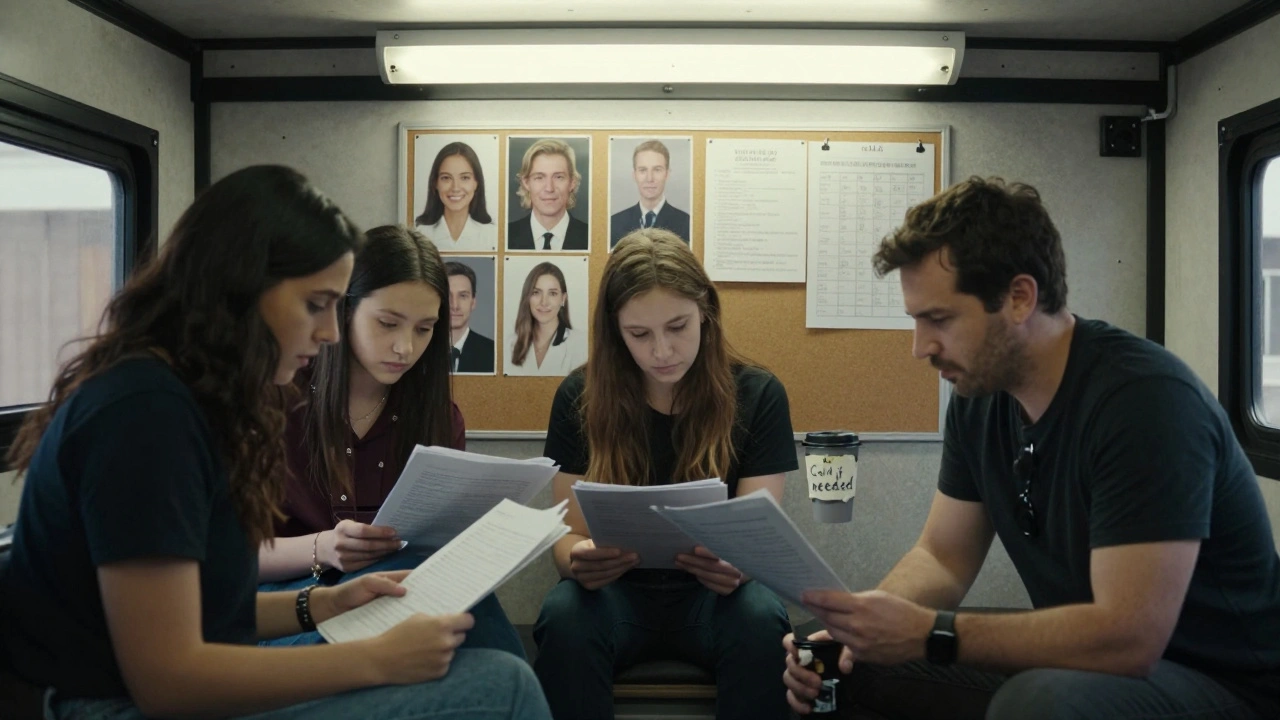
- Test your backups. Bring them in for a read-through with your main cast. See how they fit. You might discover one of your backups is actually better suited for the role.
- Document everything. Keep contact info, headshots, reels, and availability calendars for every backup actor in a shared folder. Use Google Drive or Dropbox-not a sticky note on your fridge.
One indie producer in Asheville shot her entire film in 11 days. She had three backup actors on speed dial for her lead role. When the original actor got into a car accident two days before shooting, she called her second choice. They had already rehearsed together. The replacement didn’t just fill the role-they improved it. The film went on to screen at Sundance.
What to Do When an Actor Drops Out
It happens. The call comes in. Your lead is out. Now what?
- Don’t panic. Breathe. Your contingency plan exists for this exact moment.
- Call your top backup immediately. Give them 24 hours to confirm. If they’re available, send over the script, schedule, and location details right away.
- Adjust the shooting schedule. If the replacement actor has limited availability, reshoot your most complex scenes last. Keep the easy ones in the first few days to build momentum.
- Rehearse fast. You won’t have time for weeks of blocking. Do a 3-hour table read the day before shooting. Focus on emotional beats, not blocking.
- Reframe the story. If the actor’s absence changes the dynamic, don’t fight it. Adapt. Maybe the character becomes more isolated. Maybe their absence becomes part of the plot. Some of the most powerful indie films were born from last-minute changes.
One filmmaker in North Carolina lost his lead actor halfway through production. He had no backup. He rewrote the script to make the character a ghost-never seen, only heard. The film won best narrative at Slamdance. Sometimes, the dropout becomes the story.
How to Prevent Dropouts Before They Happen
Prevention beats reaction every time. Here’s what works:
- Use a binding contract. Even if you can’t pay upfront, have actors sign a simple agreement that includes a penalty clause for last-minute withdrawal. It doesn’t have to be legal theater-just a clear understanding that quitting means losing future opportunities with your team.
- Pay a small deposit. $200-$500 goes a long way. It’s not about the money-it’s about commitment. People value things they’ve invested in.
- Be transparent. Tell actors upfront: "This is a no-budget film. We shoot in 10 days. You’ll sleep on set. We’ll feed you ramen." If they still say yes, they’re in it for the right reasons.
- Build relationships. Cast people you’ve worked with before. Or people who’ve done other indie films. They know what they’re signing up for. Trust matters more than fame.
When Backup Actors Don’t Work Out
Not every backup is a solution. Sometimes, the replacement doesn’t click. The chemistry is off. The performance feels forced. What then?
Here’s a real trick: use ensemble casting. Instead of one lead, build a group of three or four actors who share the story’s weight. If one drops out, the others can absorb the role. This is how films like Little Miss Sunshine and The Florida Project stayed stable despite shifting schedules and last-minute changes.
Another option? Recast with a non-actor. If you’re stuck, look outside the industry. A local teacher, a barista who’s done theater, a college drama student. They often bring authenticity no professional can fake. And they’re cheaper.

The Hidden Advantage of Dropouts
Here’s the truth no one talks about: dropouts can make your film better.
When you’re forced to adapt, you start thinking differently. You cut scenes you didn’t need. You simplify the script. You find new ways to tell the story. You learn to trust your crew. You stop trying to control everything.
One director in Asheville told me his film was supposed to be a two-hander. His female lead dropped out. He turned it into a solo portrait of grief-shot entirely in one room, with no dialogue. It won best short at Tribeca. He said, "I never would’ve taken that risk if she hadn’t left."
Dropouts aren’t disasters. They’re pressure tests. They force you to prove your film can survive without perfect conditions.
Final Checklist: Your Casting Contingency Kit
Before you lock your cast, make sure you’ve got this:
- Backup actors identified and contacted for every major role
- Scripts with alternate lines or scenes ready for quick edits
- Shared folder with headshots, reels, and availability calendars
- A signed letter of interest from each backup (even if unpaid)
- A 48-hour emergency contact list (casting director, producer, line producer)
- A budget line item for last-minute reshoots ($1,000-$3,000)
Don’t wait for disaster to strike. Build your safety net now. The film you save might be your own.
What’s the most common reason actors drop out of indie films?
The most common reason isn’t money-it’s personal emergencies or realizing the role is more physically or emotionally demanding than expected. Scheduling conflicts, family issues, or health problems account for over 60% of last-minute dropouts, according to indie film surveys from the Independent Filmmaker Project. Many actors sign on without fully understanding the grind of low-budget shoots.
Can I legally force an actor to stay in my film?
No-you can’t legally force someone to act. But you can sign a binding agreement that includes penalties for withdrawal, such as forfeiting future work with your team or paying for costs incurred. Most indie filmmakers use simple, clear contracts written by volunteer entertainment lawyers through organizations like the IFP or Film Independent. These aren’t lawsuits waiting to happen-they’re mutual agreements of respect.
How do I find good backup actors on a tight budget?
Start with local theater groups, film schools, and online casting platforms like Backstage or Actors Access. Attend student film premieres-they’re goldmines for raw talent. Many actors are willing to work for deferred pay or meals if they believe in the project. Reach out to actors who turned down your film the first time-they’re often your best bet because they already know your style.
Should I pay backup actors a small fee just to be on standby?
Yes, even $50-$100 makes a difference. It’s not about the money-it’s about signaling that their time matters. A small stipend creates goodwill and increases the chance they’ll drop everything when you need them. Some producers call it a "commitment fee." Others just send a gift card for coffee. It’s not extravagant, but it’s meaningful.
What if my backup actor is worse than the original?
If the chemistry is off, don’t force it. Re-edit the script to reduce their screen time. Shift focus to other characters. Use voiceovers, flashbacks, or off-screen dialogue to fill gaps. Sometimes, the best solution isn’t replacing the actor-it’s rethinking the story. One film replaced its lead with a voice-only performance and won an award for innovation.





Comments(10)