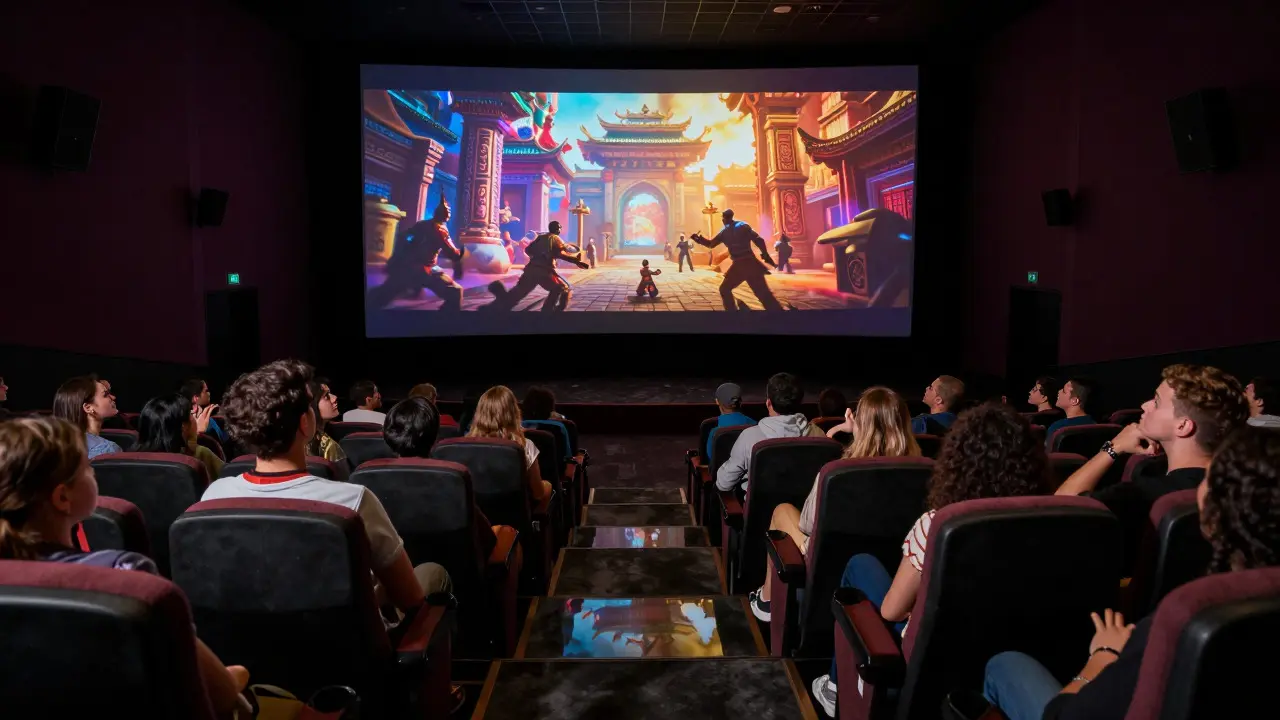
There is a specific kind of silence that falls over a theater in Seoul when a Hollywood blockbuster gets the local customs wrong. It isn’t just confusion; it’s a subtle rejection. For decades, studios treated foreign markets as afterthoughts, slapping subtitles on content designed exclusively for American audiences. But the landscape has shifted dramatically. Today, cultural consultants are no longer optional extras in the production pipeline-they are critical strategic assets determining whether a film resonates globally or flops abroad.
The shift isn't just about avoiding lawsuits or viral memes mocking bad makeup. It’s about economic survival. With domestic box office revenues plateauing in many Western countries, the success of a major release now hinges heavily on its performance in Asia, Europe, and Latin America. When a film feels authentic to its setting, viewers in those regions don't just watch it; they invest in it emotionally. This investment translates directly into ticket sales, streaming subscriptions, and long-term brand loyalty for the studio.
The Economic Case for Authenticity
You might wonder if hiring specialists is worth the budget line item. The data suggests yes, emphatically. Consider the difference between a generic action movie and one that respects its cultural backdrop. In 2024, a major spy thriller set in Tokyo struggled to find an audience in Japan because the protagonist spoke with a heavy American accent and wore clothing that was historically inaccurate for the era depicted. Conversely, a smaller indie drama shot in Lisbon with local dialect coaches and historical advisors became a surprise hit in Portugal and Spain, grossing three times its production cost in those two markets alone.
This isn't magic; it's psychology. Audiences in non-English speaking markets are increasingly savvy. They can spot a "tourist version" of their own culture from a mile away. When they see details they recognize-the specific way tea is poured, the correct etiquette for greeting elders, the accurate architecture of a neighborhood-it triggers a sense of validation. They feel seen. That emotional connection reduces the friction of watching a foreign-language or foreign-culture film, making them more likely to recommend it to friends and family.
| Production Type | Avg. Domestic ROI | Avg. International ROI | Key Factor |
|---|---|---|---|
| No Cultural Consultation | 1.8x | 0.9x (Loss) | Generic storytelling |
| Basic Localization Only | 2.1x | 1.3x | Subtitle accuracy |
| Full Cultural Consulting | 2.4x | 2.7x | Narrative & Visual Authenticity |
What Cultural Consultants Actually Do
Many people assume a cultural consultant is just someone who checks dialogue for typos. In reality, their role spans pre-production, principal photography, and post-production. They act as the bridge between the creative vision of the director and the lived experience of the culture being portrayed.
In pre-production, they review scripts not just for language errors, but for narrative logic. Does this character’s reaction make sense in this social context? Is this plot device plausible given local laws or customs? A consultant might flag that a scene where a character eats with their hands at a formal dinner would be considered rude in one country but perfectly normal in another. These nuances prevent costly reshoots later.
During filming, they often work closely with casting directors to ensure actors can perform culturally specific gestures naturally. They also advise art departments on set design. A single prop-a type of door handle, a style of signage, a pattern on a rug-can break immersion if it’s wrong. Consultants provide reference materials and sometimes even source authentic props themselves to ensure visual fidelity.

Case Study: The Success of 'The Silent River'
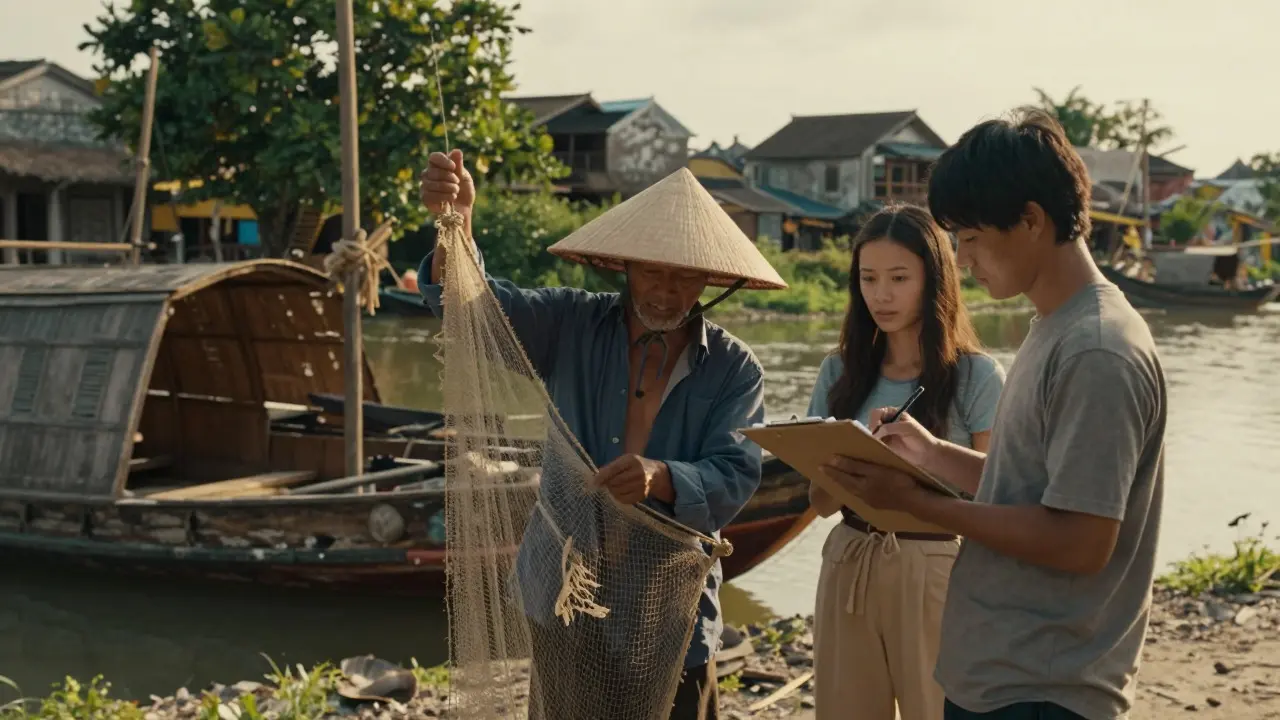
To understand the tangible impact, look at the 2025 release *The Silent River*, a co-production between a Canadian studio and a Vietnamese distributor. The story follows a fisherman in Hanoi dealing with urbanization. The producers hired a team of three cultural consultants: a linguist, a historian, and a local community leader.
The linguist ensured that the slang used by the younger characters matched current trends in Hanoi, rather than relying on outdated textbook Vietnamese. The historian verified that the buildings in the background were consistent with the 1990s timeline of the story. The community leader advised on the fishing techniques, ensuring the nets and boats were realistic. The result? The film won the Best Foreign Language Film award at a major European festival and became the highest-grossing Vietnamese film in North America that year. Critics praised its "unflinching realism," which was directly attributable to the consulting team’s input.
Common Pitfalls to Avoid
Even with good intentions, productions can stumble. One common mistake is treating cultural consultation as a final polish step. If you wait until the edit is locked to bring in experts, you’re limited to fixing dialogue or adding subtitles. You can’t easily change a character’s motivation or restructure a plot point that relies on a flawed cultural assumption. Early involvement is key.
Another pitfall is hiring only one voice. Culture is not monolithic. A consultant from a rural area may have different perspectives than one from an urban center. Similarly, generational differences matter. A film aimed at young adults should include consultants who understand youth culture, not just traditional norms. Diversity within the consulting team leads to a richer, more nuanced portrayal.
How to Find the Right Consultant
So, how do you find these experts? Start with academic institutions in the target region. Universities often have departments dedicated to anthropology, sociology, or regional studies where faculty members or graduate students have deep expertise. Professional associations, such as the Society for Linguistic Anthropology or local film commissions, also maintain lists of qualified professionals.
When interviewing candidates, ask for case studies. Have they worked on film before? Can they provide references from previous directors or producers? Look for someone who communicates clearly and collaboratively, not just someone who knows the facts. You need a partner who can translate complex cultural concepts into actionable notes for your crew.
The Future of Global Storytelling
As streaming platforms expand their reach, the demand for authentic content will only grow. Viewers are becoming more discerning, and the cost of getting it wrong is higher than ever. Cultural consultants are moving from the periphery to the center of production planning. They are no longer just checking boxes; they are shaping narratives that resonate across borders.
For studios looking to expand their global footprint, investing in cultural authenticity is not an expense-it’s an insurance policy against irrelevance. It ensures that when a film leaves its home market, it carries with it a credibility that audiences everywhere can recognize and respect. In a world where stories travel instantly, authenticity is the universal currency.
Do I need a cultural consultant for every scene?
No, you don't need them in every room. However, they should be available during key scenes involving specific cultural practices, dialogue, or settings. Their presence is most critical during script development and when shooting location-specific sequences.
How much does a cultural consultant cost?
Rates vary widely based on expertise and project scale. Academic consultants might charge $50-$100 per hour, while specialized industry professionals can command $150-$300+ per day. Many offer flat fees for script reviews or per-day rates for on-set support.
Is cultural consulting the same as localization?
Not quite. Localization usually refers to adapting subtitles, dubbing, or marketing materials for a specific market. Cultural consulting focuses on the core content itself-story, visuals, and behavior-to ensure it is authentic regardless of the language spoken.
Who should hire the cultural consultant?
Ideally, the producer or director should engage the consultant early in the process. This ensures their feedback is integrated into the creative vision rather than being treated as an external imposition later in production.
Can AI replace cultural consultants?
AI is useful for translation and basic fact-checking, but it lacks contextual nuance. Cultural consultants provide human insight into social dynamics, unspoken rules, and emotional resonance that algorithms often miss. They are complementary, not interchangeable.




Comments(7)