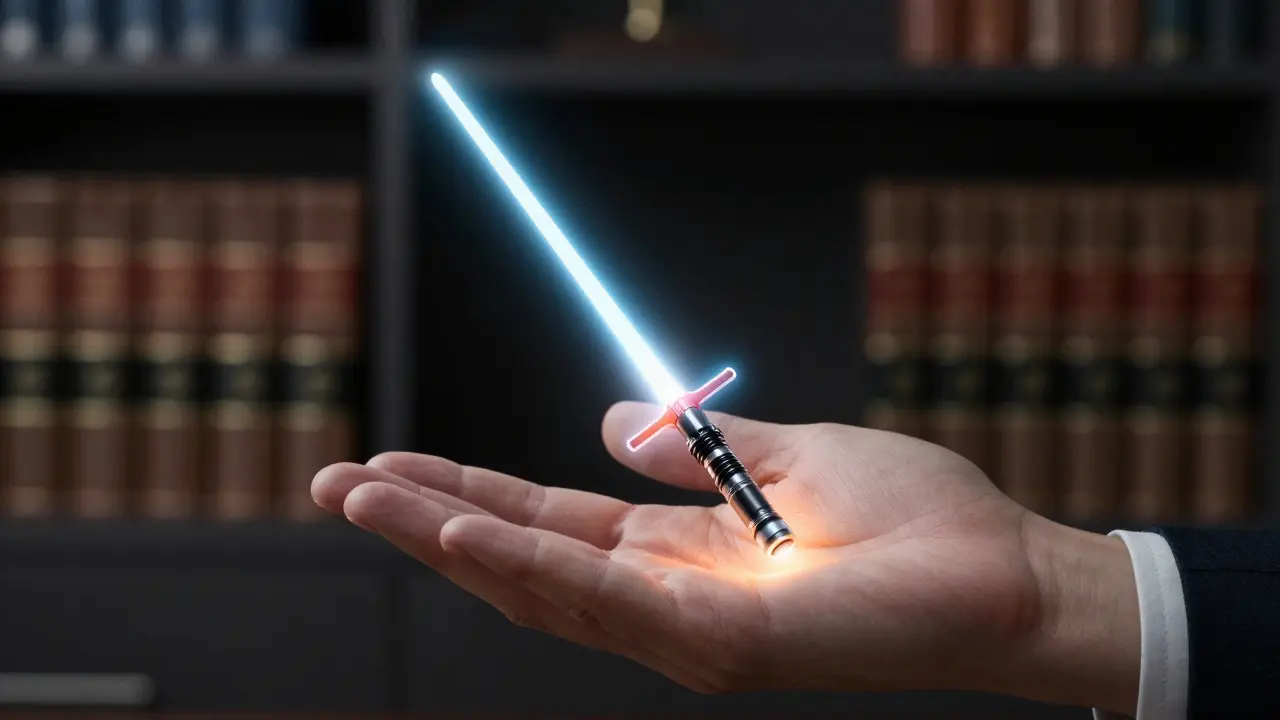
You bought a "Star Wars" NFT last year. You thought you owned the lightsaber forever. Then the studio sued you for using it in a fan film without permission. That scenario is becoming more common as NFTs are non-fungible tokens that serve as unique digital certificates of ownership on a blockchain intersect with traditional entertainment law. The confusion stems from a simple misunderstanding: owning an NFT does not automatically mean you own the underlying intellectual property (IP). For filmmakers, studios, and collectors alike, navigating this gray area requires understanding the distinct legal boundaries between digital token ownership and copyright usage rights.
The Core Misconception: Token vs. Copyright
Copyright is the exclusive legal right to reproduce, distribute, display, or perform a creative work protects the actual creative content-the movie footage, the character design, the soundtrack. An NFT, on the other hand, is merely a receipt. It proves you bought a specific digital file at a specific time. Unless the smart contract explicitly states otherwise, the seller retains all commercial rights to the image or video. This distinction is critical. If a studio mints an NFT of a scene from their latest blockbuster, they are selling a collectible, not licensing the right to use that scene in your indie short. Many early adopters assumed that because they held the "original" digital file, they could do whatever they wanted with it. Legal experts warn that this assumption leads to frequent infringement is the violation of intellectual property rights by unauthorized use cases. The token is just data; the art is what matters legally.
Licensing Structures in Film NFT Deals
So, how do you actually get the rights? It comes down to the license terms embedded in the sale. There are three primary models used in the film industry:
- Personal Use Only: The most common structure. You can display the NFT in your wallet, but you cannot sell prints, create merchandise, or use the image commercially. This covers 90% of standard collector drops.
- Commercial License: A paid tier that allows limited commercial use, such as printing posters or using the image in marketing materials. These often come with revenue share requirements.
- Full Royalty Rights: Rarely offered, this grants the holder a percentage of future sales if the asset resells. This mimics traditional artist royalties but is technically complex to enforce across different blockchains.
Royalties and Secondary Sales
One of the biggest pain points in the NFT space is the enforcement of creator royalties. In traditional art markets, galleries take a cut of secondary sales. In the NFT world, creators can program a royalty fee-often 5% to 15%-into the smart contract. However, enforcement has been inconsistent. Different marketplaces handle these fees differently. Some deduct them automatically; others rely on the buyer paying manually. For film studios, this creates a financial leak. If a character NFT resells for $10,000, the studio expects its programmed royalty. But if the trade happens on a marketplace that doesn't support auto-deduction, the studio might never see that money. Recent updates to major platforms have improved this, but cross-chain transactions remain a headache. Studios are now beginning to require specific marketplace listings to ensure royalty capture, adding another layer of compliance for buyers.
| Right Type | Standard Collector NFT | Commercial License NFT | Full IP Transfer |
|---|---|---|---|
| Display in Wallet | Yes | Yes | Yes |
| Create Merchandise | No | Limited (per terms) | Yes |
| Use in Derivative Films | No | No | Yes |
| Sell Physical Prints | No | Often Yes | Yes |
| Resale Royalties Paid To | Creator/Studio | Creator/Studio | New Owner (if transferred) |
Derivative Works and Fan Content
Fan culture thrives on remixing. But when fans turn NFTs into new movies or games, legal risks spike. A derivative work is a new creation based on existing copyrighted material. Under U.S. copyright law, only the original copyright holder can authorize derivatives. So, if you buy an NFT of a superhero and make a short film about him, you need written permission from the studio. Some studios have embraced this by creating "open license" NFT collections. These allow holders to create non-commercial fan works. Others are strict. The key is checking the Creative Commons license attached to the asset. If it's CC-BY-NC (Attribution-NonCommercial), you can share and adapt it, but you can't make money from it. If it's All Rights Reserved, you're stuck with personal display only.
Jurisdiction and Enforcement Challenges
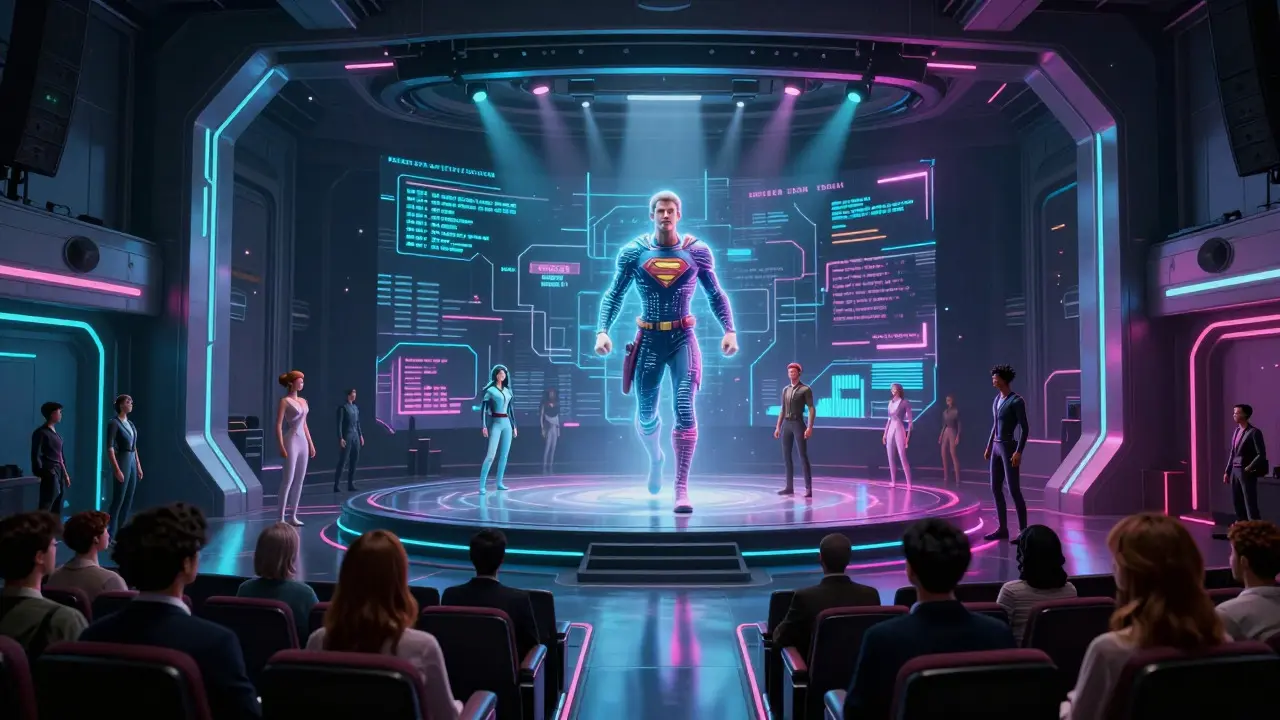
Blockchains are global. Copyright laws are local. This mismatch makes enforcement difficult. If a user in Japan infringes on a U.S. studio's NFT IP, where do you sue? Most studios now include arbitration clauses in their NFT terms of service, forcing disputes to be resolved through private mediators rather than public courts. This saves time but reduces transparency. Additionally, the rise of metaverse platforms adds complexity. If an NFT character appears in a virtual theater within a platform like Decentraland, who owns the performance rights? Currently, the answer is murky. Platforms often hold broad licenses to host content, but the underlying IP remains with the studio. Buyers should assume that displaying an NFT in a virtual space is generally safe, but monetizing that appearance requires explicit clearance.
Practical Steps for Safe Ownership
To protect yourself and your investment, follow these practical steps:
- Read the Smart Contract: Don't trust the website description alone. Check the actual code or verified metadata for license terms.
- Keep Records: Save screenshots of the listing page, the license terms, and the transaction hash. Proof of purchase helps in disputes.
- Verify Provenance: Ensure the NFT was minted by the official studio wallet. Counterfeit NFTs are a growing problem, especially for high-profile films.
- Consult a Lawyer for Commercial Use: If you plan to use the asset in any business context, spend the small fee for legal advice. It’s cheaper than a lawsuit.
- Monitor Marketplace Policies: Rules change. What is allowed today might be restricted tomorrow due to new platform guidelines.
Do I own the copyright when I buy a film NFT?
Generally, no. Buying an NFT usually transfers ownership of the digital token, not the copyright to the underlying image or video. You retain the right to display it, but commercial rights typically stay with the creator or studio unless explicitly stated in the license terms.
Can I sell prints of a film NFT I own?
Only if the NFT includes a commercial license allowing physical reproduction. Standard collector NFTs are usually for personal display only. Always check the specific license attached to the asset before producing any physical goods.
How are NFT royalties enforced in the film industry?
Royalties are programmed into the smart contract, but enforcement depends on the marketplace. Major platforms now auto-deduct fees, but cross-chain trades or smaller platforms may require manual payment. Studios are increasingly restricting sales to compliant marketplaces to ensure they receive their share.
What is a derivative work in the context of NFTs?
A derivative work is a new creative piece based on an existing copyrighted work, such as making a fan film from an NFT character. Creating one usually requires permission from the original copyright holder, regardless of who owns the NFT token.
Where do I go if there is a dispute over a film NFT?
Most NFT terms of service include arbitration clauses, meaning disputes are handled by private mediators rather than public courts. The location of arbitration is specified in the contract. Keeping detailed records of your purchase and the license terms is crucial for any resolution process.