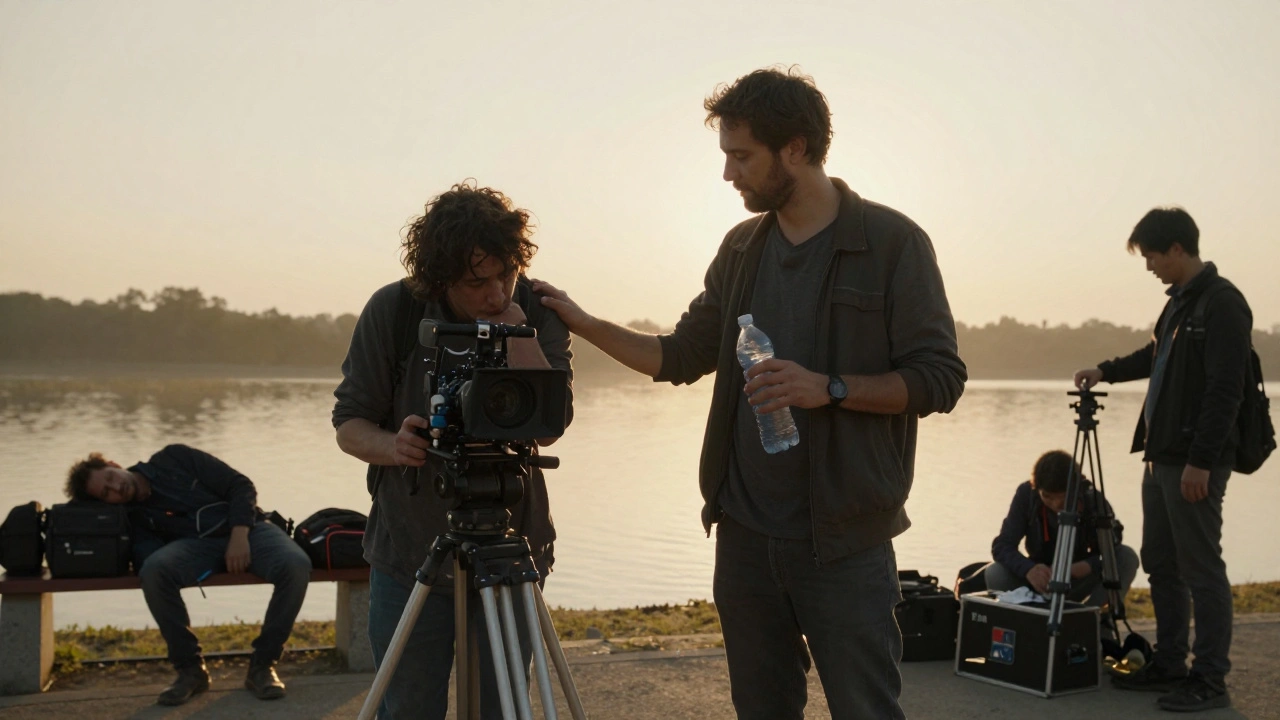
On a film set, power isn’t just about calling the shots-it’s about who bears the weight of those shots. Directors hold immense influence over the people who make their vision real. But with that power comes a responsibility that’s too often ignored: ethics. It’s not enough to be talented or decisive. A director who cuts corners on human dignity doesn’t just risk a bad set-they risk lives.
They’re Not Just Workers. They’re People.
It’s easy to forget that the grip holding a light for 16 hours, the PA running errands at 4 a.m., or the actor crying through a take because they’re emotionally drained-all of them are human beings with limits. Too many sets operate like machines, where exhaustion is normalized and boundaries are treated as suggestions. The 2023 incident on a low-budget indie film where a lead actor collapsed from dehydration and sleep deprivation made headlines-not because it was rare, but because it was finally seen.
Directors don’t get to say, "I didn’t know." If you’re calling the shots, you’re responsible for the environment you create. That means knowing how many hours your crew has worked. That means checking in with actors who are doing emotionally heavy scenes. That means saying no to a 17-hour day just because the schedule says so.
Consent Isn’t Optional
Every scene involving physical contact, nudity, or emotional vulnerability needs explicit, ongoing consent. It’s not enough to get a signed release form before shooting. Consent is a process. It’s asking an actor if they’re okay with the take before you roll. It’s letting them pause if something feels wrong. It’s having a trusted intimacy coordinator present-not as a formality, but as a real buffer between the director’s vision and the actor’s safety.
One director on a 2024 indie film made headlines for rewriting a love scene on the spot, adding a touch that wasn’t in the script. The actor, a first-time performer, didn’t say no because they were afraid of being labeled "difficult." The director later admitted he didn’t ask. That’s not creativity. That’s abuse.
Protecting Mental Health Isn’t a Bonus-It’s a Requirement
Depression, anxiety, and trauma don’t take a day off on set. Directors who ignore mental health aren’t being "tough"-they’re being negligent. A 2025 survey of over 1,200 crew members across North America found that 68% had experienced emotional distress on set, and 41% said their director never checked in on their well-being.
Simple things make a difference: ending the day with a quiet 10-minute wind-down. Offering access to on-site counselors. Not punishing someone for saying, "I need a break." One director on a horror film made mental health checks mandatory after two crew members left mid-shoot. The result? Higher morale, fewer mistakes, and a shoot that finished ahead of schedule.
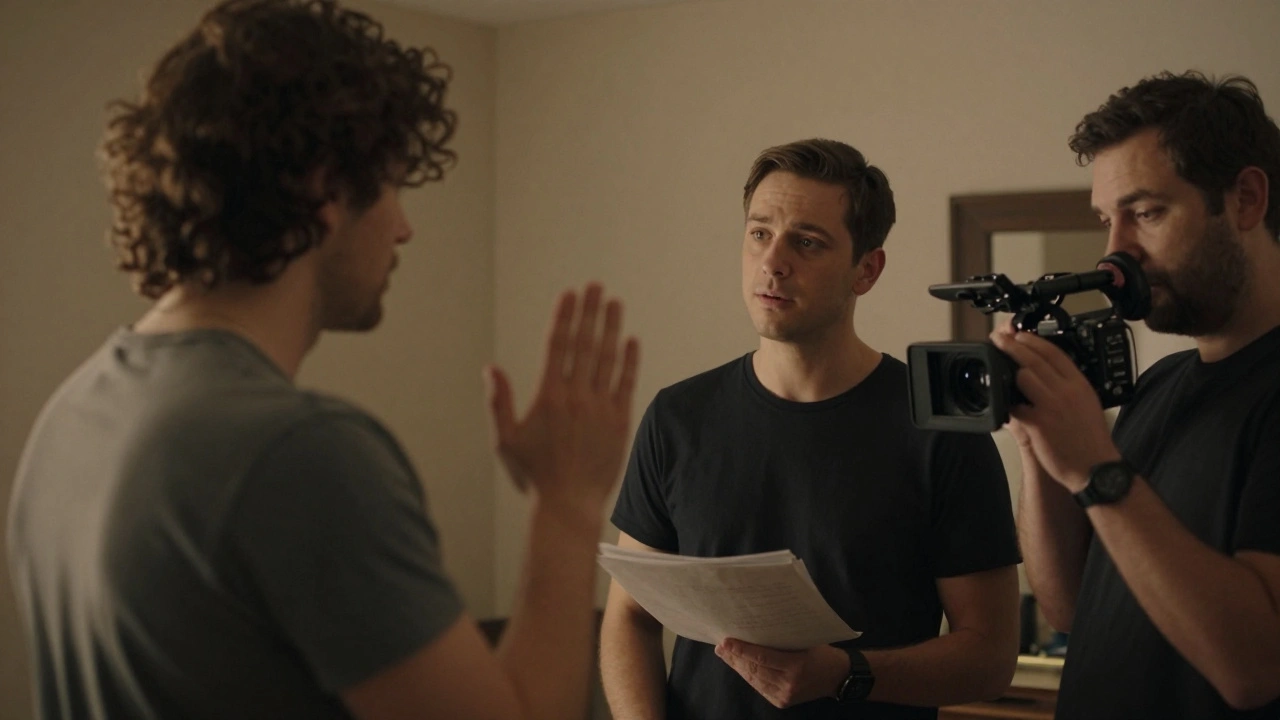
Equal Pay, Equal Respect
It’s not just about paychecks-it’s about dignity. A PA making $12 an hour deserves the same respect as the lead actor making six figures. But too often, the hierarchy on set turns into a hierarchy of worth. Crew members are yelled at. Their input is ignored. Their names are left out of credits.
Directors who treat everyone like part of the team see better results. A 2023 study by the Directors Guild of America found that productions with inclusive communication practices had 32% fewer delays and 27% higher crew retention. When a gaffer’s idea improves a lighting setup, say their name in the wrap meeting. When a makeup artist notices a continuity error, thank them publicly. Respect isn’t earned by title-it’s given by choice.
Zero Tolerance for Abuse
Harassment, bullying, and intimidation have no place on set. But too many directors look the other way because they’re afraid of losing momentum. "We’re too close to deadline," they say. "They’ll just find another job."
That’s not leadership. That’s cowardice. A director who ignores abuse isn’t protecting the production-they’re enabling it. The 2024 #SetSafe initiative, backed by 17 major unions, created a confidential reporting system for crew members. Within six months, 87 incidents of misconduct were reported and addressed. Not one case was dismissed because of "production pressure."
Directors must be the first line of defense. If you hear a joke that crosses a line, shut it down. If someone reports feeling unsafe, believe them. If you’re unsure, ask a union rep. Your job isn’t to be liked-it’s to be safe.

Transparency Builds Trust
When budgets are tight, schedules change, and shots get cut, silence breeds suspicion. Directors who hide changes or make decisions in secret create an atmosphere of fear. People start guessing. They assume the worst. They disengage.
One director on a documentary shoot started holding 10-minute daily briefings for the whole crew. No jargon. No fluff. Just: "Here’s what we’re doing today. Here’s why. Here’s what’s changed." The result? Fewer mistakes, more ideas, and crew who stayed through overtime because they felt respected.
It’s Not About Being Nice. It’s About Being Human.
Great directors aren’t just visionaries. They’re leaders. And leadership isn’t about control-it’s about care. The most successful sets aren’t the ones with the flashiest cameras or the biggest stars. They’re the ones where people want to show up. Where they feel seen. Where they know they won’t be used up and thrown away.
Every time you choose respect over convenience, you’re not just doing the right thing-you’re making better art. Because when people feel safe, they give their best. And that’s the only kind of magic that lasts.
What should a director do if a crew member reports harassment?
Immediately stop the situation, ensure the person’s safety, and follow the production’s official reporting protocol. Contact the union representative or HR department. Never handle it privately. Document everything. The priority is the person’s well-being-not protecting the schedule or reputation.
Can a director force an actor to do a dangerous stunt?
No. Even if an actor agrees, the director is legally and ethically responsible for their safety. All stunts must be reviewed by a qualified stunt coordinator, rehearsed with proper safety gear, and approved by the actor in writing. Consent must be informed, voluntary, and revocable at any time.
How long should a workday be on set?
Union rules typically cap workdays at 12 hours for crew and 10 hours for actors, with mandatory rest periods. Even on non-union sets, ethical directors cap days at 12 hours and avoid pushing beyond 14. Anything longer increases risk of injury, error, and emotional burnout. If you’re regularly working 16-hour days, your schedule is broken-not your team.
Do directors have to provide mental health resources?
While not always legally required, ethical production standards now expect it. At minimum, directors should ensure access to a trained counselor on set, especially during emotionally intense shoots. Many productions now include mental health professionals as part of the core crew. It’s no longer a luxury-it’s part of responsible filmmaking.
What if the producer says to cut corners for budget reasons?
The director’s job is to protect the people, not just the budget. If a producer demands unsafe conditions, the director must escalate-through union channels, legal advisors, or public reporting if necessary. A film can be reshooted. A person’s trauma cannot be undone. Ethical directors know that their legacy isn’t measured by how much they saved, but by who they protected.




Comments(5)