For years, the industry rule was simple: movies go to theaters first, then wait months for home video. That era is over. Today, Hybrid Release Strategies are distribution models that blend limited theatrical screenings with simultaneous or near-simultaneous global streaming premieres. Netflix has become the most prominent architect of this shift, forcing a fundamental rethinking of how films reach audiences in an increasingly fragmented media landscape.
The core tension lies in balancing prestige with accessibility. A theatrical run signals cultural importance and helps secure awards recognition, while a global streaming premiere maximizes immediate viewership and subscriber engagement. Netflix navigates this by treating the cinema not as the primary revenue driver, but as a marketing amplifier and a quality marker. This approach challenges traditional studio economics, which rely on long exclusive windows to recoup massive production budgets through ticket sales before moving content to secondary markets.
Defining the Hybrid Model in Practice
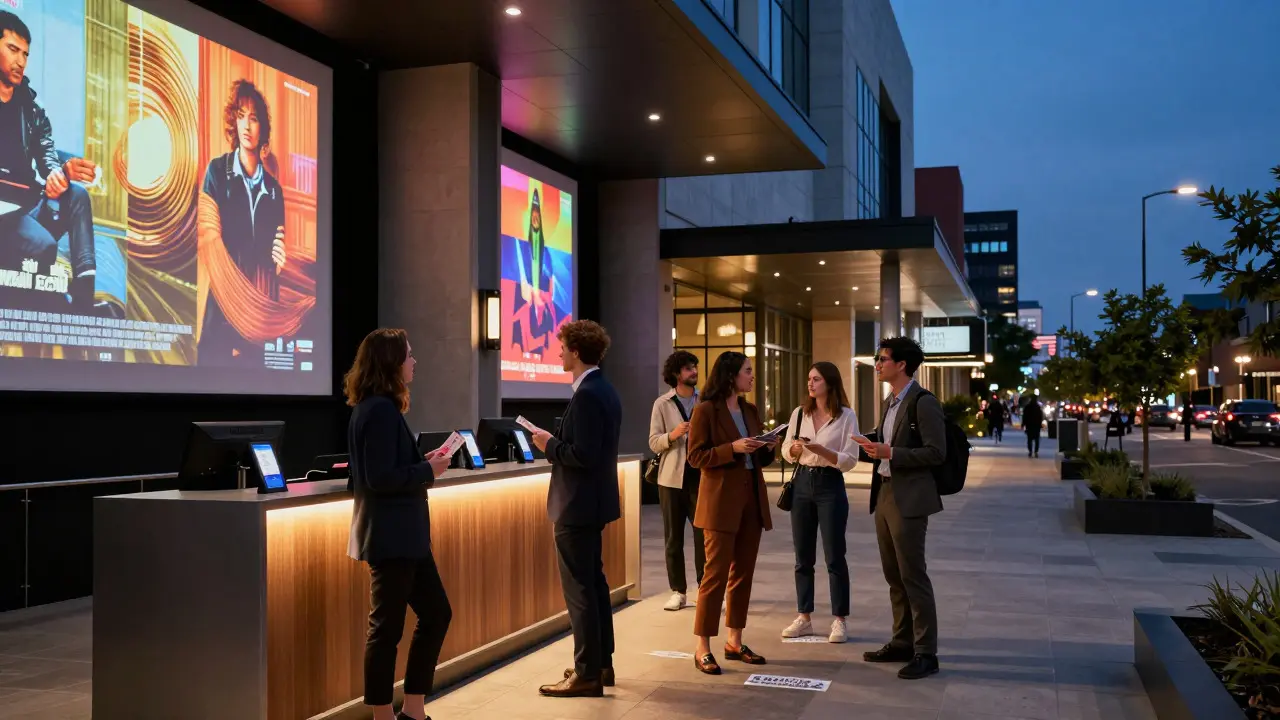
A standard hybrid release typically involves a limited theatrical debut in major metropolitan areas-often lasting one to three weeks-followed immediately by a worldwide digital or streaming launch. Unlike the old "wide release" model where thousands of screens open simultaneously, this strategy targets specific demographics who value the cinematic experience without sacrificing the speed of access that streaming subscribers expect.
This model serves two distinct jobs for the viewer. First, it offers cinephiles the chance to see high-profile films on the big screen, preserving the social and immersive aspects of moviegoing. Second, it ensures that the rest of the global audience can watch the film within days, rather than waiting six to twelve weeks for a physical or digital rental. For Netflix, this dual-track approach mitigates the risk of a film failing to find an audience in theaters while still capitalizing on its potential as a marquee title.
Why Netflix Prioritizes Global Simultaneity
The driving force behind Netflix’s strategy is its subscription-based business model. Unlike traditional studios that earn per-ticket revenue, Netflix profits from retaining subscribers. Therefore, the value of a film is measured by how effectively it drives sign-ups and reduces churn across all regions at once.
By releasing films globally on the same day, Netflix eliminates the window for piracy, which historically surged when releases were staggered across territories. If a movie comes out in the United States but not in India or Brazil until two weeks later, bootleg copies often circulate in those markets. A synchronized global premiere closes this gap, ensuring that every subscriber has equal access from day one. This uniformity also simplifies marketing efforts, allowing Netflix to coordinate campaigns across time zones rather than managing separate regional launches.

The Role of Limited Theatrical Windows
So why keep the theaters involved at all? The answer lies in perception and eligibility. Major award bodies, such as the Academy of Motion Picture Arts and Sciences, have traditionally required a certain number of theatrical days for a film to qualify for Best Picture consideration. While these rules have evolved, the prestige associated with a theatrical release remains a powerful tool for generating buzz.
Limited runs allow Netflix to showcase its slate as serious cinema rather than just television content. When a director like Greta Gerwig or a star like Cillian Murphy attaches their name to a project, a theatrical debut validates the effort. It creates news hooks, critic reviews, and cultural conversation that a pure streaming drop might struggle to generate. Theaters act as a filter, signaling to the audience that this particular title warrants a special occasion, even if it is available on your living room screen the next week.
Economic Implications for Studios and Creators
This shift disrupts traditional revenue streams. Independent theaters, which rely on new releases to drive foot traffic, face pressure as fewer films get wide releases. However, they also benefit from lower competition; instead of fighting blockbusters for attention, they can host smaller, curated events around Netflix titles. For creators, the financial model changes from backend box-office participation to flat-fee deals or guaranteed minimums, offering more predictable income but potentially less upside if a film becomes a massive hit.
| Feature | Traditional Studio Release | Netflix Hybrid Release |
|---|---|---|
| Initial Availability | Wide theatrical release (1000+ screens) | Limited theatrical (50-200 screens) + Global Streaming |
| Time to Home Video | 45-90 days after theatrical debut | Simultaneous or within 7-14 days |
| Primary Revenue Source | Box office ticket sales | Subscriber retention and acquisition |
| Marketing Focus | Regional phased rollouts | Global synchronized campaign |
| Piracy Risk | High during staggered international releases | Low due to simultaneous global access |

Navigating Audience Expectations and Cultural Nuances
One of the trickiest aspects of hybrid strategies is managing audience expectations. Some viewers feel that watching a film at home diminishes its impact, while others resent paying premium prices for theater tickets when the content is already available on their subscription. Netflix addresses this by curating which films get the theatrical treatment. High-budget action spectacles or critically acclaimed dramas usually receive the hybrid treatment, while mid-tier genre films may skip theaters entirely and go straight to streaming.
Cultural differences also play a role. In markets like South Korea and Japan, where cinema attendance remains robust and home viewing habits differ, the theatrical component might be emphasized more heavily. Conversely, in regions with high smartphone penetration and mobile-first consumption, the streaming aspect takes precedence. Netflix uses data analytics to determine the optimal balance for each territory, sometimes adjusting the length of the theatrical window based on local market performance.
Future Trajectories of Distribution
As technology evolves, the line between theatrical and streaming will likely blur further. Advances in home audio-video systems, such as 8K displays and spatial audio, continue to close the quality gap between a living room and a cinema. Meanwhile, virtual reality and augmented reality could create entirely new forms of hybrid experiences that don't fit neatly into current categories.
For now, the hybrid model stands as a compromise that satisfies multiple stakeholders. It keeps theaters relevant, gives filmmakers a platform for prestige, and delivers convenience to the modern consumer. As long as audiences crave both the communal experience of moviegoing and the flexibility of on-demand viewing, this balanced approach will remain a cornerstone of the entertainment industry's distribution playbook.
Does a Netflix hybrid release affect Oscar eligibility?
Yes, generally speaking. To qualify for major awards like the Oscars, films usually need a limited theatrical run in specific markets, such as Los Angeles, for a set number of days. Netflix’s hybrid strategy ensures this requirement is met while still launching the film globally on streaming platforms shortly after.
How long do limited theatrical runs for Netflix films typically last?
Most limited runs last between one and three weeks. The exact duration depends on the film’s reception and box office performance. If a film performs well, Netflix may extend the run slightly, but the primary goal is to transition the audience to the streaming platform quickly.
Why does Netflix release films globally on the same day?
Simultaneous global releases reduce piracy risks and simplify marketing. By making the content available everywhere at once, Netflix prevents bootleg copies from circulating in regions where the official release date hasn't arrived yet. It also creates a unified global event, boosting initial viewership numbers.
Is the hybrid model replacing wide theatrical releases entirely?
Not entirely. Blockbuster franchises and tentpole films from major studios still rely on wide releases to maximize box office revenue. However, for independent films, mid-budget dramas, and non-franchise projects, the hybrid model is becoming the dominant standard, reshaping how these films are distributed and consumed.
How do theaters adapt to the rise of hybrid releases?
Theaters are shifting focus toward providing enhanced experiences, such as premium formats (IMAX, Dolby Cinema), exclusive Q&A sessions with directors, and curated programming. They compete on experience and community rather than just exclusivity, knowing that the content itself will soon be available at home.