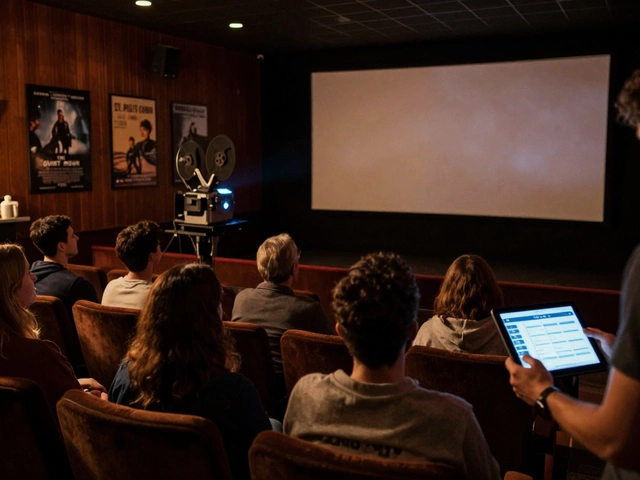
There is a specific silence that falls over the festival floor after the final credits roll. For the audience, it’s applause. For the director and producer, it’s the start of a frantic countdown. In the world of Festival Film Distribution is the complex process of securing rights to screen a movie in theaters, on streaming platforms, or for home release immediately following its competitive debut., the next 24 to 72 hours are not just important; they are decisive. If you miss this narrow window, the momentum dies, and your film might end up in the "next year" pile rather than the current season's slate.
Why does time pressure matter so much? Because film buyers-executives from studios, streamers, and specialty distributors-are overwhelmed. They attend festivals like Sundance, Tribeca, and TIFF with limited budgets and strict schedules. They need to make commitments before moving to the next city or returning to their offices. The Sales Window is the critical period after a premiere during which interest is highest and negotiation leverage is strongest. Understanding how to navigate these three days can mean the difference between a wide theatrical release and a quiet digital launch.
The Anatomy of the First 24 Hours
The first day is about triage. You have just screened your film. The reviews are coming in, but more importantly, the word-of-mouth among industry insiders is forming. This is when you need to be visible. It’s not enough to sit in the hotel lobby waiting for calls. You must actively engage with the key decision-makers who attended your screening.
- Immediate Feedback Loop: Gauge the reaction from trusted peers. Did the ending land? Was the pacing off? These details help you answer buyer questions accurately.
- Strategic Networking: Prioritize meetings with A-list buyers. These are the executives who have the budget to secure exclusive rights. Smaller buyers can wait; big players are moving fast.
- Press Management: Ensure that early reviews are published or at least embargoed correctly. A strong initial review can spike interest overnight.
During this phase, your goal is not necessarily to close a deal, but to qualify the interest. Are they serious? Do they have a slot in their upcoming programming calendar? If a major distributor shows up to your Q&A, take the hint-they are likely interested. Use this energy to set up formal meetings for the following days.
Days Two and Three: Negotiation and Leverage
By the second day, the dust has settled, and the real business begins. This is where the concept of Negotiation Leverage is the advantage gained through timing, exclusivity, and competing offers, allowing filmmakers to secure better financial terms becomes tangible. If you have multiple parties interested, you can play them against each other, but only if you manage the timeline carefully.
Here is where many filmmakers stumble. They think they need to sign a contract by hour 72. That is a myth. However, you do need to signal intent. Buyers respect decisiveness. If you dither, they assume you are shopping the film around too widely, which devalues the perceived exclusivity of the opportunity.
- Present Clear Terms: Have your minimum guarantee (MG) and backend structure ready. Ambiguity kills deals.
- Use Competing Interest: Let Buyer A know that Buyer B is making an offer. This creates urgency without forcing a premature signature.
- Confirm Logistics: Agree on delivery dates, marketing support, and territory splits. These details often cause delays later if not addressed now.
The third day is often the deadline for serious offers. Many distributors operate on a weekly cycle. If they don’t commit by the end of day three, they may move on to the next project on their list. This doesn’t mean the deal is dead, but the power dynamic shifts. You go from being the hot property to just another option in their pipeline.
Why the Clock Ticks So Fast
To understand the urgency, you have to look at the economics of Independent Cinema is a sector of filmmaking produced outside the major studio system, relying on alternative financing and distribution models. Unlike blockbusters, which have massive marketing budgets and guaranteed audiences, indie films rely on cultural moments. A film that feels "fresh" today can feel dated tomorrow.
Distributors are risk-averse. They want to attach a film to a specific marketing campaign or seasonal theme. If your film premiered at a January festival, it needs to be in theaters by February or March to catch the awards buzz. If it slips to May, the news cycle moves on, and the cultural relevance fades. This temporal decay is why the 72-hour window exists. It aligns the creative event (the premiere) with the commercial event (the sale).

The Role of Digital Platforms
In recent years, the landscape has shifted with the rise of Streaming Services are digital platforms that provide on-demand video content, such as Netflix, Hulu, and Amazon Prime Video. These platforms have changed the dynamics of the sales window. They are often faster to make decisions because they don’t have to worry about physical print costs or theater bookings in the same way traditional distributors do.
However, this speed comes with a trade-off. Streaming deals often have lower upfront guarantees but higher potential for long-tail revenue. For a filmmaker, the question is whether to take a quick cash offer from a streamer within 48 hours or hold out for a theatrical partner who might pay less upfront but offer a wider cultural footprint. The 72-hour rule still applies, but the options have diversified.
You also need to consider the Rights Structure is the legal framework defining who owns which media rights (theatrical, digital, TV) and for how long. A common mistake is selling all rights globally for a low sum. Instead, try to retain international rights or split domestic and foreign territories. This allows you to sell different pieces of the pie to different buyers, maximizing total revenue. But you must do this quickly, as buyers hate uncertainty about what is actually available.
Pitfalls to Avoid in the Critical Window
Even experienced producers make mistakes in this high-pressure environment. Here are the most common traps that derail deals:
- Overpromising Delivery Dates: Don’t promise a master file in two weeks if your editor is still working on it. Late deliveries can void contracts or result in penalties.
- Ignoring the Co-Producer: If you have partners, ensure everyone agrees on the minimum acceptable offer before you start negotiating. Disagreements behind closed doors leak out and kill trust.
- Waiting for Perfect Reviews: No film gets perfect reviews. Don’t let a single negative blurb stop you from pushing the sale. Focus on the positive elements that buyers care about.
- Badmouthing Other Buyers: Keep your tone professional. Buyers talk to each other. If you disparage one company, word will get back to the other.
Another subtle pitfall is emotional attachment. You made this film. It’s your baby. But the buyer is looking for a product that fits their brand. Sometimes, the best deal isn’t the one that loves your film the most, but the one that can market it effectively. Detach your ego from the outcome and focus on the business metrics.

Case Study: The Impact of Speed
Consider the hypothetical scenario of two similar dramas premiering at the same festival. Film A’s team spends the first 24 hours celebrating with friends and family. By day two, they are exhausted and disorganized. When a major buyer calls, they don’t have their terms sheet ready. The buyer assumes disinterest and moves on to Film B.
Film B’s team treats the premiere like a product launch. They have a war room set up in their hotel suite. Their agent is on standby. Within 36 hours, they have received two competing offers. By hour 70, they have signed a deal with a top-tier distributor, securing a national release. Both films were equally good, but one understood the mechanics of the Distribution Cycle is the sequential process of releasing a film across various platforms and territories, while the other did not.
This illustrates that talent gets you into the room, but strategy gets you the check. The 24-72 hour window is where strategy meets execution.
Preparing Before the Premiere
Success in the sales window starts long before the lights dim in the theater. You need to prepare your materials in advance. Your pitch deck should be concise, highlighting the cast, crew, and comparable titles. Your financial model should be transparent. And your communication plan should be clear.
Identify your top five target buyers. Research their recent acquisitions. What kind of films do they like? Do they prefer genre pieces or character-driven dramas? Tailor your pitch to fit their portfolio. This preparation reduces the cognitive load during the critical 72 hours, allowing you to focus on relationship building rather than scrambling for information.
Also, establish a chain of command. Who makes the final call? Is it the director, the producer, or the attorney? Confusion over authority can delay decisions by hours. In a fast-moving market, hours count. Designate one person to speak for the film, and ensure everyone else supports that voice.
What Happens After 72 Hours?
If you haven’t sold by day three, does it mean failure? Not necessarily. But the game changes. You are no longer the "new thing." You are now part of the ongoing inventory. Buyers will still buy from you, but they will expect lower prices or better terms. The urgency evaporates, replaced by a more casual, long-term negotiation style.
This is where patience becomes key. You might need to wait for the next festival circuit or a specific marketing window. Meanwhile, keep the momentum alive with social media campaigns, press releases, and continued networking. The goal is to keep the film relevant in the minds of potential buyers until the right opportunity arises.
Remember, the 24-72 hour window is a tool, not a law. Some films find their perfect home weeks later. But statistically, the majority of successful festival sales happen within this timeframe. Treat it with the respect it deserves, and you give your film the best chance to thrive.
Do I have to sign a deal within 72 hours of my premiere?
No, signing within 72 hours is not mandatory. However, this is the period when buyer interest is highest and negotiation leverage is strongest. Missing this window doesn't kill the deal, but it often results in lower offers or delayed releases as buyers move on to other projects.
Who should handle negotiations during the sales window?
Ideally, a combination of your producer and a qualified entertainment attorney or sales agent. The producer understands the creative vision, while the agent or attorney handles the financial terms and legal complexities. Having a clear chain of command prevents confusion and speeds up decision-making.
How do streaming services affect the traditional sales window?
Streaming services often make faster decisions than traditional distributors because they have less logistical overhead. This can shorten the negotiation phase. However, they may offer lower upfront guarantees, so filmmakers must weigh immediate cash flow against long-term theatrical exposure.
What is the biggest mistake filmmakers make in the first 24 hours?
The biggest mistake is passive waiting. Filmmakers often assume that a good screening will bring buyers to them. In reality, active networking and strategic follow-ups are required to convert interest into concrete meetings and offers.
Should I sell all rights at once or split them by territory?
Splitting rights by territory (e.g., domestic vs. foreign) often maximizes total revenue. It allows you to negotiate with different buyers for different markets. However, this requires more administrative effort and coordination. Selling all rights at once is simpler and can yield a higher upfront payment, but may leave money on the table.