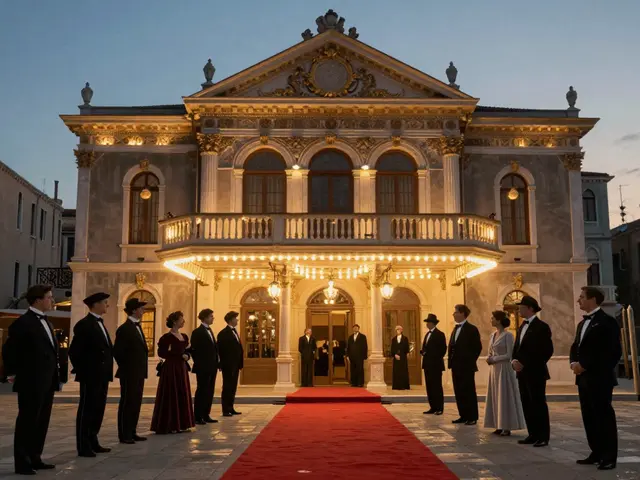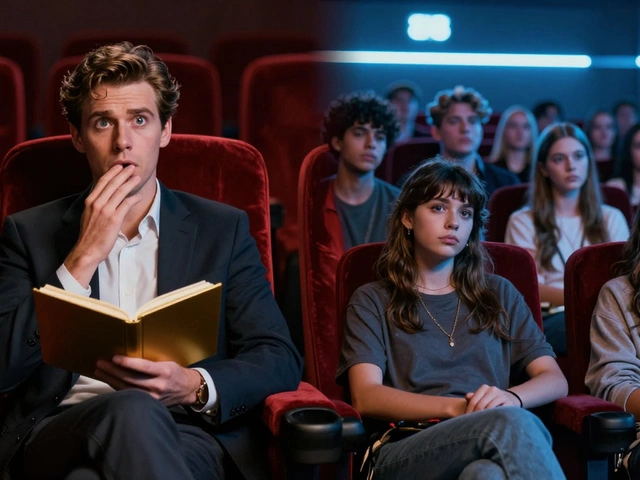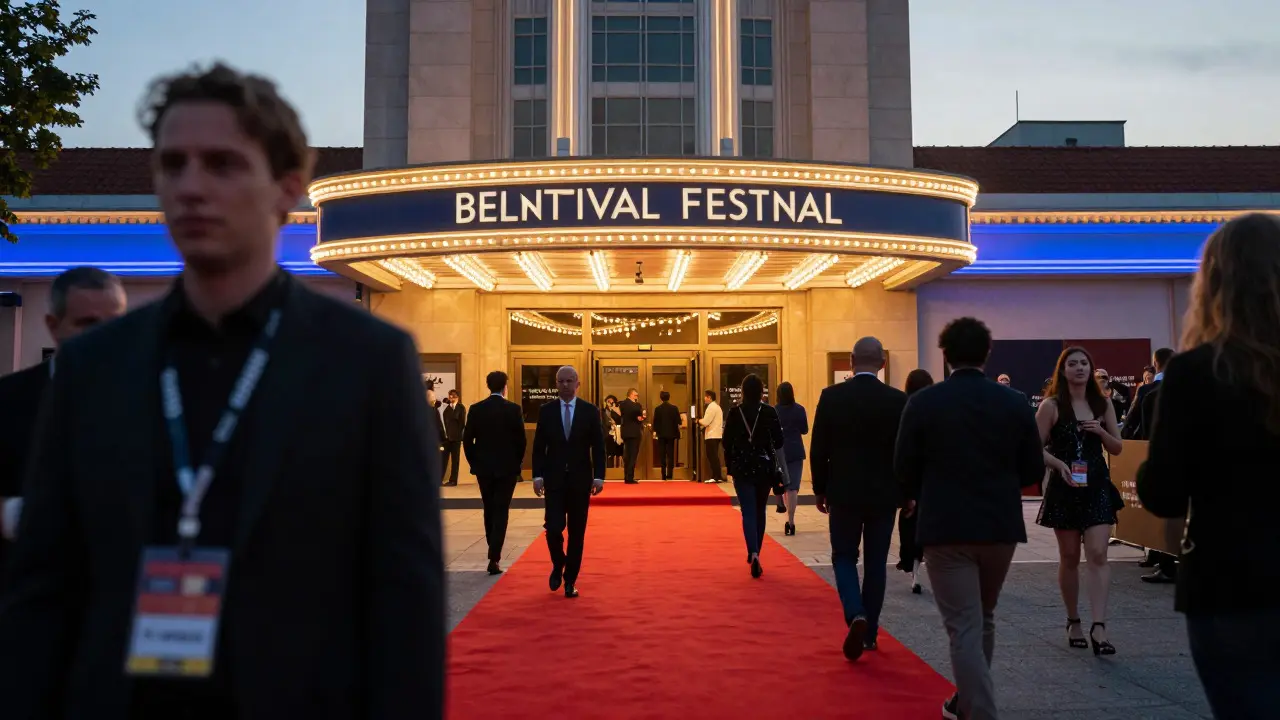
Walk into any major Film Festival a large-scale event showcasing new and classic films to critics, industry professionals, and the public, and you’ll notice something odd. The films playing in the main competition aren’t just “good movies.” They are specific types of good. They follow a rhythm, a tone, and a set of themes that feel curated rather than random. This isn’t an accident. It is the result of a deliberate strategy known as Festival Programming the process of selecting, sequencing, and presenting films at a festival to create a coherent narrative or thematic experience. When we talk about how curators shape Film Discourse the collective conversation, criticism, and cultural interpretation surrounding cinema, we are looking at the invisible hand that decides what gets seen, what gets praised, and what gets forgotten.
For decades, people assumed festivals were neutral stages where merit spoke for itself. Today, we know better. A curator’s choice to place a quiet documentary next to a loud political thriller creates a dialogue between the two. That juxtaposition tells the audience what matters right now. It signals which social issues are urgent and which artistic styles are considered “serious.” If you want to understand why certain genres dominate award seasons or why specific regions receive more attention, you have to look at the programming desk, not just the screen.
The Architecture of Selection: Beyond Meritocracy
Programming is often described as art curation, but it operates more like urban planning. You are building a city of images and sounds. The primary job of a Festival Curator a professional responsible for selecting and organizing films for exhibition at a festival is to manage expectations. If every film in the lineup is a high-octane action movie, the audience gets exhausted. If every film is a slow-burn arthouse drama, the audience might disengage. Balance is the core metric here.
- Thematic Cohesion: Grouping films by theme (e.g., “Climate Crisis” or “Digital Identity”) helps audiences navigate the volume of content. It turns a list of titles into a story about the world.
- Pacing: Alternating heavy, intellectual pieces with lighter, accessible comedies prevents “festival fatigue.” This is crucial for multi-day events.
- Diversity Quotas: Many festivals now use data to ensure representation across gender, geography, and format. This shifts the discourse from “exceptional talent” to “systemic inclusion.”
This approach changes how we define quality. A film doesn’t just have to be well-made; it has to fit the puzzle. This can be frustrating for filmmakers who don’t fit the mold, but it ensures the festival remains a relevant cultural hub rather than just a screening room.
Curators as Gatekeepers of Taste
Let’s be honest: curators hold immense power. They decide which Independent Cinema films produced outside the major studio system, often with lower budgets and greater creative freedom gets a global platform. Before streaming algorithms decided what we watch, festival programmers were the algorithm. Their taste dictated what was “cool” or “important.”
Consider the rise of non-Western cinema in the early 2010s. It wasn’t just that the films were suddenly better. It was that curators at major European and American festivals began actively seeking out voices from Asia, Africa, and Latin America. They created special sections dedicated to these regions. By giving these films prime time slots and prestigious juries, they signaled to distributors and studios that this market was viable. The discourse shifted from “exotic otherness” to “global cinema.” The curator didn’t just show the film; they validated its economic and artistic worth.

The Feedback Loop: Critics, Audiences, and Algorithms
It’s easy to think curators work in a vacuum, but they don’t. They operate within a feedback loop involving Film Critics professional writers who review and analyze films for publication, audiences, and increasingly, data analysts. When a critic writes a rave review of a strange, experimental piece, the next year’s programming will likely include more of that type. Critics and curators feed each other. The critic needs fresh material to write about; the curator needs critical validation to justify their choices to sponsors and boards.
However, the landscape is changing. With the rise of social media, audiences have their own voice. A viral moment on Twitter or TikTok can force a festival to add a film to its lineup or change its marketing angle. This democratization of discourse means curators can no longer rely solely on their own taste. They must anticipate public sentiment. This creates a tension: do you program for the niche crowd that appreciates depth, or for the mass audience that drives ticket sales? Most successful festivals try to balance both, creating “safe” hits alongside risky bets.
Case Study: Shifting Tides in Genre Programming
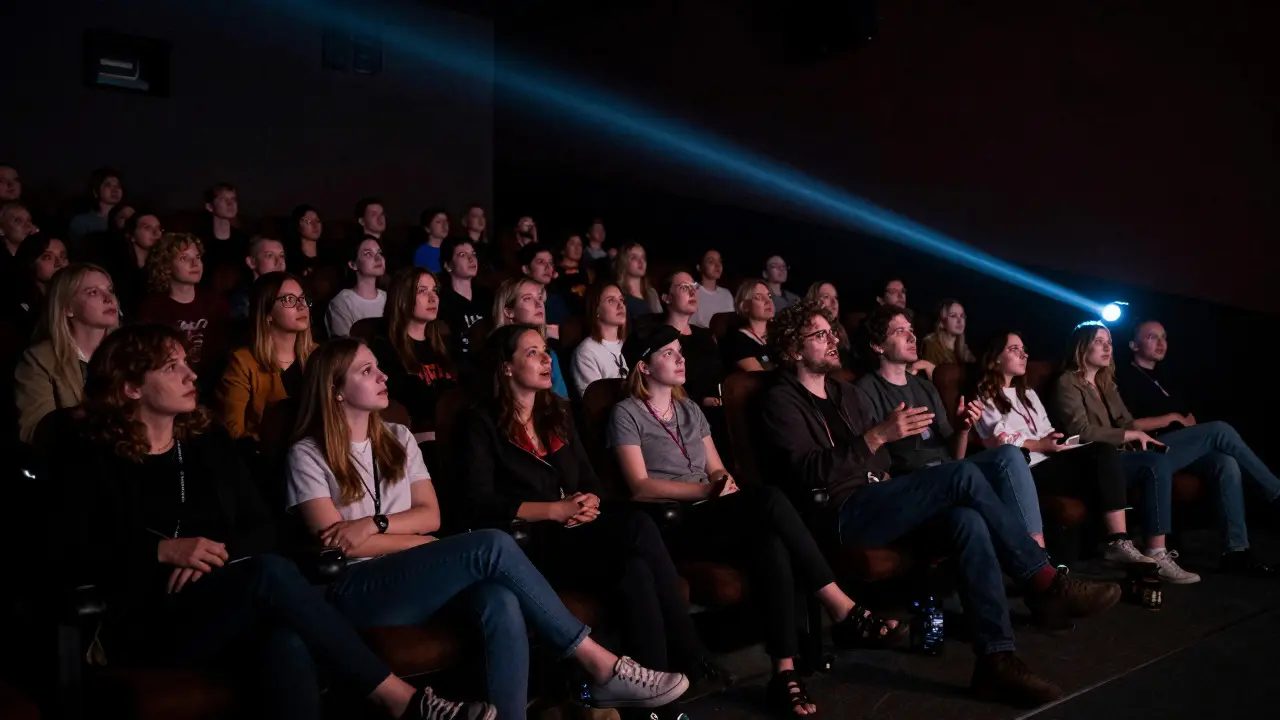
Look at the treatment of horror and genre films in recent years. For decades, these were relegated to late-night screenings or separate, lesser-known festivals. The discourse around them was often dismissive-“just fun,” not “art.” But curators at mid-tier festivals began treating genre films with the same seriousness as dramas. They invited prominent directors to discuss their craft in Q&A sessions. They placed a psychological horror film in the main competition alongside a historical epic.
The result? A shift in how we view genre. Now, a well-crafted horror film can win Best Picture awards. The discourse moved from “is it scary?” to “how does it reflect societal fears?” This change didn’t happen because the films got better overnight. It happened because curators decided to treat them as legitimate subjects of serious analysis. They changed the frame through which we view the content.
Challenges in Modern Curation
Despite their influence, curators face significant hurdles today. The most pressing issue is the sheer volume of submissions. Major festivals receive thousands of entries annually. Filtering this down to a few hundred selections requires rigorous triage, which inevitably leads to bias. Even with diverse panels, unconscious preferences for certain aesthetics or production values persist.
Another challenge is the fragmentation of audiences. In the past, everyone went to the same theaters. Now, many people stream films at home. Festivals must compete with the convenience of digital platforms. To stay relevant, programming must offer an experience that can’t be replicated on a phone screen. This means emphasizing live interaction, exclusive premieres, and community events. The discourse is no longer just about the film; it’s about the event itself.
- Define Your Mission: Does your festival prioritize innovation, preservation, or commercial potential?
- Map Your Audience: Who are you trying to reach? Are you targeting cinephiles, general consumers, or industry insiders?
- Balance Risk and Reward: Include proven hits to secure funding, but reserve space for experimental works to maintain credibility.
- Engage Locally: Incorporate local filmmakers and topics to build community loyalty.
- Measure Impact: Track attendance, press coverage, and distribution deals to refine future programming.
The Future of Film Discourse
As artificial intelligence begins to assist in content tagging and recommendation, some worry that curation will become fully automated. Will an algorithm know that a specific sequence of films creates a powerful emotional arc? Probably not yet. Human intuition, cultural context, and the ability to read the room remain irreplaceable. The curator’s role may evolve, shifting from gatekeeper to facilitator. Instead of just picking films, they might design interactive experiences where audiences help shape the narrative.
Ultimately, festival programming is about storytelling on a macro scale. Each film is a sentence; the entire festival is the paragraph. And the curator is the editor, deciding which sentences stay, which get cut, and how they flow together to make sense. Understanding this process helps us appreciate not just the films we watch, but the complex ecosystem that brings them to our screens.
Do film festival curators only pick award-winning films?
Not necessarily. While past winners are often invited, curators also look for emerging talent and innovative styles that haven't been recognized yet. The goal is to predict future trends and highlight fresh voices, not just reward past success.
How does programming affect a film's commercial success?
A strong festival premiere can significantly boost a film's profile. Positive reviews and audience enthusiasm at a reputable festival can lead to higher bidding prices from distributors and increased box office returns upon release.
What is the difference between a competition section and an official selection?
Competition sections feature films vying for top prizes, judged by a panel. Official selection includes all films screened at the festival, whether in competition or in special showcases, retrospectives, or sidebars. Being in competition is generally seen as a higher honor.
Can small festivals influence global film discourse?
Yes. Small festivals often serve as incubators for new trends. If a niche genre or regional style gains traction at a smaller event, larger festivals and distributors may take notice, eventually bringing it into the mainstream conversation.
How do curators handle controversial films?
Curators weigh the artistic merit against potential backlash. Often, they pair controversial works with robust Q&A sessions or contextual materials to guide the audience discussion, ensuring the film sparks dialogue rather than just confusion or anger.