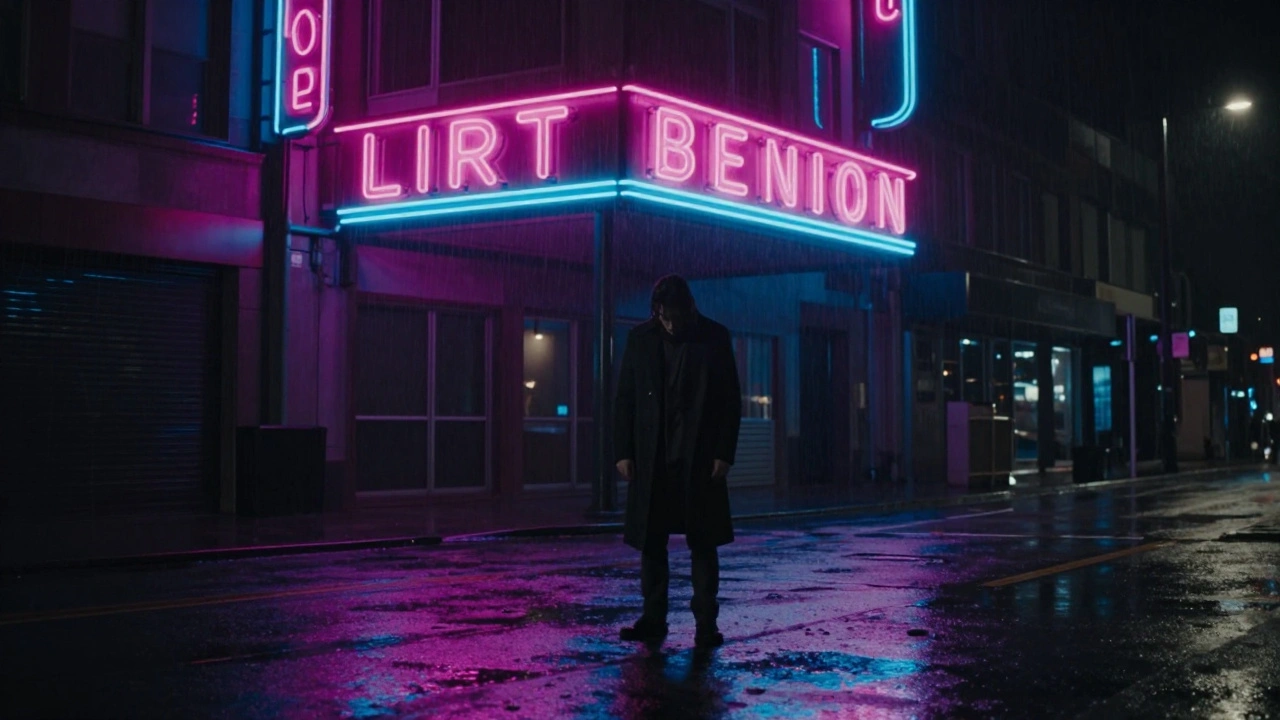
The Core DNA of the Modern Noir
To understand why these movies hit differently, we have to look at what makes them work. Classic noir relied on high-contrast black and white to hide the monsters in the shadows. Neo-noir does the opposite: it uses color to create a different kind of dread. Think of the oppressive yellow hues in a desert wasteland or the sterile, blinding white of a corporate office. The Femme Fatale, once a mysterious woman in a silk dress, has evolved into something more complex-sometimes she's the victim, sometimes the mastermind, and often she's just as trapped as the lead. Modern noir also leans heavily into Moral Ambiguity. In the old days, the detective might be a drunk, but he usually had a code. In modern revivals, the line between the cop and the criminal is almost invisible. We see characters making terrible choices not because they are evil, but because the system they live in doesn't offer a clean way out. This shift makes the stories feel more grounded and, frankly, more depressing, which is exactly why we love them.The Cyberpunk Connection: Noir in the Future
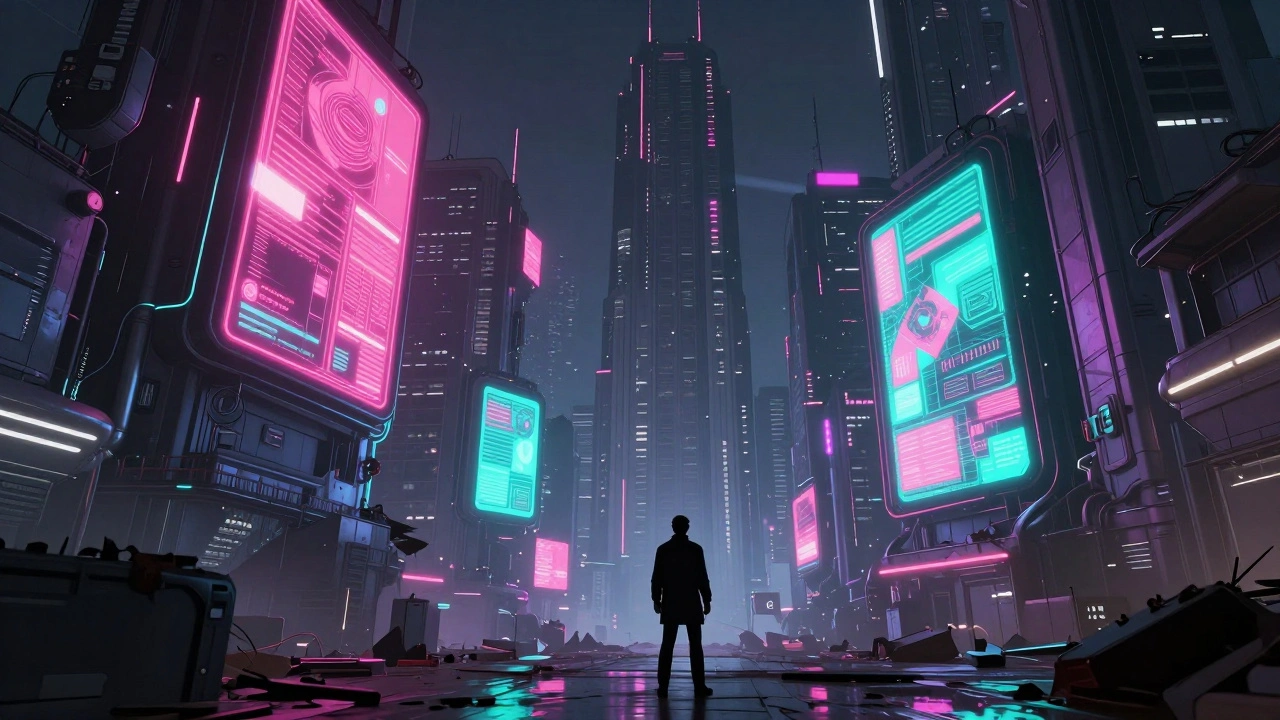
One of the most successful revivals of the genre happened when noir met science fiction. When you strip away the flying cars and robotic limbs, movies like Blade Runner 2049 are pure crime noir. You have the disillusioned investigator, the sprawling urban decay, and a mystery that leads to a truth the protagonist wasn't prepared for. The visual language here uses Cyberpunk aesthetics to emphasize isolation. In a world where everyone is connected by technology, the characters are more alone than ever. Take a look at the lighting in these films. The use of massive holographic advertisements casting blue and pink light over wet pavement is the modern version of the Venetian blind shadows from the 40s. It creates a sense of scale that makes the individual feel tiny and insignificant. This is the 'big city' anxiety of the 1940s amplified by a thousand. When the environment itself feels like it's trying to swallow you whole, the stakes of a simple missing persons case suddenly feel like a battle for the soul.| Attribute | Classic Noir (1940s-50s) | Neo-Noir (1960s-Present) |
|---|---|---|
| Visuals | Chiaro-scuro (High contrast B&W) | Saturated colors, neon, wide-angle lenses |
| Protagonist | Hard-boiled P.I., cynical veteran | Anti-heroes, corporate drones, flawed vigilantes |
| Setting | Urban centers, dark alleys | Global cities, futuristic dystopias, rural deserts |
| Theme | Fatalism and greed | Identity crisis and systemic corruption |
Sun-Drenched Noir: The Desert Shift
Who says noir has to be dark and rainy? Some of the most gripping revivals happen in broad daylight. This is often called "Sunshine Noir." Instead of shadows, these films use the blinding glare of the sun to expose the ugliness of human nature. The heat becomes a character itself, pressing down on the protagonists until they snap. Movies like No Country for Old Men flip the script. The dread doesn't come from a dark alley but from a wide-open landscape where there is nowhere to hide. The pursuit is relentless, and the violence is sudden and clinical. In these stories, the "city" is replaced by the borderlands-places where the law is a suggestion and the only thing that matters is who is faster with a gun. It proves that the noir mood isn't about the lighting; it's about the feeling of inevitable doom.The Psychological Twist: Mind Games and Memory
Recent revivals have moved inside the head. The mystery isn't just "who killed whom," but "what is actually happening?" This psychological layer adds a level of instability that keeps the viewer off-balance. We aren't just following a trail of clues; we're questioning the reliability of the narrator. Consider the use of non-linear storytelling. By jumping through time, filmmakers can mirror the fractured mental state of a character. The mystery becomes a puzzle where the pieces don't quite fit. This approach turns the audience into detectives. You're not just watching a story; you're trying to solve a riddle while the movie actively tries to trick you. It's a high-wire act that transforms the genre from a simple crime story into a study of grief, trauma, and memory.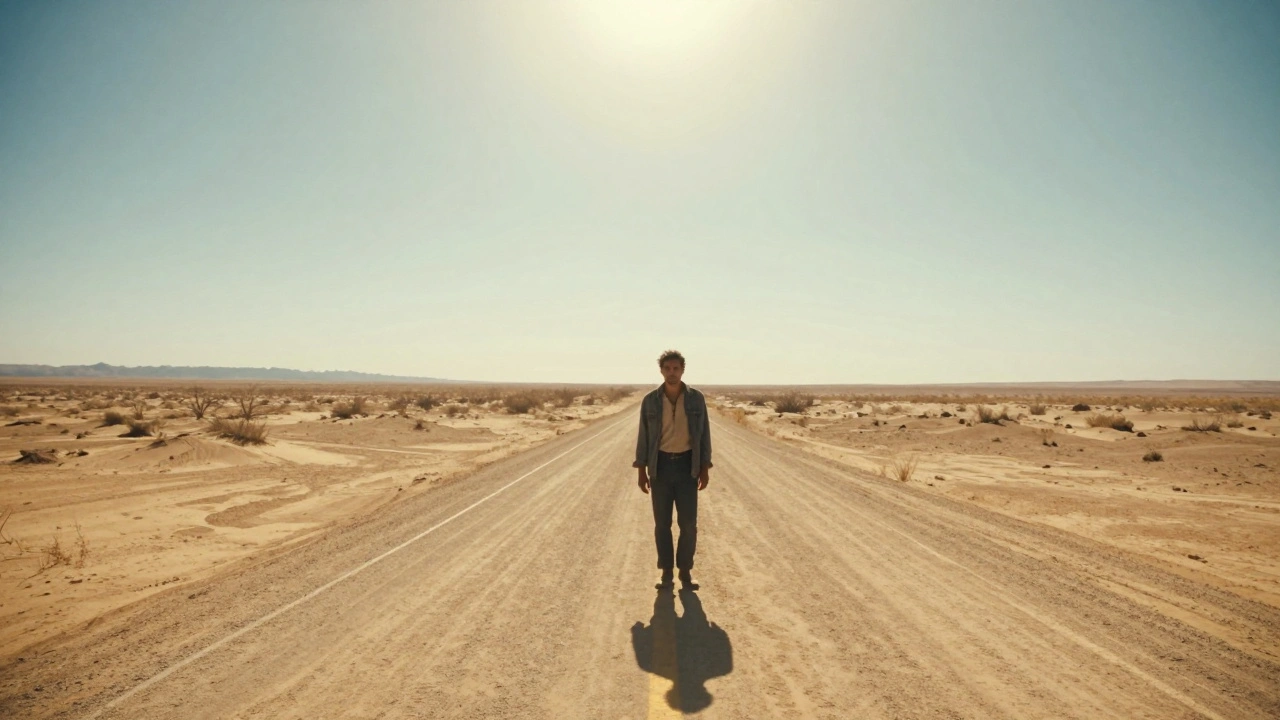
Essential Neo-Noir Watchlist for 2026
If you're starting your journey into modern noir, you need a balanced diet of styles. Don't just stick to the futuristic stuff; explore the gritty realism and the surrealist experiments. Here are the paths I recommend:- The Visual Masterpieces: Start with Drive. It uses a minimalist approach, where silence speaks louder than dialogue, and the nighttime streets of Los Angeles become a neon-lit dreamscape.
- The Cerebral puzzles: Try Memento. It's a masterclass in structure that forces you to experience the protagonist's short-term memory loss in real-time.
- The Brutal Realists: Look into Sicario. It captures the modern geopolitical nightmare with a tension that is almost physical.
- The Stylized Weirdness: Check out The Nice Guys for a version of noir that knows how to laugh at its own tropes while still delivering a great detective story.
Why the Genre Keeps Coming Back
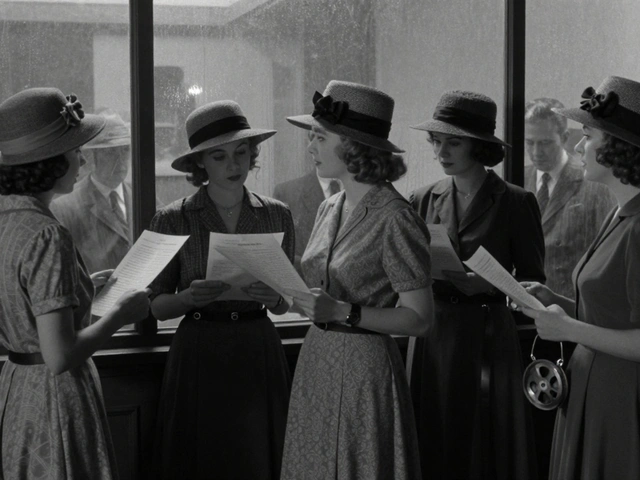
Why are we still obsessed with these stories? Because the world always feels a little bit like a noir film. Whether it's the feeling of being a small cog in a giant corporate machine or the suspicion that the people in power are playing a game we don't understand, noir speaks to our collective anxiety. Neo-noir revivals work because they adapt to our current fears. In the 40s, it was about the aftermath of war and the shift in gender roles. Now, it's about digital surveillance, environmental collapse, and the loss of truth. As long as there is a gap between how the world is supposed to work and how it actually works, there will be a place for noir. It's the cinema of the uncomfortable truth, and that will never go out of style.What exactly is the difference between Film Noir and Neo-Noir?
The main difference is time and technique. Film Noir refers to the original wave of crime dramas from the 1920s to the late 50s, characterized by black-and-white cinematography and a very specific set of studio tropes. Neo-Noir is the "New Noir," appearing from the 1960s onward. It keeps the themes of cynicism and crime but adds color, more explicit violence, and updated social settings, often blending with other genres like sci-fi or horror.
Can a movie be Neo-Noir if it's not a crime movie?
Mostly, yes. While crime is the core, Neo-Noir is more about a mood and a moral outlook. If a movie features a bleak atmosphere, a flawed protagonist trapped in a hopeless situation, and a sense of inevitable failure, it can fit the Neo-Noir mold even if there isn't a traditional "detective" or a "murder mystery" at the center.
What are some common visual cues to look for in Neo-Noir?
Look for high-contrast lighting, often using neon colors (pinks, blues, greens) against deep blacks. You'll also see wide shots of lonely urban landscapes, reflections in rain-slicked streets, and characters framed by windows or doorways to create a feeling of being trapped or observed.
Why is the 'Femme Fatale' still relevant in modern noir?
The archetype has evolved. In modern films, she isn't just a "dangerous woman" used to lure a man to his doom. Instead, she often represents the unpredictability of power. Modern Neo-Noir uses this character to explore agency and survival, showing that the "danger" often comes from a need to survive in a world dominated by men.
Which Neo-Noir films are best for beginners?
If you want something visually stunning, start with Blade Runner 2049 or Drive. If you prefer a gripping mystery with a twist, Memento is the gold standard. For those who like a bit of humor with their cynicism, The Nice Guys is a great entry point that doesn't feel too heavy.




Comments(6)