
Key Takeaways for Film Professionals
- The "Prestige Window": October to December is the prime time for award-contenders to hit theaters.
- The Festival Launchpad: Venice and Telluride create the initial buzz that fuels the rest of the year.
- The Voter Pivot: Strategy shifts from attracting critics in autumn to courting Academy members in winter.
- The Momentum Game: Early wins at smaller critics' circles act as a signal for the bigger voters.
The Launchpad: Summer and Autumn Festivals
The road to the podium doesn't start in January; it starts in late August. Telluride Film Festival is a prestigious event in Colorado that often serves as the first major US screening for Oscar hopefuls. It's an intimate setting where the industry's elite get their first glimpse of a potential masterpiece. If a film gets a standing ovation here, the trade publications start writing about "Oscar buzz" before the movie is even widely released.
Shortly after, the Venice Film Festival is the world's oldest film festival, known for premiering high-concept cinema and awarding the Golden Lion. Winning at Venice gives a film international legitimacy. A movie that wins the Golden Lion doesn't just get a trophy; it gets a label of "prestige" that studios use in every single trailer and press release for the next six months. This is where the awards season timeline truly begins.
The goal during this phase is simple: create a narrative. Is the movie a "daring experimental piece" or a "heart-wrenching human drama"? By the time we hit the Toronto International Film Festival (TIFF), which acts as the ultimate industry market, the studio needs a clear identity for the film. TIFF is where the actual "voting' momentum starts because it's a public-facing festival that proves whether a movie actually resonates with an audience or just with a few critics.
The Fall Push: Strategic Release Windows
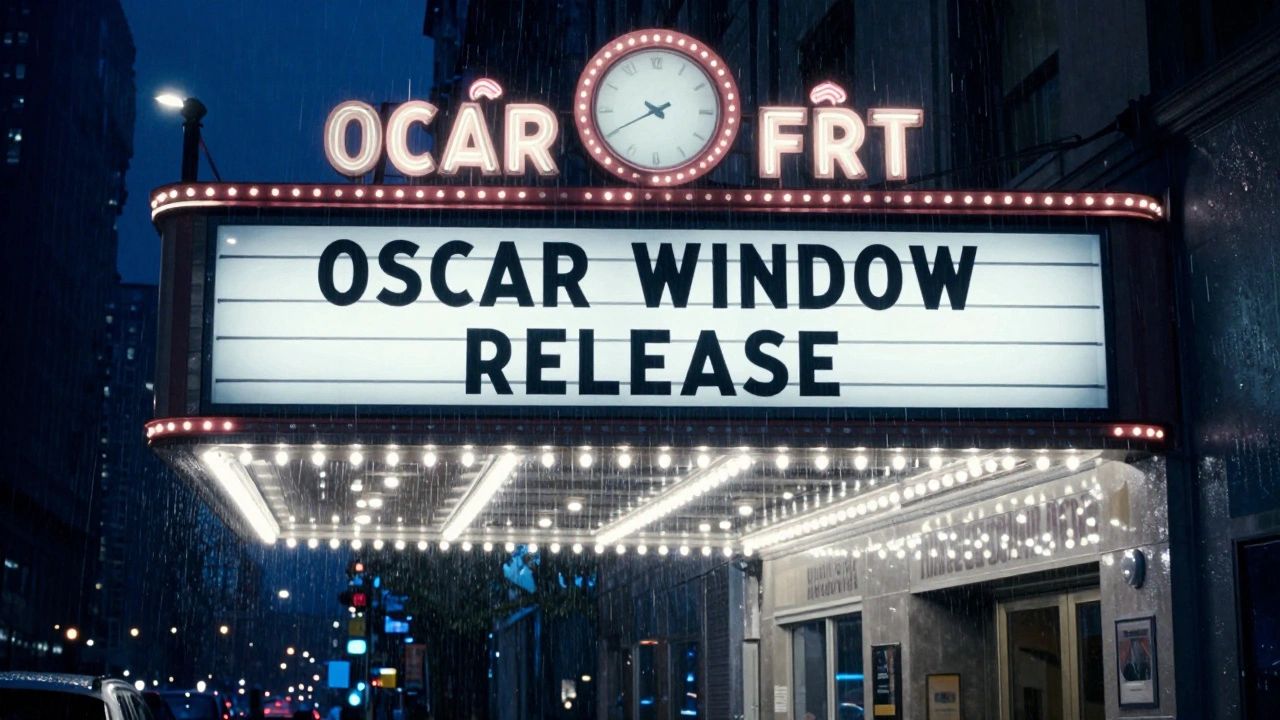
Timing the theatrical release is a high-stakes gamble. Most studios aim for the "Oscar Window," which typically spans from October to December. Why? Because it keeps the film fresh in the minds of voters when they actually cast their ballots in January. If a film comes out in March, it has to fight a massive uphill battle to remain relevant for ten months.
But not all releases are equal. A limited release strategy is the gold standard for prestige films. Instead of opening in 3,000 theaters, a studio might open in just two-one in New York and one in Los Angeles. This creates artificial scarcity and drives massive per-screen averages, which the studio then brags about to create a sense of "must-see" urgency. As the positive reviews pile up, they slowly expand to more cities, building a wave of excitement that peaks right before the nominations are announced.
| Strategy | Primary Goal | Best For | Risk Level |
|---|---|---|---|
| Limited Expansion | Build word-of-mouth prestige | Indie dramas, A24-style films | Medium (Can fizzle out) |
| Wide Holiday Release | Maximize revenue + Visibility | Studio epics, Biopics | High (Can feel like "product") |
| Streaming-First | Immediate accessibility | Netflix/Apple originals | Very High (Voter bias) |
The Winter Gauntlet: Critics and Guilds
Once the movie is in theaters, the focus shifts to the Critics' Choice Awards, which are essentially a weather vane for the Academy Awards. While critics aren't the ones giving out the gold statues, their consensus creates a "shortcut" for Academy voters. Many voters, who are busy professionals, look at who is winning the critics' circles to decide who is "worth" a deep dive.
Then come the Guilds. The Screen Actors Guild (SAG), Directors Guild of America (DGA), and Writers Guild of America (WGA) are critical because they represent the peers of the nominees. A win at the DGA is often the strongest predictor of a Best Director win at the Oscars. Why? Because directors are a significant voting bloc within the Academy, and they tend to stick together.
During this period, the "campaign" goes into overdrive. This is the era of the "For Your Consideration" (FYC) ads. You'll see them in trade magazines like *Variety* and *The Hollywood Reporter*. These aren't just ads; they are reminders. They remind voters that the actor spent six months learning a dead language or that the director shot the whole movie on 16mm film. It's about selling the effort as much as the art.
The Final Stretch: Nominations to the Ceremony
When the Academy of Motion Picture Arts and Sciences (AMPAS) announces the nominations, the game changes. The focus moves from "getting noticed" to "closing the deal." This is where the strategy becomes most intimate. Studios host lavish brunch events, private screenings, and Q&A sessions. It's an exercise in networking and lobbying.
The goal here is to neutralize the competition. If two movies are fighting for Best Picture, the campaigns start to pivot. One might argue that their film is the "important" choice for the culture, while the other argues theirs is the "definitive" cinematic achievement of the year. The narrative battle is won in the hallways of the hotels in Los Angeles, not on the screen.
One common pitfall during this stage is "over-campaigning." If a studio pushes too hard-making the actor seem desperate or the movie seem like a corporate product-voters may rebel. There is a delicate balance between being present and being annoying. The most successful campaigns feel like an organic coronation rather than a sales pitch.

The Post-Oscar Ripple Effect
Winning doesn't just mean a trophy; it means a massive spike in the "long tail" of a movie's revenue. A Best Picture win can lead to a secondary surge in streaming views and digital sales. It also increases the "quote" of the actors and directors for their next three projects. For an independent studio, one Oscar win can be the difference between staying in business and going bankrupt.
We also see the emergence of the "Oscar Bump," where movies that were ignored in November suddenly become the most-watched films in January. This proves that the awards season timeline isn't just about prizes-it's a marketing engine that transforms art into a brand. When a film is labeled an "Oscar Winner," it becomes a permanent part of the cinematic canon, regardless of its actual box office performance.
Does a movie have to be released in the same year to be eligible?
Yes, generally. For the Academy Awards, a film must be released in a commercial theater in Los Angeles County or New York City between January 1 and December 31 of the qualifying year. Some films use a "limited release" in these cities just to qualify, even if the movie doesn't hit wide release until the following year.
Why are the Golden Globes considered less prestigious now?
The Globes are voted on by a smaller, journalist-based body rather than industry peers. Following controversies regarding their voting transparency and diversity, many in the industry view them more as a "party" and a publicity boost rather than a definitive mark of quality.
What is a "For Your Consideration" campaign?
An FYC campaign is a direct marketing push aimed at award voters. It involves targeted advertising, screenings, and promotional materials that highlight the technical or emotional achievements of a film to encourage voters to nominate or vote for it.
Can a streaming movie win an Oscar?
Yes, but they still usually need a theatrical run. Most streaming giants like Netflix or Apple TV+ will release their top contenders in a few select theaters for a week to satisfy the Academy's requirement that the film must have a traditional theatrical release.
How does the DGA win affect the Oscars?
The Directors Guild of America award is one of the most reliable predictors because directors make up a large portion of the Academy's voting body. If a director wins the DGA, they have already secured a significant percentage of the votes needed for the Academy Award for Best Director.
Next Steps for Aspiring Producers
If you're aiming for a prestige run, start by identifying your "festival window." Don't just submit to every festival; target those that the Academy voters actually attend. Next, build a relationship with a PR firm that specializes in awards-they have the contacts to get your film in front of the right people at the right time.
For those managing smaller budgets, focus on the "Critics' Circle" strategy. Getting 5-10 mid-tier critics to champion your film can create the niche buzz necessary to get the attention of bigger voters. Remember, you aren't just selling a movie; you're selling the idea that your movie deserves to be remembered.







Comments(8)