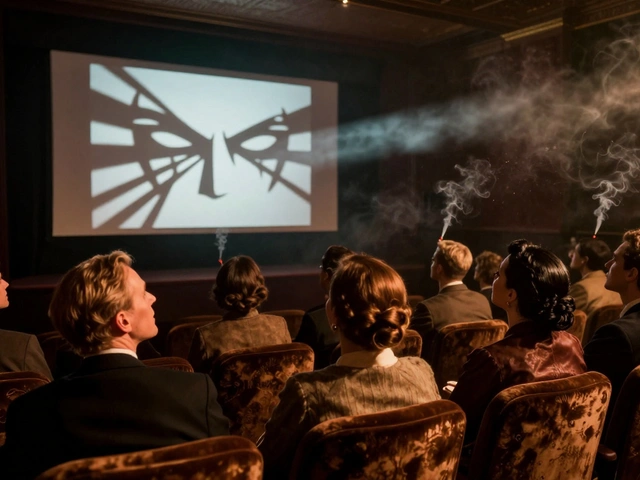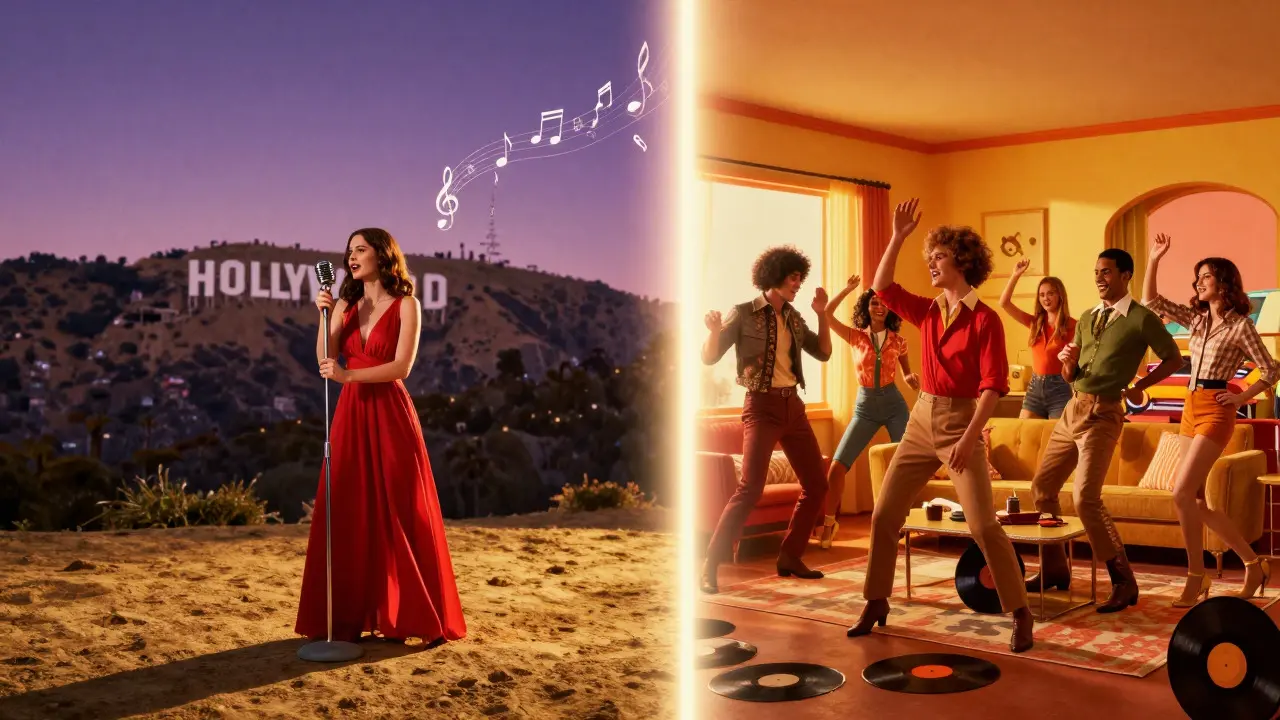
There is a distinct difference between walking into a theater expecting to hear a song you already know and walking in hoping to discover a melody that will stay with you for years. In the world of cinema, this divide separates two major camps: original stories set to new compositions and jukebox hits built around existing pop culture anthems. Which one delivers a better experience? It depends on what you value more: the comfort of nostalgia or the surprise of innovation.
The debate isn't just about preference; it’s about how music drives narrative. When a filmmaker writes a score from scratch, every note serves the specific beat of the scene. When they license a hit single, the audience brings their own memories to the screen. Both approaches have produced masterpieces, but they operate under very different rules of engagement.
The Power of the Blank Canvas: Original Scores
An original musical film starts with a blank slate. The composer doesn't have to fit a pre-existing rhythm into a plot; instead, the plot evolves around the music. This allows for a tighter integration of sound and story. Take La La Land as a romantic drama that blends jazz standards with contemporary pop to explore the clash between artistic ambition and practical life. The songs weren't chosen because they were hits; they were written because Mia and Sebastian needed a way to express feelings too complex for dialogue. "City of Stars" works because it was crafted specifically for that moment of disillusionment.
This approach gives directors full control over pacing. If a scene needs tension, the composer can shift the key. If a character is hiding something, the lyrics can be ironic rather than literal. There is no risk of the audience getting distracted by a verse they recognize from a radio ad. Instead, the immersion is total. You are hearing the music for the first time, exactly as the characters are experiencing it.
- Narrative Precision: Songs match the exact emotional arc of the character.
- Creative Freedom: No licensing fees or copyright restrictions limit creative choices.
- Freshness: The audience experiences the emotion alongside the protagonist.
The Nostalgia Engine: Jukebox Musicals
Jukebox musicals take a different path. They rely on the cultural weight of existing songs. Think of Mamma Mia! as a comedy-drama that uses ABBA's greatest hits to tell a story about family secrets and second chances. The magic here isn't just in the performance; it's in the recognition. When "Dancing Queen" plays, the audience doesn't just hear a song; they remember the summer they bought the album, the wedding where it was played, or the road trip where it blared from the speakers.
This creates an immediate emotional shortcut. The director doesn't need to spend twenty minutes building up to a happy ending because the song itself carries decades of positive association. It’s a powerful tool, but it comes with risks. If the plot feels forced just to accommodate a famous chorus, the illusion breaks. The story has to serve the song, not the other way around, which can sometimes lead to predictable character arcs.
- Instant Connection: Familiar melodies trigger immediate emotional responses.
- Broad Appeal: Fans of the band often see the film regardless of acting quality.
- Risk of Cliché: Plots may feel generic to fit well-known lyrical themes.
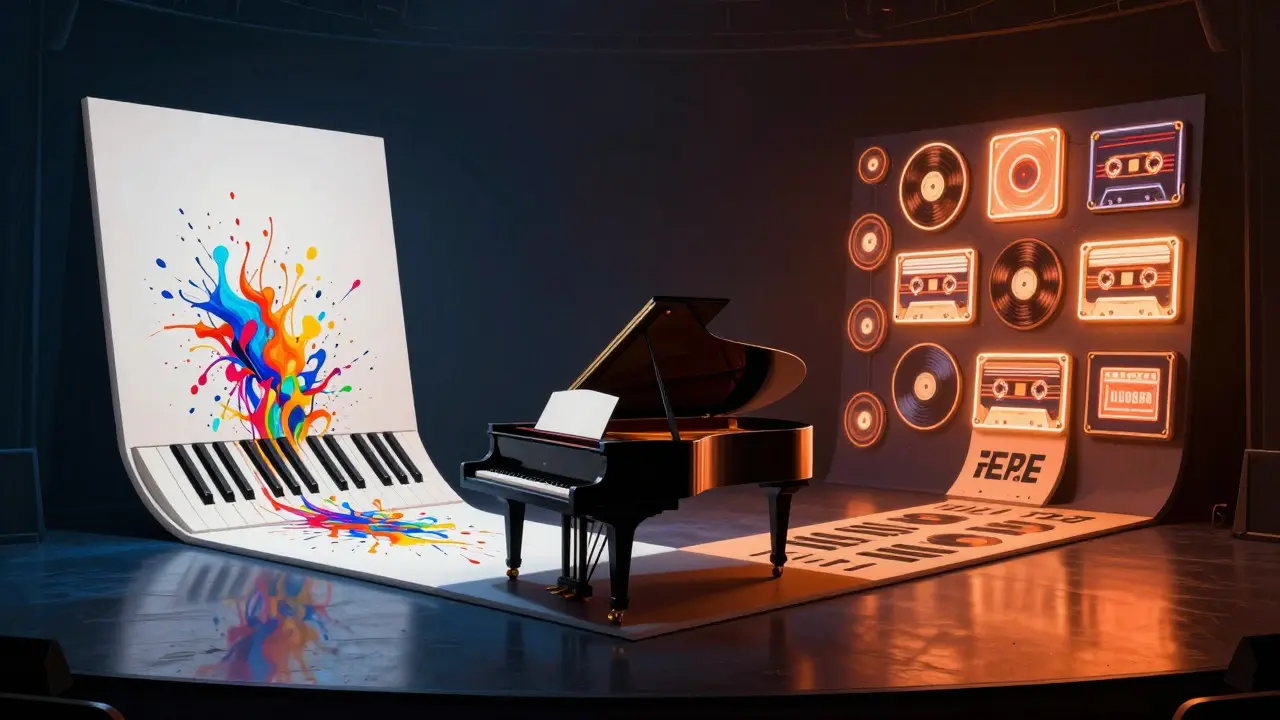
Comparing the Two Approaches
To understand why some films succeed while others flop, we need to look at how each type handles its core elements. The table below breaks down the key differences in production and audience impact.
| Feature | Original Story Musicals | Jukebox Hits |
|---|---|---|
| Music Source | Newly composed songs and score | Pre-existing popular songs |
| Narrative Flexibility | High; story adapts to music | Low; music dictates story beats |
| Audience Engagement | Discovery and surprise | Nostalgia and recognition |
| Production Cost | Lower licensing costs, higher composition fees | High licensing fees, lower composition fees |
| Longevity | Depends on critical acclaim and awards | Depends on the enduring popularity of the artist |
Notice the trade-off in longevity. A great original score can become a classic in its own right, like the work of Alan Menken, who composed iconic scores for Disney animated features including The Little Mermaid and Aladdin. His music stands independently of the film. Conversely, a jukebox musical fades if the artist falls out of favor. If the band breaks up or the genre becomes dated, the film loses its primary hook.
Why Some Jukebox Films Fail
Not every attempt to turn a playlist into a movie works. The biggest pitfall is forcing the narrative. If the only reason a character sings "I Will Always Love You" is because the director wants to use the song, the audience feels manipulated. The best jukebox films, like Grease, a coming-of-age musical set in the 1950s that captures the rebellious spirit of the era through rock and roll, use the songs to define the era and the characters' social status. The music explains *why* Danny Zuko acts the way he does. It’s not just background noise; it’s character development.
When the connection is weak, the film feels like a commercial. Viewers notice when the plot pauses simply to allow a star to perform a hit single. This disconnect ruins the immersion. For an original musical, the risk is different. If the songs aren't catchy enough, the film lacks memorability. People might praise the acting but forget the soundtrack. In a jukebox film, the songs are already catchy; the challenge is making them relevant to the new context.
The Role of Technology in Modern Musicals
Today, the line between these two categories is blurring. Digital streaming has made it easier for audiences to access both types instantly. A viewer who sees a jukebox musical might immediately stream the original album, creating a feedback loop. Meanwhile, original scores gain exposure through social media clips. A single viral snippet from a new movie song can launch a career, much like a hit single did in the past.
Technology also affects production. High-quality recording studios are now accessible to independent filmmakers, meaning smaller budgets can produce professional-sounding original scores. This democratization encourages more original storytelling. We are seeing a resurgence of indie musicals that prioritize authentic voices over polished pop productions. These films often resonate deeply with niche audiences who crave genuine expression over mass-market appeal.
What Should You Watch?
Your choice should depend on your mood and what you want from the experience. If you want to be challenged, surprised, and emotionally moved by a fresh perspective, choose an original musical. Look for films where the music feels essential to understanding the plot. If you want comfort, celebration, and a shared cultural moment, pick a jukebox hit. Lean into the nostalgia. Let the familiar melodies carry you away.
Both forms have their place in cinema history. One pushes the medium forward by inventing new sounds; the other preserves our collective memory by revisiting old ones. Neither is superior, but they serve different masters. The best filmmakers understand this balance and use the right tool for the job. Whether you prefer the safety of a known tune or the thrill of an unknown melody, there is a musical film waiting for you that fits your current state of mind.
Are original musicals harder to make than jukebox musicals?
They are different kinds of hard. Original musicals require writing compelling songs from scratch that fit the narrative, which is a high creative bar. Jukebox musicals require navigating complex licensing rights and ensuring the existing songs fit the new story without feeling forced. Both demand significant budget and talent, but the challenges lie in different areas: creativity versus logistics.
Which type of musical is more likely to win Academy Awards?
Original musicals have historically had a stronger track record for Best Original Song and Score awards because the judges evaluate the novelty and craftsmanship of the new work. However, jukebox musicals can win for technical achievements like sound mixing or costume design. Recently, original scores have dominated the musical category due to their unique artistic merit.
Can a jukebox musical introduce me to a new artist?
Yes, absolutely. Many viewers discover older artists or lesser-known tracks within a jukebox film that they hadn't heard before. The cinematic context provides a narrative reason to listen to the music differently. If the film resonates with you, you are likely to seek out the full discography of the featured artists, expanding your musical horizons.
Why do some people dislike jukebox musicals?
Critics often argue that jukebox musicals rely too heavily on nostalgia and lack originality. They can feel like fan service rather than storytelling. If the plot is thin or the casting feels mismatched, the familiar songs cannot save the film. Purists prefer the integrity of an original score that is tailored specifically to the film's unique vision.
Is it cheaper to make a jukebox musical?
Not necessarily. While you don't pay for composition, licensing fees for major hits can be astronomical. Rights holders often charge premium prices for prominent usage in films. On the other hand, original scores involve paying composers, arrangers, and session musicians. The total cost varies widely depending on the scale of the production and the fame of the music involved.