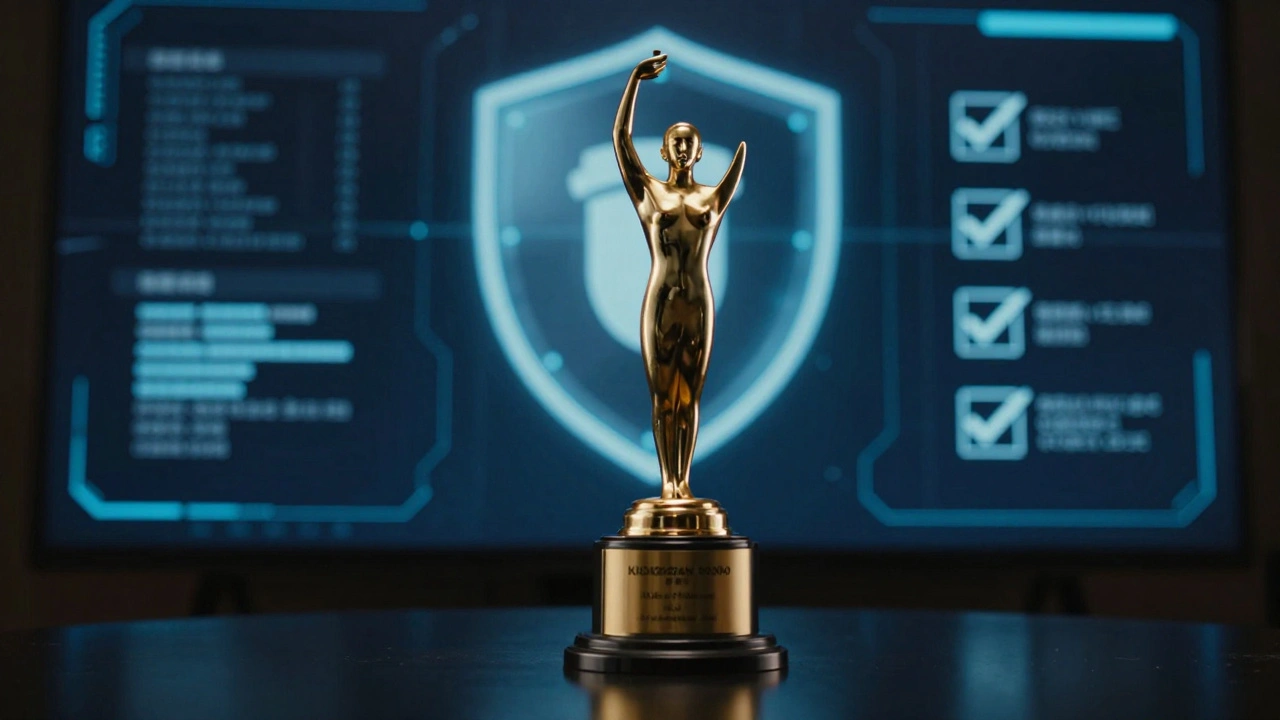
Key Takeaways for Awards Integrity
- Multi-factor authentication and digital IDs prevent identity theft in voting.
- Strict "campaigning" rules stop voters from being bribed or coerced.
- Third-party accounting firms act as the final, unbiased check on all tallies.
- Audit trails allow organizations to spot weird voting patterns in real-time.
The Digital Fortress: Stopping the Ballot Stuffers
Back in the day, paper ballots were the norm. You’d mail in a slip, and someone would count them. But paper is easy to lose, easy to forge, and slow to process. Today, most major awards use encrypted digital platforms. But how do they stop a random person from hacking into the system or a member from voting ten times? Digital Identity Verification is the first line of defense. Most guilds now use a system tied to a member's professional ID and a verified email. When a voter logs in, they aren't just using a password; they're often using a token sent to a device they've already registered. This makes it nearly impossible for someone outside the guild to spoof a vote. To keep things even tighter, many systems use a process where the voter must confirm their identity through a secure portal before the ballot even opens. If a single IP address tries to submit 50 different ballots, the system flags it immediately. It's the same kind of security banks use to stop fraud, applied to a world where the 'currency' is a trophy.The Human Element: Bribery and Campaigning
Technical security is great, but it can't stop a person from taking a bribe. In the film industry, "campaigning" is a polite word for a massive spending spree. Studios spend millions on billboards and lavish parties to sway voters. While that's generally legal, there's a thin line between "awareness" and "coercion." The Academy of Motion Picture Arts and Sciences, the body behind the Oscars, has very strict rules about how members can interact. For example, they often forbid "campaigning" via direct emails or texts to voters. If a studio sends a message saying, "Vote for our movie and we'll give you a role in the sequel," that's a violation. How do they catch this? They rely on a system of reporting. Members are encouraged to report unsolicited pressure. If a pattern emerges where one film is receiving an unnatural surge of support coinciding with a specific set of "gifts" or "favors," the board can step in. In extreme cases, they can even strip a nominee of their eligibility or disqualify votes if fraud is proven. It's a bit like a police force for prestige.Who Actually Counts the Votes?
If the awards body counted their own votes, the conflict of interest would be massive. What happens if the president of the guild really wants their friend to win? To avoid this, they bring in an outsider. This is where the "big accountants" come in. PricewaterhouseCoopers (PwC) is the most famous example here. They are the ones who carry the sealed envelopes onto the stage. But their job starts months before the ceremony. They handle the voting safeguards by acting as the independent custodians of the data.| Method | Main Security Feature | Primary Weakness | Fraud Risk Level |
|---|---|---|---|
| Paper Ballots | Physical Signatures | Loss/Physical Forgery | Medium |
| Simple Web Forms | Passwords | Bot Attacks / Phishing | High |
| Secure Portals | MFA & Digital ID | Account Takeover | Low |
| Blockchain Voting | Immutable Ledger | Privacy Leaks | Very Low |
The Risk of the "Insider Leak"
We've all seen it: the envelope is opened, and the wrong winner is announced, or the winner is leaked on Twitter ten minutes before the show. While this isn't "fraud" in the sense of stealing a win, it's a massive failure of integrity. To prevent this, the process of tallying is kept in a "black box." Only a tiny handful of people know the results. In recent years, the use of digital tablets for counting has reduced the risk of physical theft, but it increased the risk of a digital leak. To counter this, the systems are often air-gapped-meaning the computer doing the final count isn't even connected to the internet. Air-Gapping is a security measure where a computer is physically isolated from unsecured networks. By doing this, the awards body ensures that no hacker from across the world can slide into the server and change a "Best Actor" vote to a "Best Supporting Actor" vote at 2 AM.What Happens When the System Fails?
No system is perfect. When fraud does happen, it usually stems from a lack of oversight. Look at some of the smaller, more niche awards where a single person might have control over the voting database. When the community realizes a result is fraudulent, it often leads to a complete overhaul of the rules. For the big leagues, the response to a failure is usually a public audit. If there's a controversy, they might allow an independent firm to re-verify the digital signatures. This creates a transparent trail that proves the win was legitimate. It's all about maintaining the "myth" of the award. If the myth dies, the industry loses its primary marketing tool.The Future: Could Blockchain Save the Oscars?
Some people are pushing for Blockchain technology to be used in voting. A blockchain is essentially a public ledger that cannot be edited once a piece of information is added. If every vote were a "block" on a chain, you could prove that no one changed a vote after it was cast without needing to trust a third-party accountant. However, there's a catch: anonymity. In the film world, a secret ballot is sacred. If people knew who voted for whom, the bribery and pressure would get even worse. The challenge for future tech is finding a way to make the process 100% transparent (so we know no fraud happened) while keeping the individual voters 100% anonymous. Until that's solved, we'll keep relying on a mix of high-end encryption, strict guild rules, and a few very stressed-out accountants carrying envelopes across a stage.Can someone actually 'buy' an Oscar?
Directly? No. You can't pay the Academy to change a vote. However, studios spend millions on 'For Your Consideration' campaigns, which is a legal way of influencing voters through advertising and events.
How do they know if a voter is actually a member?
They use a combination of professional credentials, verified email addresses, and multi-factor authentication (MFA). Each member has a unique ID that must match the guild's master registry before a ballot is issued.
What happens if a mistake is found after the winner is announced?
If a genuine error in counting is discovered, the organization can conduct a formal review. While rare, they can technically strip an award or issue a correction, though this usually causes a massive PR disaster.
Why use accountants like PwC instead of a computer program?
Computers do the math, but humans provide the accountability. A reputable firm puts its global brand on the line to certify that the process was fair. It's about adding a layer of professional trust that a piece of software can't provide on its own.
Do all film awards use the same security?
No. Major awards like the Oscars have huge budgets for security. Smaller festivals or critics' groups might use simpler tools like Google Forms or email surveys, which are far more vulnerable to fraud.
Next Steps for Awards Bodies
- For Small Awards: Move away from open-link voting and implement a simple invite-only system via unique tokens.
- For Major Guilds: Regularly update the list of active members to remove "ghost" accounts that could be hijacked.
- For Studios: Stick to approved campaigning channels to avoid triggering fraud investigations by the board.





Comments(4)