Picture this: You’ve just cut the final scene of your short film. The tension is perfect, the acting is raw, and the story lands. But then you realize that the song playing in the background is a popular track from 2019. If you submit this to a festival or upload it to YouTube without clearing those rights, you might face a takedown notice, a lawsuit, or a costly settlement. For independent filmmakers, music licensing is often the most overlooked aspect of production until it becomes a crisis.
Navigating the legal landscape of audio can feel like deciphering code. Unlike visual elements where you own the camera footage, music involves two distinct sets of rights that must be cleared separately. This guide breaks down exactly how these rights work, how much they cost, and how to secure them without draining your entire post-production budget.
Understanding the Two Sides of Music Rights
To license a song correctly, you need to understand that a single track consists of two separate copyrights. Confusing these two is the number one reason indie films get stuck in legal limbo.
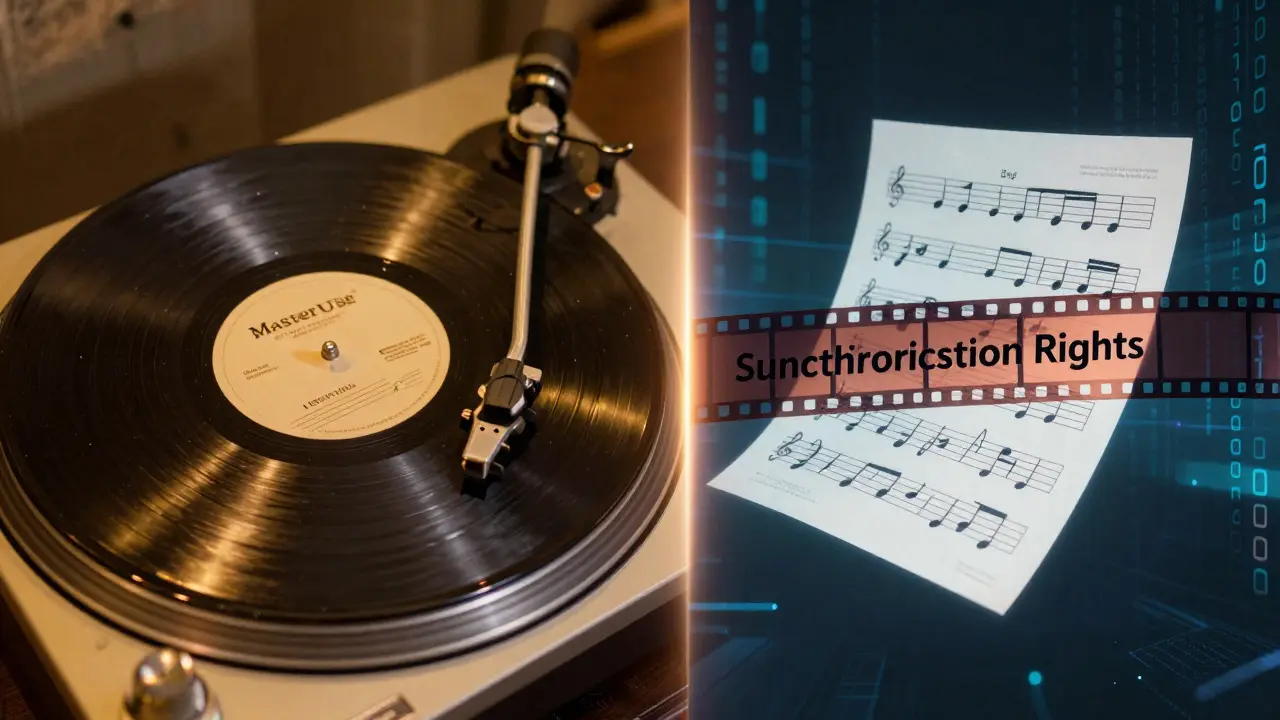
- Master Use Rights is the right to use the specific recording of a song. This belongs to the record label or the artist who owns the studio recording. If you want to hear the exact version of a Beatles song recorded in Abbey Road, you are negotiating with the label that holds that master.
- Synchronization Rights (Sync) is the right to synchronize the musical composition with visual media. This belongs to the songwriter(s) and their publisher. If you hire a local band to re-record a cover of that same Beatles song, you still need to clear the Sync rights from the original writers, but you don't need the Master rights from the label.
Most commercial songs require both permissions. If you only clear the Sync rights but forget the Master, you are legally using an unlicensed recording. Conversely, if you only clear the Master, you are technically allowed to play the recording, but not necessarily tie it to your visuals in a way that implies endorsement or narrative connection, depending on the contract terms. In practice, for narrative films, you almost always need both.
How Much Does It Cost?
The biggest myth in indie filmmaking is that "indie" means "free." While there are no fixed price tags set by law, the market has established ranges based on the prominence of the song and the distribution scope of the film.
| Usage Type | Typical Cost Range (USD) | Notes |
|---|---|---|
| Background / Non-Featured | $500 - $2,500 | Song plays quietly in background; lyrics not prominent. |
| Featured / Diegetic | $2,500 - $10,000 | Song is heard from a radio, TV, or character singing; central to scene. |
| Theme Song / Trailer | $10,000 - $50,000+ | High visibility; used in marketing materials and end credits. |
| Stock Library Music | $100 - $500 per track | Pre-cleared tracks; no negotiation required. |
These prices fluctuate based on the "scope" of distribution. A film shown only at three local festivals will cost significantly less than one distributed globally via streaming platforms. Always specify your release plan upfront to avoid renegotiating later when your film gets picked up by a larger distributor.
Strategies for Low-Budget Clearance
If your budget is under $10,000 for the entire post-production phase, clearing major commercial hits is likely impossible. Here are practical strategies to keep the music legal and affordable.
- Commission Original Score: Hire a composer to write custom music. You retain full ownership if you sign a Work-for-Hire agreement. This eliminates all licensing fees and ensures the music fits your film’s tone perfectly. For a short film, a skilled composer might charge between $1,500 and $4,000 for the entire score.
- Use Public Domain Music: Classical compositions by Beethoven, Mozart, or Bach are in the public domain. However, beware: the *composition* is free, but the *recording* by a modern orchestra is copyrighted. You must find a public domain recording or commission your own performance.
- Leverage Student or Emerging Artists: Many young artists want exposure more than money. Offer them a credit in the film and a copy of the finished product in exchange for a low flat fee or even a trade. Always get this in writing to ensure you have perpetual, worldwide rights.
- License from Indie Labels: Smaller labels are often more flexible than major corporations. They may offer lower rates in exchange for promotional opportunities, such as featuring their artist in a behind-the-scenes video.
The Danger of "Fair Use"
Filmmakers often assume that because their film is "artistic" or "educational," they can use any song under Fair Use. This is a risky gamble. Fair Use is a legal defense, not a right. It is determined case-by-case by courts based on four factors: the purpose of the use, the nature of the copyrighted work, the amount used, and the effect on the market value of the original.
Using a 30-second clip of a hit pop song in a dramatic scene rarely qualifies as Fair Use because it substitutes for buying the license. Unless you are making a direct parody or critical commentary *on* the song itself, assume you need a license. The cost of a lawyer defending a Fair Use claim far exceeds the cost of licensing a lesser-known track.
Paperwork and Contracts: What to Look For
When you agree on a price, the contract details matter just as much as the number. Ensure your synchronization license includes these key clauses:
- Perpetual Term: The license should last forever. Avoid "term-limited" licenses that expire after five years, which would force you to pay again if the film remains in circulation.
- Worldwide Territory: Ensure the rights cover global distribution, including digital streaming and physical media.
- All Media: Specify that the rights include theatrical, broadcast, cable, satellite, and internet/digital delivery. New media formats emerge constantly; broad language protects you from future gaps.
- Trailer Rights: Explicitly state that the license covers use in trailers, teasers, and promotional clips. Often, trailer rights are charged separately or excluded by default.
- Credit Requirements: Clarify if the songwriter or artist requires a specific credit line in the end titles.
Always request a written invoice and a signed license agreement before the film is locked. Verbal agreements are nearly impossible to enforce in international copyright disputes.
Common Pitfalls to Avoid
Even experienced producers make mistakes. Here are the traps that catch new filmmakers off guard:
- Forgetting the Publisher: You contacted the singer, but forgot the songwriter’s publishing company. Both parties must sign.
- Assuming YouTube Handles It: Content ID systems on YouTube detect matches, but they don’t guarantee you won’t get sued by a different entity outside the platform’s network. Clearing rights proactively is safer than relying on algorithmic detection.
- Ignoring Background Noise: Even if a song is faint in the background, it is still a synchronization. If it’s recognizable, it needs clearance.
- Not Documenting Sources: Keep a log of every piece of music used, including timestamps, artist names, and contact info. If a dispute arises years later, this log is your primary evidence of good faith.
Where to Find Affordable Options
You don’t need to call Sony Music directly to start. Several platforms specialize in connecting indie filmmakers with licensable music.
- Music Libraries: Sites like Artlist, Epidemic Sound, and PremiumBeat offer subscription models where you get unlimited access to pre-cleared tracks. These are ideal for background scores and non-diegetic music.
- Indie Artist Platforms: Platforms like Musicbed or Songtradr allow you to browse music from independent artists and request quotes directly. You can filter by mood, genre, and length.
- Local Composer Networks: Check local university music departments or online communities like Fiverr or Upwork for composers offering competitive rates for short-form content.
By planning your music strategy during pre-production rather than waiting until the edit is done, you save time, reduce stress, and protect your investment. Music is half the emotional impact of a film. Getting the rights right ensures that your audience focuses on the story, not on potential legal headaches.
Do I need to license music for a student film?
Yes. Copyright laws apply to all films, regardless of budget or educational status. However, some libraries offer discounted rates for student projects, and emerging artists may be willing to work for exposure. Always get written permission to avoid issues if the film enters a competition or festival.
What happens if I use an uncleared song on YouTube?
YouTube’s Content ID system may automatically flag the song. The rights holder can choose to block the video, mute the audio, or claim ad revenue. While this is a common outcome, it does not protect you from being sued by rights holders who do not use Content ID, especially if the film gains significant views or is sold to other platforms.
Can I use a cover version of a famous song?
Yes, but you still need to clear the Synchronization Rights from the original songwriter/publisher. You do not need the Master Use Rights from the original label because you are using a new recording. However, the publisher may charge a higher rate if the cover is very similar to the original hit.
How long does it take to clear a song?
It varies widely. Stock library music is immediate. Independent artists may respond within days. Major label songs can take weeks or months due to internal approval processes. Start the process early in post-production to avoid delaying your final mix.
Is music insurance worth it for indie films?
Music insurance is a niche product that covers the cost of replacing uncleared music or paying settlements. It is generally expensive relative to the budget of small indie films. Most filmmakers find it cheaper to simply license affordable music or commission original scores upfront rather than relying on insurance to fix mistakes later.