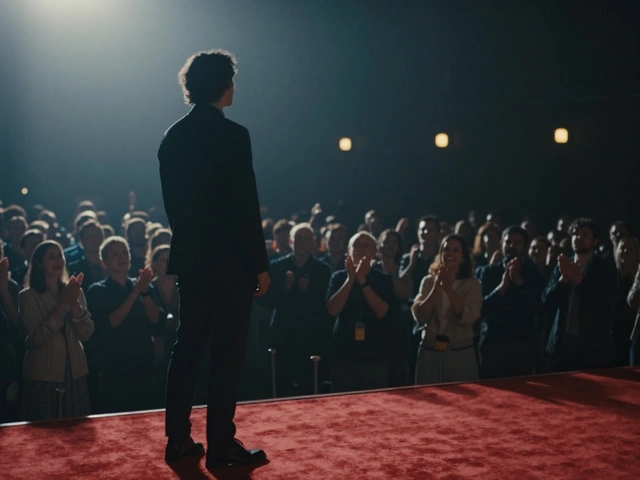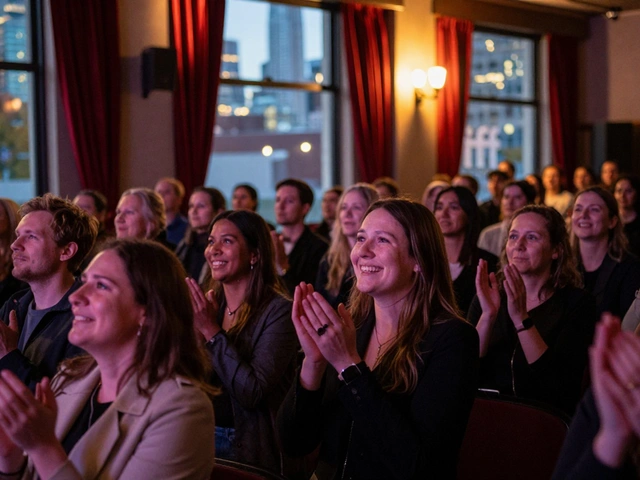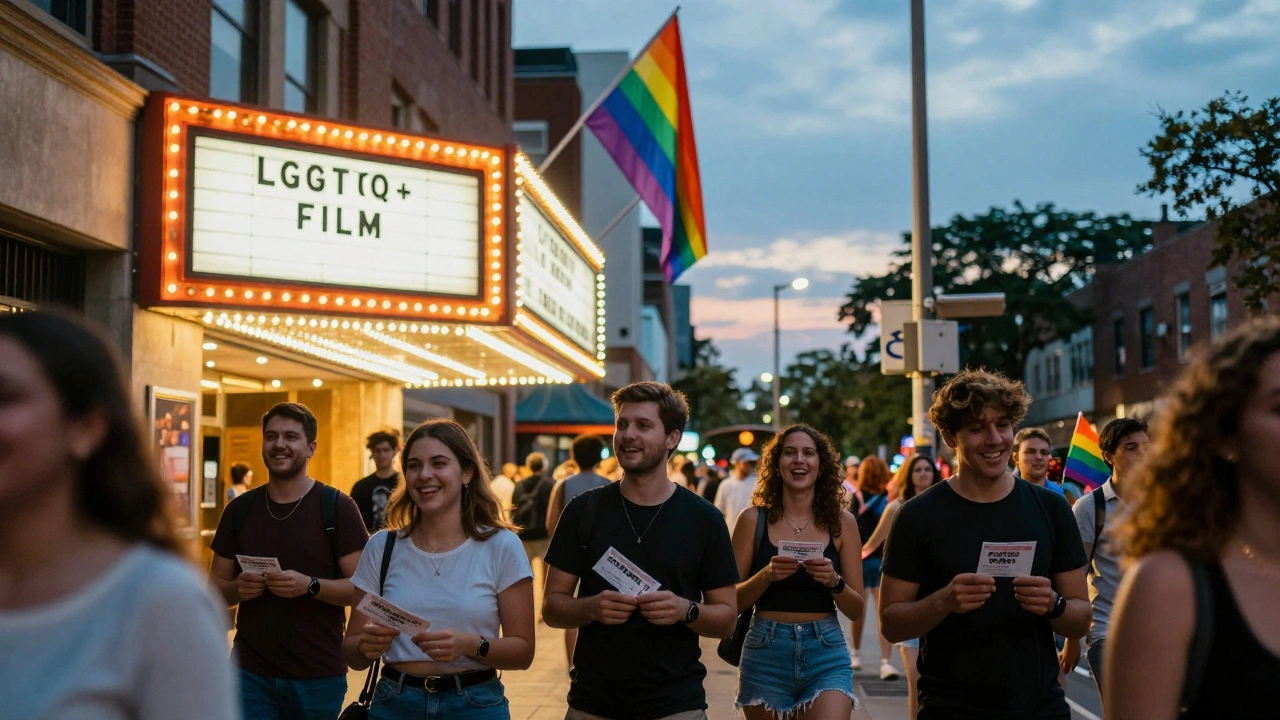
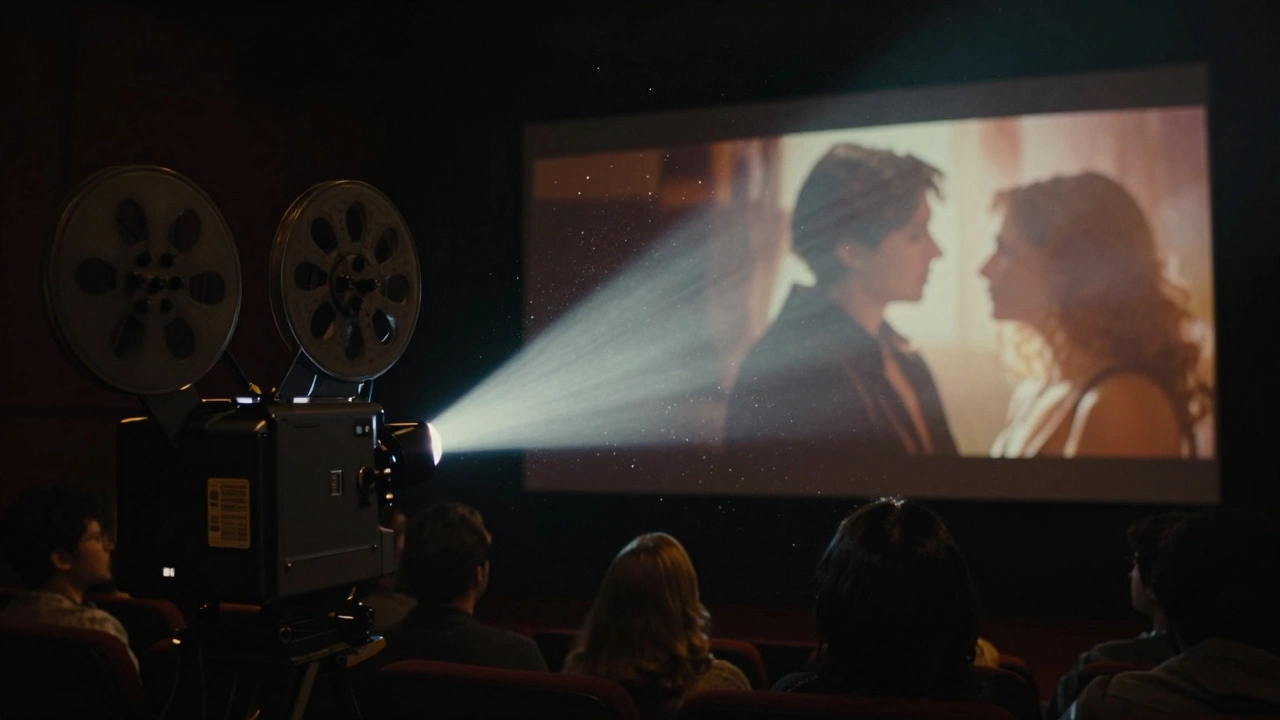
There is a specific electric feeling in the air when you walk into an LGBTQ+ film festival. It’s not just about watching movies; it’s about seeing your life reflected on the big screen without apology or filter. For decades, these festivals were underground gatherings, hidden away from mainstream scrutiny. Today, they are cultural powerhouses that shape global conversations about identity, love, and resistance.
If you are planning to attend one this year, or if you are a filmmaker looking to submit your work, you need more than just a list of dates. You need to understand the landscape. The LGBTQ+ film festival circuit is a global network of cinematic events dedicated to showcasing queer narratives, providing platforms for marginalized voices, and fostering community engagement through film. These events range from massive industry hubs to intimate local screenings, each offering a unique experience.
The Big Three: Global Industry Hubs
When people talk about the "big leagues" of queer cinema, three names always come up first. These aren’t just movie screenings; they are major industry events where deals are made, careers are launched, and awards carry significant weight.
Berlin International Film Festival (Berlinale), specifically its Berlinale Queer Film Festival strand, is often considered the most prestigious platform for LGBTQ+ cinema globally. Held every February in Berlin, Germany, it attracts top-tier directors and distributors. If your film plays here, it signals critical acclaim.
In the United States, the New York City Pride March culminates with the NewFest film festival. NewFest has been running since 1987, making it one of the oldest and most respected festivals in the country. It focuses heavily on independent films and often premieres works that will go on to win Sundance or Oscars.
Then there is Frameline Cinema in San Francisco. Part of the broader Frameline organization, this festival is crucial for West Coast filmmakers. It has a strong reputation for discovering raw, authentic storytelling that might get overlooked elsewhere.
| Festival | Location | Typical Timeframe | Primary Focus | Submission Difficulty |
|---|---|---|---|---|
| Berlinale (Queer Strand) | Berlin, Germany | February | International Art House & Mainstream | Very High |
| NewFest | New York City, USA | June (Pride Month) | Independent & Documentary | High |
| Frameline | San Francisco, USA | July | West Coast Indie & Emerging Voices | Medium-High |
| BFI Flare | London, UK | January | Diverse Queer Narratives | Medium |
| Outfest | Los Angeles, USA | June-July | Hollywood-Adjacent & Commercial | High |
Regional Powerhouses in Europe and Beyond
You don’t have to fly to Berlin or New York to find world-class queer cinema. Europe has a particularly rich tradition of LGBTQ+ film festivals, often supported by government arts funding.
BFI Flare in London kicks off the European season in January. Unlike some festivals that focus only on happy endings, BFI Flare embraces the full spectrum of queer experience, including gritty dramas and historical documentaries. It’s a great place to see British and Irish talent.
In Paris, Les Gayographies offers a sophisticated take on queer cinema. Located in the heart of France, it attracts a fashionable crowd and showcases high-production-value films alongside experimental shorts.
Further east, Telluride Film Festival isn’t exclusively LGBTQ+, but its programming often highlights inclusive narratives. However, for a dedicated experience, look at Pink Apple Film Festival in Istanbul. Despite political challenges, this festival remains a vital beacon for queer culture in Turkey, proving that art can persist even under pressure.
The Americas: Diversity and Community
North America offers a wide variety of festivals, each with its own flavor. While NewFest and Outfest dominate the headlines, regional festivals provide deeper community connections.
Toronto Inside Out Film + Video Festival is Canada’s largest LGBTQ+ film event. Known for its rigorous selection process, it emphasizes artistic merit and social impact. If you are based in Toronto, this is the event to attend.
In the South, Miami Queer Film Festival brings a vibrant, party-like atmosphere to queer cinema. It’s less about formal networking and more about celebration and visibility in a city known for its nightlife.
Latin America is seeing a surge in LGBTQ+ film events. FICValencia in Venezuela and São Paulo LGBT Pride Parade’s associated film events in Brazil highlight the region’s growing commitment to queer representation. These festivals often tackle issues of colonialism, race, and sexuality simultaneously, offering complex narratives rarely seen in Western productions.
Oceania and Asia: Breaking Barriers
Film festivals in Asia and Oceania often operate in challenging environments, making them even more important for local communities.
Sydney Gay and Lesbian Film Festival is Australia’s premier queer film event. With a history dating back to 1993, it has become a cornerstone of Australian cinema culture. It’s known for its diverse programming, including Indigenous queer stories.
In Japan, Tokyo Rainbow Pride includes a film component that showcases both Japanese and international queer cinema. As societal attitudes shift, these events are becoming larger and more public.
India’s Mumbai Queer Film Festival plays a crucial role in post-Section 377 India. With homosexuality decriminalized in 2018, these festivals are now able to operate more openly, allowing filmmakers to explore topics that were previously taboo.
How to Choose the Right Festival for You
Not all festivals are created equal. Your choice depends on whether you are a filmmaker submitting work, a cinephile looking for entertainment, or someone seeking community connection.
For Filmmakers: Look at the festival’s track record. Do they acquire distribution rights? Do they host market events? Berlinale and Outfest are better for commercial prospects, while smaller festivals like Queer Lisboa may offer more personal attention and jury prizes.
For Attendees: Consider the vibe. Do you want a red-carpet experience or a cozy indie theater setting? Also, check the programming. Some festivals focus heavily on documentaries, while others lean toward narrative features.
For Activists: Prioritize festivals that engage with local issues. Events in cities with active LGBTQ+ rights movements often include panels, workshops, and community outreach programs alongside the screenings.

Practical Tips for Attending
Attending an LGBTQ+ film festival requires some preparation. Here’s how to make the most of your experience:
- Buy Passes Early: Most festivals offer early-bird discounts. Single-ticket prices can add up quickly, so a full-access pass is usually worth it.
- Check Screening Times: Many festivals run concurrent screenings. You can’t be in two places at once, so plan your schedule carefully.
- Engage with Q&As: Post-screening discussions are where the real value lies. Directors and actors often share insights not found in interviews.
- Respect Content Warnings: Queer cinema can tackle heavy topics like trauma, violence, and discrimination. Read synopses and content warnings before attending screenings.
- Support Local Talent: Make time for short films and local premieres. These are often the most innovative and heartfelt entries.
The Future of Queer Cinema
The landscape of LGBTQ+ film festivals is evolving. Streaming platforms are changing how we consume content, but physical festivals remain essential for community building. In 2026, we are seeing a trend toward intersectionality, with festivals actively prioritizing stories from trans, non-binary, and racialized queer individuals.
Virtual components are also becoming standard. Many festivals now offer hybrid models, allowing global audiences to participate remotely. This expands reach but doesn’t replace the irreplaceable energy of shared laughter and tears in a darkened theater.
What is the most prestigious LGBTQ+ film festival?
The Berlin International Film Festival's Queer Film Festival strand is widely considered the most prestigious globally due to its international reach and influence on the industry. In the US, NewFest and Frameline hold similar status.
When do most LGBTQ+ film festivals take place?
Many major festivals align with Pride Month in June, such as NewFest and Outfest. However, others like Berlinale occur in February, and Frameline in July. Regional festivals vary throughout the year.
Can I submit my film to multiple LGBTQ+ festivals?
Yes, most festivals allow simultaneous submissions unless specified otherwise. However, some top-tier festivals require exclusive premiere status, meaning your film cannot have screened publicly elsewhere before their event.
Are LGBTQ+ film festivals only for LGBTQ+ people?
No, these festivals are open to everyone. They welcome allies, families, and anyone interested in diverse storytelling. The goal is inclusion and education, not exclusion.
How much does it cost to attend an LGBTQ+ film festival?
Prices vary widely. Single tickets typically range from $10 to $25, while full-access passes can cost between $100 and $300. Student and senior discounts are commonly available.