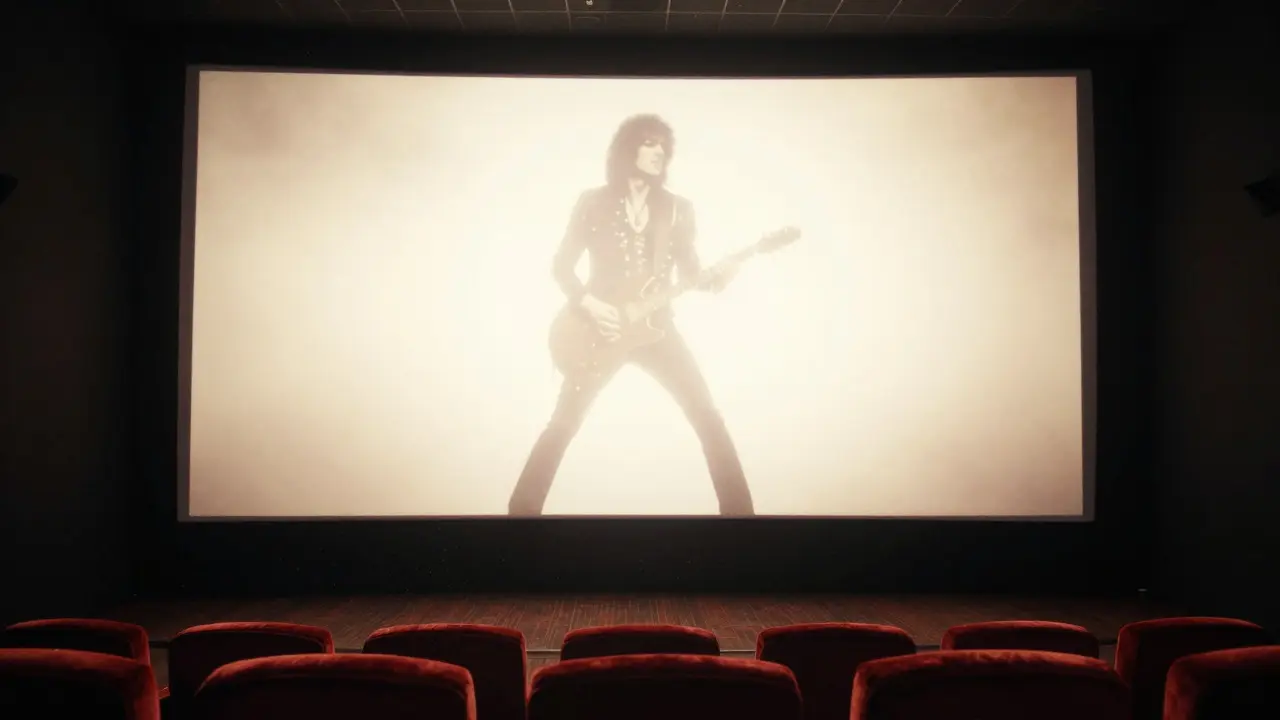
Walk into a theater for a new music biopic is a genre of film that dramatizes the life of a musician, often prioritizing emotional resonance over strict historical accuracy. You don't just watch the story; you feel the weight of decades of fan devotion, industry gossip, and cultural memory. The screen doesn't show a person-it shows an icon. This gap between the human being and the celebrity symbol is where the real magic, and the real distortion, happens. If you've ever left a movie like Bohemian Rhapsody or A Star Is Born feeling more connected to the artist than to reality, you’ve experienced the core mechanism of this genre: it trades truth for myth.
The Architecture of Celebrity Myth
Cinema has always been a machine for creating gods, but music biopics do it with unusual speed. Why? Because music is already intimate. We know these songs by heart. When we see Freddie Mercury perform "Don't Stop Me Now," we aren't seeing a character act out a scene; we are witnessing a memory we already own. The film simply borrows our nostalgia and wraps it in high-definition visuals. This creates a feedback loop: the myth reinforces the music's popularity, and the music's popularity validates the myth. It’s a self-sustaining ecosystem where facts become flexible.
Consider the case of Elvis Presley. In Baz Luhrmann’s Elvis, the King isn't just a singer; he's a vessel for American history, racial tension, and commercial ambition. The film uses Tom Hanks as Colonel Tom Parker not just as a manager, but as the embodiment of capitalist control. This narrative choice simplifies complex relationships into archetypes: the pure artist vs. the corrupt businessman. By stripping away nuance, the film makes the story digestible. It turns a messy biography into a clear moral fable. This is the essence of mythmaking: reducing complexity to clarity so the audience can feel something immediate and powerful.
Memory as a Narrative Tool
If myth is the skeleton, memory is the flesh. Music biopics rarely aim for documentary precision. Instead, they rely on collective memory-the shared understanding of what an artist *felt* like, rather than what they actually did. Take La La Land. While technically a romance, its structure mirrors the biopic arc: a dreamer rises, faces compromise, and looks back with bittersweet regret. The film doesn't tell us about Mia or Sebastian's lives; it tells us how we remember our own lost dreams. The specific details of their careers matter less than the emotional texture of ambition and failure.
This reliance on memory allows filmmakers to take liberties. In Walk the Line, Johnny Cash's redemption arc is streamlined. His struggles with addiction and law enforcement are presented as a linear path toward salvation. Historians might point out the messier, non-linear reality of his life, but the film serves a different purpose: it offers closure. Audiences crave resolution. A chaotic, unresolved life is difficult to package into a two-hour runtime. So, the editor cuts the dead ends. They keep the moments that align with the public's idealized version of the hero. The result is a portrait that feels true because it matches our internal narrative, even if it diverges from the external record.
Visualizing Sound: The Cinematic Challenge
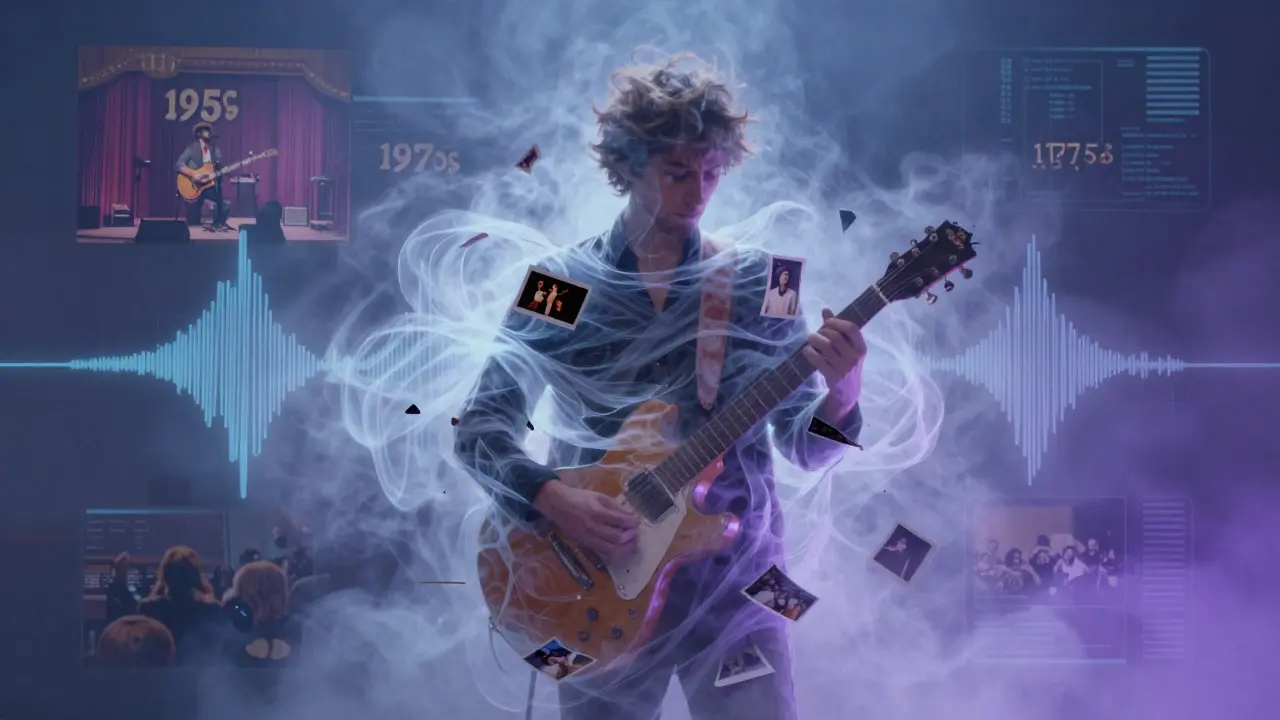
How do you film a song? This is the central technical and artistic challenge of the genre. Music is ephemeral; it exists only in time. Cinema is visual and spatial. Bridging this gap requires innovative direction. Directors often use performance sequences as the climax of the film, treating them like action set pieces. In Bohemian Rhapsody, the final concert isn't just a gig; it's a spectacle of light, camera angles, and crowd reaction designed to overwhelm the senses. The editing rhythm matches the tempo of the track. The camera moves when the bass drops. The visuals become a physical manifestation of the audio experience.
However, this technique can flatten the artist's personality. If the best parts of the film are the performances, the character development in between becomes secondary. The viewer is left with a collection of highlights rather than a cohesive psychological study. This is a trade-off inherent in the genre. To sell the ticket, you need the hits. To tell the story, you need the context. Balancing these two elements is where directors succeed or fail. The most effective films, like Ray, manage to weave the personal drama into the musical numbers, making the songs feel earned rather than inserted.
| Film | Primary Narrative Focus | Historical Accuracy | Mythological Element |
|---|---|---|---|
| Bohemian Rhapsody | Rise and Fall of a Band | Low (Compressed Timeline) | The Immortal Frontman |
| Elvis | Artist vs. Industry | Moderate (Character-Driven) | The American Icon |
| Walk the Line | Personal Redemption | Moderate (Simplified Arc) | The Outlaw Saint |
| A Star Is Born | Tragic Romance | N/A (Fictionalized) | The Muse and the Musee |
The Ethics of Editing Reality
When we change facts, who owns the truth? This question sits at the heart of every music biopic controversy. Fans often react strongly to inaccuracies, viewing them as betrayals. But from a narrative standpoint, these changes are usually functional. If a musician had a complicated relationship with their parents, the film might simplify it to a single conflict to drive the plot. This isn't necessarily dishonesty; it's adaptation. Literature does the same thing. Shakespeare changed dates and names constantly. The goal was dramatic impact, not archival precision.
Yet, there is a line. When a biopic erases a marginalized figure or ignores a controversial event, it shapes public memory in ways that last for generations. For example, early films about rock stars often ignored the contributions of female band members or session musicians. This omission reinforced gender biases in the industry. As audiences become more media-literate, they demand greater accountability. The modern viewer checks Wikipedia while watching the credits. This pressure forces filmmakers to be more careful, or at least more transparent about their creative choices. The era of unchecked hagiography is ending, replaced by a more critical engagement with source material.

Why We Keep Watching
Despite the distortions, we keep buying tickets. Why? Because we want to believe in the power of art. Music biopics promise that one person can change the world through creativity. In a fragmented, digital age, this idea feels increasingly rare. These films offer a tangible connection to a time when cultural figures were singular, dominant voices. They remind us that art can be dangerous, beautiful, and transformative. Even if the details are wrong, the emotion is real. And in cinema, emotion is often more valuable than fact. We don't watch these movies to learn history; we watch them to feel alive again, to hear the music, and to believe that the legend is still breathing.
Frequently Asked Questions
Are music biopics historically accurate?
Rarely. Most music biopics prioritize narrative cohesion and emotional impact over strict factual accuracy. Timelines are compressed, minor characters are merged, and conflicts are simplified to fit standard dramatic structures. While major events are usually depicted, the nuances of daily life and complex relationships are often altered for storytelling purposes.
What is the main difference between a documentary and a biopic?
A documentary aims to present observed reality using non-fiction techniques, interviews, and archival footage. A biopic is a work of fiction that dramatizes a real person's life using actors, scripted dialogue, and invented scenes. While documentaries seek to inform, biopics seek to interpret and evoke emotion.
Why do fans react negatively to inaccuracies in biopics?
Fans often view their favorite artists as part of their personal identity. An inaccuracy feels like a personal slight or a betrayal of trust. Additionally, long-standing myths about an artist have become part of the public consciousness, so changing those narratives can feel disorienting or disrespectful to the legacy.
How do directors visualize music in film?
Directors use dynamic camera movements, lighting effects, and editing rhythms that sync with the tempo and mood of the song. Performance scenes are often shot with multiple cameras to capture energy and scale. Visual metaphors, such as rain for sadness or fire for passion, are also employed to translate auditory emotions into visual imagery.
Do music biopics influence an artist's posthumous reputation?
Yes, significantly. For many younger generations, the film becomes the primary reference point for the artist's life. If a biopic emphasizes a certain trait, such as genius or tragedy, that interpretation often overrides conflicting historical records. The film effectively rewrites the public memory, shaping how future generations understand the artist.






Comments(7)