For years, the movie industry operated on a rigid rule: big films go to theaters first, then wait three months before hitting your living room screen. That era is over. In 2026, Disney+ is a subscription-based video-on-demand service that competes with Netflix and Hulu for consumer attention. It no longer just offers leftovers; it dictates when and how major blockbusters reach audiences. The central question for Disney executives today isn't just "will this make money at the box office?" but "does this film need a theatrical run to build cultural momentum, or can it thrive purely as a streaming original?"
This balancing act defines the current landscape of Hollywood. With global box office revenues still recovering to pre-pandemic highs, Disney has adopted a hybrid approach that varies by title. Some movies get a full 90-day exclusive window, while others jump to Disney+ after just 45 days, or even simultaneously. This flexibility allows the company to maximize both immediate ticket sales and long-term subscriber retention.
The Economics of the Hybrid Model
To understand why Disney shifts its strategy, you have to look at the numbers. A theatrical release generates high-margin revenue from ticket sales, but it also incurs massive marketing costs and physical print/distribution fees. Conversely, a streaming release has lower upfront costs but relies on increasing subscriber counts or reducing churn (people canceling their subscriptions).
In 2026, the average cost to produce a major Disney franchise film exceeds $150 million. If a film earns less than $300 million globally in theaters, it often operates at a break-even point or slight loss once marketing is factored in. However, if that same film drives 500,000 new subscribers to Disney+, each paying $13.99 per month, the long-term value can outweigh the initial box office dip. This calculation changes every time a new IP (Intellectual Property) launches.
| Strategy Component | Traditional Theatrical (90-Day Window) | Accelerated Streaming (45-Day Window) | Simultaneous Release |
|---|---|---|---|
| Primary Revenue Source | Ticket Sales & Licensing | Subscriber Growth & Retention | Marketing Efficiency & Data |
| Upfront Cost Risk | High (Physical prints, wide marketing) | Medium (Reduced print run, targeted ads) | Low (Digital only, focused social media) |
| Audience Reach | Limited to theater-goers initially | Broad household access after 45 days | Immediate global access |
| Best For | Franchise openers, awards contenders | Mid-budget sequels, animated features | Niche dramas, limited-release titles |
How Franchise Value Dictates Timing
Not all Disney films are created equal in terms of release timing. The most valuable assets-like the Marvel Cinematic Universe (MCU) or Star Wars saga-still prioritize theatrical exclusivity. Why? Because these films rely on event status. Fans want to watch them on the biggest possible screen with other fans. A simultaneous release would dilute that communal experience and reduce the perceived prestige of the brand.
However, for standalone animated films or live-action adaptations that don't carry the weight of a multi-year narrative arc, the calculus changes. Take a hypothetical mid-budget animated film released in mid-2026. If it targets families who may not travel far for cinema, pushing it to Disney+ after 45 days makes sense. Parents can rent or buy the digital version immediately, or simply stream it if they already subscribe. This shortens the feedback loop between release and audience reception, allowing Disney to adjust marketing for future projects based on real-time data rather than waiting six months for home-video sales reports.
The Role of Subscriber Churn and Retention
One of the biggest challenges for any streaming platform is churn-the rate at which subscribers cancel. Disney+ faces stiff competition from Netflix, Max, and Apple TV+. To keep subscribers happy, the platform needs a steady stream of fresh, high-quality content. This is where the "streaming original" concept comes into play, but it's not just about exclusive shows anymore. It's about exclusive *timing*.
By controlling the window, Disney creates urgency. If a popular film hits Disney+ two weeks earlier than competitors' comparable titles, it becomes a talking point. "Get Disney+ now to watch [Film X] before anyone else does." This tactic works particularly well during holiday seasons or summer breaks when viewership peaks. In 2026, data suggests that films released within 45 days of their theatrical debut generate 15% higher engagement rates in the first week of streaming availability compared to those waiting 90 days. This early buzz helps retain subscribers who might otherwise cancel after watching one or two titles.
International Markets and Localization
You can't discuss Disney's strategy without mentioning international markets. In regions like India, Japan, and parts of Europe, theatrical habits differ significantly from the United States. In some Asian markets, audiences prefer shorter theatrical windows because home internet speeds are high and smart TV penetration is widespread. Disney has responded by implementing region-specific release schedules. A film might have a 90-day window in North America but only a 30-day window in Southeast Asia.
This localized approach maximizes total revenue. Instead of forcing a one-size-fits-all global schedule, Disney tailors the rollout to match local consumption patterns. For example, in South Korea, where mobile streaming is dominant, a simultaneous release might be more effective than a delayed one. By leveraging this flexibility, Disney ensures that its intellectual property remains relevant across different economic and technological landscapes.
Risks of Over-Reliance on Streaming
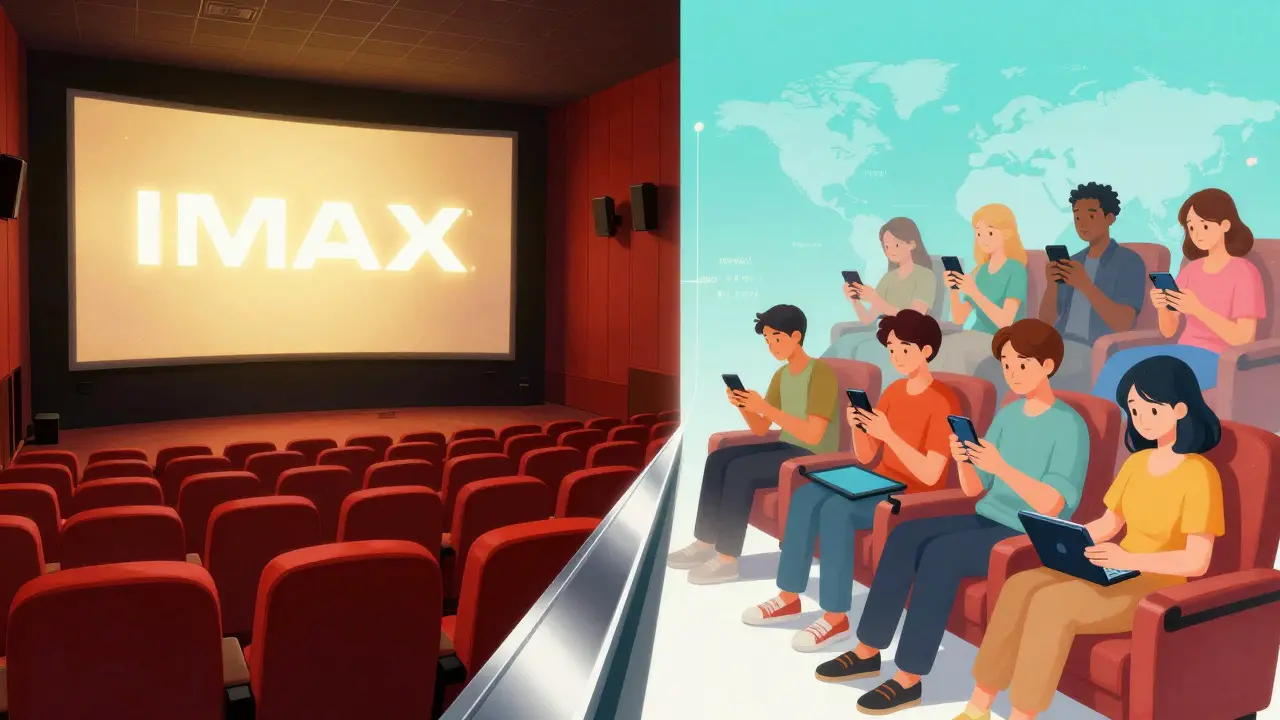
While the hybrid model seems efficient, it carries risks. If too many major films skip long theatrical runs, the culture of going to the movies could erode further. Theaters need blockbusters to justify their operating costs. If Disney starts treating theaters as optional rather than essential, it could weaken the entire exhibition ecosystem. Additionally, there is the risk of devaluing the cinematic experience. When everything is available on a phone or laptop, the specialness of a darkened theater diminishes.
There is also the issue of piracy. Historically, shorter windows led to higher piracy rates because impatient viewers downloaded illegal copies. While streaming platforms have improved anti-piracy measures, the temptation remains. If a highly anticipated film is locked behind a paywall for three months, some fans will seek out leaks. Balancing the desire for control with the reality of consumer behavior is a constant tightrope walk for Disney's distribution team.
What This Means for Filmmakers and Audiences
For filmmakers, this shift means that the "box office bomb" stigma is fading. A film that underperforms in theaters but thrives on Disney+ is still considered a success if it retains subscribers. This changes how directors and producers pitch ideas. They are increasingly designing stories with broad appeal for streaming audiences, knowing that the final destination for millions of viewers will be their living rooms, not IMAX screens.
For audiences, the benefit is convenience and choice. You no longer have to decide whether to spend $25 on tickets and popcorn or wait three months. You can support the film in theaters if you want the experience, or wait for the cheaper, more convenient streaming option. This democratization of access has made film consumption more flexible, though it has also blurred the lines between what constitutes a "movie" and what constitutes "TV content." As we move deeper into 2026, expect this boundary to continue dissolving, with more films designed specifically for dual-release strategies from day one.
Frequently Asked Questions
Why does Disney change release windows for different movies?
Disney adjusts release windows based on the film's budget, franchise importance, and target audience. High-budget franchise openers typically get longer theatrical exclusivity to maximize ticket sales and build hype, while mid-budget or standalone films may use shorter windows to boost subscriber growth and reduce marketing costs.
Is a 45-day theatrical window better for Disney+ subscribers?
For subscribers, a 45-day window is generally better because it provides fresher content sooner. Newer releases tend to drive higher engagement and reduce the likelihood of cancellation. Waiting 90 days can feel outdated, especially if the film has already become a topic of online discussion or criticism.
Do simultaneous releases hurt box office performance?
Yes, simultaneous releases usually result in lower opening weekend box office numbers because many potential ticket buyers choose the convenience of streaming. However, for smaller or niche films, the total global revenue from streaming subscriptions can sometimes exceed what would have been earned in a limited theatrical run.
How does Disney handle international release dates differently?
Disney uses region-specific scheduling. In markets with high internet penetration and strong streaming habits, like South Korea or Japan, windows may be shorter. In markets where theatrical viewing is a stronger cultural norm, windows may remain longer. This allows Disney to optimize revenue in each specific geography.
Will Disney ever stop releasing films in theaters entirely?
It is unlikely in the near future. Theatrical releases still provide critical marketing exposure, award eligibility, and cultural validation. Even if a film ends up on Disney+ quickly, the initial theatrical push helps establish its reputation. Complete abandonment of theaters would devalue the brand's prestige and limit its ability to compete for major awards.