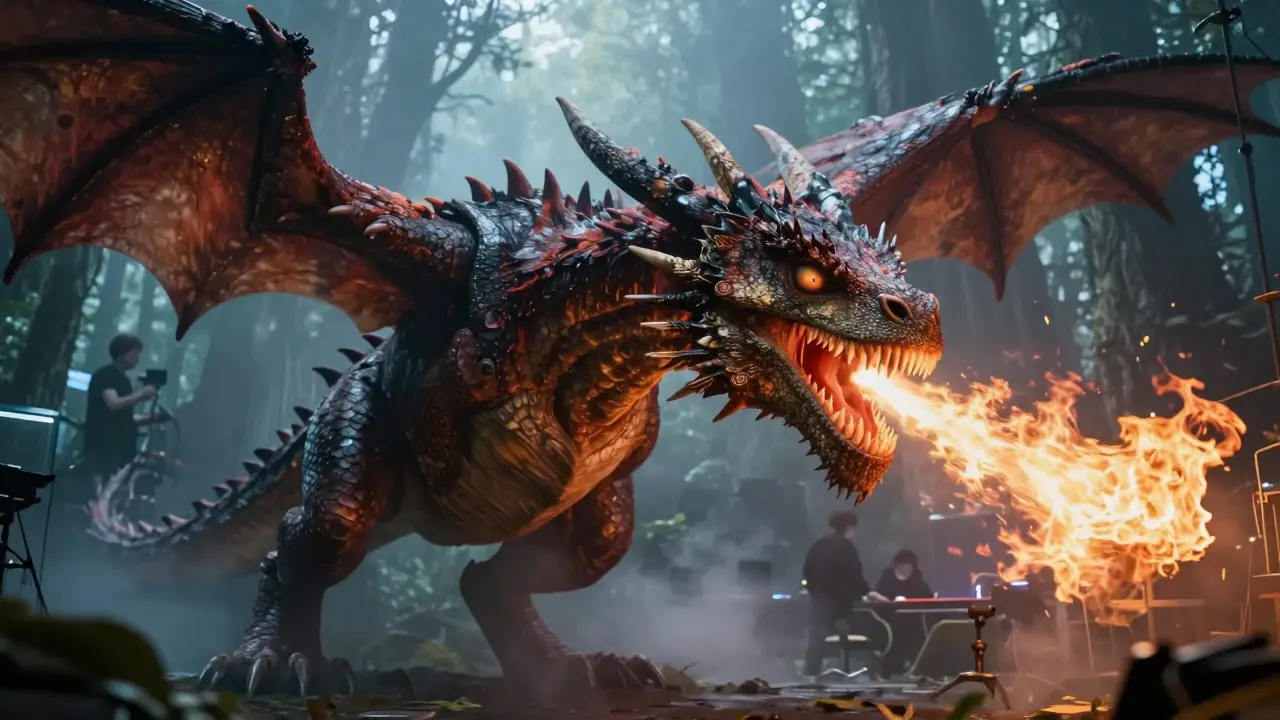
Ever watched a blockbuster and wondered why the dragon looks so real? You might assume it’s all magic, but behind that seamless illusion is a complex web of labor, software licenses, and hardware. Understanding the VFX budget isn’t just for studio executives; it helps anyone appreciate why some films take years to finish while others wrap quickly. The cost of visual effects varies wildly, ranging from a few thousand dollars for a simple background extension to tens of millions for a full-scale creature feature. This guide breaks down exactly where the money goes, what drives prices up or down, and how you can estimate these costs if you’re planning your own project.
The Core Components of VFX Pricing
Visual effects aren't a single line item on a spreadsheet. They are a composite of several distinct services, each with its own pricing structure. When a studio requests a quote, they are usually asking for a combination of compositing, animation, modeling, and lighting. Each of these tasks requires different skill sets and time commitments. For instance, compositing involves layering live-action footage with digital elements, which requires an eye for detail but less computational power than rendering a 3D character. Animation, on the other hand, demands keyframing every movement, which is labor-intensive and time-consuming. If you want to understand the total cost, you have to look at these components individually rather than treating them as a lump sum.
| Role | Junior ($/day) | Senior ($/day) | Lead/Supervisor ($/day) |
|---|---|---|---|
| Compositor | $150 - $250 | $300 - $450 | $500 - $700 |
| 3D Animator | $180 - $280 | $350 - $500 | $600 - $800 |
| Modeler | $150 - $220 | $280 - $400 | $450 - $650 |
| Lighting Artist | $160 - $250 | $300 - $450 | $500 - $750 |
These rates fluctuate based on location and union status. A team working in Los Angeles or London will charge significantly more than a team in Eastern Europe or Asia, though quality standards remain high globally. Union shops often have minimum wage requirements that push daily rates higher, adding a predictable but substantial floor to any budget calculation.
Factors That Skyrocket Your Bill
Why does one shot cost $10,000 while another costs $100,000? The answer lies in complexity and iteration. Simple background extensions or sky replacements are straightforward tasks that can be completed in days. However, when you introduce photorealistic characters, physics simulations like water or fire, or intricate crowd scenes, the complexity multiplies. Physics simulations require massive computing power to calculate how millions of particles interact. This means not only do you pay for the artist's time, but you also pay for render farm usage, which can run thousands of dollars per day during peak processing times.
Another major cost driver is the number of revisions. In filmmaking, nothing is ever "final" until the director signs off. If a scene needs to be re-shot because the lighting changed, the VFX team has to redo their work. These iterations eat into the budget rapidly. A good rule of thumb is to add 20% to 30% to your initial estimate to account for creative changes and technical fixes. This buffer prevents the project from going over budget when the inevitable tweaks happen during post-production.

Software and Hardware Costs
Labor is the biggest expense, but tools matter too. Industry-standard software like Autodesk Maya, Houdini, and Nuke come with significant licensing fees. For large studios, these are often enterprise deals, but for smaller indie projects, per-seat licenses can add up quickly. Houdini, for example, is renowned for its procedural workflow, which allows artists to create complex simulations without manually keyframing every particle. This efficiency can save time, but the learning curve is steep, meaning you need highly skilled artists who command higher salaries.
Hardware is another hidden cost. High-end workstations equipped with powerful GPUs and fast storage are essential for handling 4K and 8K footage. If you don't have in-house infrastructure, you might rely on cloud-based rendering services. Cloud rendering offers flexibility, allowing you to scale up compute power only when needed, but it introduces variable costs that can be hard to predict if your render times exceed estimates.
Budgeting for Indie vs. Blockbuster Projects
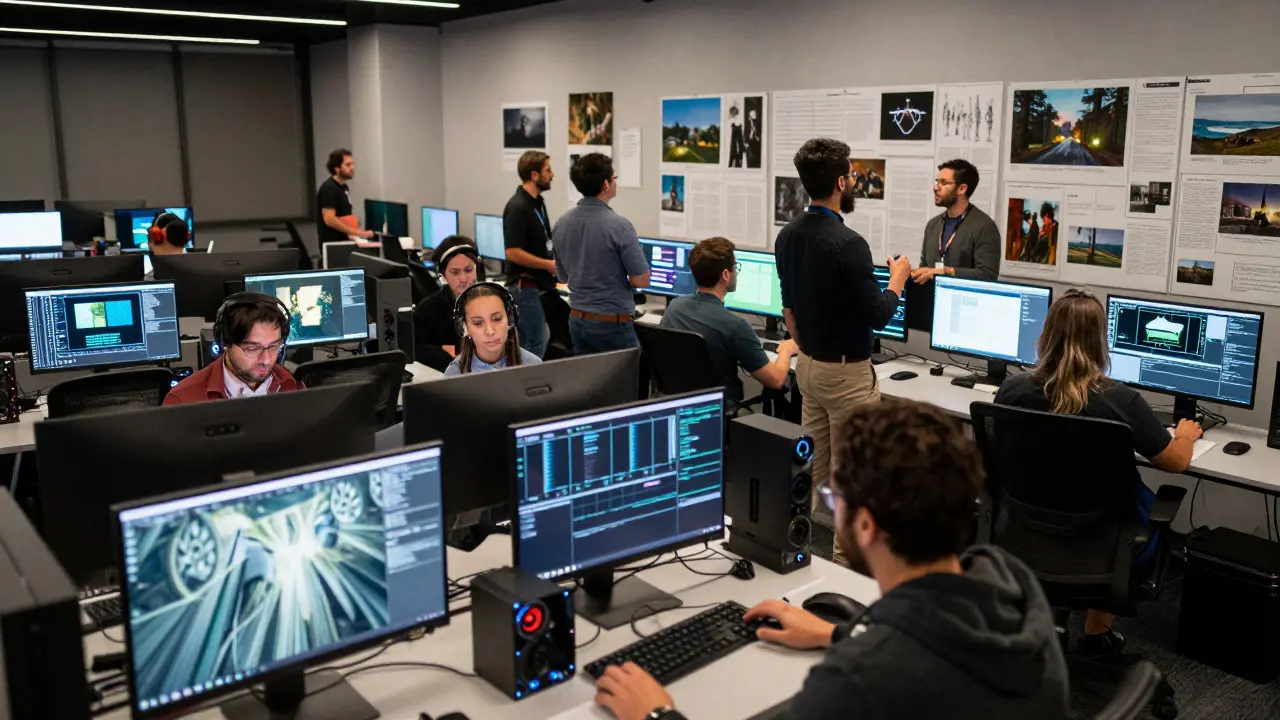
Your approach to budgeting depends heavily on the scale of your production. An independent short film might spend $5,000 to $15,000 on VFX, focusing on a few key shots that elevate the story without breaking the bank. In contrast, a major studio blockbuster allocates $50 million to $100 million or more for visual effects. The difference isn't just in quantity; it's in scope. Blockbusters require hundreds of artists working simultaneously across multiple departments, managing thousands of shots. Indies, however, benefit from agility. Smaller teams can make decisions faster, reducing the overhead associated with large-scale coordination.
If you're working on a mid-budget feature, aim for a VFX budget between 10% and 20% of your total production cost. This range allows for meaningful enhancements without dominating the financial picture. Always prioritize shots that serve the narrative. Don't waste money on invisible details that the audience won't notice. Focus your resources on hero shots-those moments that define the film's visual identity.
Common Pitfalls to Avoid
One of the most common mistakes in VFX budgeting is underestimating the time required for cleanup. Artists often focus on creating the effect, forgetting that integrating it seamlessly into live-action footage takes just as much time. Edge blending, color matching, and grain matching are tedious but critical steps. Skipping these leads to visible seams that distract viewers. Another pitfall is ignoring the pre-production phase. Detailed concept art and storyboards reduce guesswork later. If the director doesn't know exactly what they want, the VFX team will burn hours exploring options that ultimately get discarded. Clear communication upfront saves money downstream.
Finally, don't forget about archiving and delivery. Once the VFX are done, you need to store the final files, source assets, and project files securely. Data storage costs rise as file sizes grow. Plan for long-term retention, especially if you plan to release the film in multiple formats or territories. Neglecting this step can lead to lost assets or expensive recovery efforts later.
How to Estimate Your Own VFX Costs
To get a realistic estimate, start by listing every shot that requires visual effects. Categorize them by complexity: low (simple removals), medium (background extensions), and high (full CG characters). Assign an estimated number of days for each category based on industry averages. Then, multiply by the appropriate daily rate for your chosen vendor or team. Add 20% for revisions and 10% for contingency. This formula gives you a baseline that accounts for the unpredictable nature of creative work. Keep in mind that these numbers are starting points. As your project evolves, revisit your estimates regularly to stay aligned with reality.
Understanding the economics of visual effects empowers you to make better creative decisions. Whether you're a filmmaker, producer, or enthusiast, knowing where the money goes helps you ask the right questions and avoid costly surprises. The goal isn't just to spend less; it's to spend wisely, ensuring every dollar contributes to the final impact of your story.
What is the average cost per second for VFX?
There is no fixed rate per second because complexity varies so much. A simple screen replacement might cost $500 per second, while a photorealistic character interaction could cost $5,000 or more per second. Always quote based on shot complexity, not duration alone.
Is it cheaper to do VFX in-house or outsource?
For small projects, outsourcing is often cheaper due to lower overhead. For large, ongoing productions, in-house teams can be more cost-effective in the long run because they develop specialized knowledge of your project's style and requirements, reducing communication friction.
How long does it take to complete VFX for a feature film?
Typically, VFX work begins after principal photography wraps and continues through editing and sound mixing. For a standard feature, this process takes 6 to 12 months. Complex blockbusters may take 18 months or longer due to the sheer volume of shots and iterative feedback loops.
Do VFX costs include sound design?
No, VFX costs typically cover only visual elements. Sound design, including foley, dialogue editing, and mix, is a separate budget line. However, visual and audio teams often collaborate closely, so delays in VFX can impact the sound schedule and vice versa.
What is the difference between CGI and VFX?
CGI stands for Computer-Generated Imagery, which refers specifically to 3D or 2D graphics created digitally. VFX, or Visual Effects, is the broader umbrella term that includes CGI but also covers compositing, motion capture, green screen work, and practical effects integration. All CGI is VFX, but not all VFX is CGI.