Here is a quick look at what these categories actually reward:
- Visual Cohesion: How colors and textures work together to create a believable world.
- Character Arc through Clothing: How a character's outfit changes as they evolve or fall apart.
- World Building: The creation of environments that feel lived-in and authentic, whether they are in 18th-century France or a colony on Mars.
- Historical Accuracy vs. Stylization: The balance between factual research and artistic choice.
The Art of the Wardrobe: More Than Just Fashion
In the world of cinema, Costume Design is the art of creating the clothing and accessories worn by actors to define their characters and the film's era. When the Academy Awards (the Oscars) look at this category, they aren't looking for the trendiest outfit on a red carpet. They are looking for narrative purpose. For example, in a film like "The Favourite," the costumes aren't just historically accurate; they use specific fabrics and silhouettes to signal power dynamics and the stifling nature of court life.
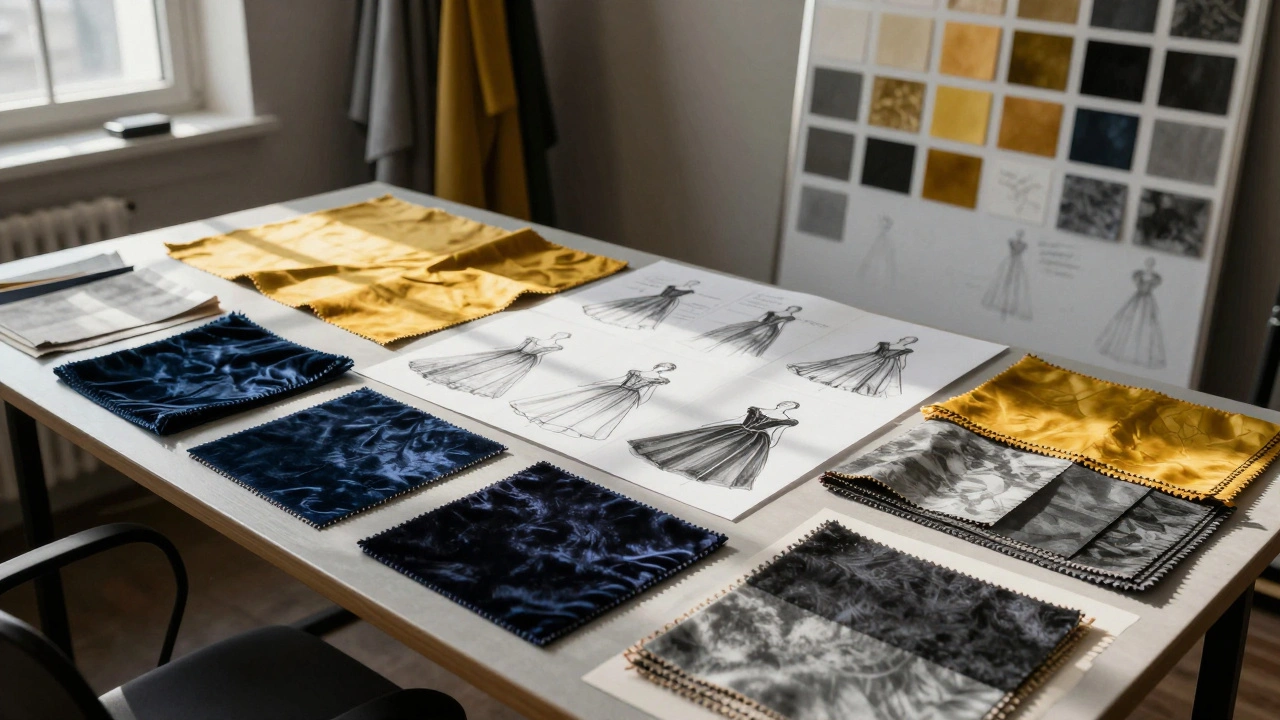
A great costume designer doesn't just buy clothes from a store. They often oversee a full production pipeline: sketching, fabric sourcing, draping, and fitting. Think about how a character's clothes might slowly fray or get dirtier as the movie progresses. That "distressing" process is a specific skill. If a character is losing their grip on reality, their clothes might become oversized or mismatched. This is where style becomes a psychological tool. If the clothes don't match the character's internal state, the audience feels a subconscious disconnect, which the director often uses to create tension.
Building a World from Scratch: Production Design
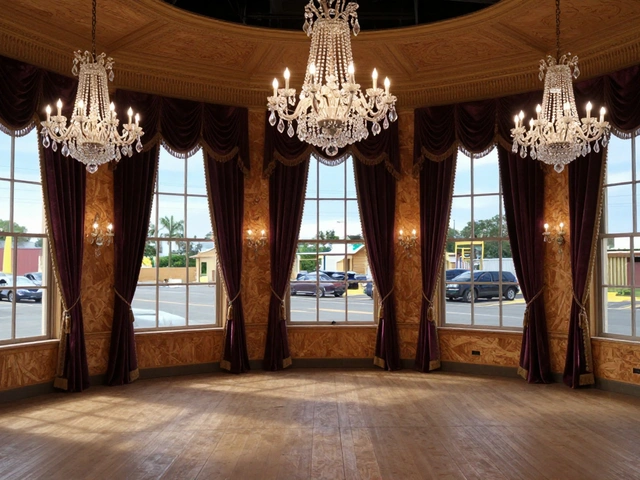
While costumes cover the actors, Production Design is the process of controlling the visual elements of a movie, including sets, locations, and props. The production designer is essentially the architect of the film's atmosphere. They decide if a room feels claustrophobic with low ceilings and heavy curtains or airy and optimistic with floor-to-ceiling windows and a pastel palette.
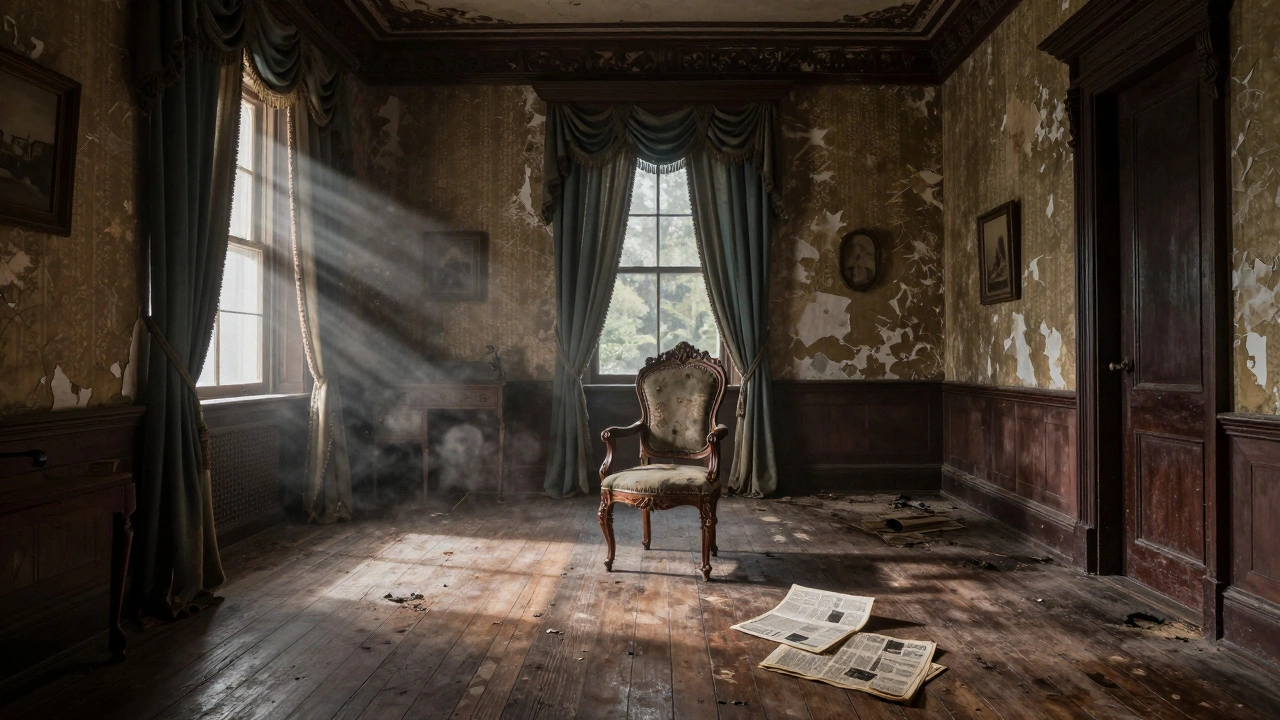
One of the hardest jobs in this field is creating "lived-in" spaces. A brand new set looks like a museum, not a home. Production designers use techniques called "aging" or "patina" to make walls look stained by decades of cigarette smoke or floors look worn down by thousands of footsteps. When you see a movie like "Blade Runner 2049," the production design doesn't just provide a backdrop; it tells you that the world is decaying, industrial, and lonely. The scale of the architecture makes the human characters look insignificant, which reinforces the theme of alienation.
| Feature | Costume Design | Production Design |
|---|---|---|
| Primary Focus | The Human Body & Identity | The Environment & Space |
| Key Tools | Textiles, Sewing, Dyes | Architecture, Set Construction, Lighting |
| Narrative Goal | Character Arc & Status | Mood, Setting & Atmosphere |
| Example Element | A blood-stained white dress | A decaying Victorian mansion |
The Synergy Between Style and Story
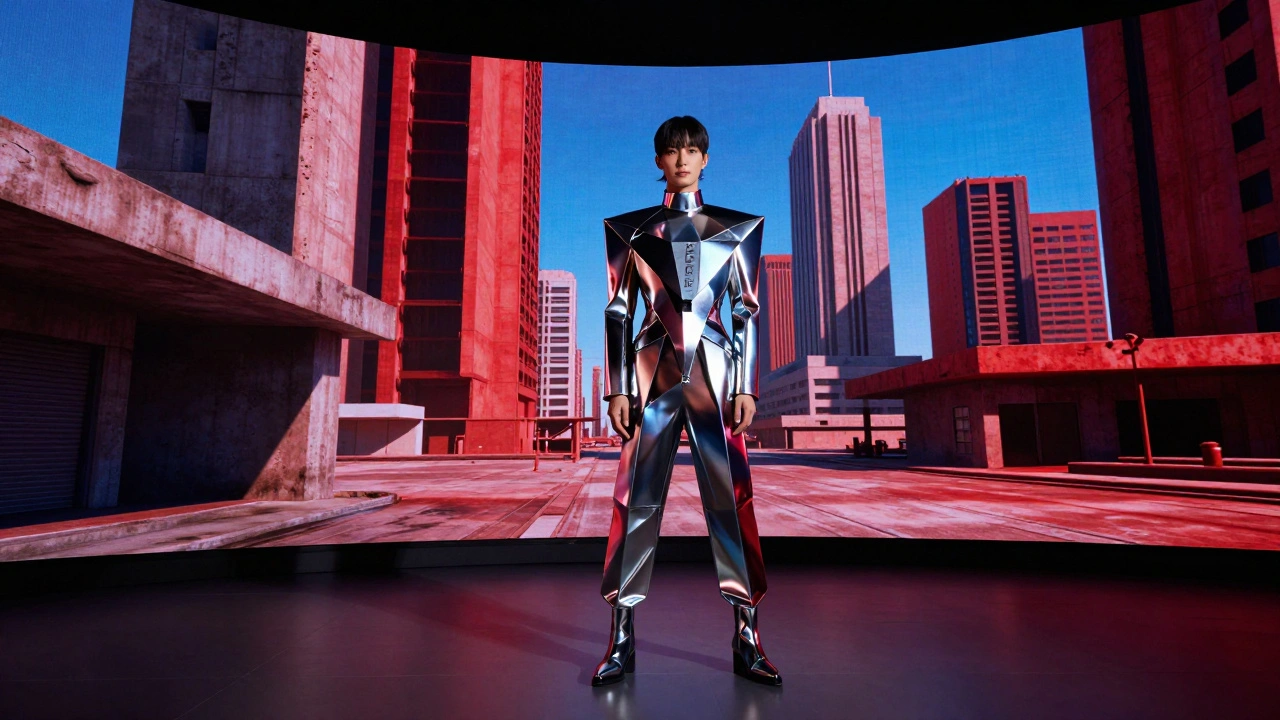
The most awarded films are usually those where costume and production design work in perfect harmony. This is often referred to as the "visual language" of the film. If the production designer chooses a stark, brutalist concrete environment, the costume designer might counter that with soft, organic fabrics to highlight the vulnerability of the human character. Or, they might double down with sharp, angular clothing to make the character blend into the coldness of the architecture.
Consider the use of color palettes. In many award-winning films, a specific color is assigned to a character or a mood. Maybe the protagonist always wears blue while the antagonist is surrounded by red. As the movie progresses, these colors might bleed into each other. When a character moves from a blue-toned room into a red-toned one, it signifies a shift in power or a transition into a more dangerous phase of the story. This isn't an accident; it's a calculated decision made during the pre-production phase, long before the cameras even start rolling.
Common Pitfalls in Style-Driven Cinema
Not every visually stunning movie wins an award. A common mistake is "over-designing." This happens when the style becomes so loud that it distracts from the story. If you're so mesmerized by the intricate beadwork on a dress that you forget why the character is crying, the design has failed. The best production design is often the kind you don't consciously notice until you think about it. It supports the story without stealing the spotlight.
Another issue is the "theme park effect." This occurs when a set feels like a movie set rather than a real place. It lacks the grime, the asymmetry, and the random clutter of real life. Award-winning designers avoid this by adding "micro-details"-a stack of old newspapers in a corner, a chipped paint peel on a doorframe, or a mismatched chair. These small touches ground the fantasy in reality, making the audience believe the world exists even when the camera isn't filming.
The Evolution of Design Technology
The way these awards are decided has also changed with the rise of Virtual Production. Tools like Unreal Engine allow production designers to build digital environments in real-time. Instead of a green screen where the actor is guessing where the wall is, they are surrounded by high-resolution LED screens showing the actual designed environment. This changes the game because the lighting from the digital set actually reflects on the physical costumes.
However, the core principle remains the same: psychology. Whether a dress is hand-sewn in a studio or a city is rendered in a computer, it must serve the script. The BAFTA Awards and the Oscars continue to value the human touch-the ability to evoke an emotion through a choice of fabric or the placement of a lamp in a room. The technology is just a new brush; the vision is still the artist's.
Do costume designers always follow historical facts?
Not necessarily. While many strive for accuracy, the goal is often "historical resonance" rather than a museum replica. Designers might tweak a silhouette or change a color to better reflect the character's personality or to fit the visual style the director wants for the film.
What is the difference between a set decorator and a production designer?
The production designer is the big-picture visionary who decides the overall look and feel. The set decorator is the one who executes that vision by finding the specific furniture, curtains, and small props that fill the space and make it feel real.
Can a movie win for production design if it's mostly CGI?
Yes, but it's more complex. The award recognizes the design concept. If the digital environments were meticulously planned, architecturally sound, and served the story, they can win. However, the industry still places a high value on physical craftsmanship and tangible sets.
Why is costume design considered a narrative tool?
Because clothing is a form of non-verbal communication. It tells us about a character's social status, their mental state, their cultural background, and how they want the world to perceive them. Changes in costume often mirror changes in the plot.
Which awards are the most prestigious for these categories?
The Academy Awards (Oscars) and the BAFTA Awards are generally considered the gold standards. Winning these indicates that the work was not only visually impressive but also contributed significantly to the cinematic quality of the film.
Next Steps for Film Enthusiasts
If you want to start noticing these details, try watching your favorite movie on mute for ten minutes. Focus only on the colors, the textures of the walls, and the way the characters' clothes fit. You'll start to see the story unfolding visually. Once you notice the patterns, look up the production designer or costume designer in the credits and see what other films they've worked on. You'll likely find a recurring "visual signature" that they bring to every project, whether it's a love for symmetry or a penchant for gritty, industrial landscapes.



Comments(5)