Why do we keep watching the same stories? We know how Bob Dylan wrote "Blowin' in the Wind." We know Vincent van Gogh struggled with mental health. Yet, every few years, a new film drops that promises to show us the "real" story behind the myth. It’s not just about nostalgia; it’s about understanding the human cost of genius. Biography films, or biopics, have become one of the most lucrative and debated genres in cinema. They sit right at the intersection of history, drama, and celebrity culture.
If you are looking for more than just a list of movies, this guide breaks down why these films work, which ones actually get it right, and what makes a musician or artist such a compelling subject on screen. We’ll look at the trends shaping 2026, the ethical lines filmmakers cross, and how these films influence our perception of art itself.
The Allure of the Creative Mind
There is something magnetic about the idea of the tortured artist. For decades, Hollywood has leaned into the narrative that great art requires great suffering. This trope drives many biography films. When you watch Walk the Line, you aren’t just seeing Johnny Cash sing; you are seeing his battle with addiction and fame. The film uses his music as a soundtrack to his emotional turmoil.
This approach works because it simplifies complex lives into relatable struggles. You see yourself in their pain, even if you never played a note in your life. However, this can lead to oversimplification. Not every genius was miserable. Some were disciplined, lucky, or simply obsessive without being broken. Modern filmmakers are starting to challenge this old stereotype, showing artists who found joy in their craft.
- The Myth of Suffering: Early biopics often linked creativity directly to mental illness.
- The Rise of Joy: Recent films like Rocketman focus on self-acceptance and happiness through art.
- Authenticity vs. Drama: Filmmakers must choose between historical accuracy and a good story.
Musicians: From Stage to Screen
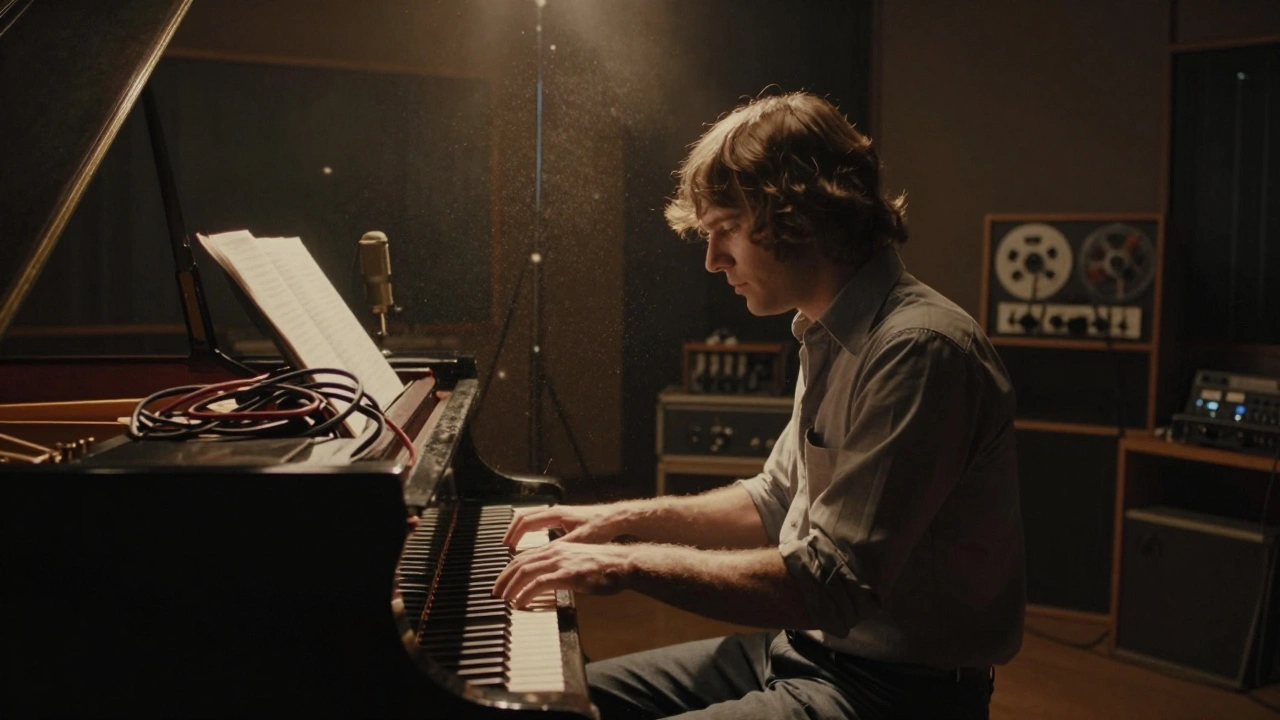
Musical biography films are unique because they require recreating sound. A painter’s studio is quiet; a rock star’s tour bus is loud. Capturing the energy of a live performance is a huge technical challenge. Directors use techniques like split-screen, animated sequences, and lip-syncing to bridge the gap between the actor and the real musician.
Consider Bohemian Rhapsody. The film didn’t just tell the story of Queen; it recreated their biggest concerts. The audience wasn’t just there for Freddie Mercury’s personal life; they were there to feel the power of "We Will Rock You." The success of this film proved that audiences want to experience the music as much as the biography. In 2025 and 2026, we’ve seen a shift toward more intimate stories. Instead of massive stadium tours, films are focusing on small clubs, recording studios, and the moments before fame.
| Style | Focus | Example Film | Audience Appeal |
|---|---|---|---|
| Epic Concert | Large-scale performances and global fame | Bohemian Rhapsody | Nostalgia and spectacle |
| Intimate Studio | Creation process and personal relationships | A Star Is Born | Emotional connection |
| Animated Hybrid | Inner thoughts and surreal experiences | Sing Street | Youth and imagination |
Visual Artists: Painting the Picture
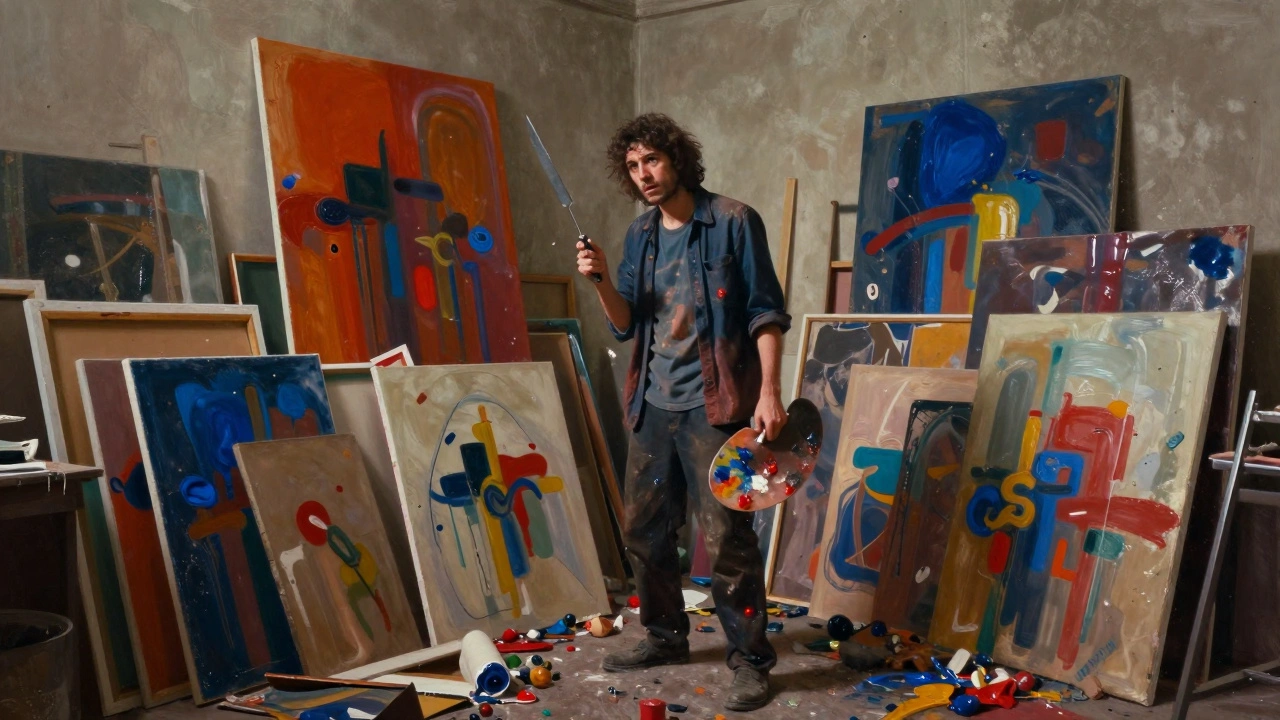
Films about visual artists face a different problem: how to make painting interesting to watch. Watching someone paint a canvas for ten minutes can be boring. To solve this, directors use voiceovers, flashbacks, and dramatic reenactments of the artist’s social life. Loving Vincent took a bold step by making the entire film an animation based on Van Gogh’s paintings. This wasn’t just a biography; it was a moving gallery.
Traditional films like Pollock focus on the chaos of the artist’s life. Jackson Pollock’s drip painting method mirrored his erratic lifestyle. The film suggests that his art was a direct result of his inability to control his emotions. This raises questions about whether we should glorify destructive behavior. Many critics argue that these films often excuse bad actions because the person was "creative."
In recent years, there has been a push to include more diverse voices. Films about female artists, such as Frida, highlight the political and physical challenges they faced. These stories add depth to the genre by showing that art isn’t just about talent; it’s about survival.
The Ethics of Telling Someone Else’s Story
Who owns the truth? When a filmmaker makes a biography film, they are interpreting facts, not just reporting them. This leads to ethical dilemmas. Should they include private scandals that have nothing to do with the art? What about family members who disagree with the portrayal?
Many musicians and artists have strict rules about their likeness. Some demand approval over the script; others refuse to participate entirely. For example, Prince famously refused to allow a biopic during his lifetime, fearing it would distort his legacy. After his death, the conversation changed. His estate allowed a documentary series that used archival footage, giving fans a more authentic view.
For living subjects, the pressure is even higher. If a film comes out while the artist is still active, it can affect their career. A negative portrayal might hurt ticket sales. A positive one might create unrealistic expectations. Filmmakers must balance honesty with respect. In 2026, we are seeing more collaborations where artists co-direct their own stories, ensuring their voice is heard.
How Biopics Shape Cultural Memory
For many people, a biography film is the only source of information they have about an artist. If a movie says Bob Dylan was a shy recluse, viewers believe it, even if he was actually quite outgoing in certain circles. These films shape cultural memory. They decide which parts of a life are remembered and which are forgotten.
This power comes with responsibility. Accurate research is crucial. Historians and archivists play a key role in verifying details. Costume designers, set builders, and makeup artists all contribute to the authenticity. When these elements are done well, the film feels real. When they are sloppy, the illusion breaks.
Social media has also changed how we consume these stories. Fans now fact-check films in real-time. If a scene gets a detail wrong, Twitter reacts instantly. This feedback loop forces filmmakers to be more careful. It also encourages deeper engagement from audiences who want to learn more than what is shown on screen.
What to Look for in a Good Biopic
Not all biography films are created equal. Some rely too heavily on famous songs or iconic images. Others lack emotional depth. Here is what separates a great film from a mediocre one:
- Character Depth: Does the film show flaws and strengths? Or is the artist a perfect hero?
- Historical Context: Does it place the artist in their time period? Social and political events matter.
- Artistic Integrity: Does the film respect the art form? Or does it treat it as a backdrop for drama?
- Performance Quality: Can the actor capture the essence of the person? Voice and mannerisms are key.
A strong biography film doesn’t just inform you; it changes how you see the world. It connects the past to the present. It shows that artists are human beings with hopes, fears, and mistakes. That connection is why we keep coming back.
The Future of Artist Films
As technology advances, so do the possibilities for biography films. Virtual reality (VR) allows viewers to step into an artist’s studio. Interactive films let you choose which part of the story to explore. These innovations promise a more immersive experience. But no matter how advanced the tech becomes, the core element remains the same: the human story.
In 2026, we are seeing a trend toward hybrid formats. Documentaries blend with fictionalized scenes. Archival interviews mix with dramatic reenactments. This blurring of lines challenges traditional definitions but offers richer narratives. Audiences are hungry for nuance. They want to see the complexity of creative lives, not just the highlights.
Whether it’s a punk rocker fighting the system or a classical composer finding peace in silence, these films remind us of the power of expression. They celebrate the individuals who change how we hear, see, and feel. And that is worth watching.
Why are musician biopics so popular?
Musician biopics combine two powerful elements: familiar music and dramatic storytelling. Viewers already love the songs, so they are drawn to the story behind them. The films offer a chance to connect emotionally with the artist, seeing their struggles and triumphs firsthand.
Are biography films historically accurate?
Not always. While many films strive for accuracy, some take creative liberties to improve pacing or drama. Important events may be condensed, characters combined, or timelines shifted. It is best to view them as interpretations rather than strict documentaries.
What makes a good artist biography film?
A good artist biography film balances factual history with emotional resonance. It should show the artist’s humanity, including flaws and failures. Strong performances, authentic settings, and respect for the art form are also key indicators of quality.
Do artists approve of films about their lives?
Opinions vary widely. Some artists collaborate closely with filmmakers to ensure accuracy. Others refuse permission, fearing misrepresentation. After death, estates often control rights, leading to debates about whose version of the truth gets told.
How do biopics affect an artist's legacy?
Biopics can significantly shape public perception. A successful film can introduce an artist to new generations, boosting interest in their work. Conversely, a poorly received film might cement negative stereotypes. They act as cultural filters, deciding which aspects of a life remain prominent.