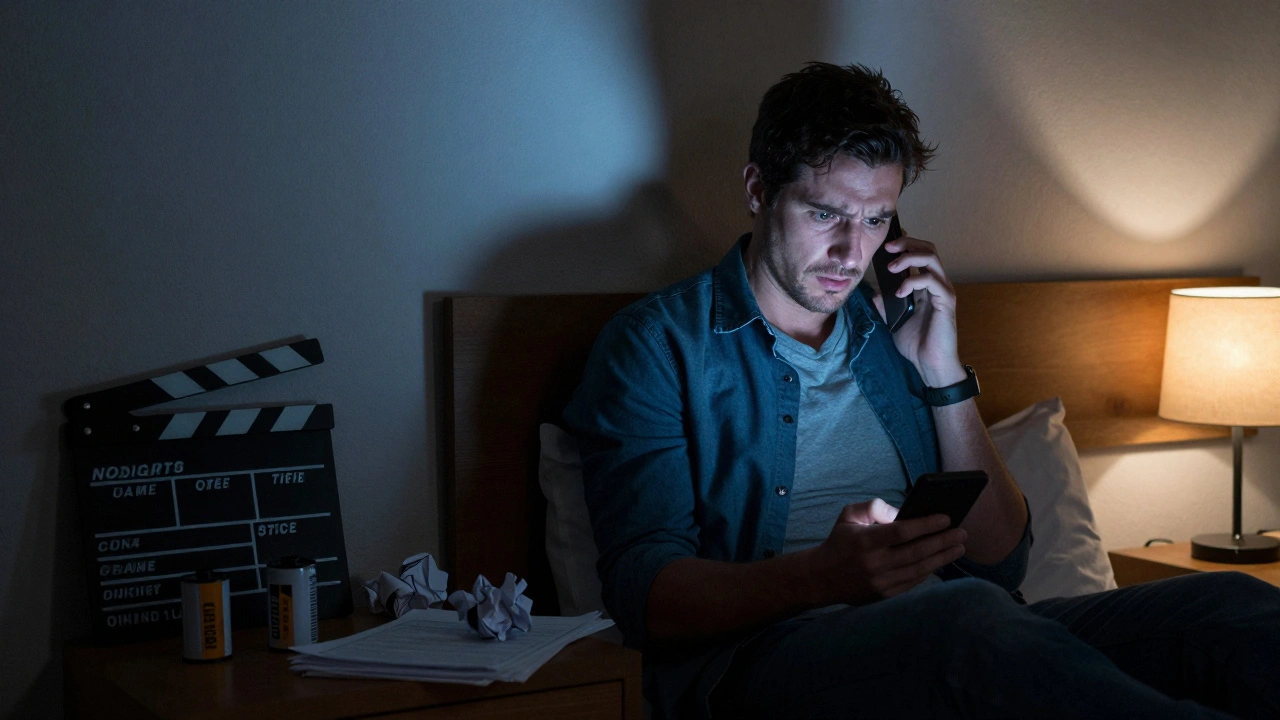
You spend two years shooting your documentary. You edit it down to ninety minutes of gold. You submit it to five festivals, and suddenly you're sitting in a hotel room, holding a phone call with a lawyer demanding you pull the film immediately because you used a snippet of song without clearance. This nightmare isn't rare; it happens every single year when directors assume that personal rights cover public screenings.
In 2026, the gap between making a movie and legally exhibiting it remains wider than most creators expect. We aren't just talking about buying a DVD anymore; we are discussing the complex web of permissions required to show your work in front of an audience, whether in a darkened cinema hall in Asheville or on a livestream platform. Understanding Festival Exhibition Rights is the set of legal permissions allowing a creator to display their creative work publicly at industry events or community gatherings. Without these specific rights, your award-winning night could become a lawsuit waiting to happen.
The Difference Between Ownership and Permission
First, let's clear up a massive misconception. Just because you directed the film does not mean you hold the rights to everything inside it. Many filmmakers operate under the belief that owning the script automatically grants them the right to screen the footage anywhere. That is simply not how the system works. You hold the copyright to the visual elements you created, but that copyright comes with strict boundaries regarding how the public consumes the work.
Right Type Scope Coverage Festival Right Limited duration/location Specific event only Theatrical Right Unlimited public showing Commercial cinemas Digital Streaming On-demand access VOD platforms, web
This breakdown shows why you cannot use the same contract for a local showcase as you would for a nationwide release. When you hand over "Festival Rights," you are usually giving a festival permission to show the work as part of their specific program. However, those rights typically expire after the event ends. If a film festival wants to keep your movie on their website afterward, they need a separate agreement for Digital or Educational exhibition. You must define the exact window and territory in your submission materials.
The Music Clearance Trap
If there is one element that trips up more filmmakers than any other, it is the soundtrack. You might shoot a scene to a specific beat, but if that beat belongs to a commercial artist, you have triggered a secondary layer of licensing requirements. This doesn't matter if the film stays in your hard drive, but the moment you push play in a theater, you enter the realm of Public Performance License.
To illustrate, imagine you are editing a scene set in a car radio. The radio plays a track by a popular band. For a private cut, this is fair use. For a public screening, you need to sync-license that song. In 2026, services like Lickd or Epidemic Sound offer affordable bundles, but many independent features still rely on traditional clearance agencies. If you skip this step, the festival will likely cancel your slot immediately upon receiving a notification. Festivals carry insurance, but they are not liable for your copyright violations.
Always verify where the original recording was produced. Is it a sound-alike library track, or is it the master recording? Using a sound-alike avoids the mechanical royalty fee, but you still must secure the performance rights if the composition is copyrighted. Most people forget that there are two copyrights in a song: the composition (lyrics/melody) and the recording (the audio file itself). You generally need permission for both to legally exhibit the final film.
Talent and Location Permits
It is not enough to own the music. You must also ensure you have written permission from anyone who appears in your film. This is where the concept of a Talent Release becomes vital. A signed legal document granting permission for an individual's likeness and voice to be used in a project. This document prevents actors or interview subjects from suing you later because they disagree with how they were portrayed or where the film is being shown.
A standard release form should specify the intended medium. Does it cover global distribution, or is it restricted to non-commercial screenings? If you plan to sell the film eventually, your release forms need to explicitly include commercial exploitation rights. Ambiguity here leads to expensive negotiations down the road. If an actor didn't sign a release, you are essentially displaying their property (their face and voice) without consent.
Furthermore, consider location releases. Shooting on public streets in a place like Asheville requires permits from the city government. While these permits are often technicalities for production, failing to obtain them can invalidate your ability to monetize the footage later. Some municipalities claim ownership over the public space you filmed in. If the city has a lien on the footage, you may not possess the full rights to distribute it commercially.
The Digital Shift in 2026
The definition of a "screening" has changed drastically since the pre-pandemic era. In today's environment, almost every major festival offers a "hybrid" component. This means your film might premiere physically but then stream online for ticketed viewers around the world. This shifts the liability zone from Cinema Law to internet-based broadcasting regulations.
When you agree to a festival submission, read the clause regarding digital archives. Many festivals ask for the right to host the trailer indefinitely. Others ask for the right to stream the short version of your feature film for educational purposes. In 2026, these clauses often default to "in perpetuity" unless you cross them out. Negotiating the removal of perpetual digital rights protects you from losing control of your intellectual property forever.
If you are distributing via a Virtual Festival Platform (VFP), you must confirm they have the correct geographic restrictions (geo-blocking) in place. If you sold exclusive rights to a distributor in France, and the festival streams it globally, you are infringing on your own contract. Always map your distribution territories against your festival acceptance terms. Territory is money; give it away for free, and you limit your future revenue streams.
Legal Pitfalls to Avoid
There are specific scenarios where even experienced producers lose sight of their coverage. Here are the top three errors to watch out for before submitting your entry:
- The "Fair Use" Fallacy: Do not assume showing 5 seconds of news footage makes it fair use. Context matters. If you clip news to critique the news, it's safer. If you use it as B-roll for a montage, it's risky.
- Stock Footage Expiration: Stock assets purchased from sites like Getty often come with usage limits. Did you buy the "Standard License" which excludes theatrical distribution?
- Credit Disputes: SAG-AFTRA (Screen Actors Guild) agreements dictate credit. Mislabeling cast credits can trigger strikes or fines, preventing your film from playing in accredited festivals.
These issues often arise too late to fix. A smart producer audits their budget and contracts before filming starts. By the time you cut the picture, the legal foundation should already be built into your workflow. If you find yourself needing to scramble for rights after the fact, the cost goes up exponentially. Clearing music months in advance costs pennies compared to clearing it hours before a deadline.
Your Compliance Checklist
Before hitting submit on any festival application, run through this verification process. It acts as a safety net against costly litigation. Think of this as your legal armor.
- Confirm Master Ownership: Do you own the underlying copyright, or does a financing company own it?
- Music Clearance Log: List every song used and attach the corresponding license certificate.
- Talent Releases: Folder all signed documents, including waivers for background extras (even silent ones).
- Stock Asset Contracts: Re-read the fine print on every image or video clip purchased.
- Festival Agreement Terms: Compare the festival's rights request against your distribution exclusivity agreements.
Having these documents organized ensures you don't get flagged during the intake review process. Professional festivals appreciate a clean rights chain; it signals that you take your craft seriously. When in doubt, consult a media attorney specializing in entertainment law. The hourly rate is far cheaper than settling a copyright infringement suit later.
Do I need rights for a private viewing party?
Generally, private viewings within a close family circle do not require public performance licenses. However, any gathering open to the public or requiring a ticket fee is considered a public performance requiring full clearance of all elements, especially music and footage.
Can I use AI-generated music in my film legally?
Yes, provided you own the output from the tool. Check the Terms of Service of your AI generator. Some tools grant you commercial rights upon payment, while others retain the copyright for themselves, leaving you unable to exhibit legally.
What happens if a festival asks for worldwide rights?
You can refuse. Most festivals only need the right to broadcast during their event window. Never sign a contract that gives away your long-term distribution potential permanently. Negotiate for a limited term of 30 days post-screening.
How long do talent releases remain valid?
They are valid in perpetuity unless stated otherwise. However, if a minor was involved in signing, parents' signatures are required and the minor can sometimes contest the agreement upon reaching adulthood.
Is E&O insurance mandatory for festival screenings?
While not always mandatory for smaller fests, major international festivals often demand Errors and Omissions (E&O) insurance policies before accepting a film. This covers claims of plagiarism or unauthorized material use.




Comments(8)