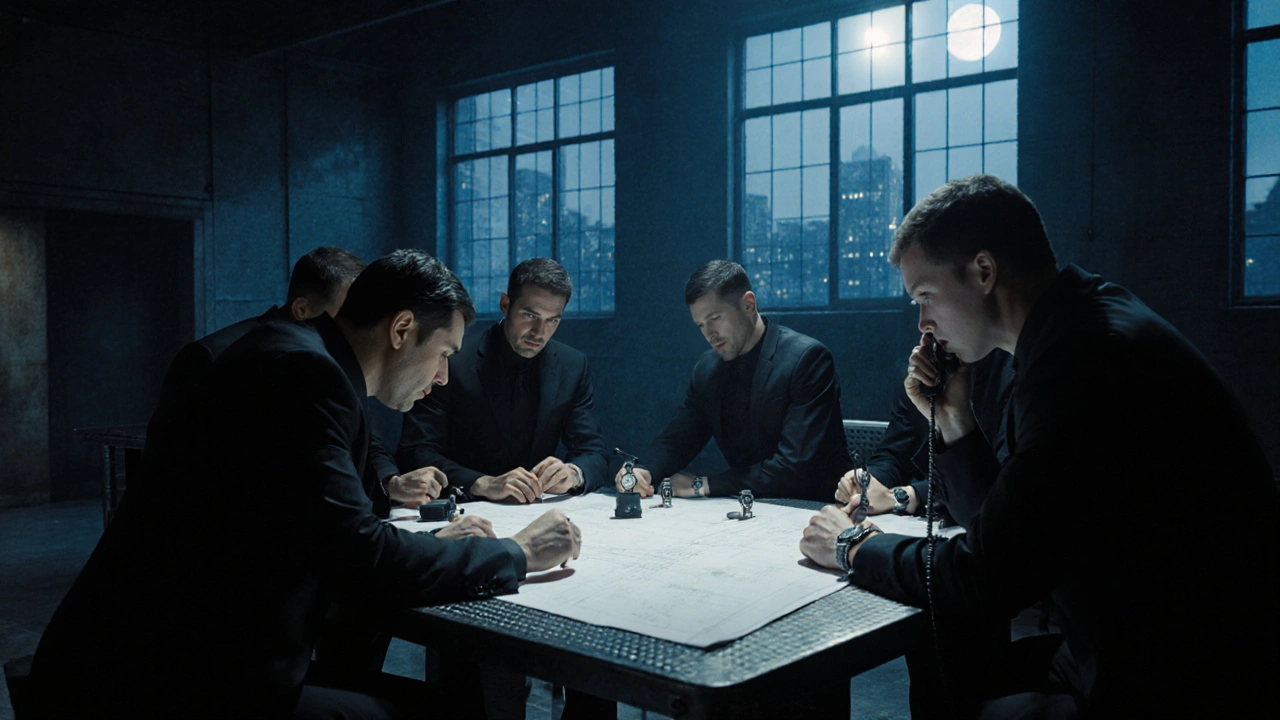
There’s something electric about a well-timed heist. The silent nod between thieves, the ticking clock, the last-minute twist that flips everything upside down. Crime films and heist movies don’t just entertain-they pull us in like a magnet. And it’s not just about the money. It’s about the people, the plan, and the risk. Why do we keep watching? Because deep down, we want to believe someone could pull this off-and maybe, just maybe, we’d do it better.
The Thrill of the Perfect Plan
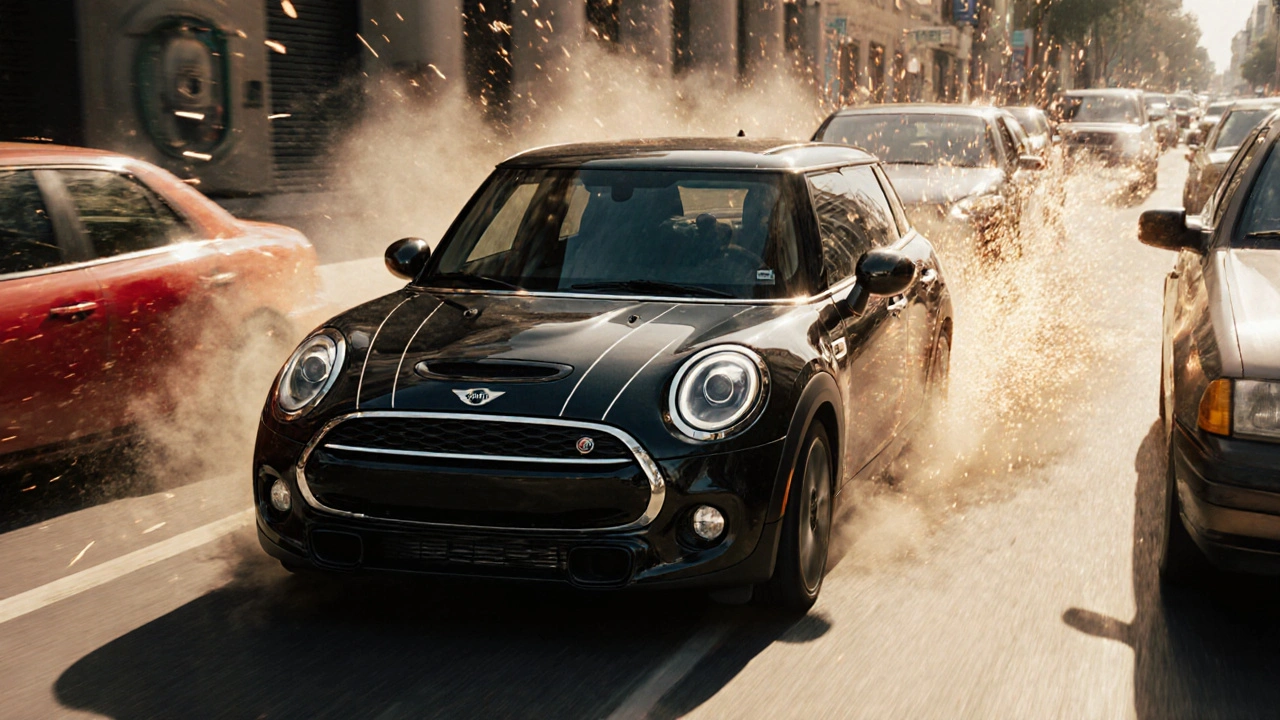
Heist movies live and die by their plans. Not the kind of plan you scribble on a napkin. We’re talking about the kind that involves synchronized watches, fake identities, and a dozen moving parts that all have to click. Think Ocean’s Eleven (2001). Every character has a role. Every tool has a purpose. Every second counts. The audience doesn’t just watch-they become part of the crew. You’re not just seeing the robbery; you’re memorizing the blueprint in your head.That’s why the best heist films feel like puzzles you’re solving alongside the characters. In The Italian Job (2003), the Mini Coopers weaving through traffic aren’t just cool cars-they’re the physical manifestation of precision. When the plan starts to unravel, your heart races not because you fear the cops, but because you know how hard it was to get everything right. That’s the magic: we root for the criminals because their competence feels real.
Charisma Over Criminality
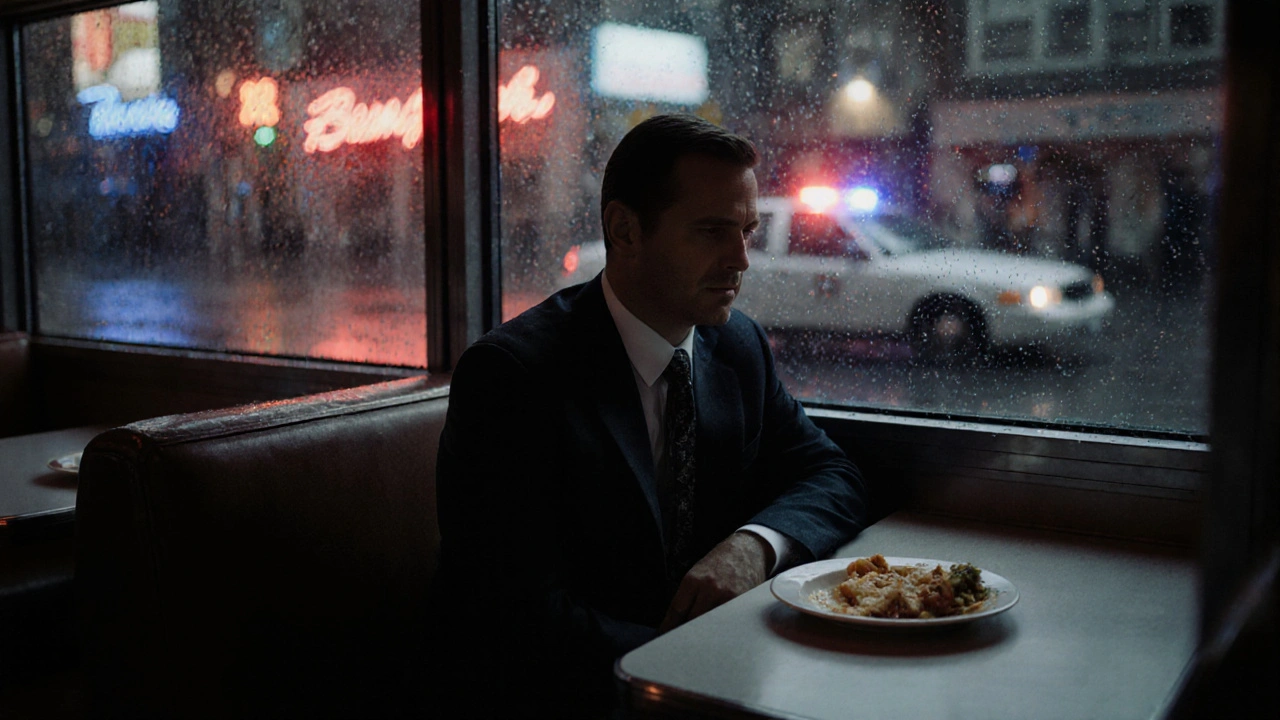
Let’s be honest: most of us wouldn’t rob a bank. But we’d follow Danny Ocean anywhere. Crime films don’t sell us on lawbreaking-they sell us on charisma. The protagonists aren’t monsters. They’re charming, clever, and often deeply human. In Heat (1995), Neil McCauley (Robert De Niro) doesn’t wear a mask because he’s evil. He wears it because he’s a professional. He’s quiet. He’s focused. He values his team above everything. That’s why his final scene-sitting alone in a diner, knowing he’s done for-is so haunting. We don’t cheer for the crime. We mourn the man who lived by a code.Compare that to Locke (2013), where the entire film takes place in a car. No heist, no guns, no explosions. Just a man trying to fix his life while driving through the night. It’s not a traditional crime film, but it’s built on the same tension: consequences, choices, and the weight of responsibility. That’s the thread tying all great crime stories together. It’s not about the act. It’s about the person behind it.
The Underdog Appeal
Why do we love a crew of misfits taking on a billion-dollar vault? Because they’re the ultimate underdogs. In Inside Man (2006), the robbers aren’t muscle-bound thugs. They’re thinkers. They use psychology, not force. In Reservoir Dogs (1992), the team doesn’t even know each other’s real names. They’re strangers bound by a single job. And yet, we care. We want them to win-not because they’re good, but because they’re clever enough to outsmart a system that’s stacked against them.This isn’t just fiction. It mirrors real-world frustrations. People feel powerless in the face of banks, corporations, and governments. Crime films give us a fantasy: what if someone could beat the system? Not with violence, but with brains. That’s why Logan Lucky (2017) struck such a chord. The robbers are working-class folks using duct tape and ingenuity to hit a NASCAR race. They’re not rich. They’re not trained. They’re just determined. And that’s relatable.
The Art of the Escape
The heist isn’t the end. The escape is where the real tension lives. In Die Hard, John McClane doesn’t stop the robbery-he survives it. In Point Break (1991), the bank robbers aren’t just stealing money. They’re chasing adrenaline. The escape isn’t just about getting away. It’s about proving you were smarter than everyone else.That’s why slow-motion shots of a getaway car disappearing into the rain, or a silent walk out of a museum past sleeping guards, feel so satisfying. It’s not about the loot. It’s about the silence after the chaos. The moment the alarm doesn’t go off. The moment the security footage glitches just long enough. That’s the high. That’s what we keep coming back for.
Realism vs. Style
Some heist films aim for gritty realism. Bullitt (1968) used real locations, real cars, and real stunts. The famous car chase? Shot with no wires, no CGI. Just Steve McQueen driving like his life depended on it. That’s why it still holds up.Others go all-in on style. Now You See Me (2013) turns robbery into magic show. The money vanishes in a puff of smoke. The audience is dazzled. It’s not about plausibility-it’s about wonder. Both work. But they appeal to different sides of us. One says: this could happen. The other says: this should happen.
That’s why modern audiences enjoy both. We watch The Town (2010) for its raw, Boston-bred tension-and then switch to Now You See Me for the spectacle. We don’t need one kind of crime film. We need them all.
The Unspoken Rule: Everyone Gets a Moment
The best heist films don’t just focus on the leader. They give every member of the crew a moment to shine. In Reservoir Dogs, Mr. White’s breakdown isn’t just emotional-it’s the emotional core of the entire film. In Inside Man, the hostage negotiator becomes the real hero. Even the minor characters-like the driver in Heat or the forger in Ocean’s Eleven-have their own arc.This isn’t accidental. It’s intentional storytelling. We’re not just watching a robbery. We’re watching a team. And teams have dynamics. Tensions. Loyalties. Betrayals. That’s what makes us care. We don’t just want to see the money stolen. We want to know who’s going to make it out alive-and who’s going to pay the price.
Why Now? Why Always?
Crime films never go out of style. Why? Because they tap into something timeless: the desire to outsmart the system. Whether it’s the Great Depression, the 1980s Wall Street boom, or today’s inflation and inequality, people feel like the odds are stacked against them. Crime films give us a fantasy where the underdog wins-not by luck, but by skill.And in a world full of surveillance, algorithms, and corporate power, that fantasy feels more urgent than ever. We watch these films not to glorify crime, but to imagine a world where intelligence still beats brute force. Where a single person, with the right plan, can still change the game.
That’s why we still gather around screens to watch another heist unfold. Not because we want to be criminals. But because we want to believe that, just once, someone got it right.
Why do people root for criminals in heist movies?
People root for criminals in heist movies because the protagonists are usually clever, charismatic, and operate under a personal code. They’re not portrayed as evil-they’re portrayed as professionals who outsmart corrupt systems. Audiences connect with their competence and the underdog narrative. When the system feels rigged, watching someone beat it with brains instead of bullets feels satisfying.
What makes a heist movie feel realistic?
Realism in heist movies comes from attention to detail: accurate procedures, believable planning, and consequences that follow actions. Films like Heat and The Town use real locations, practical stunts, and minimal exposition. The characters speak like real people, not movie archetypes. The tension comes from small mistakes-a dropped glove, a delayed signal-not from over-the-top action.
Are crime films glorifying illegal behavior?
Not necessarily. Most crime films show the cost of crime, not just the thrill. Characters often lose relationships, freedom, or their lives. Even in fun, stylized films like Ocean’s Eleven, the characters face consequences-just not always the ones you expect. The genre explores morality, not just mayhem. It asks: What would you do if the system was broken?
What’s the difference between a crime film and a heist movie?
All heist movies are crime films, but not all crime films are heists. Crime films cover a broad range-gangster epics, thrillers, noir detective stories. Heist movies specifically focus on the planning and execution of a theft, usually by a team. The central question isn’t “Who did it?” but “Can they pull it off?” The structure is tighter, more procedural, and often ends with an escape rather than a capture.
Why do heist movies often include a betrayal?
Betrayal is the ultimate test of trust-and trust is the foundation of every heist. A well-placed betrayal raises the stakes, adds emotional weight, and forces the audience to question loyalty. It’s not just a plot twist-it’s a mirror. It asks: Would you risk your life for someone you barely know? The best betrayals hurt because they feel inevitable, not random.
What’s the most important element in a great heist film?
The most important element is the plan. Not just any plan-but one that feels smart, detailed, and almost possible. The audience needs to believe it could work. If the plan is too easy, it’s boring. If it’s too impossible, it’s fantasy. The sweet spot is plausible genius: something that makes you say, “I wouldn’t have thought of that… but I get it.” That’s what keeps you hooked.
Crime films and heist movies endure because they’re more than entertainment. They’re wish fulfillment wrapped in suspense. They let us step into a world where intelligence wins, where teamwork matters, and where one perfect moment can change everything. And for a few hours, we get to believe we could be part of it.




Comments(8)