Photography isn’t just about capturing moments-it’s about seeing the world differently. And some of the most powerful stories about that way of seeing come from films.
There’s something raw and real about watching a photographer at work. Not just clicking a shutter, but waiting for hours in the cold, arguing with subjects, losing sleep over a single frame. These films don’t just show cameras and lenses-they show obsession, grief, courage, and quiet genius.
If you’ve ever stared at a black-and-white photo and wondered who took it, and why, these movies will answer that question in ways no book can.
Marlboro Country: The Man Behind the Image
One of the most haunting films about photography is Marlboro Country, a 2021 documentary that follows the life of Richard Avedon’s protégé, a lesser-known but deeply influential commercial photographer who spent decades shaping how America saw the West.
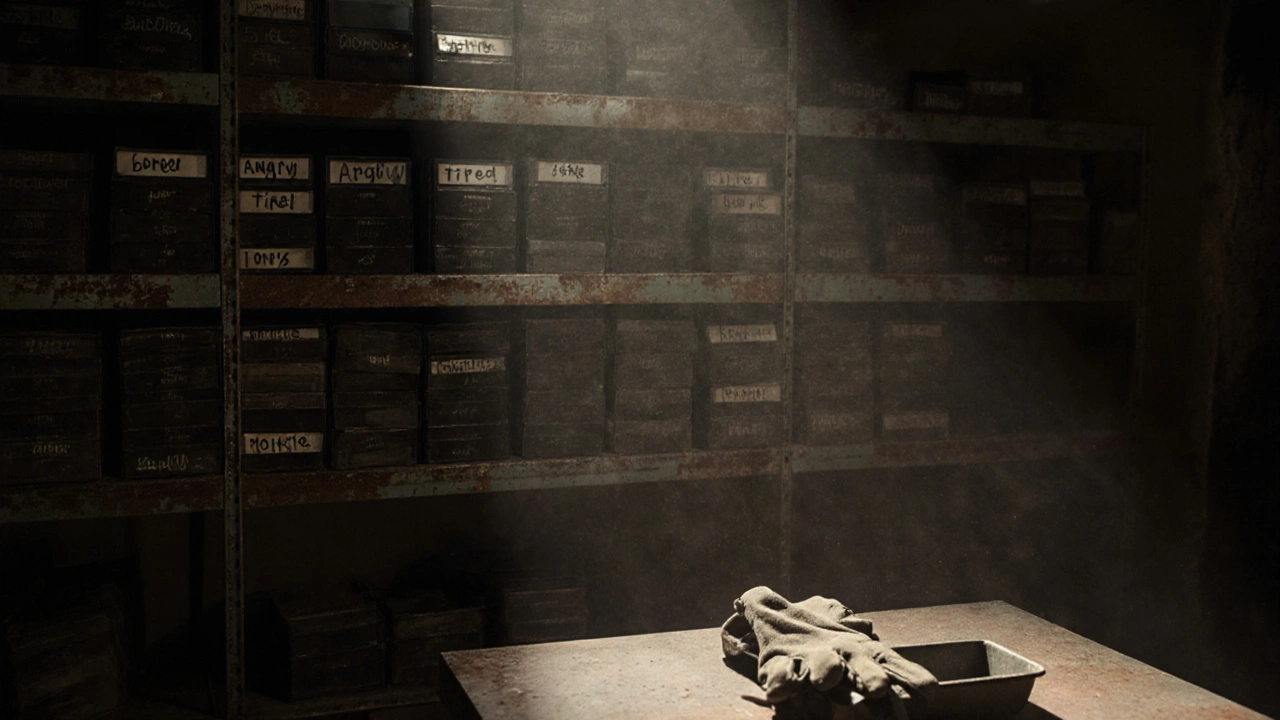
He didn’t shoot cowboys. He shot the people behind them-the ranchers, the mechanics, the lonely gas station attendants. His photos were used in Marlboro ads for 20 years, but he never got credit. The film uncovers his archive: thousands of negatives stored in a damp basement in Colorado, each one labeled with a date, location, and sometimes a single word: "bored," "angry," "tired."
It’s not about fame. It’s about who gets to decide what’s worth remembering.
The Salt of the Earth: Sebastião Salgado’s World
Wim Wenders and Juliano Ribeiro Salgado’s 2014 documentary The Salt of the Earth is the closest thing to a spiritual experience you’ll get from a film about photography.
Sebastião Salgado spent 30 years traveling to the most broken places on Earth-mines in Brazil, refugee camps in Rwanda, glaciers in Antarctica-and returned with images that feel like ancient frescoes. His work doesn’t shock you with gore. It makes you feel the weight of human endurance.
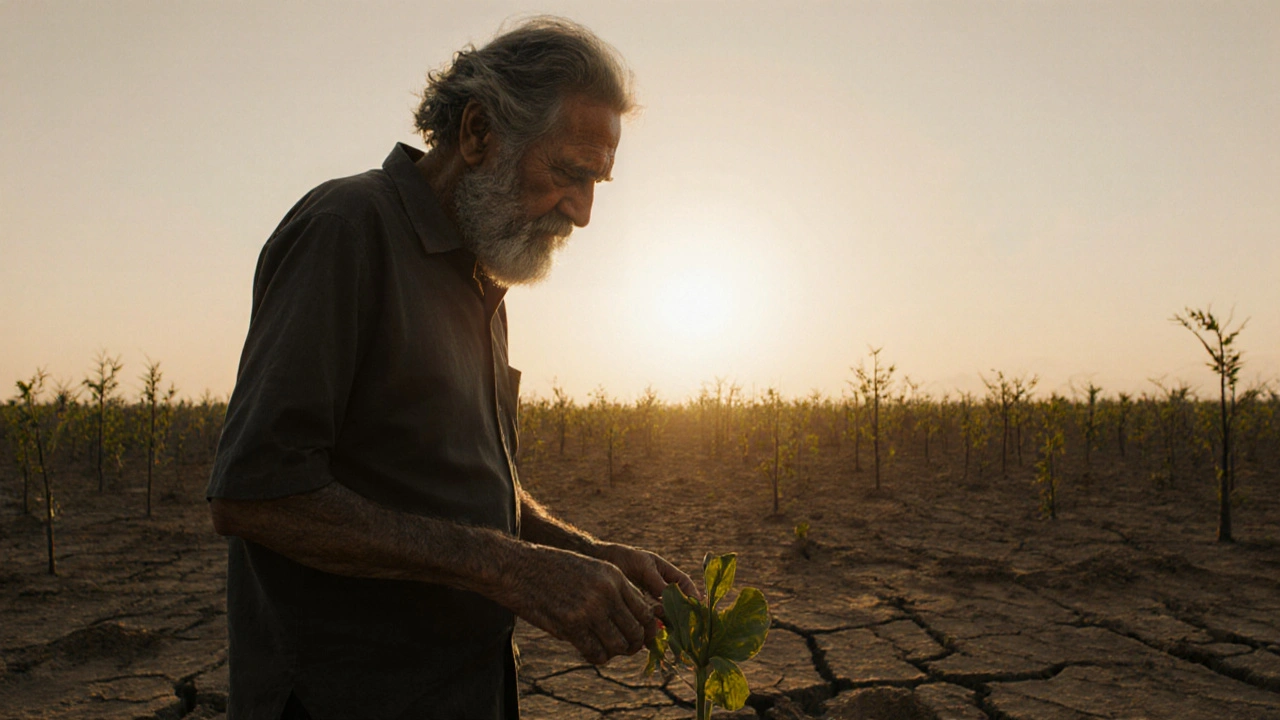
The film shows him returning to his native Brazil after decades away, only to find his family’s land turned to desert. So he and his wife planted 2 million trees. The documentary doesn’t end with his photos. It ends with green leaves growing where there was once dust.
Photography, here, isn’t a record-it’s a redemption.
Diane Arbus: Portrait of a Freak
Her photos of circus performers, twins, and people on the edges of society made her famous. But the film Diane Arbus: Portrait of a Freak (2023) digs deeper than her controversial subjects. It asks: Why did she need to photograph them so intensely?
Archival footage shows her pacing the streets of New York in the 1960s, camera in hand, trembling. She didn’t just photograph outsiders-she saw herself in them. The film reveals letters she wrote to friends: "I don’t want to make them strange. I want them to be who they are. And then maybe we’ll see that we’re all strange."
Her suicide in 1971 isn’t treated as a tragedy to be explained. It’s presented as the natural end of someone who refused to look away.
Chasing Light: The Life of Ansel Adams
Ansel Adams is one of the most famous photographers in history-but most people only know his Yosemite photos. The 2022 film Chasing Light shows the man behind the prints.
He wasn’t just a nature lover. He was a political activist who used photography to fight for national parks. He worked with the U.S. government during World War II to document the internment of Japanese Americans. Those photos were buried for decades.
The film includes never-before-seen footage of Adams developing prints in a darkroom he built by hand, using a bathtub as a tray. He’d sit for hours, adjusting the chemicals, whispering to the image as if it were alive. "The negative is the score," he says in one clip. "The print is the performance."
His obsession wasn’t beauty. It was truth-and he believed truth could change policy.
Street Photography: The Unseen Masters
Not all great photographers worked in studios or traveled to war zones. Some just walked the streets.
Street Photography: The Unseen Masters (2024) profiles five anonymous photographers from the 1950s to the 1980s whose work was only discovered after their deaths. One was a janitor in Chicago who shot subway riders with a stolen camera. Another was a librarian in Tokyo who took 12,000 photos of strangers-never publishing them, never showing them to anyone.
The film doesn’t glorify them. It just asks: Why did they do it? One answer comes from a note found in a shoebox: "I don’t want to be remembered. I just want to be seen."
These films remind us that photography isn’t about equipment. It’s about presence.
Why These Films Matter Now
In 2025, we take over 3.5 trillion photos a year. Most vanish in seconds. We scroll, we like, we forget.
These films are a counterweight. They show that photography, at its best, demands patience. It asks you to sit still. To listen. To care enough to wait for the light to change.
They also show that the people behind the camera aren’t artists in the traditional sense. They’re witnesses. They’re collectors of silence. They’re the ones who stayed when everyone else walked away.
If you’ve ever felt like your photos don’t mean anything, watch one of these. You might realize: it’s not the camera that matters. It’s what you’re willing to see-and what you’re willing to live with after you’ve seen it.
What These Films Don’t Show You
None of these films show the editing software. None show the Instagram filters. None show the "viral" moments.
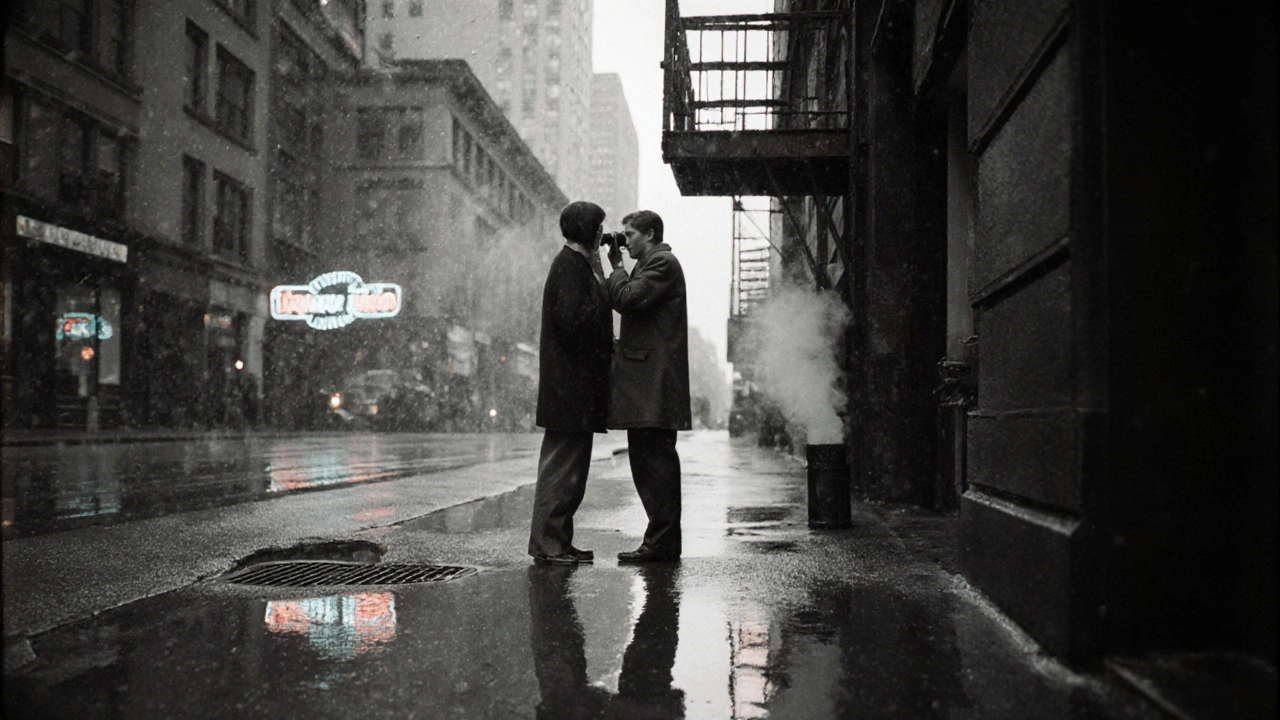
They show the 17 hours spent waiting for rain to stop. The broken tripod on a mountain in Nepal. The silent argument with a mother who didn’t want her child photographed. The tears after a subject died before the print was finished.
Photography isn’t about the perfect shot. It’s about the imperfect commitment.
Where to Start
If you’ve never watched a film about photography, begin with The Salt of the Earth. It’s the most complete picture of what the craft can become.
If you want something raw and unsettling, go with Diane Arbus: Portrait of a Freak.
If you’re drawn to quiet, unnoticed beauty, try Street Photography: The Unseen Masters.
And if you’ve ever held a camera and felt like you didn’t belong-watch them all. You might find, in the silence between the frames, that you’re not alone.
What are the best documentaries about photographers?
The most widely respected documentaries include The Salt of the Earth about Sebastião Salgado, Diane Arbus: Portrait of a Freak, Chasing Light on Ansel Adams, and Marlboro Country about a hidden commercial photographer. Each offers a different perspective-from activism to personal trauma to quiet obsession.
Are there any fictional films about photographers?
Yes, though they’re rarer. The Conversation (1974) features a surveillance audio expert whose obsession mirrors photographic isolation. Blow-Up (1966) is the most famous-about a fashion photographer who thinks he captured a murder in a blurry photo. These aren’t biopics, but they explore the psychological toll of seeing too closely.
Do these films teach you how to take better photos?
Not technically. You won’t learn aperture settings or lighting setups. But you’ll learn how to see. How to wait. How to care. That’s what makes a great photo-not the camera, but the person behind it. These films show you the soul of photography, not the settings.
Why are there so few films about street photographers?
Because most street photographers never sought fame. Their work was anonymous, their lives quiet. Films like Street Photography: The Unseen Masters only exist because someone found their archives after they died. Their stories aren’t dramatic-they’re ordinary, which is why they’re powerful.
Can I watch these films on streaming platforms?
Most are available on Criterion Channel, MUBI, or Kanopy through public libraries. The Salt of the Earth is on Amazon Prime and Apple TV. Diane Arbus: Portrait of a Freak is on Hulu. Check local library access-it’s often free.
What to Do After Watching
Don’t just watch. Do something.
Take your camera-or your phone-and go somewhere quiet. Sit for 20 minutes. Don’t take a single photo. Just look. Notice how the light moves. How people avoid eye contact. How a single shoe on a sidewalk tells a story.
Then, when you’re ready, take one photo. Not for likes. Not for followers. Just because you saw something that mattered to you.
That’s what these films are really about. Not fame. Not gear. Not perfect composition.
Just seeing.




Comments(10)