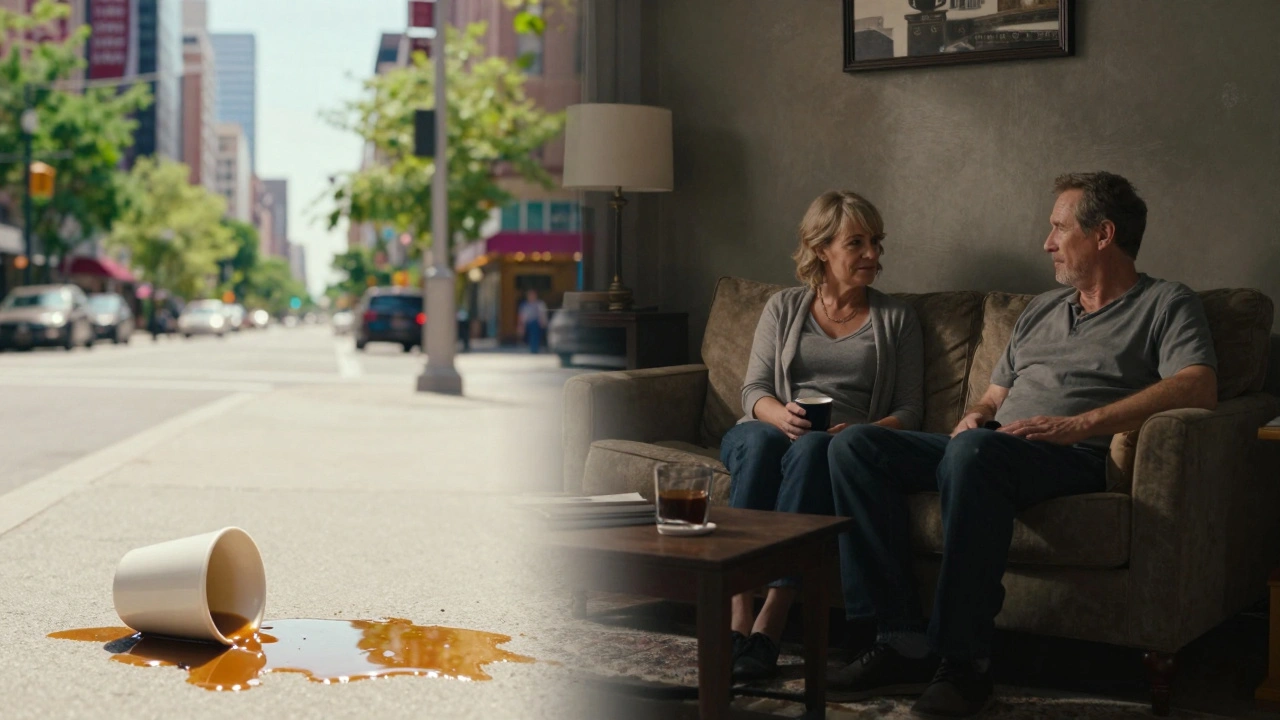
When we talk about Romance Films for Adults is a cinematic approach to love that prioritizes emotional complexity, psychological realism, and the nuances of long-term partnership over stylized tropes. It's not about adding more explicit scenes, but about adding more human truth. We're looking for stories where the conflict isn't a sudden misunderstanding, but the slow erosion of communication or the struggle to maintain identity while loving another person.
Key Takeaways for Mature Movie Seekers
- Prioritize psychological realism over plot twists.
- Look for narratives focusing on the "maintenance" of love, not just the "spark."
- Explore international cinema for more diverse perspectives on intimacy.
- Avoid "Rom-Com" labels in favor of "Romantic Drama" or "Psychological Romance."
Breaking the "Happily Ever After" Myth
The biggest problem with mainstream romance is the destination. The story usually ends at the wedding or the first kiss. But for an adult audience, the wedding is actually where the story begins. Mature cinema shifts the lens to the "after." Why does it matter? Because the tension in a twenty-year marriage-the shared grief, the financial stress, the evolving attraction-is infinitely more compelling than the tension of whether two people will date.
Take a look at Marriage Story. It doesn't try to trick you into thinking love is easy. Instead, it uses the breakdown of a relationship to show how love persists even when a partnership fails. It focuses on the specific, grueling details of legal battles and childcare, making the romance feel heavy and authentic. When you stop chasing the fantasy, you start finding the actual human connection.
The Power of Psychological Realism
Adult romance often lives in the space of Psychological Realism, where the internal state of the character drives the plot more than external events. In these films, a conversation over dinner can be as high-stakes as a car chase. The conflict is internal: "Do I still know the person sleeping next to me?" or "Can I forgive a mistake that happened a decade ago?"
This approach requires a different kind of pacing. You won't find a montage of dates set to a pop song. Instead, you get long takes, lingering silences, and subtle shifts in body language. This mirrors how we actually experience intimacy. It's not a series of peaks; it's a steady current. When a movie allows a couple to just *exist* in a room together without a scripted joke, it validates the quiet parts of our own lives.
| Feature | Mainstream Romance Tropes | Mature Adult Romance Themes |
|---|---|---|
| Central Conflict | Misunderstandings & Obstacles | Internal Growth & Compatibility |
| Pacing | Fast, Plot-Driven | Slow, Character-Driven |
| Resolution | The "Perfect" Ending | Acceptance or Bittersweet Reality |
| Focus | Falling in Love | Staying in Love |
Exploring the "Slow Burn" in World Cinema
If you're tired of Hollywood's version of love, head toward World Cinema. Non-American films often treat romance with a level of ambiguity that feels refreshing. Whether it's a French study of loneliness or a Japanese exploration of quiet longing, these films understand that silence is a language of its own.
Consider the way European Cinema handles intimacy. There is often less emphasis on the "grand gesture" and more on the atmospheric tension. The romance is built through shared glances or the way a character prepares a meal for another. These are the small, concrete actions that actually sustain a relationship in the real world. By stripping away the melodrama, these films make the emotional payoff feel earned rather than forced.
Navigating Complex Dynamics and Taboos
Real adult love isn't always binary. It involves gray areas: old flames returning at the wrong time, the struggle of loving someone who is mentally unstable, or the complexities of non-traditional relationship structures. Mature films don't judge these dynamics; they investigate them.
When a film explores a "taboo' romance, the goal shouldn't be shock value. The best adult films use these setups to ask deeper questions about morality and desire. For example, a story about two people meeting late in life-perhaps in their 70s-challenges the idea that romance is a young person's game. It shows that desire and companionship evolve, but they never actually disappear. It transforms the narrative from one of discovery to one of rediscovery.
How to Curate Your Own Mature Watchlist
Finding these films can be tough because the algorithms love to push the same five rom-coms. To find the good stuff, you have to change how you search. Stop looking for "best romance movies" and start searching for specific directors or movements.
- Follow Auteur Directors: Look for filmmakers known for character studies. Directors who prioritize dialogue and atmosphere over spectacle usually produce the best mature romances.
- Read Film Essays: Instead of IMDb ratings, look for analysis in cinema journals. They often highlight the "quiet" films that don't hit the mainstream charts but offer profound insights into human relationships.
- Check Festival Winners: Films from Sundance or Cannes often lean toward the psychological realism we're looking for. They take risks with structure and ending that studio films won't touch.
- Experiment with Sub-genres: Try "Romantic Noir" or "Domestic Drama." These often contain the adult romantic elements you crave without the sugary coating.
The Value of the Bittersweet Ending
Why do we need movies where the couple doesn't end up together? Because sometimes, the most romantic thing a person can do is let someone go. A film that acknowledges that some loves are meant for a season, not a lifetime, is far more honest than one that forces a reunion.
A bittersweet ending provides a sense of closure that a "perfect" ending cannot. It acknowledges the pain of loss while celebrating the fact that the love happened at all. This mirrors the adult experience of grief and growth. When we see characters navigate a breakup with dignity and reflection, it teaches us more about love than any airport chase ever could.
What exactly makes a romance film "adult"?
An adult romance isn't defined by nudity or age ratings, but by emotional maturity. It focuses on the complexities of real-life relationships-such as communication breakdowns, compromise, and long-term growth-rather than the idealized tropes of "true love" and "fate" seen in traditional rom-coms.
Are there specific genres I should look for instead of "Romance"?
Yes. Try searching for "Domestic Dramas," "Psychological Dramas," or "Character Studies." These genres often treat romantic relationships as a central pillar of the story but approach them with more nuance and less predictability than the standard romance genre.
Why is world cinema often better for mature romance?
Many international filmmakers avoid the rigid structural requirements of the Hollywood "three-act" movie. This allows them to spend more time on atmosphere, subtlety, and ambiguous endings, which more accurately reflect the unpredictable nature of real-life love.
Can a movie be a mature romance if it has a happy ending?
Absolutely. The key is how they get there. A mature happy ending is one that feels earned through hard work, conflict resolution, and personal growth, rather than a convenient plot twist or a magical coincidence.
Where can I find films that avoid romantic clichés?
Look toward independent cinema, Criterion Collection releases, and curated lists from film festivals. These sources tend to prioritize artistic integrity and psychological depth over commercial tropes.
Next Steps for the Discerning Viewer
If you're ready to move past the clichés, start by picking one film that challenged your view of love. Don't just watch it; analyze why it felt more "real" than others. Was it the dialogue? The silence? The lack of a clear resolution? Once you identify what resonates with you, look for other films by that director or within that specific cultural movement.
For those who find these films too heavy, try pairing them with a more lighthearted but grounded comedy. The goal isn't to replace all joy with sadness, but to balance the fantasy with a bit of truth. Love is both a fairy tale and a grind-the best movies are the ones that dare to show us both.



Comments(10)