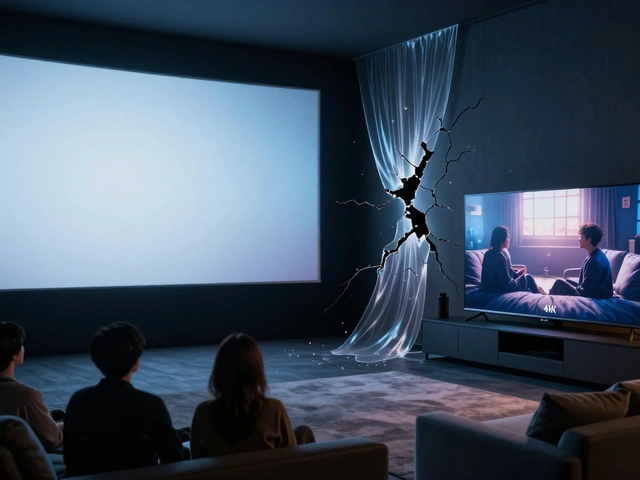
Every director knows the feeling. You spend months polishing a script, only to realize that half your audience has already written their own version of the movie in their heads. When you adapt a beloved book is a narrative work with a dedicated reader base who have formed deep emotional connections to its characters and plot points, you aren't just making a film; you're negotiating with millions of mental images. The gap between what a reader imagines and what lands on the screen is where most adaptations stumble.
The core problem isn't usually bad acting or poor cinematography. It's the mismatch of internal vs. external experience. Reading is an active, collaborative process where the brain fills in visual details. Watching a film is passive reception. If the director makes a choice that contradicts a reader's specific memory-like casting a character with the wrong eye color or changing a pivotal scene's location-the backlash can be swift and brutal. Understanding this psychological shift is the first step in managing those expectations effectively.
Why Fans Resist Change
To manage expectations, you first have to understand why they are so rigid. Fans don't hate change; they hate feeling unheard. When a screenwriter is the professional responsible for translating source material into a visual format suitable for cinema or television alters a key plot point, it often feels like a betrayal of the original intent. This is known as "adaptation anxiety." It stems from the fact that books allow for infinite interpretation, while films force a single, definitive truth.
Consider the case of Harry Potter is a globally successful fantasy series adapted into eight films by Warner Bros. Pictures. The filmmakers kept the core story beats intact but made subtle changes to pacing and character dynamics. Most fans accepted these because the essence remained. However, when Dune is a science fiction novel by Frank Herbert, adapted into films by Denis Villeneuve was released, the focus shifted heavily to atmosphere over dialogue. Some readers felt the political intrigue was diluted. The lesson here? If you change the tone, communicate it early. Don't let the audience guess your intent.
Strategic Communication Before Release
Silence breeds suspicion. In the modern era, social media means rumors spread faster than official announcements. Producers and directors need to engage with the community before the trailer drops. This doesn't mean giving away spoilers, but it does mean setting the tone. If you are adapting a dark literary novel into a family-friendly animated feature, say so. If you are cutting three subplots to tighten the runtime, acknowledge that trade-off.
A practical approach involves using behind-the-scenes content to explain *why* decisions were made. For example, if a character's hair color is changed, release a short interview with the costume designer explaining how the new palette fits the lighting conditions of the set. This turns a potential complaint into a technical insight. Fans appreciate craftsmanship. They want to know that the choices were deliberate, not accidental.
- Release a Director's Statement: Early in production, publish a brief note outlining the thematic focus of the adaptation.
- Engage with Superfans: Identify vocal community members and invite them to Q&As (not to approve the film, but to hear their concerns).
- Use Teasers Wisely: Show the aesthetic style immediately so viewers know what kind of film they are watching.

Casting and Visual Identity
Nothing triggers fan debate faster than casting. The actor becomes the face of the character for the next decade. When choosing talent, look beyond physical resemblance. Seek actors who embody the *spirit* of the character. For instance, in the Lord of the Rings is a high-fantasy trilogy by J.R.R. Tolkien, adapted into a critically acclaimed film series by Peter Jackson films, Viggo Mortensen did not look like the typical elf or ranger archetype found in previous fantasy movies. He brought a grounded, weary realism that redefined the genre. Fans initially debated his age, but his performance won them over.
Visual identity also plays a massive role. The color grading, costume design, and set construction all signal whether the adaptation is faithful or interpretive. A gritty, desaturated look suggests a darker take. Bright, saturated colors suggest a more fantastical or idealized version. Aligning the visual language with the book's mood helps bridge the gap. If the book is melancholic, don't shoot it like a summer blockbuster unless you have a very strong reason to do so.
Navigating Plot Deviations
Some stories simply don't translate well to a two-hour runtime. Subplots must go. Side characters get merged. This is unavoidable. The key is consistency. If you merge two minor characters, ensure their combined traits still serve the main plot. If you cut a subplot, make sure the remaining characters' motivations remain clear. Audiences forgive cuts if the logic holds up. They punish cuts that leave holes in the narrative.
One effective strategy is the "Core Truth" method. Identify the three to five emotional truths of the book. These are the moments that define the story for the reader. Protect these at all costs. Everything else is negotiable. If the ending changes, it better land with the same emotional weight as the original. If it doesn't, no amount of special effects will save the reputation of the film.

Post-Release Engagement
The work doesn't stop when the credits roll. Post-release is where you win back the skeptics. Host panel discussions at conventions. Let the cast discuss their favorite scenes from the book. Acknowledge the differences openly. When The Witcher is a fantasy novel series by Andrzej Sapkowski, adapted into a Netflix series premiered, there was significant backlash over the casting of Ciri. The showrunners responded by highlighting the diversity of the world and the need for fresh perspectives. Over time, as the series progressed, many fans grew to accept the choices. Consistency and confidence in the creative vision matter more than immediate approval.
| Strategy | Best For | Risk Level | Fan Reception |
|---|---|---|---|
| Strict Faithfulness | Highly detailed, plot-heavy novels | Low | Generally positive, but may feel slow |
| Thematic Interpretation | Literary fiction, abstract concepts | Medium | Polarizing, but can create critical acclaim |
| Modernization | Classic literature, outdated settings | High | Risky, but can attract new audiences |
| Expanded Universe | Series with large lore | Medium | Positive if handled with respect to canon |
Building Long-Term Trust
Ultimately, managing fan expectations is about building trust. Fans want to believe that the creators respect the source material. Even if you deviate, if you show that you read the book, understood its heart, and made thoughtful choices, they will follow you. The goal isn't to please everyone. It's to create a compelling piece of art that stands on its own while honoring the spirit of the original. When you achieve that balance, the fans become your biggest advocates, not your harshest critics.
Should adaptations always stay true to the book?
Not necessarily. While faithfulness helps secure initial fan support, artistic interpretation can lead to greater critical success. The key is to preserve the core emotional truths of the story while adapting the structure to fit the visual medium.
How important is casting in fan acceptance?
Casting is crucial because actors become the primary visual representation of beloved characters. However, chemistry and performance often outweigh physical resemblance. Fans tend to accept unconventional casting if the actor delivers a convincing and emotionally resonant performance.
What is the best way to handle negative reviews from fans?
Listen actively but respond selectively. Acknowledge valid criticisms publicly and use behind-the-scenes content to explain creative decisions. Avoid defensive reactions, as they tend to escalate conflict. Focus on engaging with the broader audience who may be less invested in strict fidelity.
Can a failed adaptation ever be redeemed?
Yes, often through sequels or spin-offs. If the core team maintains quality control and addresses specific complaints from the first installment, later entries can rebuild trust. Consistency in tone and respect for the source material are essential for redemption arcs.
How do I prepare my team for fan scrutiny?
Educate your entire crew on the source material's significance. Ensure that even minor roles and background details align with the established lore. A unified front where every department understands the importance of detail creates a cohesive product that withstands close inspection.