Key Takeaways
- The traditional 90-day window has shrunk to a flexible 30-to-45-day model.
- Box office recovery depends on "event-style" cinema rather than mid-budget dramas.
- Hybrid release strategies are becoming the standard for niche and indie films.
- Dynamic pricing is replacing the flat-fee ticket model in major cities.
The Death of the Rigid Window
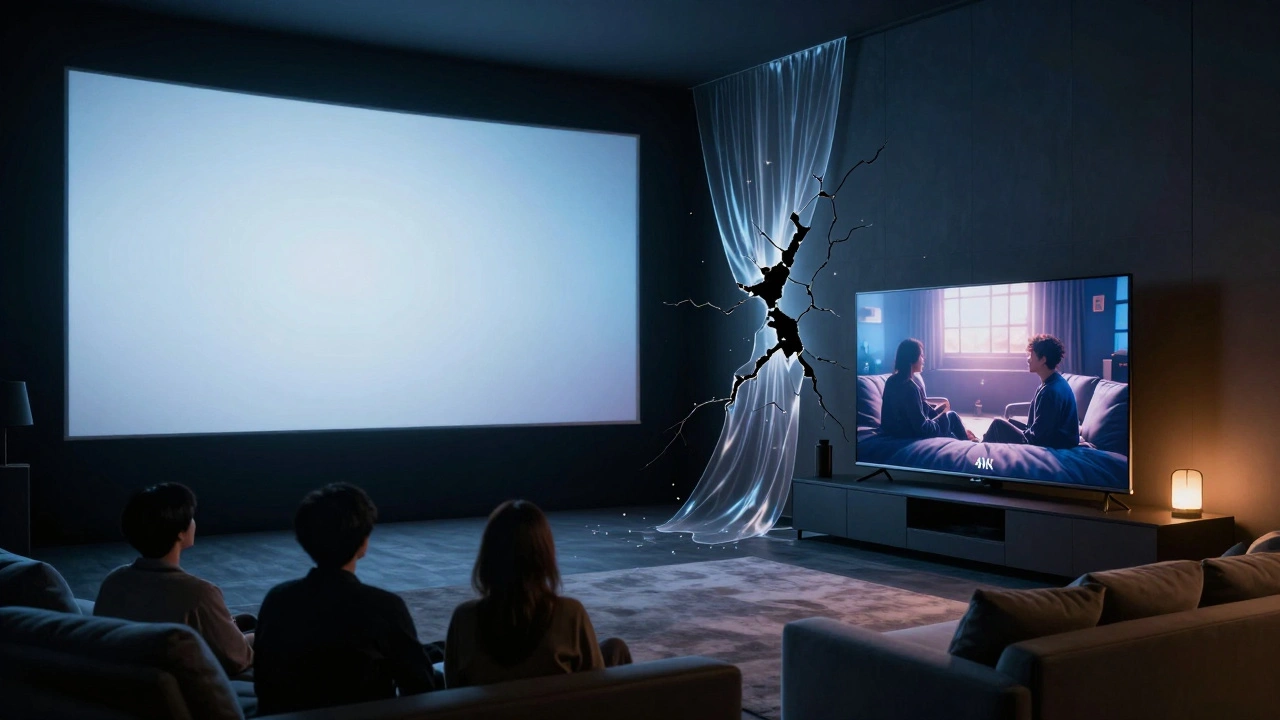
For years, the Theatrical Window is the period of time during which a movie is exhibited exclusively in cinemas before becoming available on other platforms was a sacred 90-day rule. If a studio broke it, theater chains would simply refuse to show the movie. But the world changed. After the pandemic and the rise of Direct-to-Consumer (DTC) is a distribution model where studios bypass third-party retailers to sell content directly to viewers via apps platforms, that wall crumbled.
Now, we see a variable approach. A massive blockbuster might hold a 45-day exclusivity period to maximize box office recovery, while a smaller art-house film might move to digital in just 17 days. This flexibility allows studios to pivot based on real-time data. If a movie is bombing in theaters, they can push it to streaming faster to recoup losses. If it's a viral hit, they keep the doors open longer. The rigid schedule is dead, replaced by a data-driven dance of timing.
Why Mid-Budget Movies are Vanishing from Screens
If you look at the current charts, you'll notice a strange gap. We have $200 million spectacles and tiny indie darlings, but the "middle"-the adult drama or the romantic comedy-has almost entirely migrated to streaming. Why? Because the risk is too high. When a studio spends $50 million on a movie, they need a guaranteed hook to get people to pay for parking and popcorn.
The Box Office is the total revenue generated by movie ticket sales at cinema theaters is now dominated by "IP" (Intellectual Property). Whether it's a sequel, a reboot, or a comic book adaptation, the audience is paying for a known brand. This has created a two-tier system. The theaters are becoming "event venues" for spectacles, while the home is where we go for storytelling. To survive, mid-budget films are now using "limited theatrical releases"-playing in a few cities just to qualify for awards or build prestige before hitting a streaming app.
The Rise of the Premium Experience
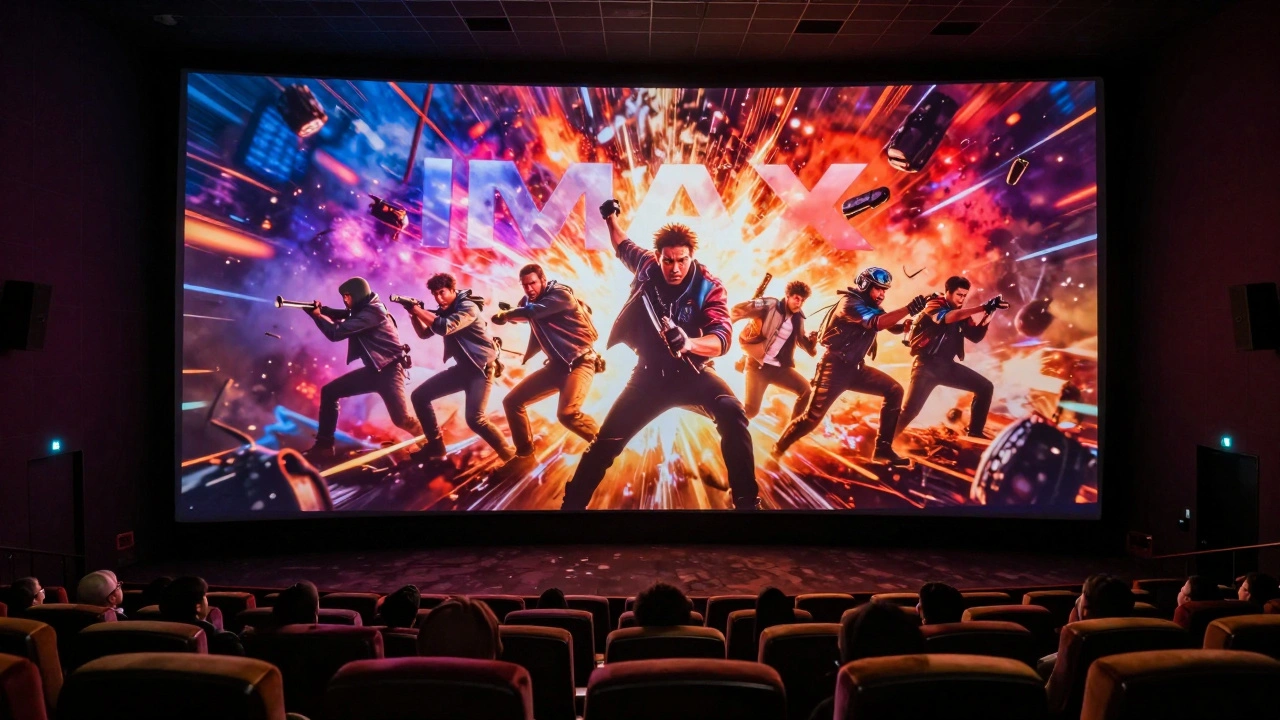
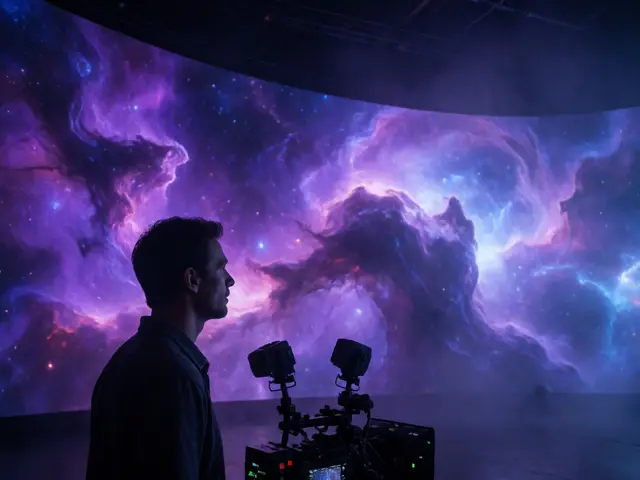
You can't beat a 4K OLED TV at home for comfort, so theaters stopped trying to compete on comfort alone. Instead, they're competing on intensity. We're seeing a massive surge in PLF (Premium Large Format) is cinema screens that are larger than standard displays and often include enhanced sound and projection technology screens. Think IMAX or Dolby Cinema.
People are now willing to pay a premium-sometimes double the price of a standard ticket-for the best possible version of a movie. This is a critical part of the recovery. While the total number of tickets sold might be lower than in 2019, the average revenue per viewer is actually climbing. Theaters are moving from a volume-based business to a value-based business. If you're going to the movies, you're not just "watching a film"; you're paying for an experience that is physically impossible to replicate in a living room.
| Feature | Traditional Window | Hybrid Release | Streaming First |
|---|---|---|---|
| Exclusivity Period | 90 Days | 17-45 Days | 0 Days |
| Primary Revenue Source | Ticket Sales | Mixed (Tickets + PVOD) | Subscription/Ads |
| Risk Level | High (All or Nothing) | Moderate (Diversified) | Low (Fixed Cost) |
| Audience Reach | Limited to Cities | Broad/Global | Instant/Universal |
The PVOD Bridge and the New Economy
One of the most significant shifts is the emergence of PVOD (Premium Video on Demand) is a digital distribution model where users pay a high rental fee to watch a movie shortly after its theatrical debut. This acts as a bridge. It allows a movie to exist in theaters and at home simultaneously, but at a price point (usually $19.99) that doesn't totally cannibalize the ticket sales.
For the average viewer, this is a dream. For the theater owner, it's a nightmare. However, the MPA (Motion Picture Association) is the trade association representing the major studios of the US film industry has realized that PVOD actually extends the life of a movie. A film that fades quickly in theaters can find a second wind on PVOD, keeping the conversation going and boosting the eventual move to a subscription service like Netflix or Max.
The Tech War: Dynamic Pricing and AI
Theaters are starting to borrow a page from the airline industry. In major hubs, we're seeing the introduction of dynamic pricing. If a movie is the hottest ticket of the weekend, prices go up on Friday night and drop on Tuesday morning. This allows cinemas to capture more revenue from the "must-see" crowd while keeping the doors open for budget-conscious students and seniors during off-peak hours.
Behind the scenes, Predictive Analytics is the use of historical data and machine learning to forecast future trends and consumer behavior is being used to decide exactly how many screens a movie gets. Studios no longer guess based on a trailer's view count; they use AI to analyze sentiment across social media and predict exactly which zip codes will drive the most sales. This efficiency reduces the "waste" of empty theaters but also makes it even harder for unknown directors to get their work seen without a massive marketing push.

What's Next for the Cinema Experience?
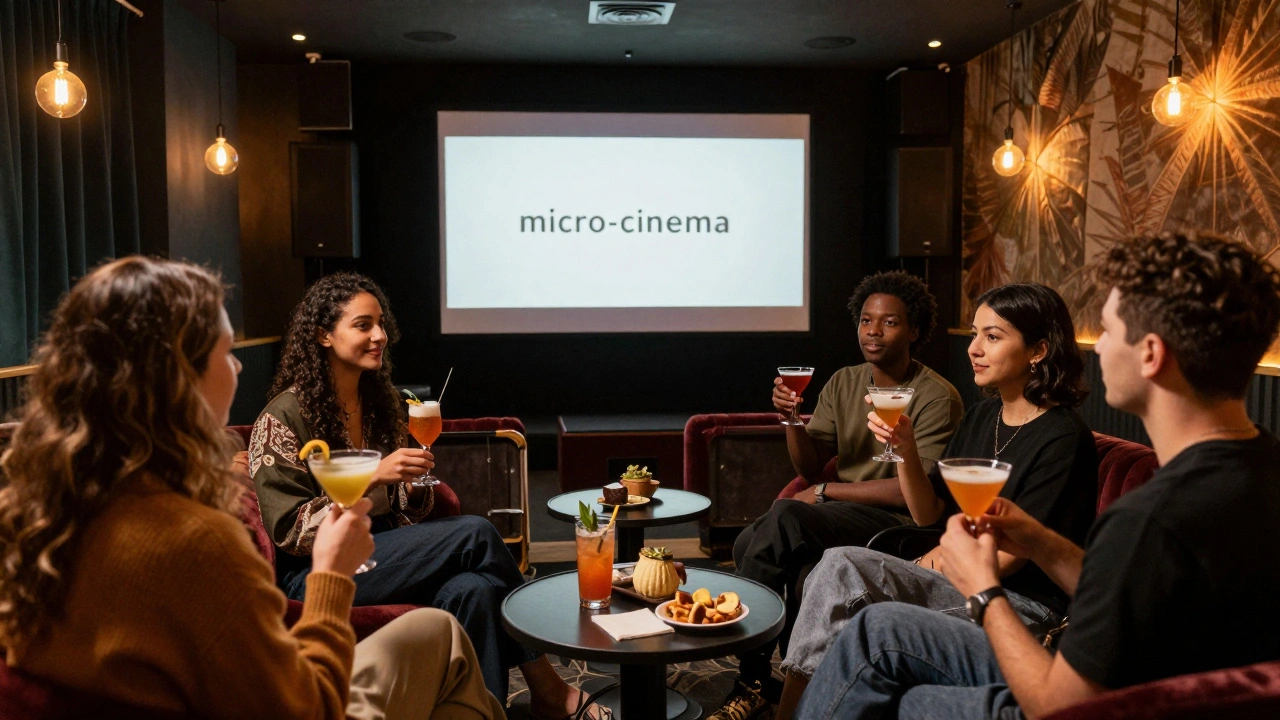
Recovery isn't about returning to 2019; it's about evolving into 2030. We are seeing the rise of "micro-cinemas"-smaller, curated venues that focus on community and conversation. These aren't the megaplexes with 20 screens, but intimate spaces that sell craft cocktails and host Q&A sessions with directors. By turning the movie into a social event, they're solving the one thing streaming can't replace: human connection.
The future of the box office is lean, premium, and flexible. The theatrical window will continue to shrink and expand like an accordion based on the type of film. As long as movies can provide a scale and sound that makes your chest rattle, people will keep coming back. But they won't come back for "just a movie"; they'll come back for a spectacle.
Will movies eventually stop releasing in theaters entirely?
It's unlikely for major blockbusters. The theatrical release creates a "cultural moment" that drives massive awareness and increases the value of the film when it eventually hits streaming. However, smaller, character-driven stories may move toward a streaming-first or limited-release model permanently.
How does PVOD affect the box office?
PVOD can act as a double-edged sword. While it provides an immediate new revenue stream for studios, it can discourage some viewers from going to the theater if they know they can rent it at home for a similar price within a few weeks. The key is the pricing gap; as long as the theater experience feels significantly superior, people will still pay for the ticket.
What is a "flexible window"?
A flexible window means there is no longer a one-size-fits-all timeframe for a movie to stay in theaters. Depending on the film's performance and the studio's goals, the gap between the cinema premiere and the digital release can vary from a few days to several months.
Why are PLF screens so important for recovery?
Premium Large Format (PLF) screens like IMAX provide an experience that home theaters cannot replicate. By offering superior resolution, sound, and scale, theaters give consumers a reason to leave their house, effectively turning movie-going into a luxury experience rather than a basic commodity.
Is dynamic pricing common in all theaters?
Not yet, but it's growing in major urban centers. Large chains are experimenting with tiered pricing based on demand, time of day, and the specific format (standard vs. IMAX) to maximize revenue during peak hours.
Next Steps for Industry Stakeholders
For studio executives, the priority is diversifying the release strategy. Don't treat every movie the same; use the data to decide which films need a long window and which need to hit PVOD immediately to maintain momentum. For theater owners, the move is to invest in the "hospitality" side of the business-better food, curated events, and superior technology-to ensure the theater is a destination, not just a screen.
For the movie-goer, the best approach is to embrace the variety. Use the theaters for the epic journeys and use your subscription services for the intimate stories. The ecosystem is shifting, and while the old way is gone, the new way offers more choices than ever before.




Comments(5)