Movie theaters aren’t dying-they’re just changing shape. While big chains fight for streaming dominance, a quiet revolution is happening in parking lots, bookstores, rooftops, and even abandoned churches. Alternative theatrical delivery isn’t a niche experiment anymore. It’s how independent films, documentaries, and cult classics are finding audiences that mainstream theaters ignore.
Why Normal Movie Theaters Aren’t Enough Anymore
Most multiplexes show the same ten movies every weekend. If your film doesn’t have a Marvel logo or a star with 20 million Instagram followers, it gets squeezed out. Studios prioritize box office volume over audience connection. That leaves a gap-for stories that are too weird, too local, too quiet, or too old to fit the algorithm.
Pop-up screenings fix that. They don’t need 500 seats or a concession stand full of overpriced candy. They just need a screen, a projector, and a willing crowd. In 2024, over 1,200 independent film festivals in the U.S. partnered with local venues to host one-night-only showings. Many of those events sold out before the ticket link even went live.
How Pop-Ups Work: Real Examples
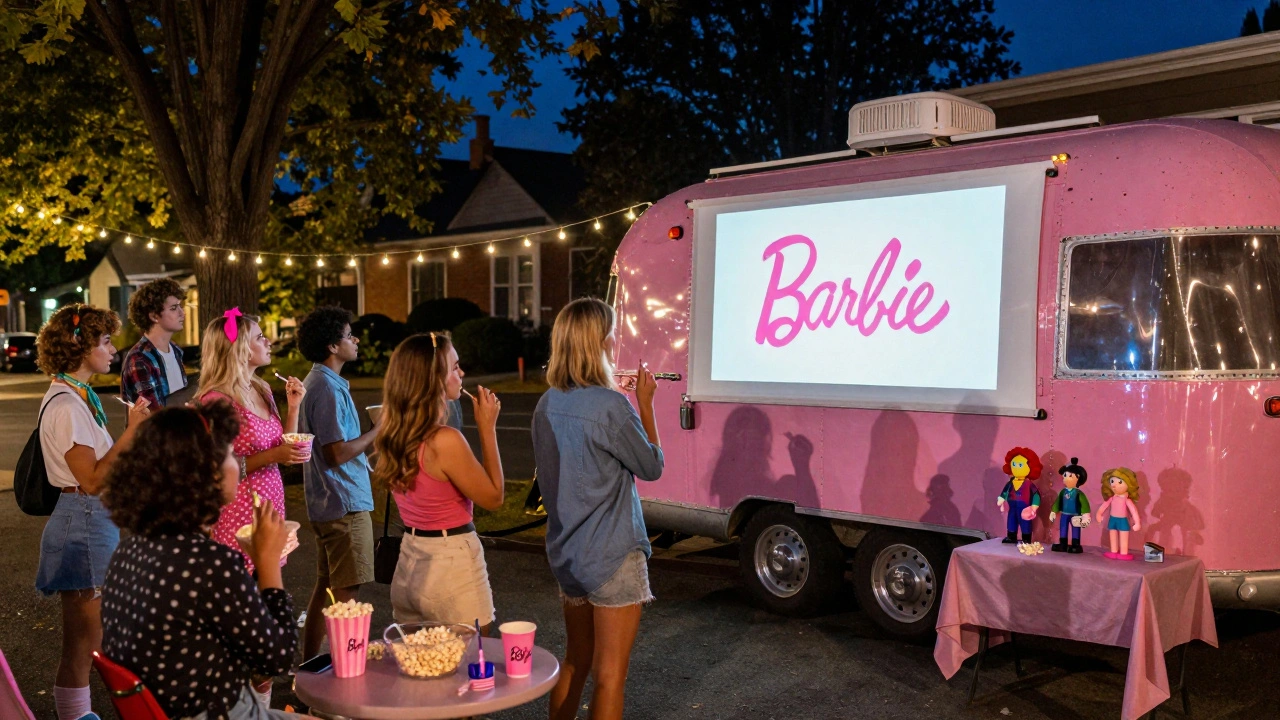
Take Barbie in 2023. While theaters nationwide played it daily, a group in Portland, Oregon, turned a vintage Airstream trailer into a 12-seat mobile cinema. They showed it every Friday night for a month, complete with pink popcorn and DIY Ken dolls as party favors. Attendance? Over 800 people. No studio paid for it. The organizers just loved the movie and built an experience around it.
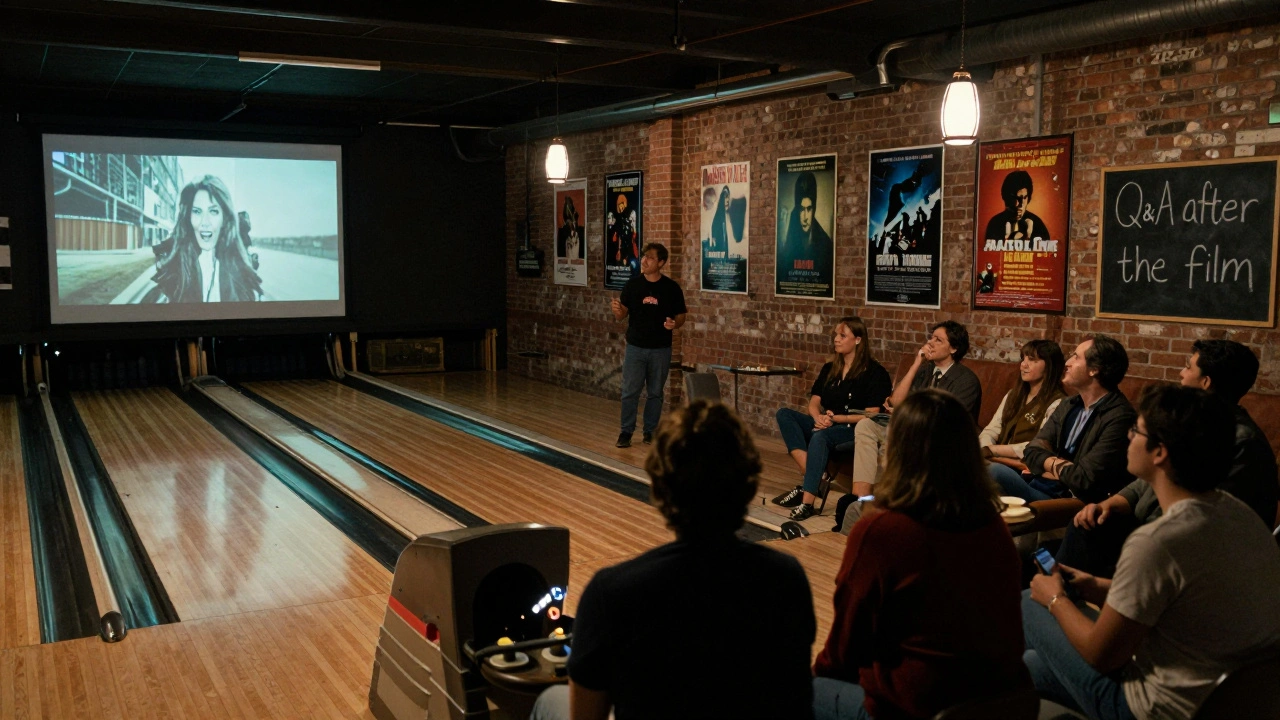
In Asheville, a local film collective turned an old bowling alley into a monthly screening space called The Reel Lane. They show obscure 1970s horror films, regional documentaries, and animated shorts from local artists. No ads. No trailers. Just the movie and a 15-minute Q&A with the filmmaker afterward. Their email list grew from 300 to 11,000 in two years.
These aren’t gimmicks. They’re community-building tools. People don’t just watch the film-they talk about it, share photos, bring friends, and come back next month.
The Business Side: Who Pays for This?
Most pop-ups are run by volunteers, film societies, or small arts nonprofits. But they’re not broke. Many charge $8-$15 per ticket. Some partner with local breweries, coffee shops, or bookstores for space and snacks. In return, the venue gets foot traffic on slow nights. A coffee shop in Santa Fe started hosting Tuesday night indie films and saw a 40% increase in evening sales.
Distributors are catching on. Companies like Kino Lorber and Oscilloscope Laboratories now offer “community screening kits” for $200. That includes a digital copy of the film, a poster, a press release template, and even a guide on how to get permits. No need to negotiate rights with a major studio. Just pick a film, pick a location, and go.
Some filmmakers even skip theaters entirely. Documentarian Laura Poitras released All the Beauty and the Bloodshed through a network of 300 pop-up screenings across the U.S. before it hit streaming. She didn’t need a distributor. She used Instagram, local film groups, and word of mouth to fill rooms.
What Makes a Pop-Up Successful?
It’s not about the screen size or the sound system. It’s about intention.
- Theme matters. A screening of Taxi Driver in a downtown alleyway at midnight with neon lights and vintage radios playing in the background? That’s an event. A plain showing in a community center? Not so much.
- Local connection helps. Show a film about Appalachian mining in a former coal town. Screen a Puerto Rican drama in a neighborhood with a large Latinx population. People feel seen.
- Interaction turns viewers into fans. Invite the director. Host a post-screening discussion. Let people write notes on sticky notes and stick them to the wall. Make it feel personal.
- Keep it simple. You don’t need a permit for every event. Many towns allow one-off screenings under “cultural event” exemptions. Check local ordinances-but don’t let bureaucracy kill the vibe.
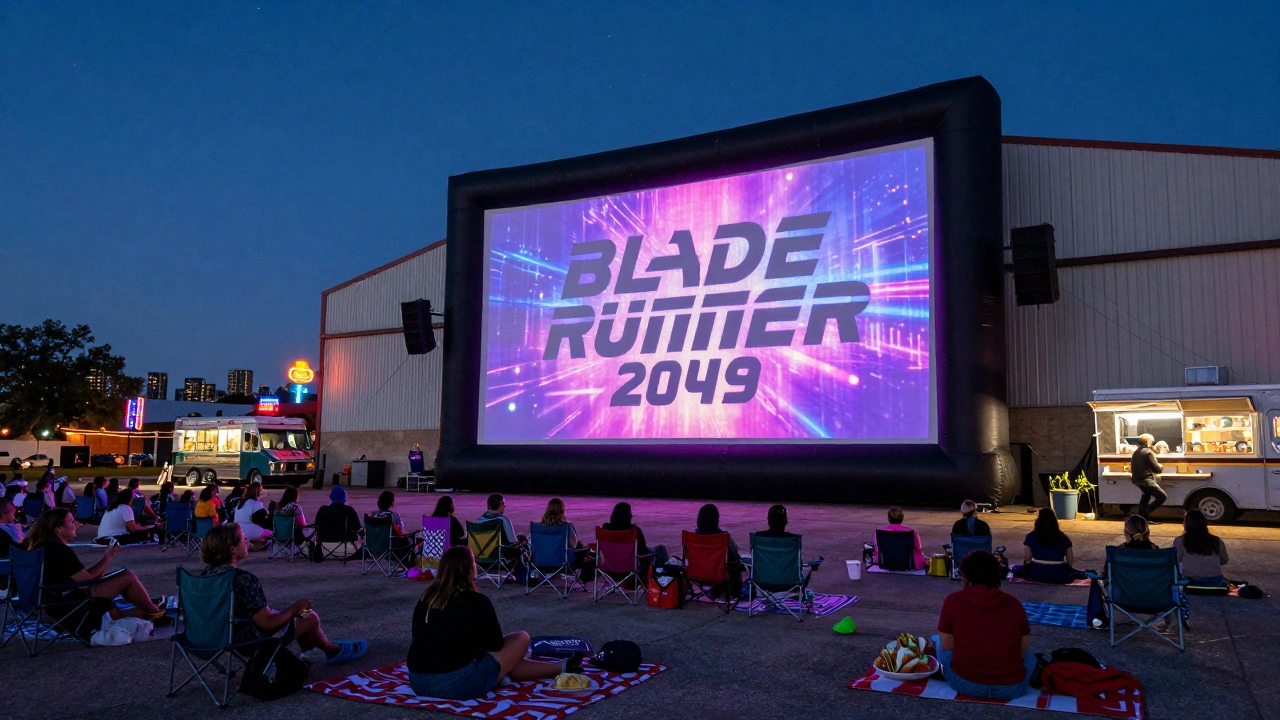
One group in Austin showed Blade Runner 2049 on the side of a warehouse using a rented 20-foot inflatable screen. They sold $3 tacos from a food truck. Over 1,500 people showed up. No one asked for a refund.
Who’s Getting Left Behind?
Not everyone can pull this off. Rural areas still struggle. A pop-up in rural Mississippi needs more than a projector-it needs internet access, a reliable power source, and a way to spread the word without social media. Some communities lack the volunteers or funding to make it work.
Also, not every film fits. Big-budget action movies don’t benefit from a backyard screening. But films that rely on mood, silence, or cultural context? They thrive.
And while pop-ups are growing, they still represent less than 3% of total U.S. theatrical revenue. But that 3% is growing at 22% a year-faster than any other segment of film exhibition.
The Future Isn’t Just in Theaters-It’s Outside Them
The movie industry keeps talking about “theatrical exclusivity.” But what if the real theatrical future isn’t in the multiplex? What if it’s in a church basement in Detroit, a rooftop in Brooklyn, or a library in Boise?
Streaming gives you convenience. But pop-ups give you belonging. People don’t just want to watch a movie-they want to feel part of something. That’s why a 72-year-old woman in Ohio drove three hours to see a 1983 indie film about women farmers. She said, “I haven’t felt this seen in decades.”
Alternative theatrical delivery isn’t about replacing cinemas. It’s about expanding them. Every time someone organizes a pop-up, they’re not just showing a film-they’re proving that stories still matter, even if no one’s paying for a billboard.
How to Start Your Own Pop-Up Screening
If you’ve ever thought, “I wish more people saw this movie,” here’s how to make it happen:
- Choose a film. Pick something with a strong visual style, emotional weight, or local relevance. Avoid movies that are already on every streaming platform.
- Find a space. Libraries, churches, parks, bookstores, even garages work. Talk to the manager-many are happy to host for free if you bring people.
- Get the rights. Use a distributor like Swank, Criterion, or Kino Lorber that offers public performance licenses. Fees range from $100 to $300.
- Market it. Use Facebook Events, local subreddits, and community bulletin boards. Don’t rely on Instagram alone. Many older audiences don’t use it.
- Make it memorable. Add themed snacks, live music, or a short Q&A. Even 10 minutes of conversation turns viewers into advocates.
- Record it. Take photos. Get testimonials. Share them online. That’s how you build momentum for the next one.
You don’t need a budget. You just need a belief that movies are better when they’re shared.



Comments(7)