You know that feeling when a movie ends, the credits roll, and you’re left staring at the wall, wondering why your own dating life feels so flat compared to what you just watched? It’s not because real life is boring. It’s because cinematic love is a carefully constructed illusion designed to hit specific emotional buttons. Films don’t just show romance; they codify it. They take the messy, ambiguous chaos of human connection and distill it into repeatable patterns, or themes, that audiences recognize instantly. Whether it’s the grand gesture in the rain or the slow-burn tension across a dinner table, these recurring motifs shape how we perceive intimacy.
This isn’t just about spotting clichés. Understanding these themes helps you decode why certain movies resonate while others feel hollow. We’re going to break down the core archetypes of on-screen romance, analyze the mechanics behind them, and look at how modern cinema is twisting these old rules. By the end, you’ll see films not just as entertainment, but as mirrors reflecting our deepest hopes and fears about partnership.
The Architecture of Desire: Why Patterns Repeat
Humans are pattern-recognition machines. When it comes to storytelling, especially regarding romance, a genre defined by emotional stakes and interpersonal dynamics, repetition provides comfort. If every movie invented a new way for two people to fall in love, we’d be exhausted trying to keep up. Instead, filmmakers rely on established structures to guide us through the narrative quickly.
Consider the "Meet Cute." It’s a staple for a reason. It establishes the characters’ flaws and desires within seconds. Think of When Harry Met Sally. The antagonistic opening sets up the central conflict: can men and women really be friends? This theme-Friendship vs. Romance-is a massive pillar in cinema. It plays on the fear that crossing the line ruins everything, and the hope that it makes everything better. When you watch this trope play out, you aren’t just watching a plot point; you’re engaging with a cultural debate that has existed for centuries.
These patterns work because they reduce cognitive load. You don’t need ten minutes to understand the stakes. You see the glance, the accidental touch, the misunderstanding, and you know exactly where the story is heading. But here’s the catch: the best films use these familiar tracks to surprise you. They set up the expectation, then subvert it just enough to keep you guessing. That tension between familiarity and novelty is where great cinema lives.
Key Archetypes of On-Screen Love
If you strip away the costumes and settings, most movie romances fall into a few distinct categories. Recognizing these helps you understand the director’s intent. Are they selling you a fantasy? Or are they showing you something raw and uncomfortable?
One dominant archetype is the Star-Crossed Lovers. This theme relies on external obstacles-family feuds, class differences, war, or even time travel-to keep the couple apart. Shakespeare’s Romeo and Juliet is the grandfather of this trope, but modern iterations like Brokeback Mountain or In the Mood for Love show that the obstacle doesn’t have to be a literal wall. Sometimes it’s societal pressure or internal repression. The appeal here is tragedy. We cry because the love is pure, but the world is too broken to accommodate it.
Then there’s the Enemies to Lovers arc. This is arguably the most popular structure in contemporary romantic comedies. The logic is simple: passion looks like anger before it looks like love. Movies like Pride & Prejudice (the 2005 version specifically) excel here because they make the intellectual clash as sexy as the physical attraction. The audience enjoys the journey from disdain to desire because it validates the idea that opposites attract, provided those opposites challenge each other.
Finally, we have the Unrequited Love narrative. This one hurts. Films like Her or Eternal Sunshine of the Spotless Mind explore the pain of loving someone who cannot, or will not, love you back in the same way. These stories often lack a traditional happy ending. They focus on growth, loss, and acceptance. They remind us that sometimes, love is a solitary experience, even when another person is involved.
Comparing Romantic Tropes: A Breakdown
To really get a handle on how these themes function, it helps to compare their structural elements. Not all love stories serve the same purpose. Some are escapism; others are cautionary tales.
| Theme | Core Conflict | Typical Resolution | Emotional Payoff | Example Film |
|---|---|---|---|---|
| Star-Crossed | External Forces | Tragic Separation or Sacrifice | Catharsis / Melancholy | Titanic |
| Enemies to Lovers | Misunderstanding / Ego | Grand Gesture / Reconciliation | Joy / Relief | The Hating Game |
| Friends First | Fear of Ruining Friendship | Honest Confession | Comfort / Security | Before Sunrise |
| Forbidden Love | Societal Taboo | Secret Union or Rebellion | Tension / Thrill | Carol |
| Second Chance | Past Mistakes | Growth and Forgiveness | Hope / Renewal | La La Land |
Notice the shift in resolutions. Older films often leaned heavily into marriage as the ultimate goal. Modern narratives are more nuanced. In La La Land, the resolution isn’t a wedding; it’s mutual respect and separate paths. This reflects a changing cultural view on relationships: love doesn’t always mean staying together. It means letting go if holding on destroys both people. This thematic evolution is crucial for understanding current trends.
The Visual Language of Intimacy
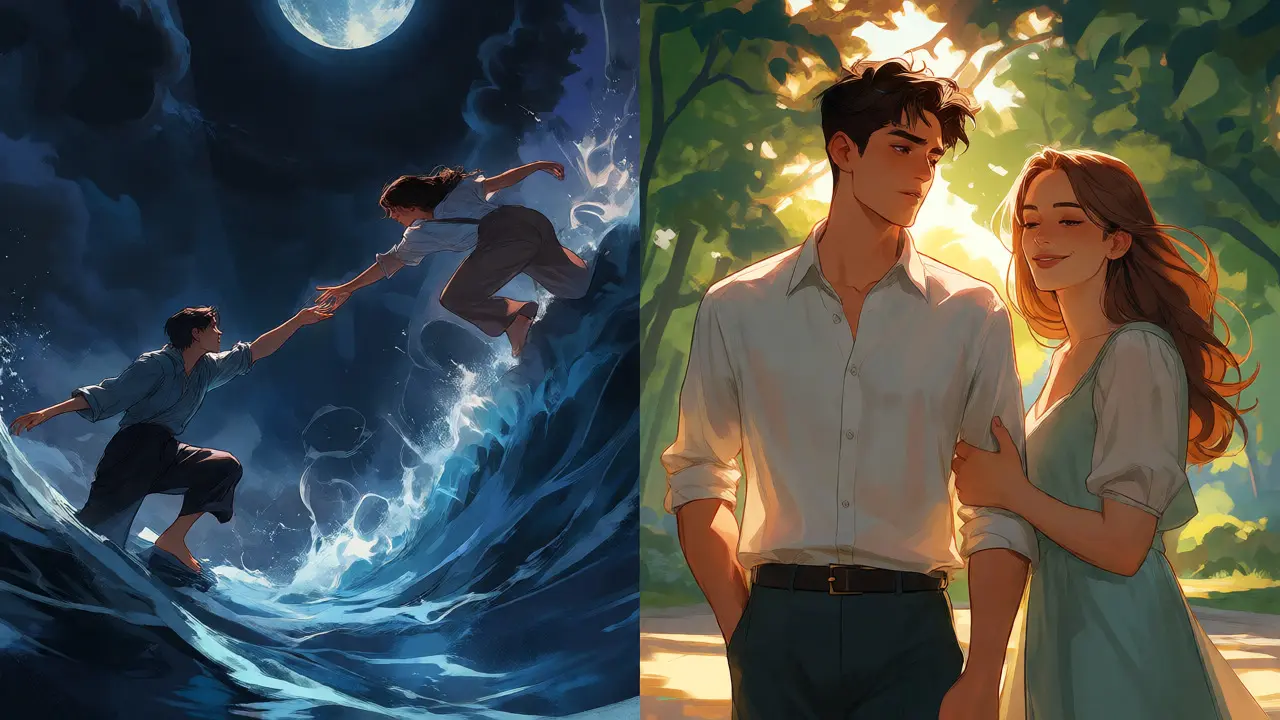
Themes aren’t just written in the script; they’re shot with the camera. Directors use visual cues to reinforce the type of relationship being portrayed. If you want to spot a Passionate Affair, look for tight close-ups, shaky handheld cameras, and warm, saturated colors. The framing feels claustrophobic because the characters are obsessed with each other.
Contrast this with a Distant Marriage. Filmmakers might use wide shots, placing the characters far apart in the frame, separated by furniture or negative space. The lighting might be cool and sterile. In Marriage Story, the separation scenes are painful precisely because the camera emphasizes the physical distance growing between them. The dialogue says they still care, but the visuals scream that they are worlds apart.
Music also plays a pivotal role. The "Song Montage" is a classic device where a pop song underscores a montage of falling in love. It compresses months of development into three minutes. While effective, it can feel manipulative if overused. However, when used sparingly, like the silence in No Country for Old Men or the diegetic music in Once, it grounds the romance in reality. Diegetic music-music the characters actually hear-creates a sense of shared experience that non-diegetic scores can’t match.
Modern Twists: Subverting Expectations
We live in an era of dating apps and ghosting, and cinema has caught up. Traditional courtship rituals are disappearing from screens, replaced by digital ambiguity. Films like Black Mirror: San Junipero or Her explore how technology mediates intimacy. Can you love an algorithm? Can you commit to a virtual avatar? These questions weren’t relevant twenty years ago, but now they form a new sub-genre of tech-romance.
Another major shift is the move away from the "Happily Ever After." Audiences today crave realism. They want to see the hard parts. Movies like Blue Valentine deconstruct the fairy tale entirely. They show the erosion of love under financial stress and parenting duties. This isn’t cynical; it’s honest. It acknowledges that maintaining a relationship is active work, not a passive state of being.
Furthermore, representation matters. For decades, cinematic love was predominantly heterosexual and white. Now, films like Portrait of a Lady on Fire or Call Me by Your Name bring queer perspectives to the forefront. These stories often deal with themes of secrecy and discovery that differ from mainstream narratives. The tension isn’t just about whether they’ll get together, but whether they can exist openly in their world. This adds a layer of political weight to the personal emotion.
How to Analyze a Love Story Like a Pro
Next time you watch a romantic film, try this quick checklist to deepen your appreciation:
- Identify the Obstacle: What keeps them apart? Is it internal (fear, pride) or external (money, family)? Internal obstacles usually lead to character-driven stories; external ones lead to plot-driven thrillers.
- Watch the Body Language: Ignore the dialogue for five minutes. How do they stand near each other? Do they mirror movements? Physical proximity often tells the truth before words do.
- Note the Setting: Does the environment reflect their mood? Rain often signifies cleansing or sadness. Bright sunlight suggests optimism. Claustrophobic rooms imply trapped emotions.
- Check the Ending: Did they get what they wanted, or what they needed? Often, the best endings give the characters what they need, which might not be a ring or a kiss, but self-respect.
This approach transforms passive viewing into active engagement. You start seeing the strings being pulled. You realize that the tearjerker moment wasn’t accidental; it was engineered by pacing, music, and editing choices designed to maximize impact.
Why These Themes Persist
Despite technological changes and shifting social norms, the core themes of love in film remain surprisingly stable. Why? Because human needs haven’t changed. We still crave validation, security, excitement, and companionship. Cinema provides a safe space to explore these desires without real-world consequences.
Moreover, these themes offer a shared language. When someone references a "Jerry Maguire moment," everyone knows they mean a grand declaration of love. When they talk about a "Casablanca choice," they mean sacrificing personal happiness for a greater good. These cultural touchstones bind us together. They allow us to communicate complex emotional states quickly and effectively.
So, the next time you find yourself rolling your eyes at a predictable romantic trope, pause. Ask yourself why it works. Chances are, it taps into a universal truth about human connection that no amount of cynicism can erase. Love in film is a mirror, yes, but it’s also a map. It shows us the terrain of our own hearts, helping us navigate the confusing, beautiful, and often frustrating journey of finding someone else.
What is the most common love trope in Hollywood?
The "Enemies to Lovers" arc is currently one of the most prevalent tropes in Hollywood. It works because it combines high-stakes conflict with eventual romantic payoff, keeping the audience engaged through tension and release. Films like The Proposal and Pride & Prejudice exemplify this structure, where initial dislike transforms into deep affection through shared experiences and vulnerability.
How does cinematography affect romantic themes?
Cinematography visually reinforces the emotional tone of a relationship. Close-ups create intimacy and intensity, suitable for passionate affairs. Wide shots with significant negative space can highlight isolation or emotional distance in failing marriages. Lighting color temperature also plays a role; warm tones suggest comfort and nostalgia, while cool tones may indicate detachment or clinical observation.
Are realistic love stories less popular than idealized ones?
While idealized stories dominate box office numbers due to their escapist appeal, realistic love stories have gained significant critical acclaim and niche popularity. Films like Marriage Story and Blue Valentine prove that audiences appreciate honest depictions of relationship struggles. These films often resonate more deeply with older viewers or those who value authenticity over fantasy.
How have dating apps influenced movie plots?
Dating apps have introduced themes of digital disconnection and superficial judgment into film narratives. Movies now frequently depict characters judging potential partners based on photos or brief bios, leading to misunderstandings. Plots often revolve around the gap between online personas and real-life personalities, exploring how technology complicates rather than simplifies human connection.
Why do tragic love stories remain popular?
Tragic love stories endure because they provide catharsis. Watching characters suffer for love allows audiences to process their own grief and loss in a controlled environment. Additionally, tragedy elevates the perceived value of the love shown; if a relationship ends in death or permanent separation, its significance feels magnified, leaving a lasting emotional impact on the viewer.